
Castel del Monte: the mystery of Frederick II
Castel del Monte is one of the most fascinating places in Puglia. In this journey, we leave the Gargano behind and head to the castle commissioned by Frederick II, discovering its history, mysteries and extraordinary octagonal geometry. We explore its rooms, admire its architecture, details and views over the Murge, and try to understand why this place continues to raise so many questions today.
Piero: so, let's see… what shall we do today? Another day at the seaside?
Angela: definitely not!
Piero: what do you mean?
Angela: no beach today, no swimsuits and no diving.
Piero: then everyone aboard the van!
Angela: today we're taking a different kind of plunge: a journey back in time.
Piero: we're leaving the roads and landscapes of the Gargano behind for a few hours and heading inland into Puglia. Our destination is one of those places you simply have to see at least once in your life.
Angela: we're heading to Castel del Monte, one of the best-known and most fascinating monuments in Puglia, perched on a hill on the Murge plateau, in the territory of Andria.
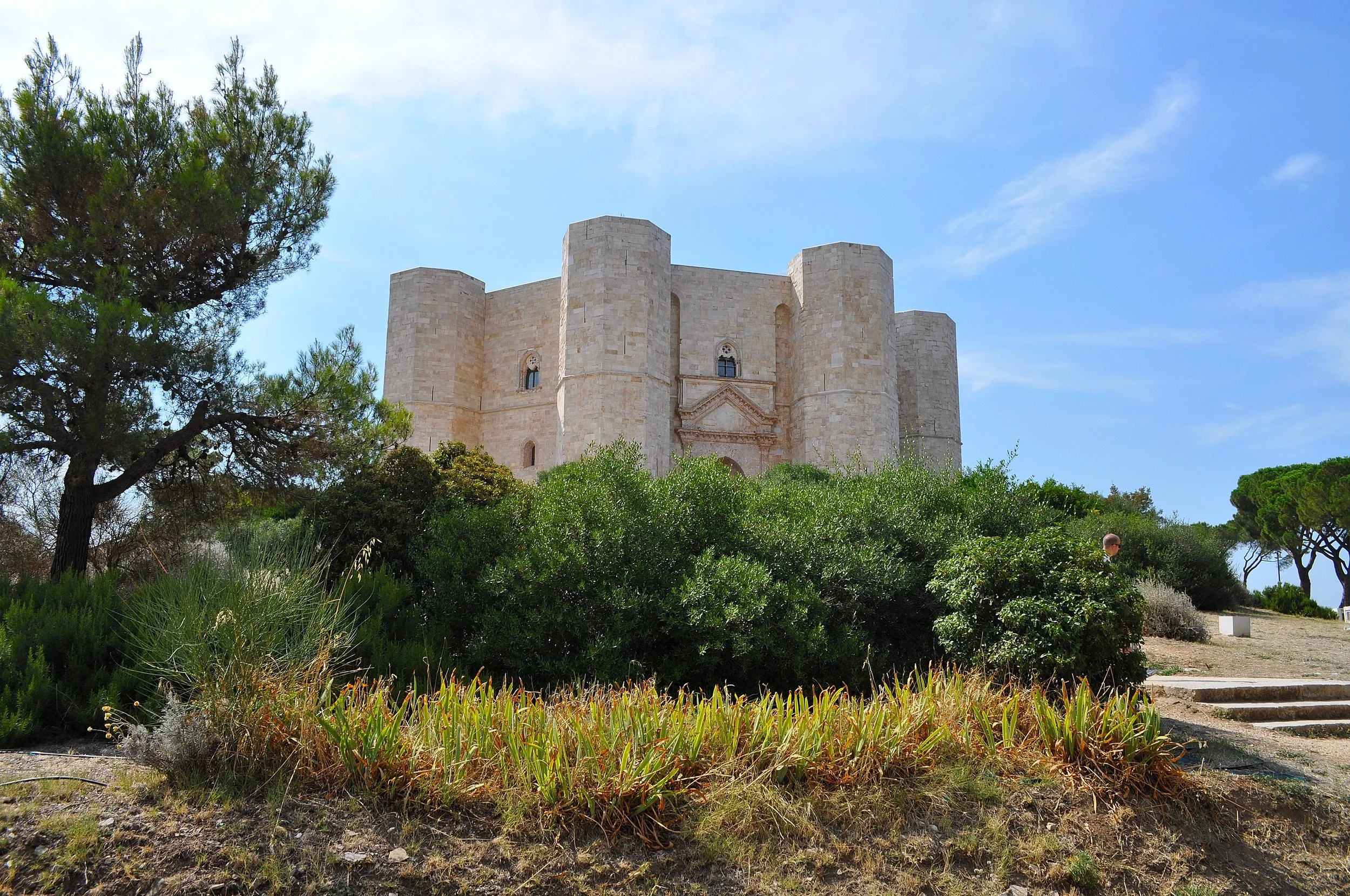
Piero: and this is more than just a detour. It's a small break in our journey that takes us far away from the sea: almost eight hundred years back in time.
Angela: Castel del Monte is also easily accessible for anyone visiting Bari and northern Puglia, so you don't have to be travelling through the Gargano to include it in your itinerary.
Piero: in fact, you only have to move a little way inland from the coast and, almost suddenly, there it is.
Angela: solitary, imposing and, above all, very strange.
Piero: because the first thing you notice is that this isn't the kind of castle we would normally expect to find in Puglia.
Angela: no huge crenellated walls, no moat and no towers that seem to have been built solely for defence.
Piero: here, everything seems to follow a precise rule. A rule based on geometry, proportions and symmetry.
Angela: and above all, on a number we will encounter again and again during our visit: eight.
Piero: eight sides, eight towers and an octagonal central courtyard.
Angela: but there's also a curiosity that's much closer to home.
Piero: so close that we've probably all had it in our pockets.
Angela: Castel del Monte is actually depicted on the Italian one-cent euro coin.
Piero: so technically, we've all already visited this castle!
Angela: more or less… because seeing it on a coin and standing in front of it are two completely different things.
Piero: and there's one last piece of advice we'd like to give before going inside.
Angela: if you can, choose a guided tour.
Piero: because this is one of those places where what we see is only part of the story.
Angela: understanding the meaning behind the architecture, seeing how the spaces are organised and discovering the many interpretations associated with the castle allows you to appreciate it on a much deeper level.
The history of the castle and Frederick II
Piero: to understand Castel del Monte, we have to go back to the 13th century, when one of the most extraordinary figures of the Middle Ages ruled southern Italy: Frederick II of Swabia.
Angela: born in Jesi in 1194, Frederick II was King of Sicily and Holy Roman Emperor. But his importance went far beyond his political role.
Piero: he was a highly cultured man, interested in philosophy, mathematics, astronomy and the natural sciences. Scholars from different cultures gathered at his court, and the Mediterranean became for him a true meeting place between different worlds.
Angela: it is therefore no surprise that he went down in history with the nickname Stupor Mundi, meaning "Wonder of the World".
Piero: it is in this context that Castel del Monte was created.
Angela: construction dates back to the first half of the 13th century and was already completed around 1250. The castle was built on a hill in the Murge, in a commanding position overlooking the surrounding territory.
Piero: but what was its purpose?
Angela: this is one of the questions to which we still cannot give a definitive answer today.
Piero: over the centuries, several hypotheses have been proposed: a residence, a hunting retreat, a ceremonial building, a symbolic structure and even a place with functions connected to astronomical observation.
Angela: what is clear is that its design was extremely sophisticated. The architecture combines elements of classical tradition, medieval Europe and the Islamic world, creating something truly unique.
Piero: and once again, everything comes back to the octagon.
Angela: the shape dominates the entire design: eight sides, eight towers, eight rooms on each floor and an octagonal central courtyard.
Piero: a geometric perfection that has inspired interpretations and theories for centuries, some documented and others remaining purely hypothetical.
Angela: one thing, however, is certain: Castel del Monte is closely connected to the culture and vision of its patron.
Piero: so much so that in 1996 it was included by UNESCO on the World Heritage List.
Angela: and there's a historical curiosity that makes the story even more fascinating.
Piero: Frederick II died in 1250, precisely during the years when the castle was being completed. The sources do not allow us to state with certainty that he ever stayed at Castel del Monte.
Angela: in other words, the monument that more than any other has become a symbol of Frederick II may have been visited very little, or perhaps never at all, by the very man who commissioned it.
Piero: after the Swabian period, Castel del Monte went through centuries that were far less glorious. It was also used as a prison and, after passing into the hands of the Carafa family, it gradually fell into neglect.
Angela: in the 18th century, it entered another period of severe decline: the castle was looted and was also used as a shelter by shepherds and bandits.
Piero: until 1876, when it was purchased by the Italian state and began the long process of restoration that would eventually return it to its historical and artistic importance.
Our Visit: Inside Castel del Monte
Angela: and here we finally are, standing in front of the entrance.
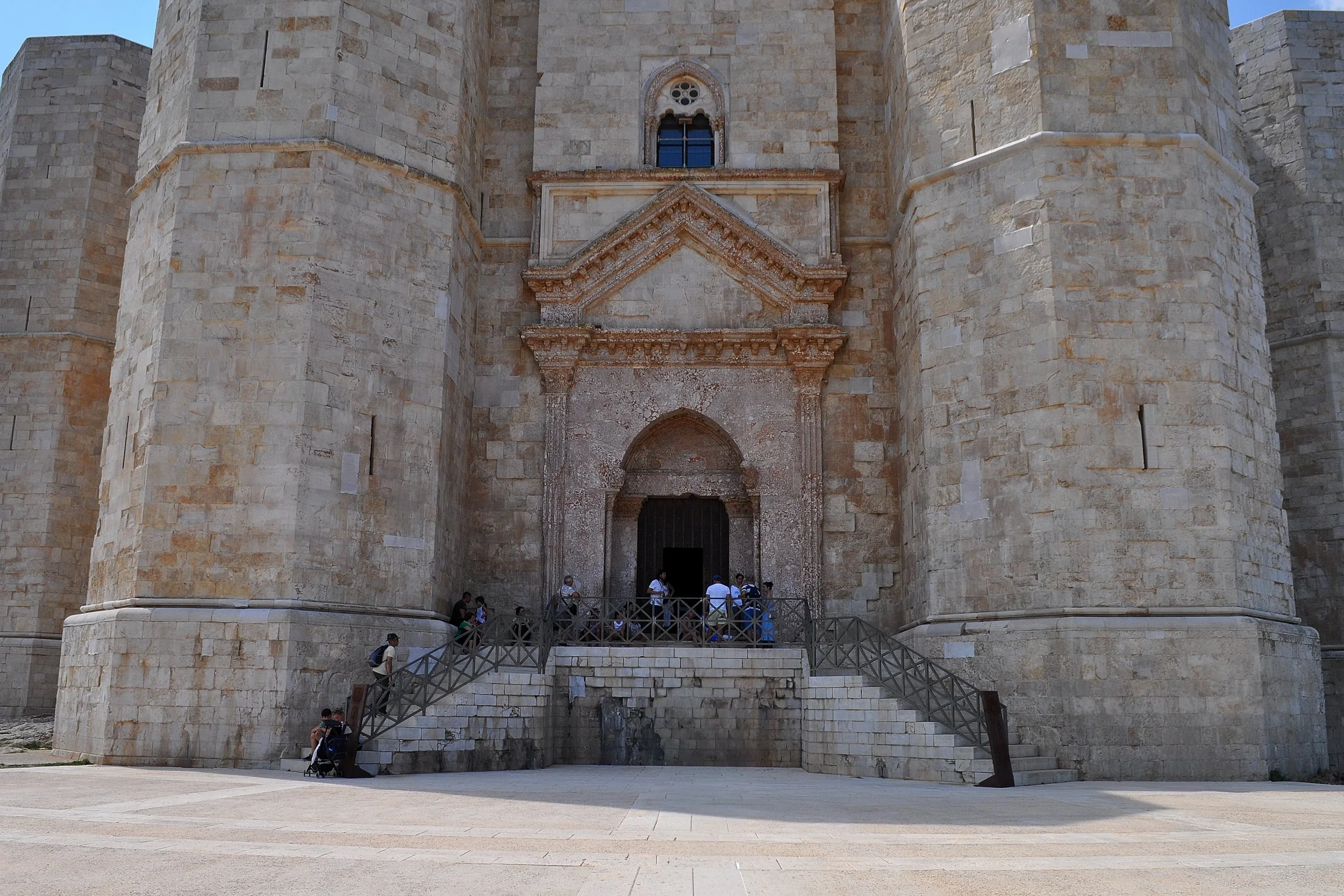
Piero: from the outside, we've already had the chance to admire its perfect shape. But it is only when we step inside that we really begin to understand just how unusual this building is.
Angela: we pass through the entrance portal and find ourselves in the inner courtyard, also designed according to the geometry of the octagon.
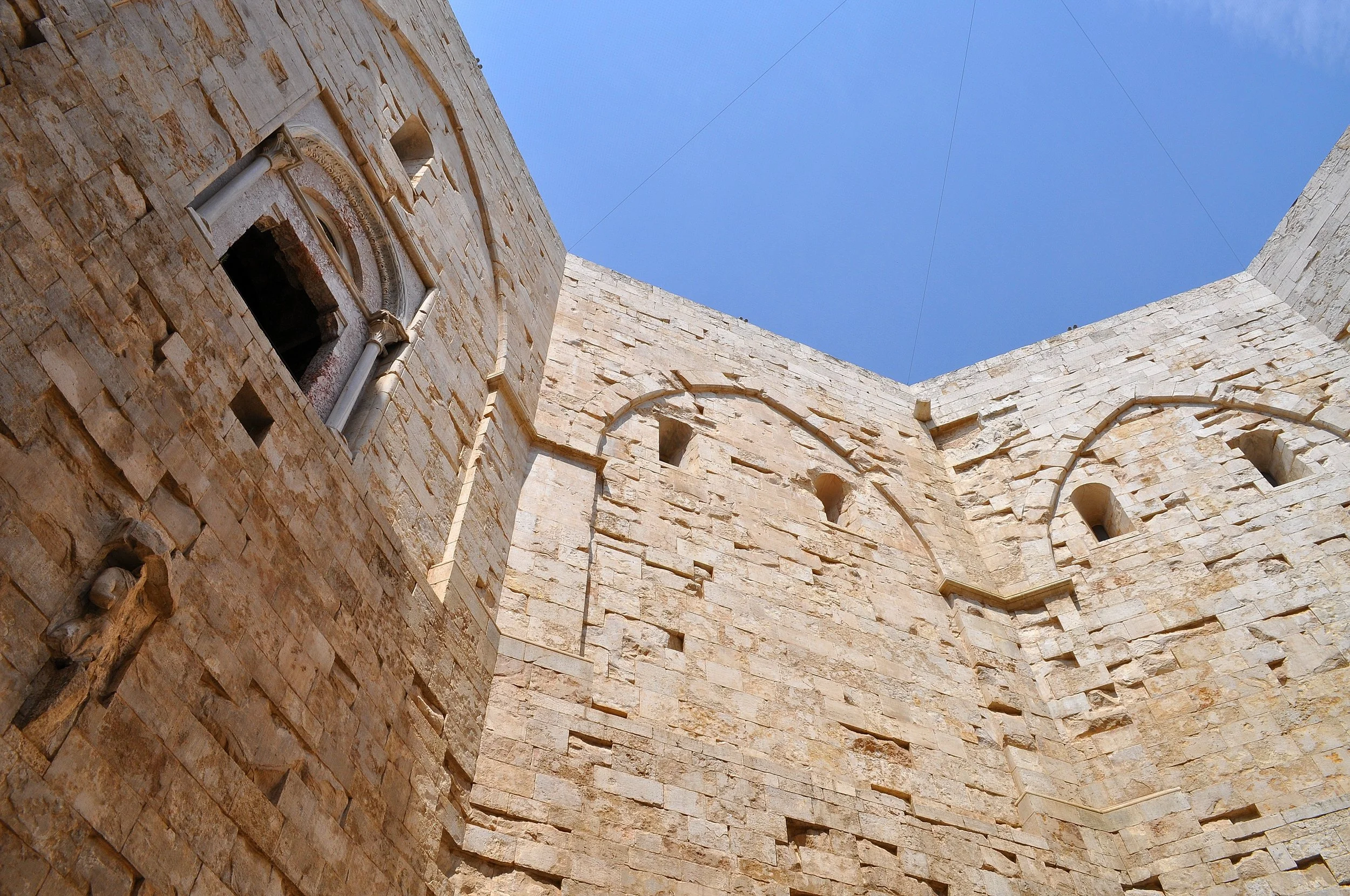
Piero: all around us are the castle's two floors, connected by a series of rooms that seem to repeat according to a precise pattern.
Angela: and this is where our walk begins.
Piero: we start on the lower floor, where we find eight rooms arranged around the courtyard.
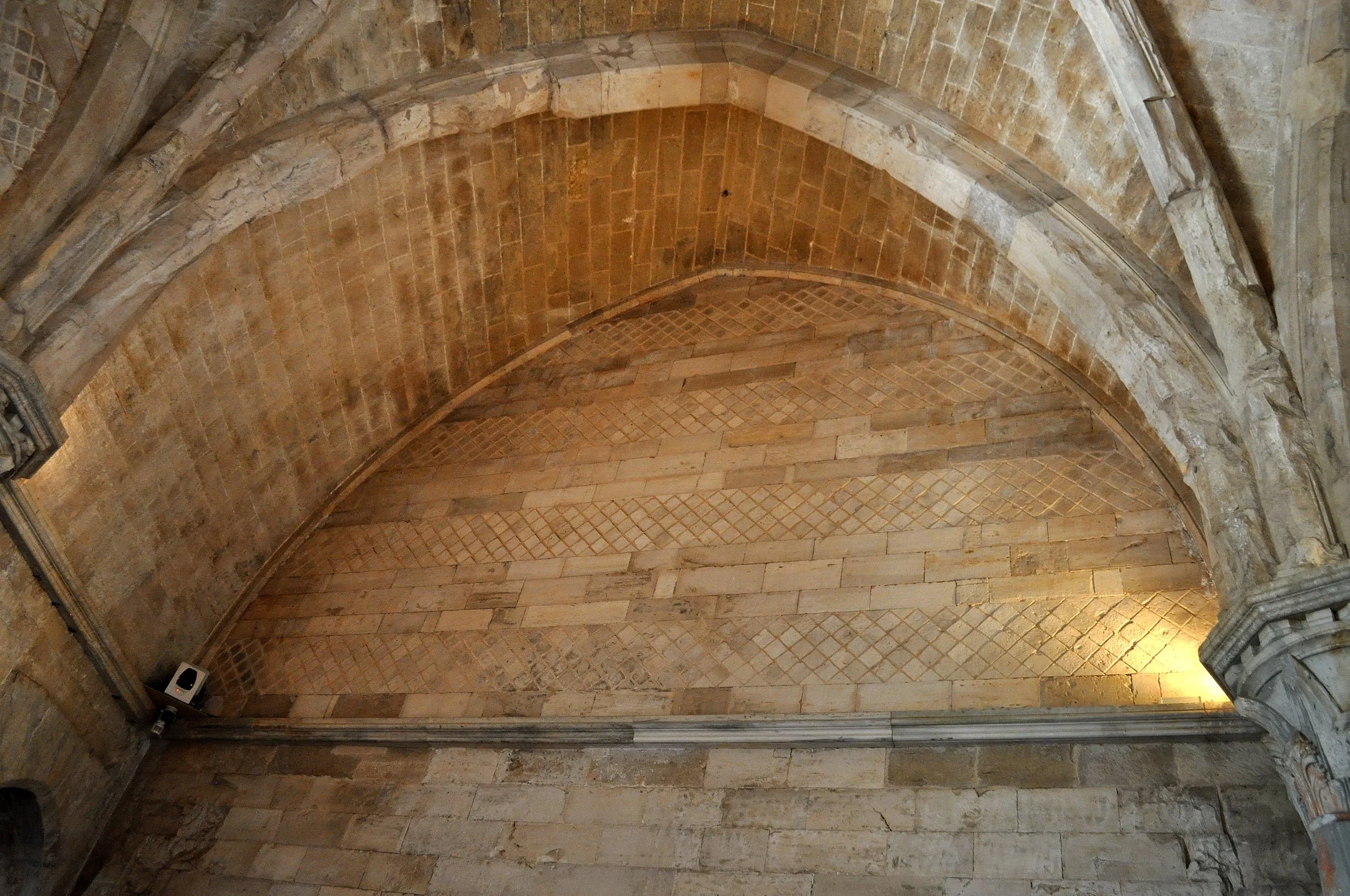
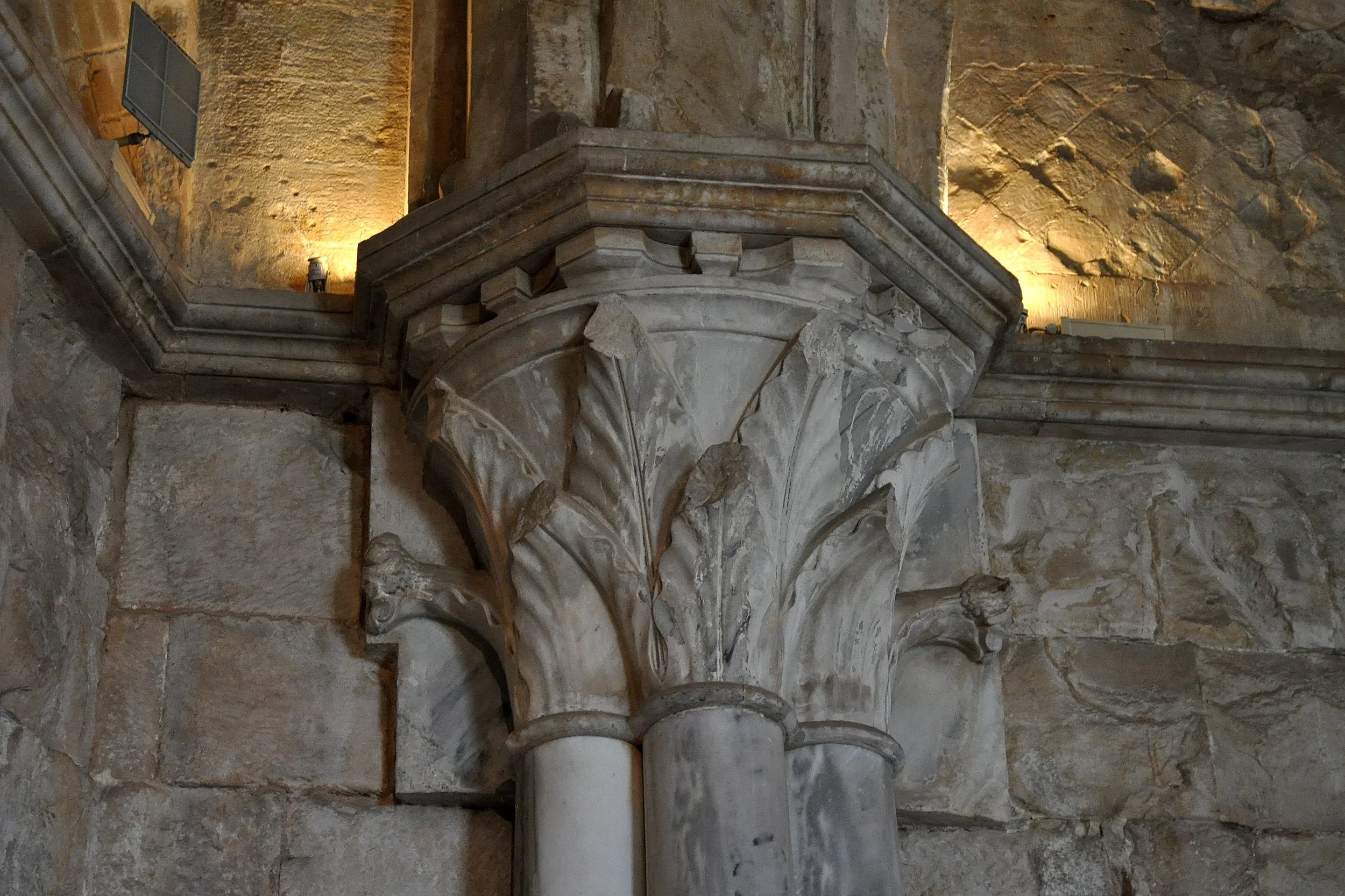
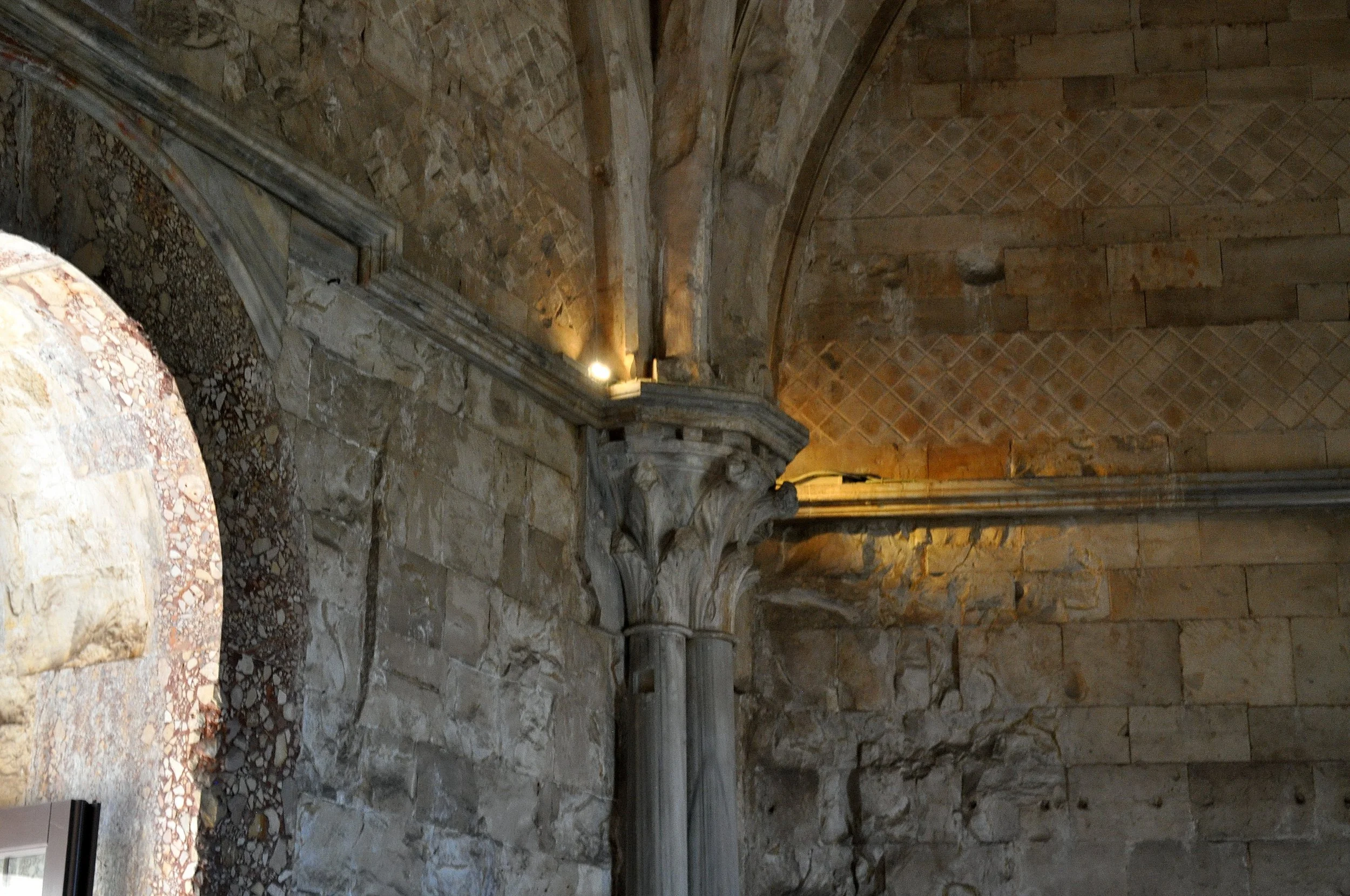
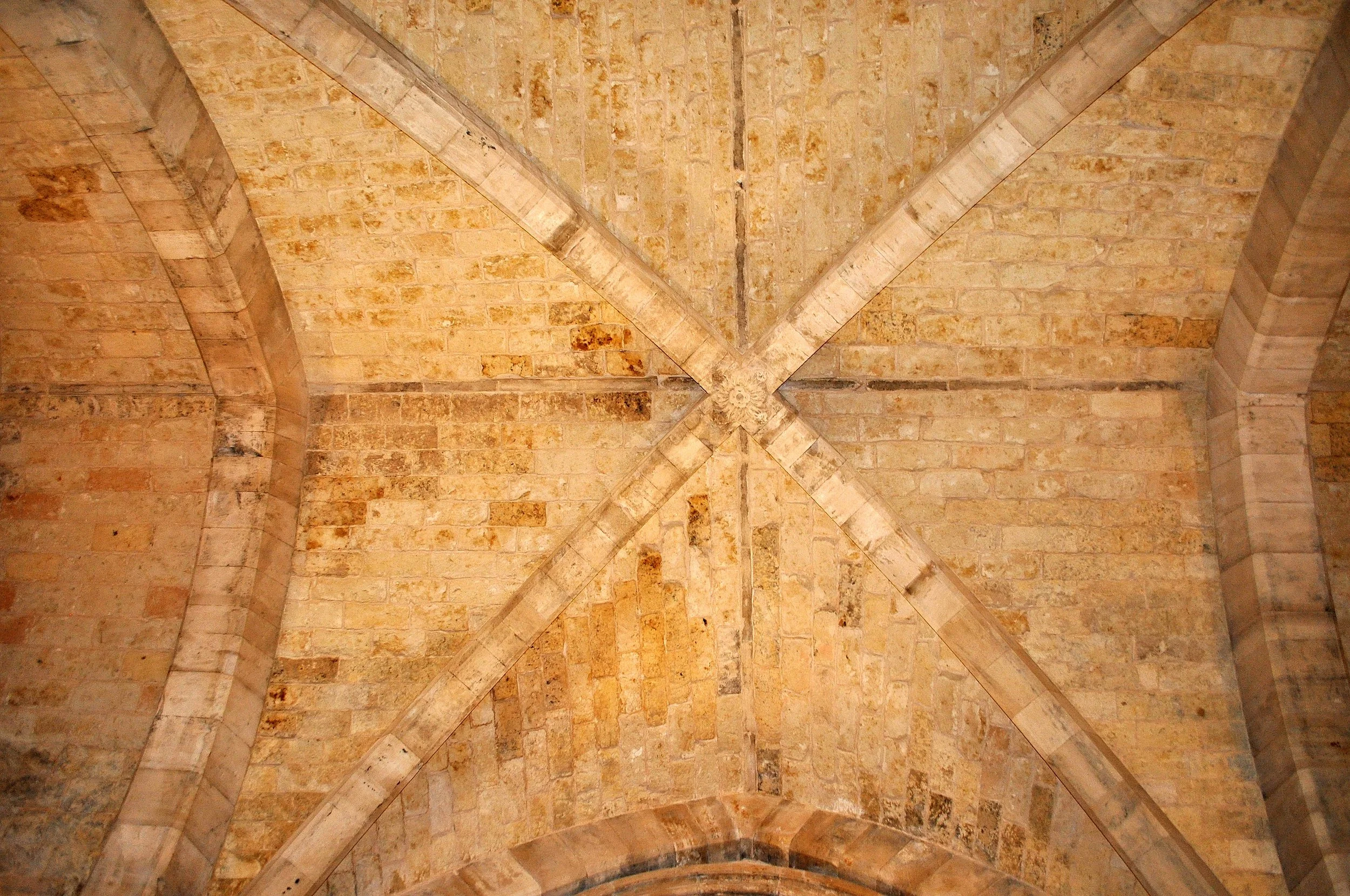
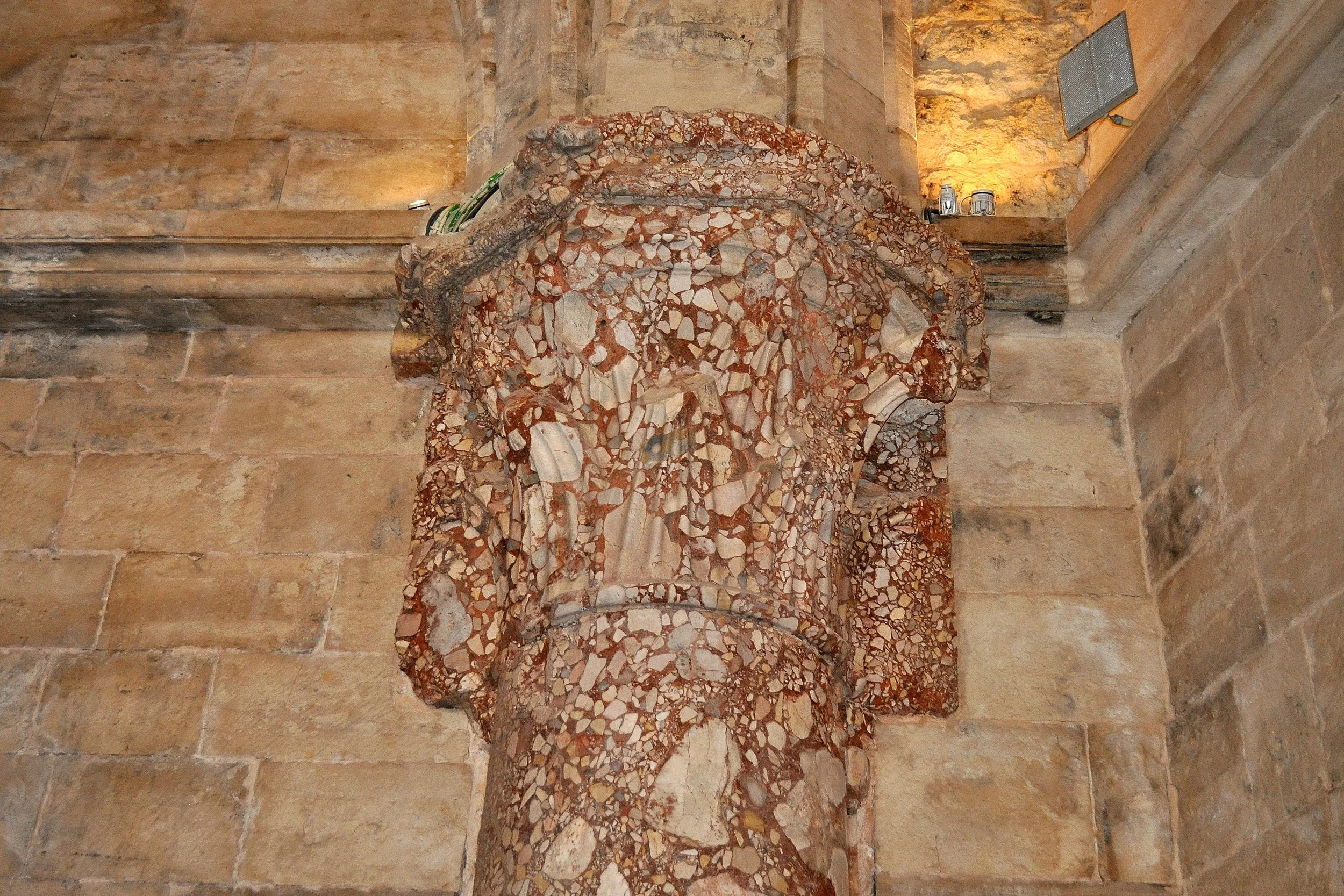
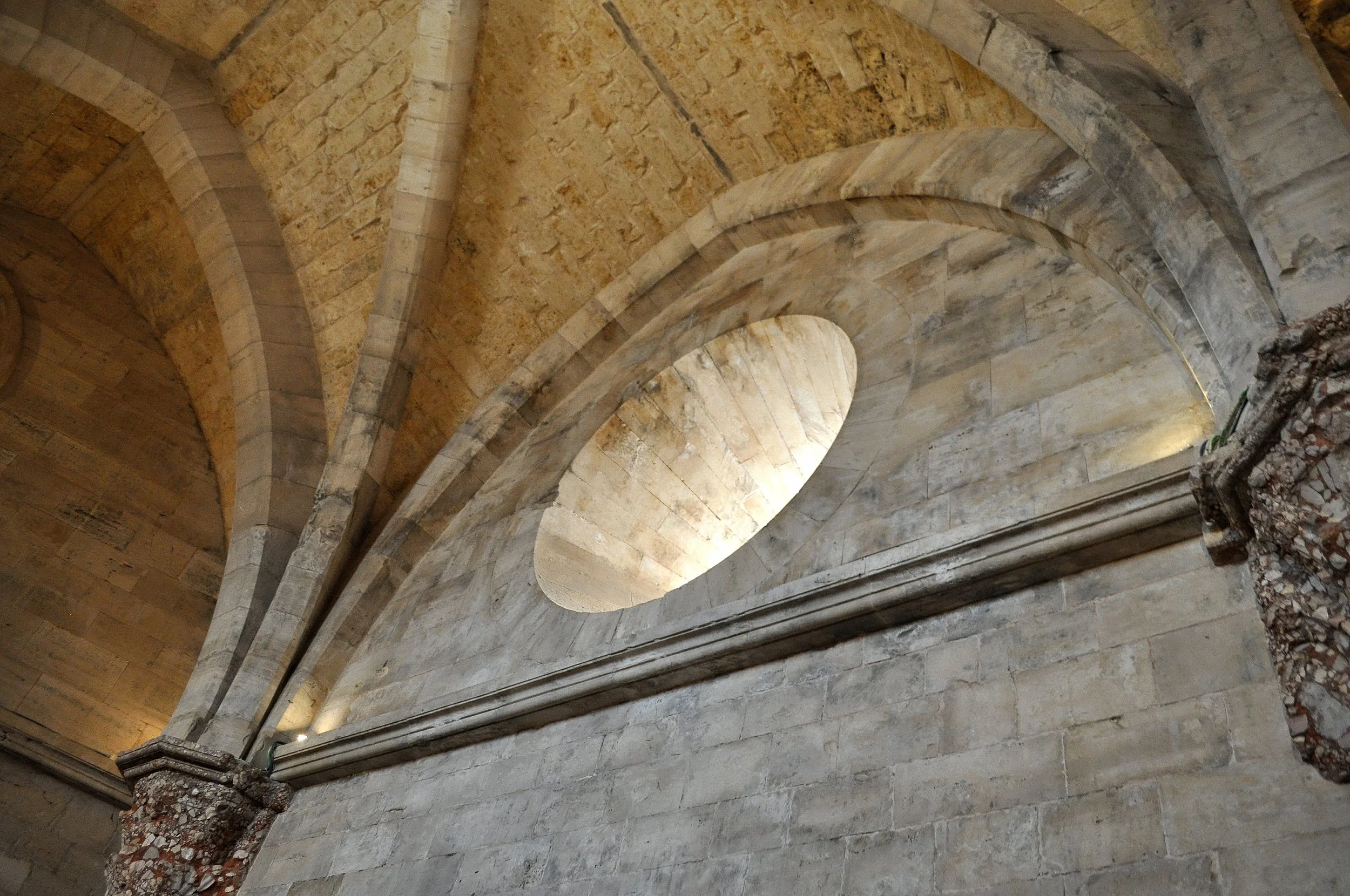
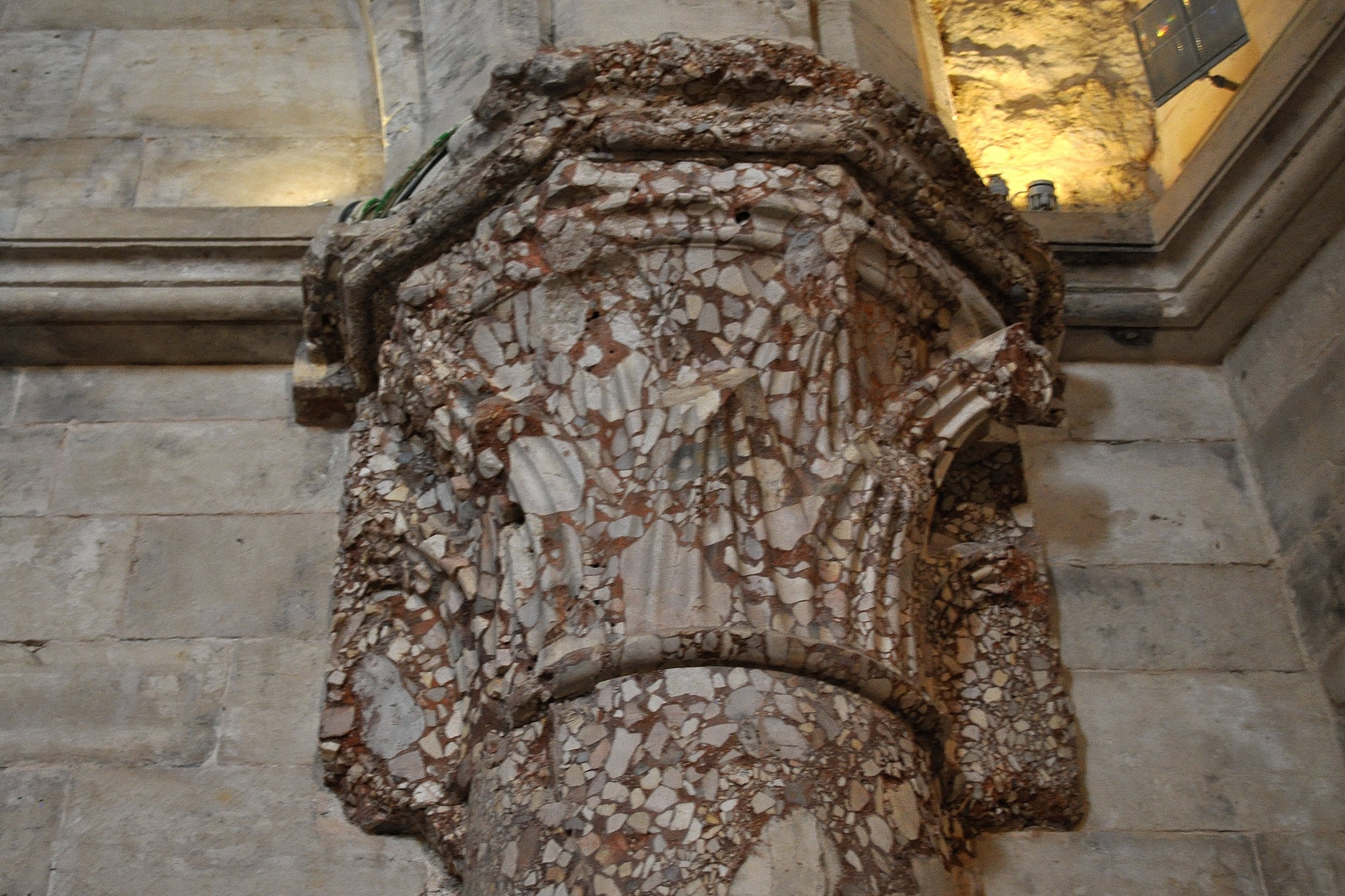
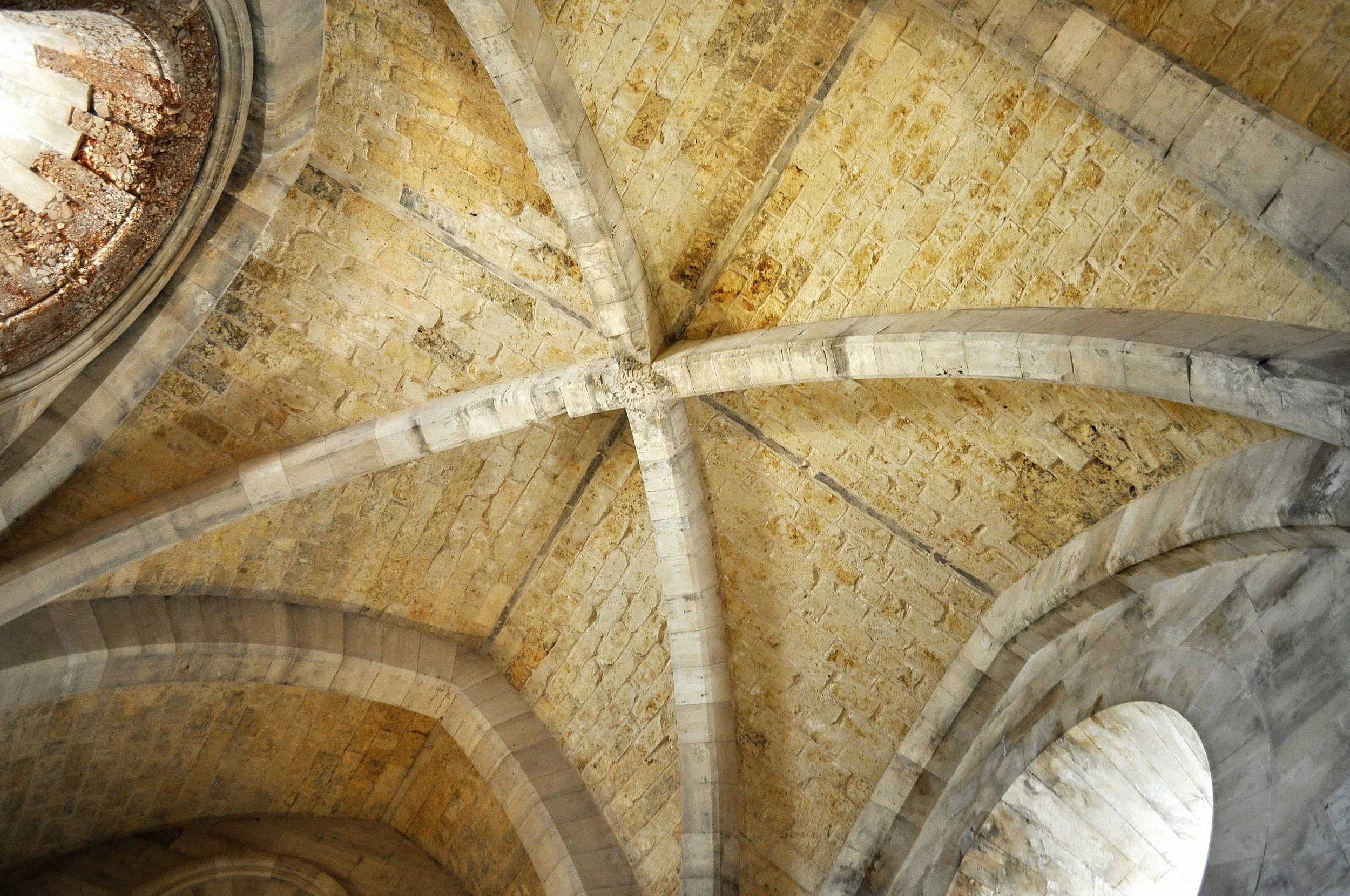
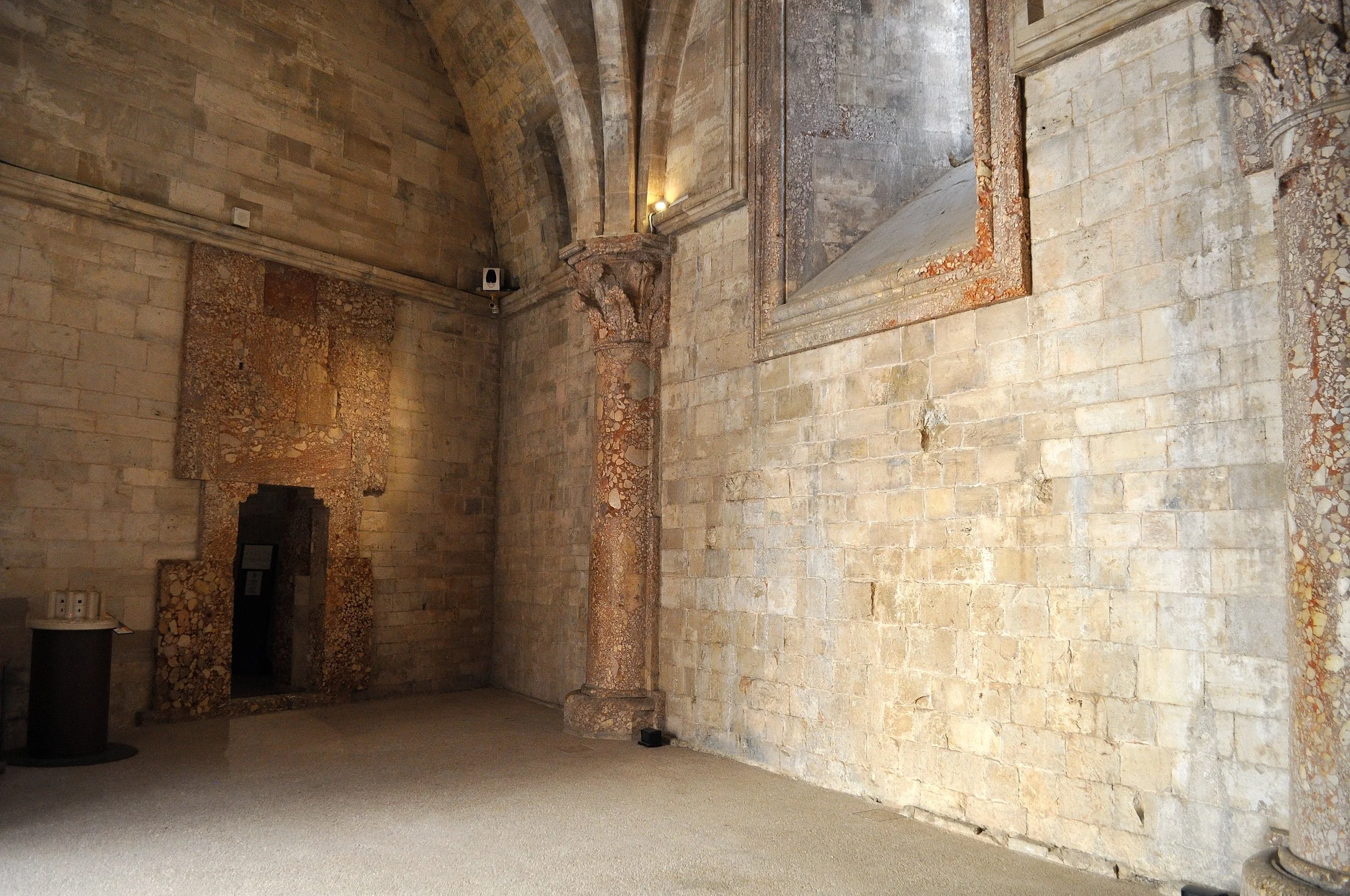
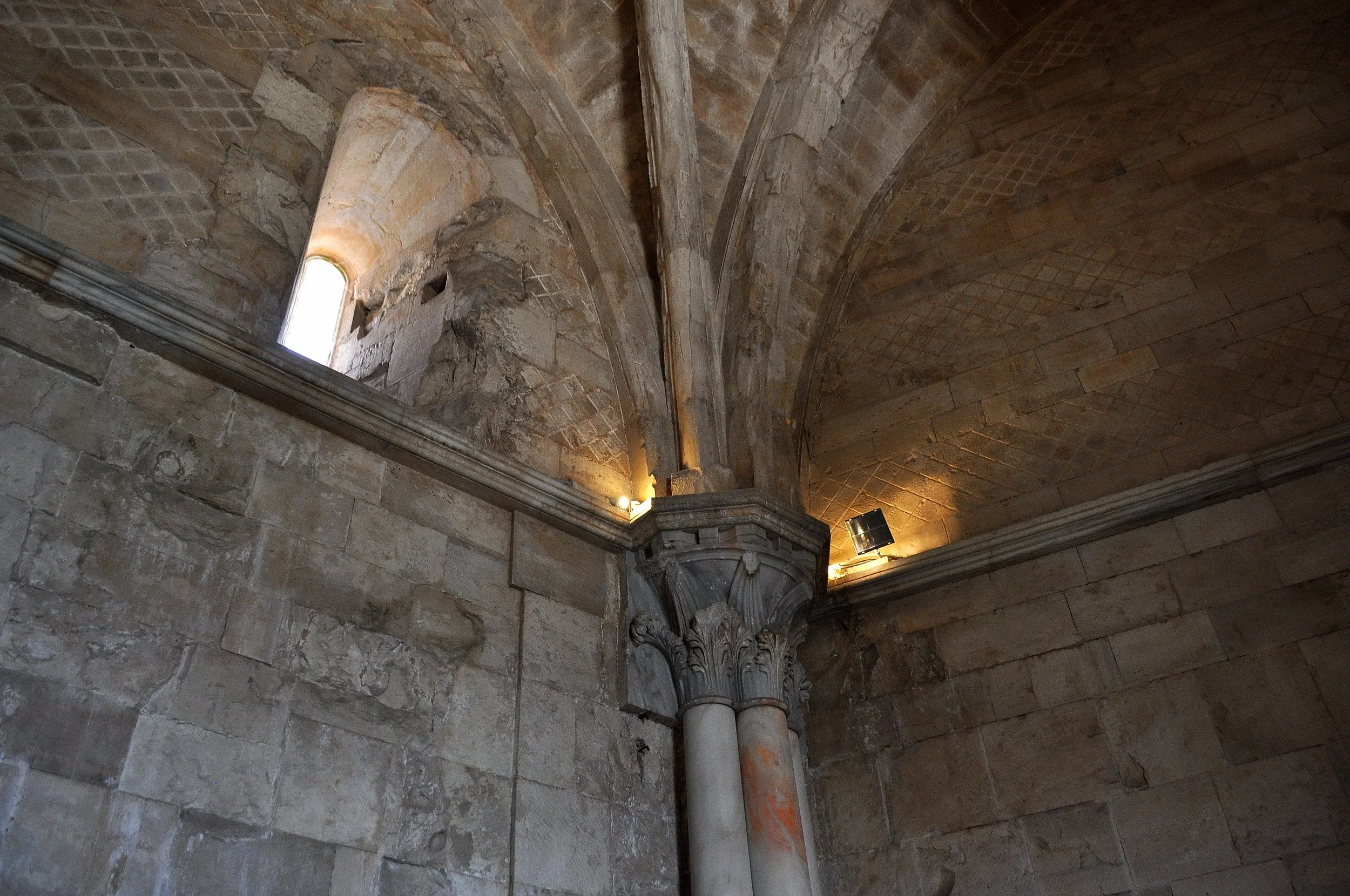
Angela: the rooms are connected by doors that allow us to follow an almost circular route. As we enter one room and then the next, we realise just how rigorously everything was designed.
Piero: today, the rooms appear rather bare.
Angela: and it's important to remember this, because what we see today does not fully convey the castle's original appearance.
Piero: many of the marble decorations and mosaics have been lost over the centuries.
Angela: but there are still elements that allow us to imagine the richness that must once have characterised the interiors: monumental fireplaces, capitals and decorative elements in stone and marble.
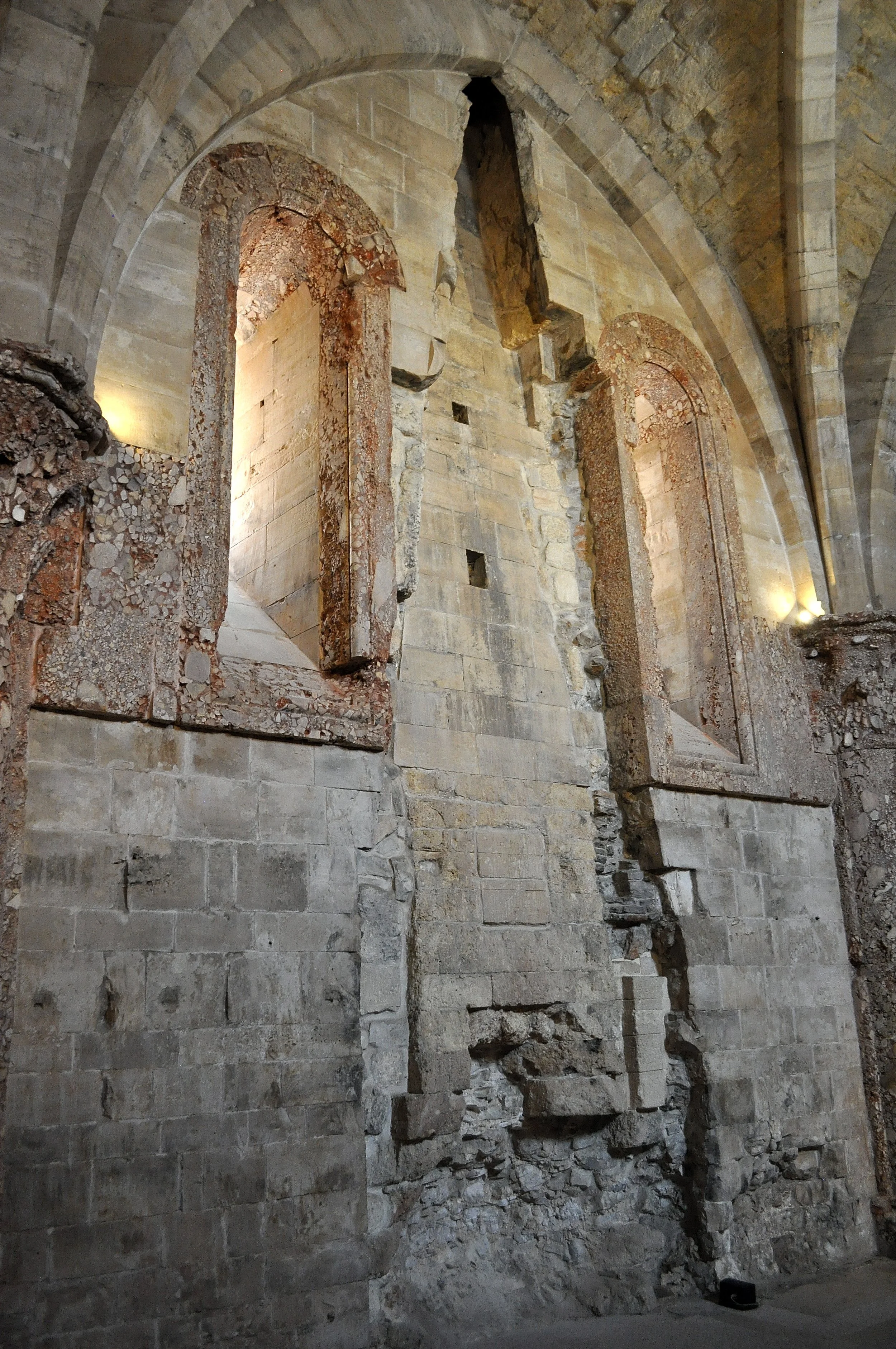
Piero: and then there are the openings towards the outside, which allow sunlight to enter the rooms and offer glimpses of the Murge landscape.
Angela: so we climb up to the first floor.
Piero: and this is where the visit becomes even more interesting.
Angela: this level is also organised around the central courtyard and contains eight rooms. The rooms are connected to one another and share similar characteristics, but each one has details that deserve careful attention.
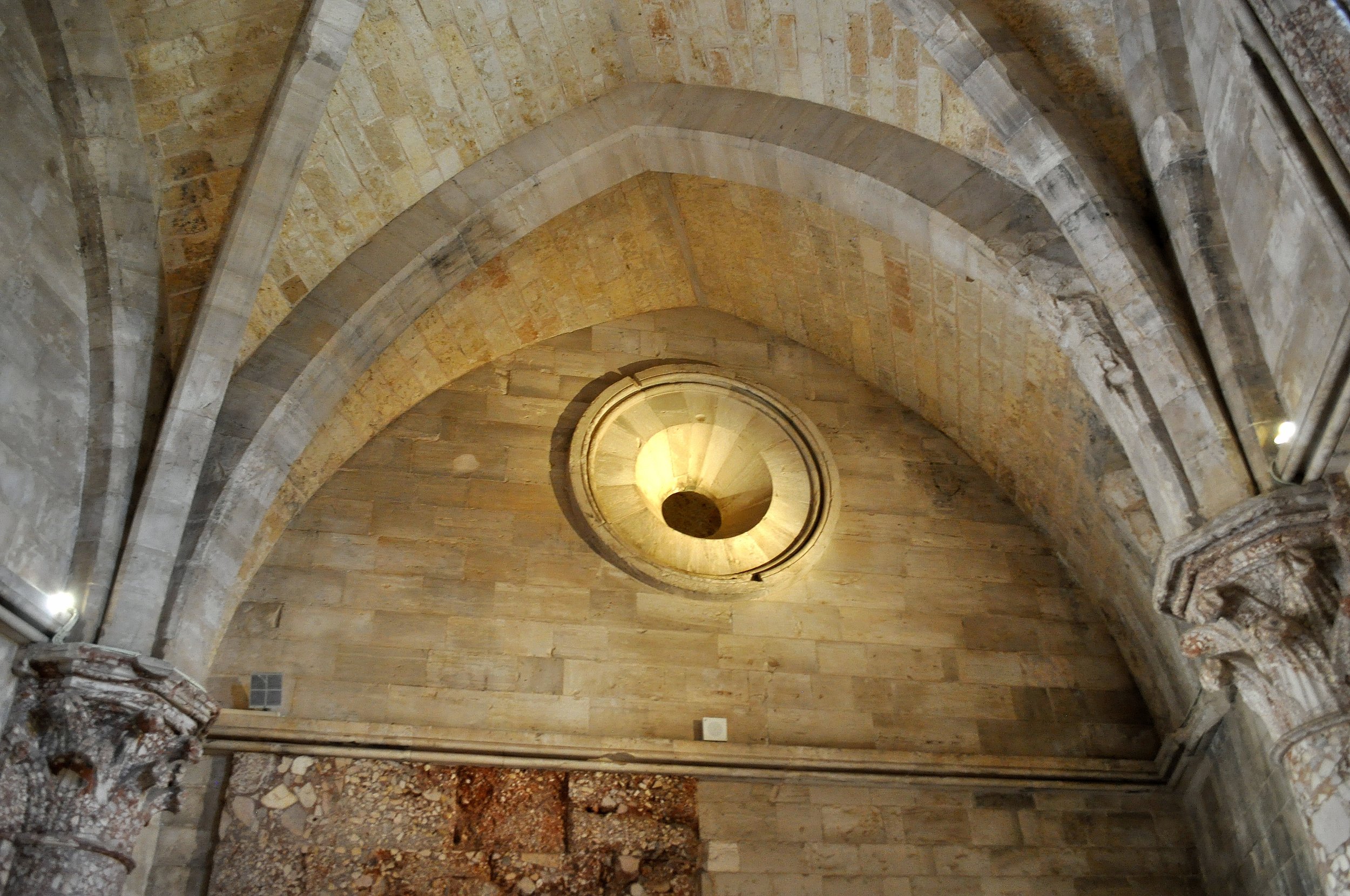
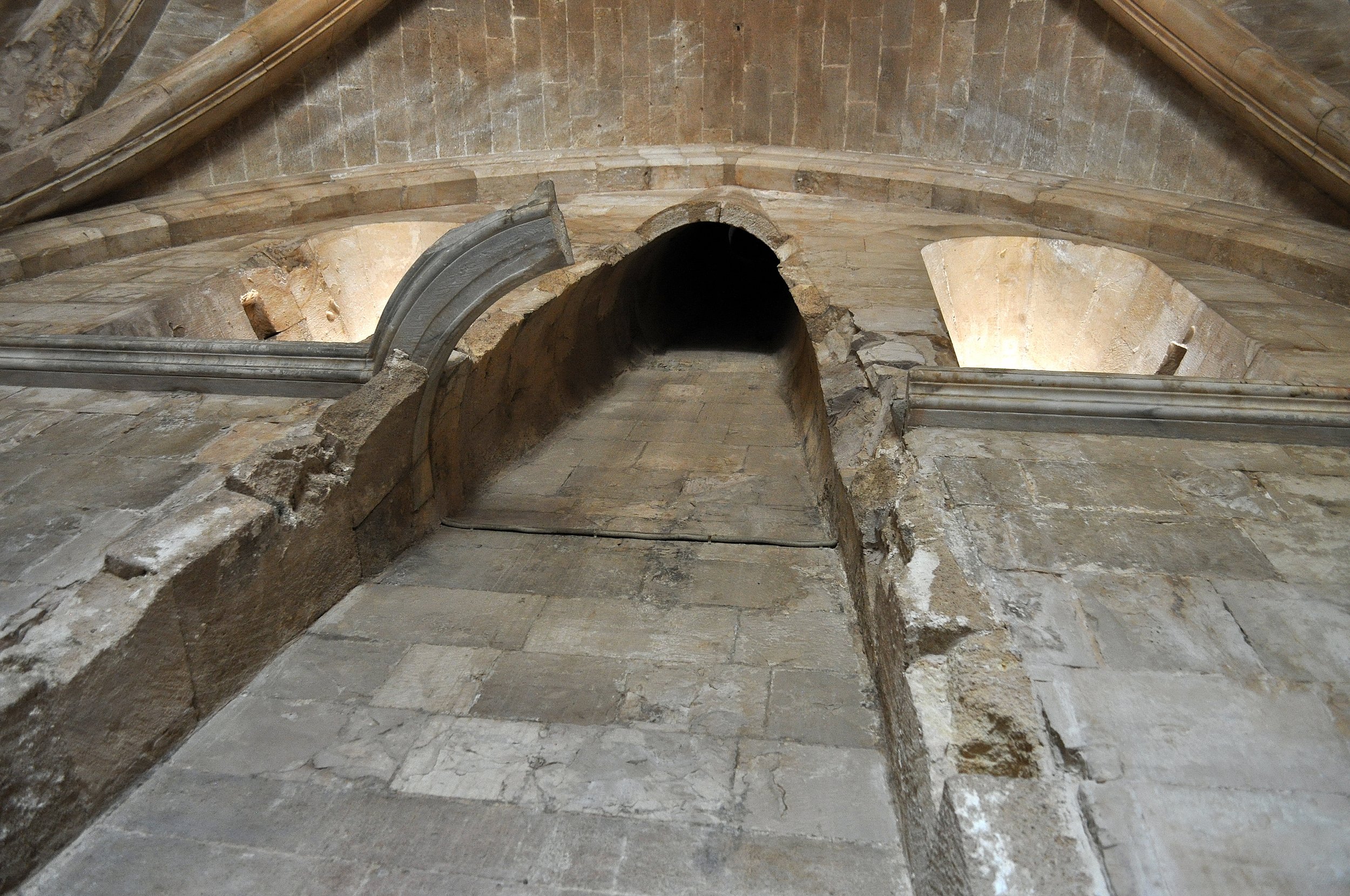
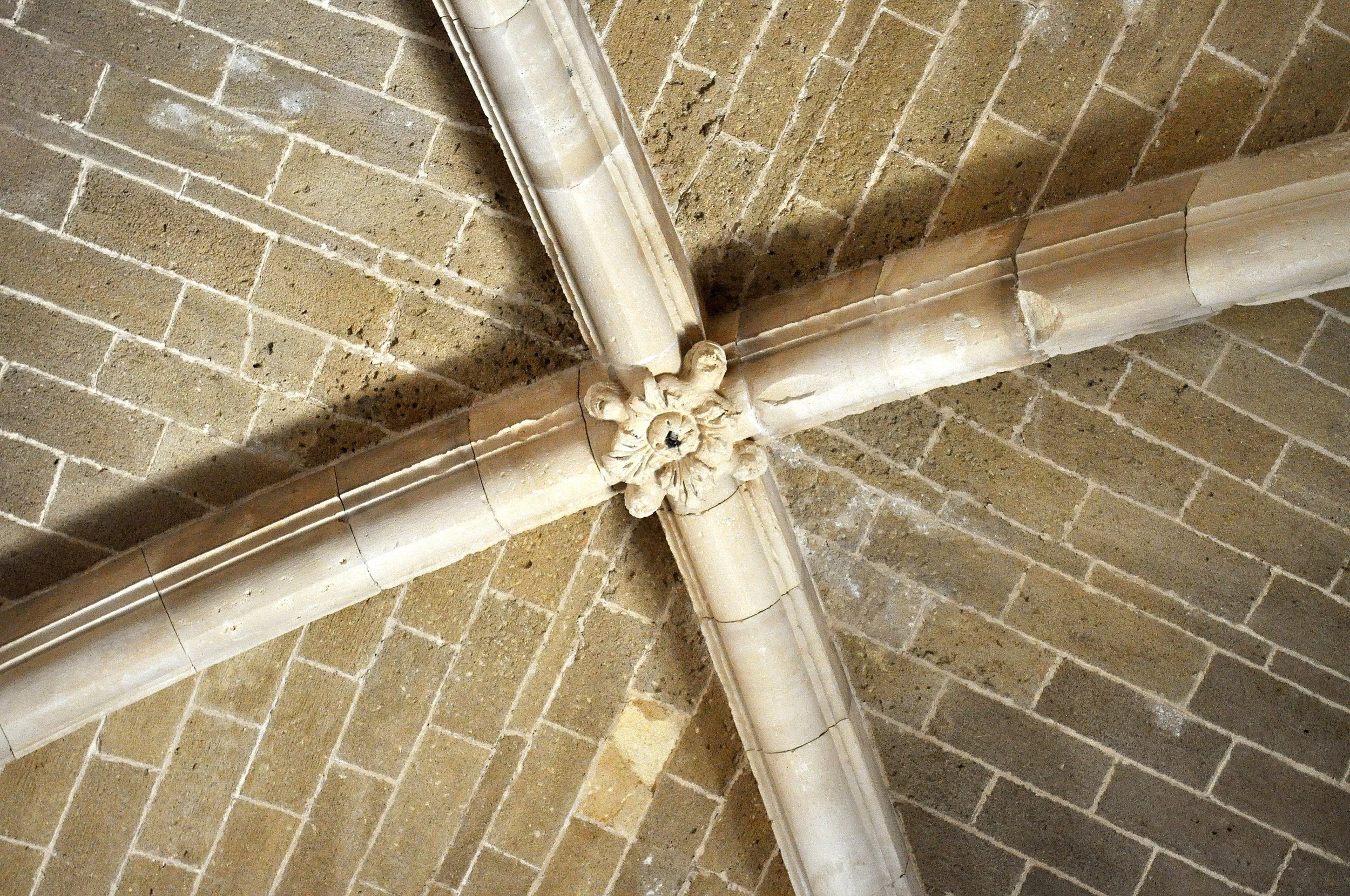
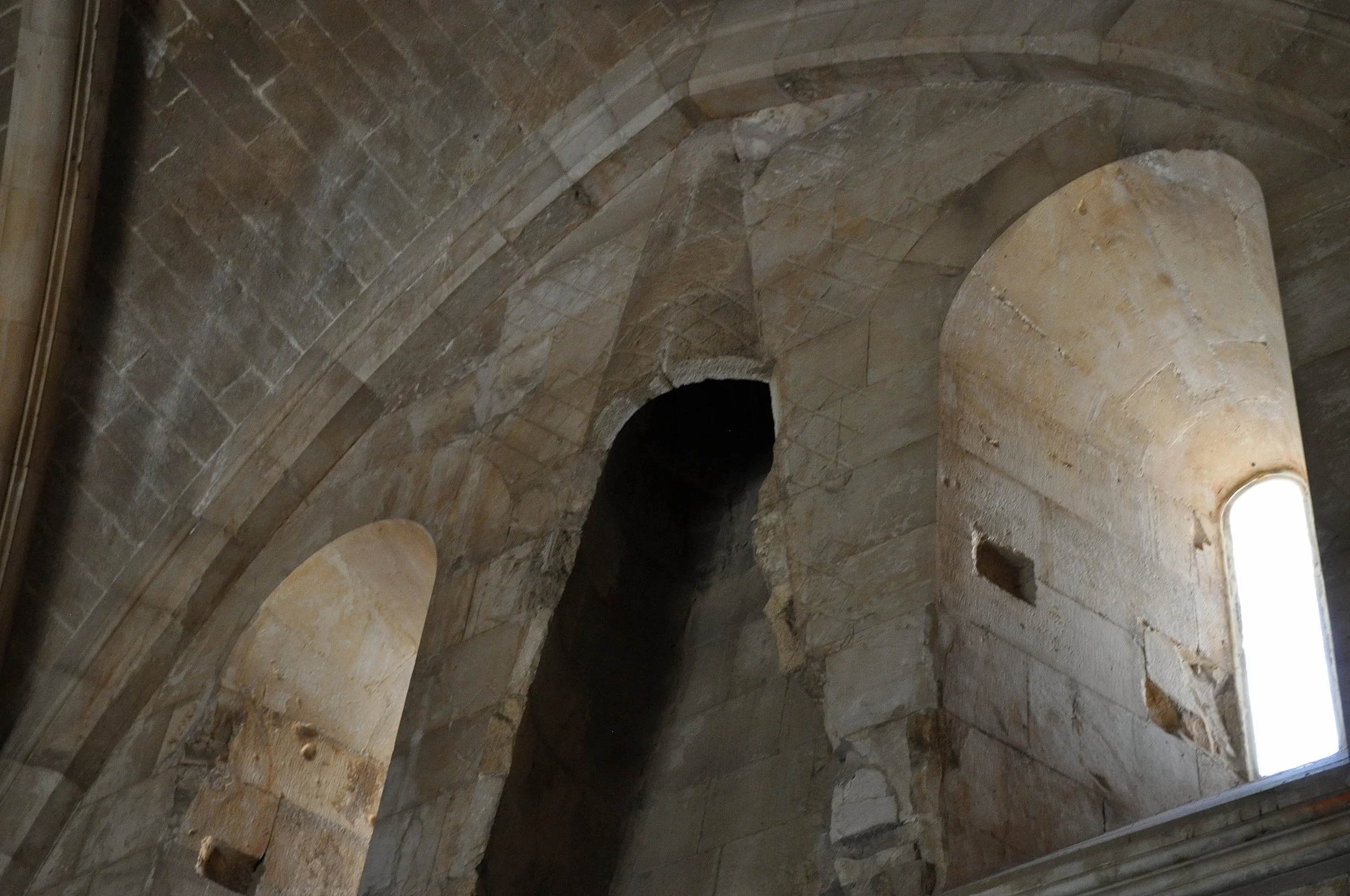
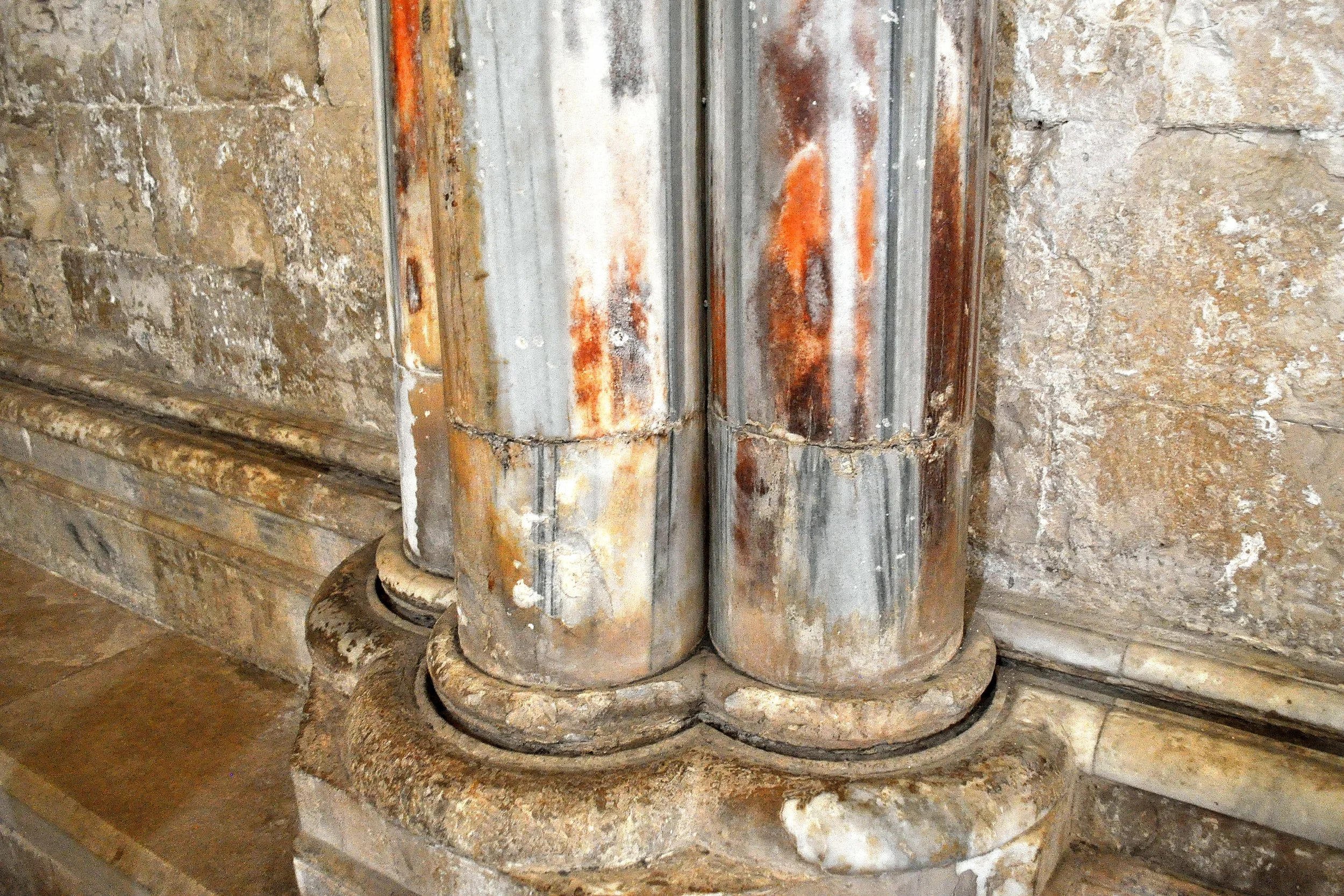
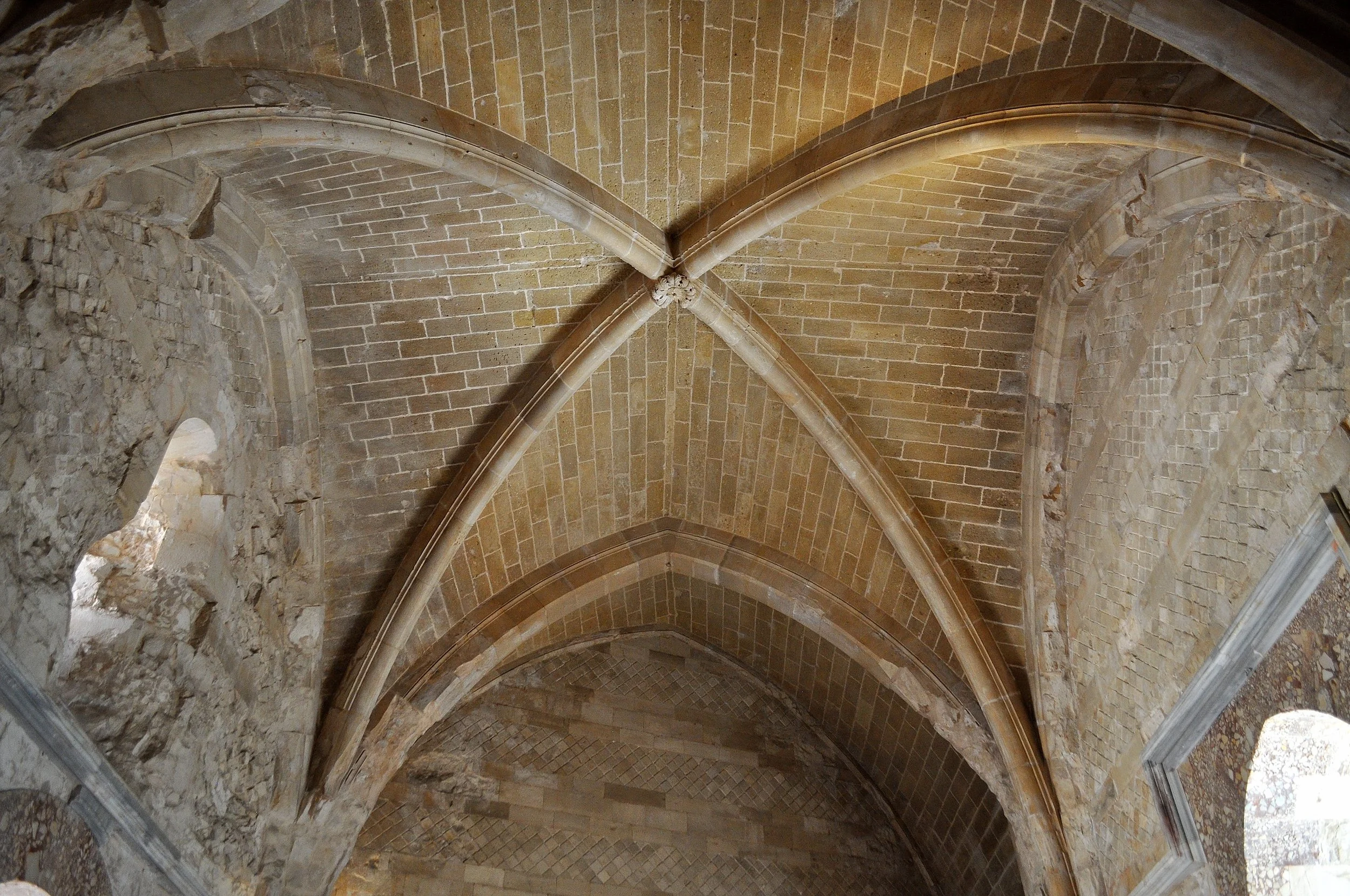
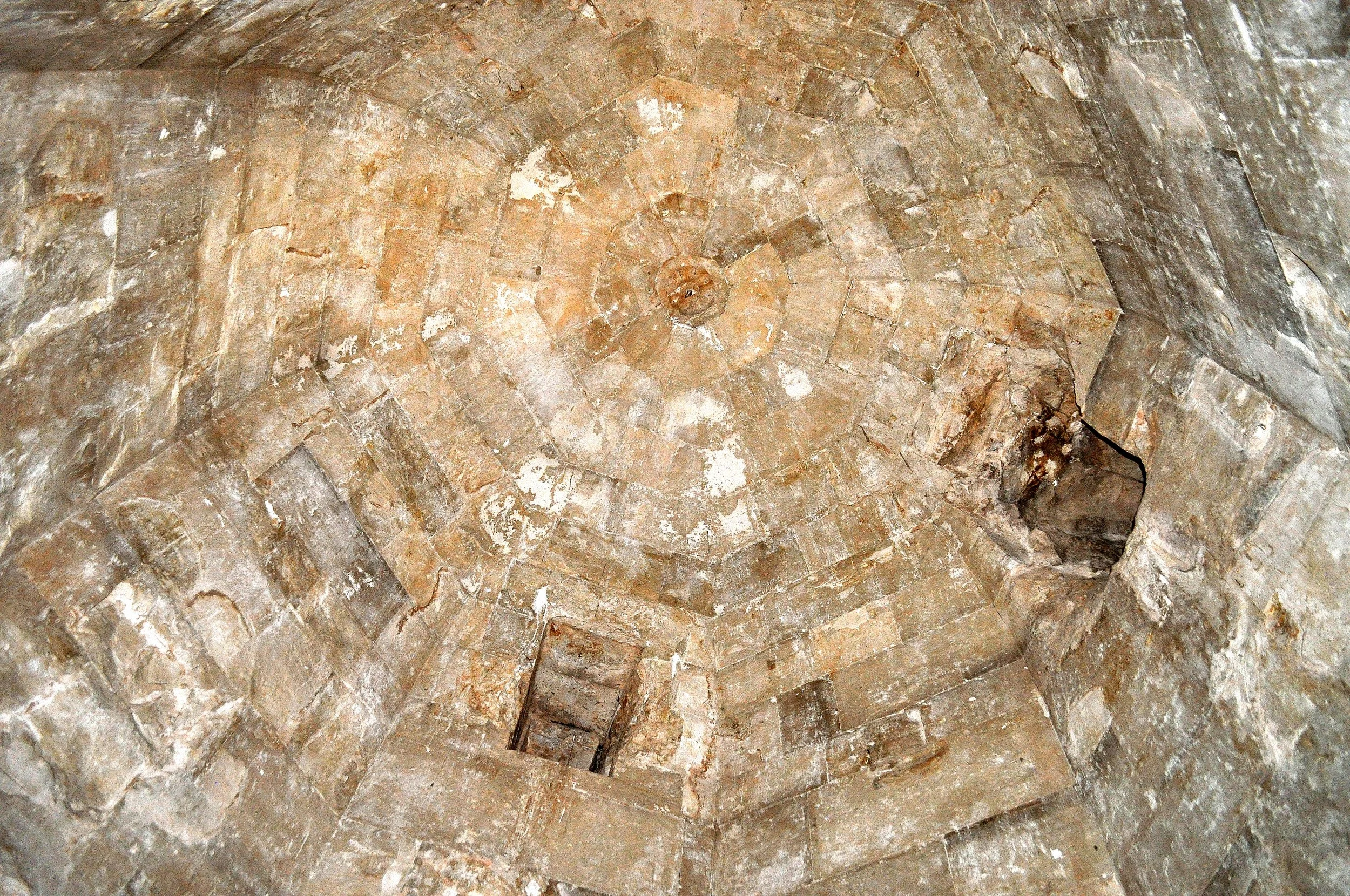
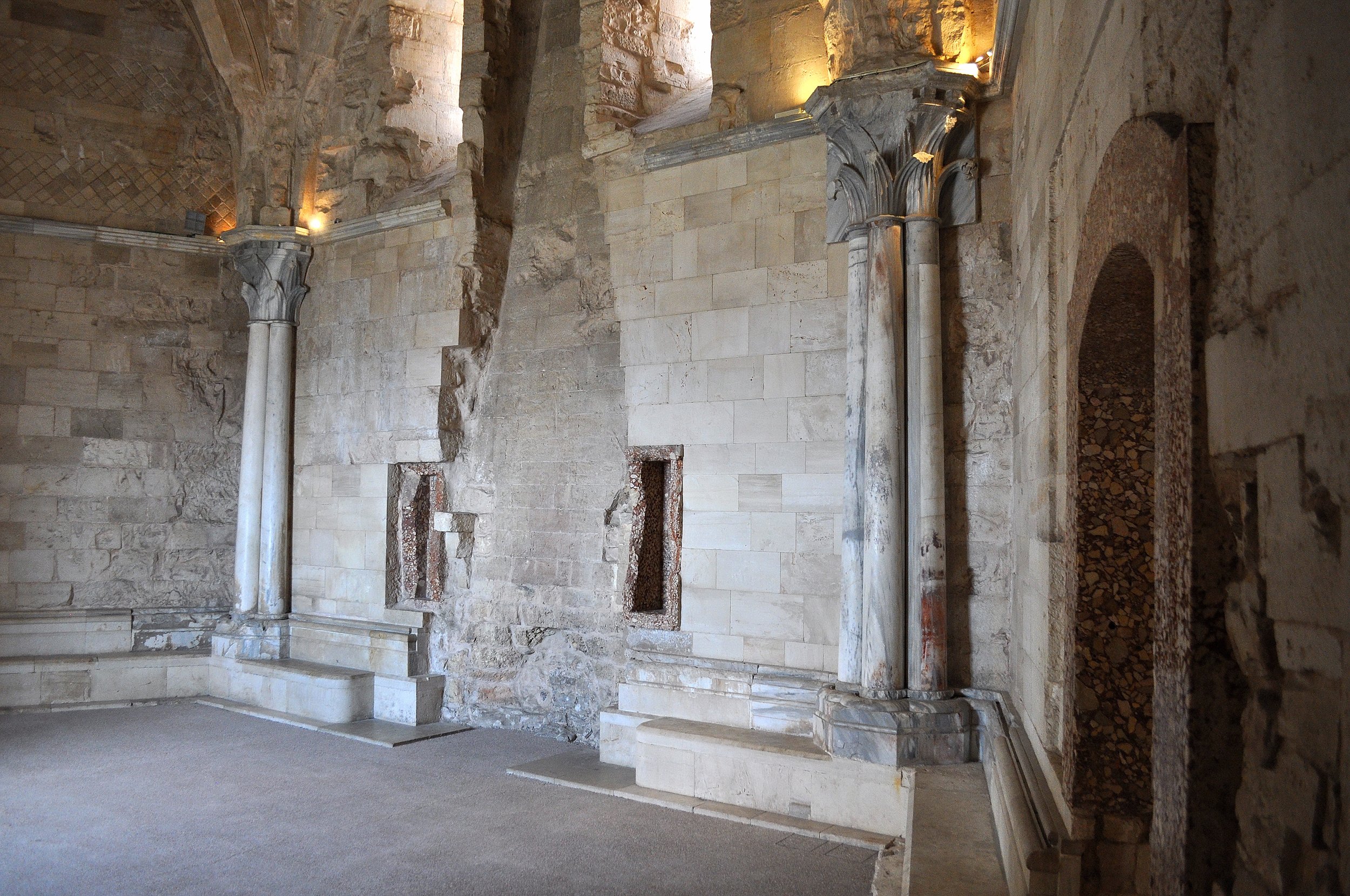
Piero: one of the things that stands out most are the windows.
Angela: beside the openings, we find stone and marble benches, actual seats carved directly into the structure of the rooms.
Piero: let's imagine for a moment someone sitting right here, eight centuries ago, looking out over the landscape.
Angela: outside there were no roads, cars or towns as we know them today. There were hills, countryside and a much quieter horizon.
Piero: the fireplaces are particularly interesting too.
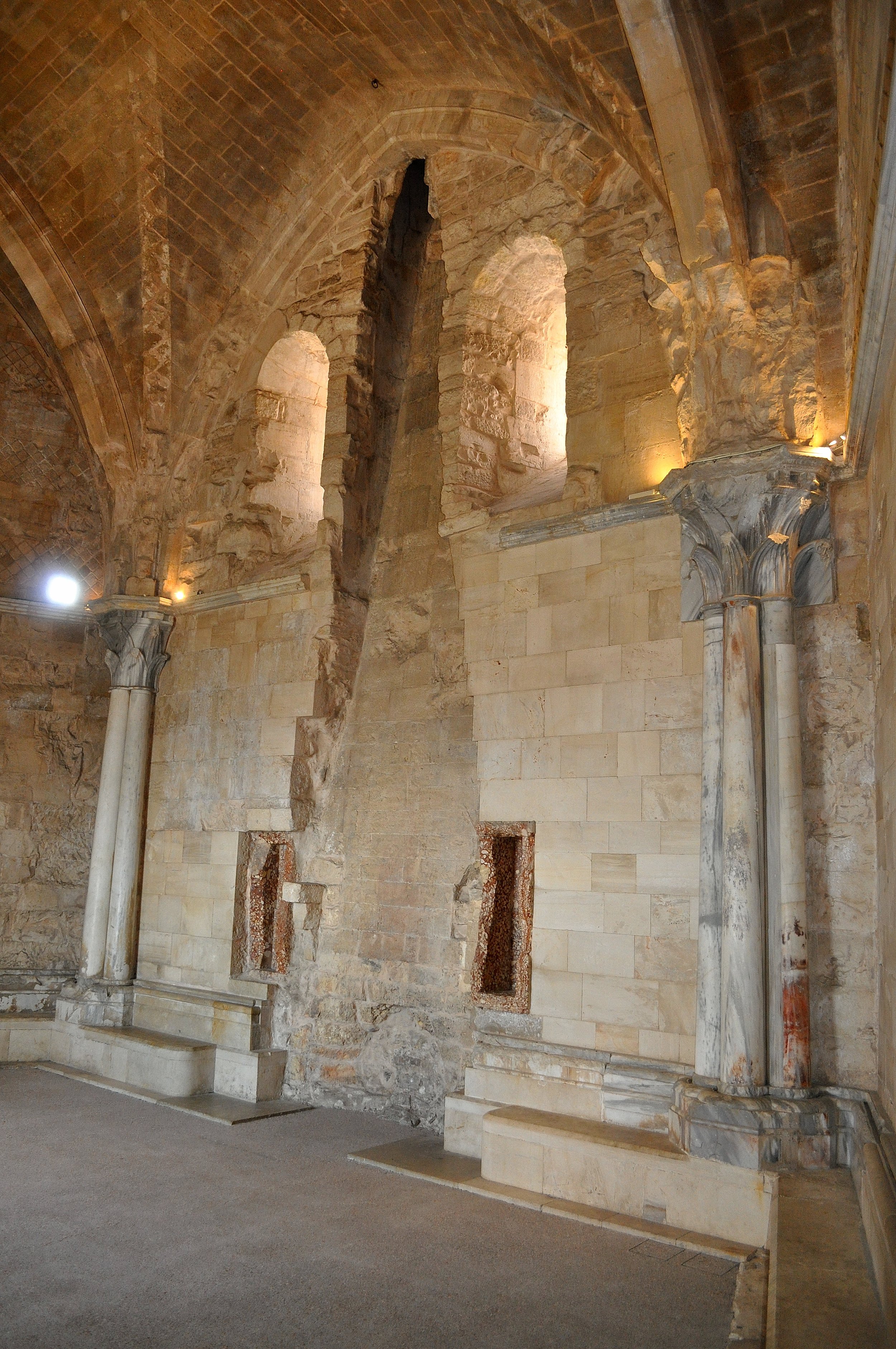
Angela: some rooms were equipped with systems designed to heat them, and the relationship between water, heat and architecture has led scholars to suggest that some of the rooms may also have had a function related to bathing and bodily care.
Piero: a kind of thermal bathing system inspired, at least in part, by the tradition of the Arab hammams.
Angela: another testimony to the extent to which Frederick II's cultural world was open to influences from across the Mediterranean.
Piero: as we continue walking from one room to another, what strikes us most is that we don't find the classic medieval castle we were expecting.
Angela: no great halls filled with weapons, no heavy decorations, no atmosphere of a military fortress.
Piero: here, geometry dominates.
Angela: sunlight enters through the windows, passes through the rooms and changes as we move along the route.
Piero: and every time we pass through a doorway, we find that same search for balance.
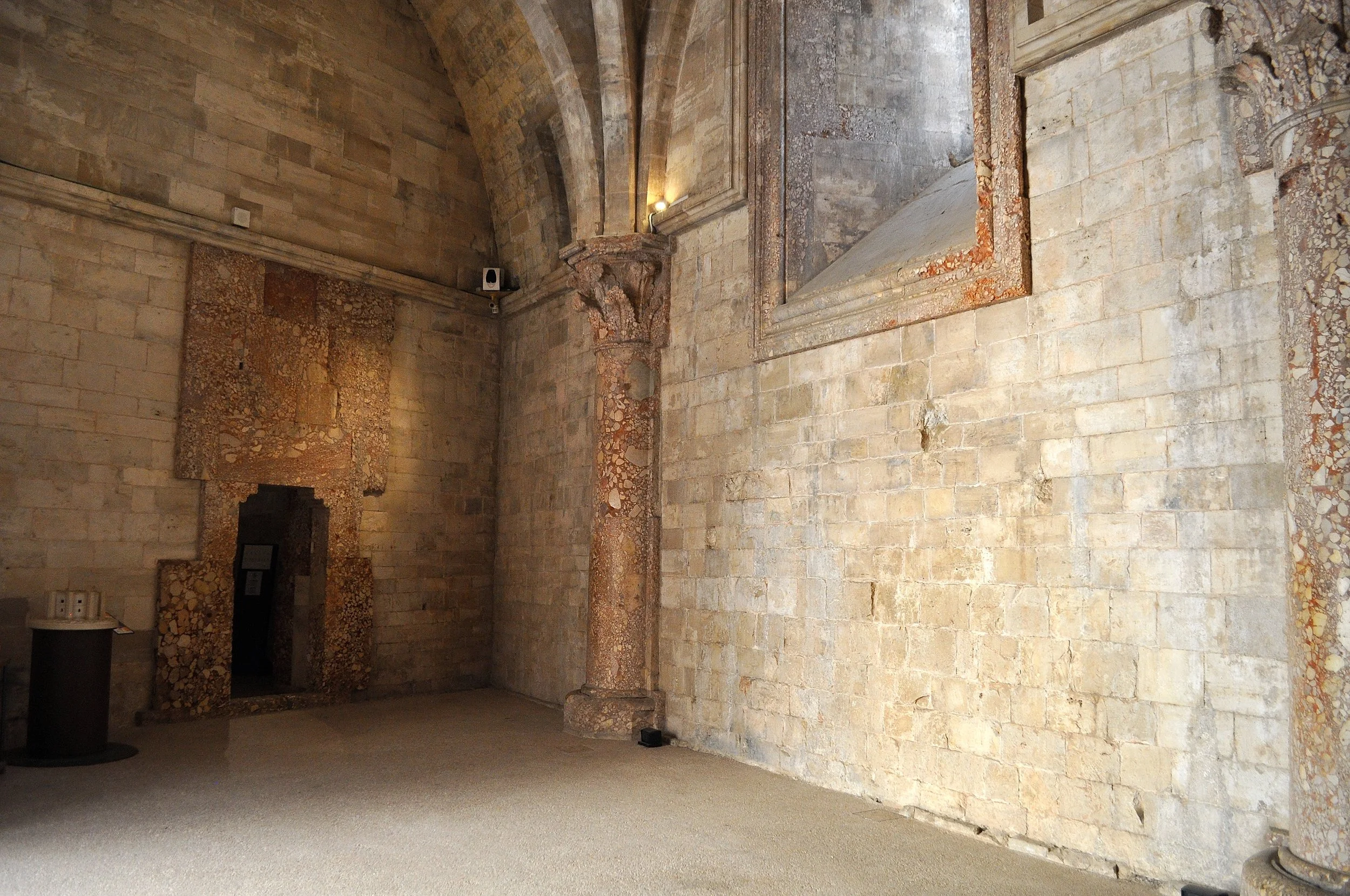
Angela: perhaps it is by slowly walking through these rooms that we can truly understand Castel del Monte.
Piero: not so much by looking at it as a simple castle...
Angela: but rather as a great structure in which architecture, mathematics, nature and symbolism seem to be in constant dialogue.
Piero: and just when we think we've seen everything, all we have to do is step back into the courtyard and look up.
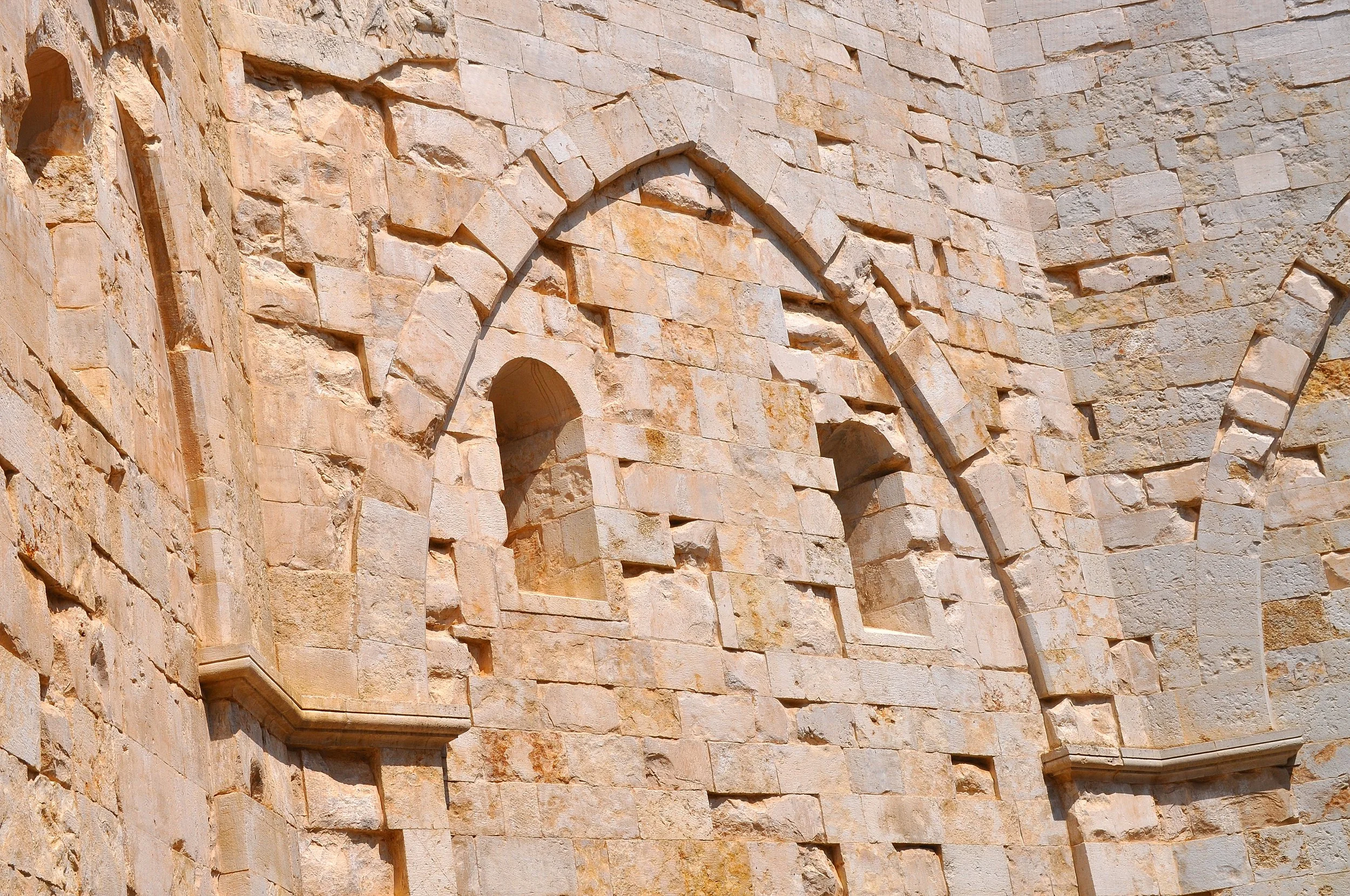
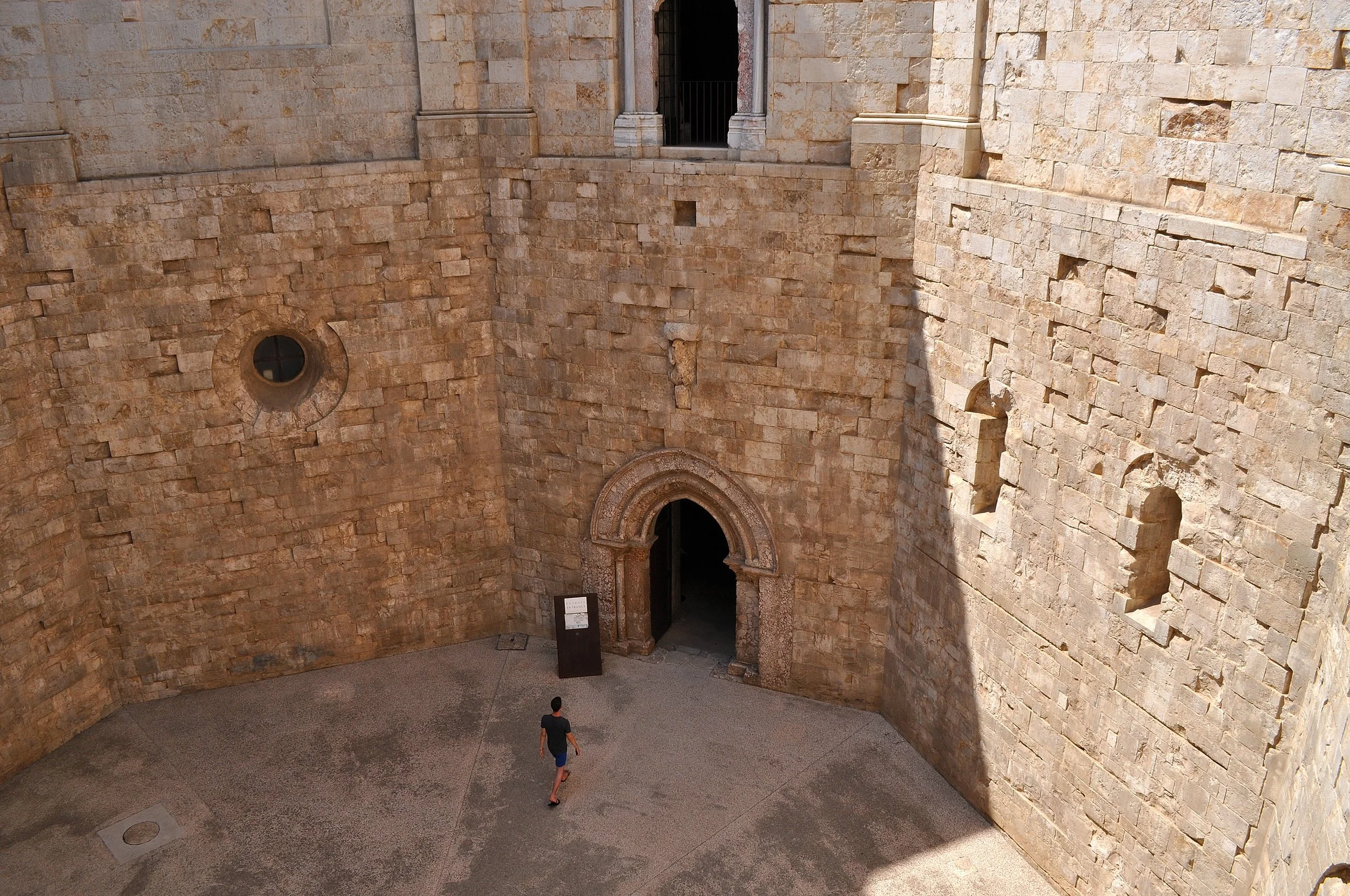
Angela: because the real protagonist is always the octagonal structure.
Piero: eight towers rising towards the sky, connected by the castle's two levels.
Angela: and all around us, the Murge landscape of Puglia.
Piero: perhaps this is the moment when we finally understand why this particular location was chosen.
Angela: the castle isn't simply sitting on the hill. It almost seems to belong to the landscape.
Goodbye!
Piero: at the end of our visit, we step back outside and look at Castel del Monte from a distance.
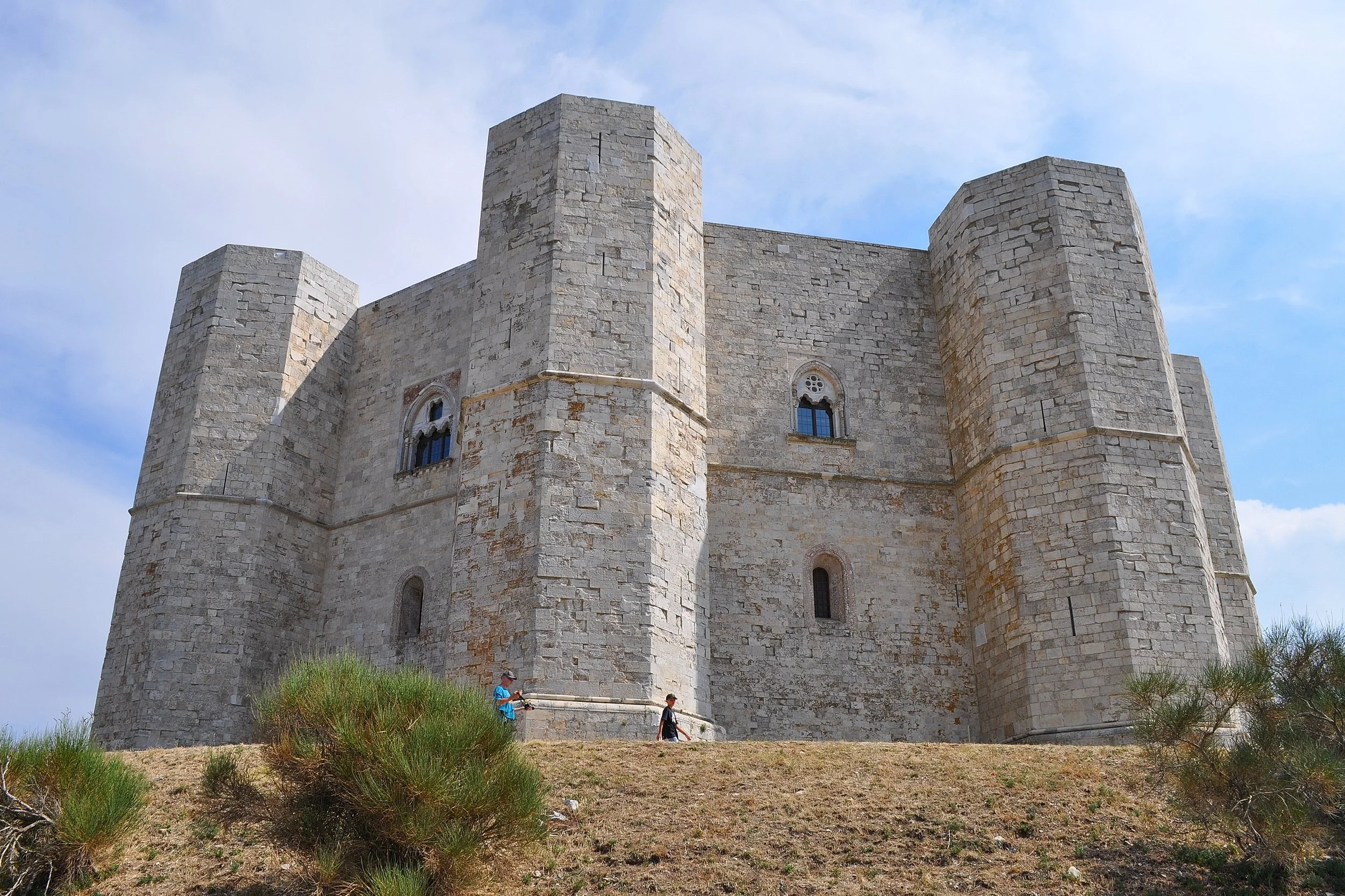
Angela: and it almost seems different from when we first arrived.
Piero: perhaps because now we know a little of its history.
Angela: we know who commissioned it, we know about the many questions that still surround it and, above all, we've walked through those rooms trying to imagine what it must have been like eight centuries ago.
Piero: ours was just a small detour from our journey through the Gargano.
Angela: but it was a detour that took us to one of the most fascinating places in Puglia.
Piero: so, if you're travelling between the Gargano, Bari and the northern part of the region, make sure to include Castel del Monte in your itinerary.
Angela: and if you can, take a guided tour. Because here, every door, every window, every number and every proportion can tell a story.
Piero: as for us, we'll also tell you about it through our images.
Angela: in our short video, we've collected some of the highlights of our visit.
Piero: so make yourselves comfortable...
Angela: and come with us to discover Castel del Monte.
Piero: enjoy the video and...
Angela: enjoy your travel!