
Olympia, where sport becomes myth
Olimpia is the symbolic heart of both the ancient and modern Olympic Games. Among temples, the stadium, and sanctuaries, this archaeological site tells the story of the Games’ origins, held every four years in honor of Zeus. Even today, the Olympic flame is lit here. From the Philippeion to the stadium with its original starting line, and the archaeological museum, Olympia brings together sport, religion, art, and memory in a timeless place.
Piero: the Winter Olympic Games have started right near home, and so my mind goes back to a wonderful experience from a few years ago.
Angela: I imagine you’re thinking of Olympia!
Piero: exactly! We went there many years ago, as a stop on a cruise, since it’s in an area off the more well-known and frequented tourist routes.
Angela: Olimpia is one of those places you don’t just visit: you listen to it and experience it fully.
Piero: here time doesn’t run, as if it knows that every step must be taken with respect. We are in a green valley, quiet, far from the sea, yet at the center of the ancient world.
Angela: it’s strange to think that today, while the world watches the modern Olympics, it all began right here, in this simple, sacred, human space.
Piero: Olimpia is not a city, it never was. It is a sanctuary, and like all sacred places, it asks to be traversed slowly.
The Birth of the Games
Angela: we are in the western Peloponnese, in the region of Elis. We reach it from the port of Katakolon, from which Olimpia is about half an hour away. According to tradition, the Olympic Games begin in 776 BC.
Piero: but the history is even older. Before sport, there was worship: Olympia was dedicated to Zeus, the father of the gods.
Angela: and the two things remain indissolubly linked: the Games were born as a religious celebration. Not just competition, but a rite, with athletic events in honor of Zeus.
Piero: and they were so important in ancient history that during the Games the ekecheiria, the sacred truce, was proclaimed. Wars would stop so that athletes and spectators could travel safely. Today, the Olympics maintain the spirit of unity in competition, but they are a purely sporting event of enormous visibility.
Angela: a powerful idea, even today. For a few days, men put aside violence to measure themselves.
Piero: and there is another strong connection between the ancient and the modern that still passes through here: even today, the Olympic flame is lit right in Olimpia.
Angela: a ceremony that recalls the gestures of antiquity. The priestesses, dressed in tunics inspired by the Greek world, use the sun’s rays and a parabolic mirror.
Piero: the fire is born without artifice, as a symbol of purity, and from here begins its journey to the city hosting the Games.
Angela: a flame that crosses countries and continents, but reminds everyone of a single origin.
Piero: winners back then did not receive gold medals, but a crown of wild olive. Above all, athletes earned glory, which was eternal, not material.
Angela: the Games were held every four years, with a regularity so important that it became a system of measuring time.
Piero: the Olympics marked the epochs: people used Olympiads to date historical events.
Angela: the competitions were few at first, then increasingly complex. Foot races over various distances, and the pentathlon with long jump, discus throw, javelin, and wrestling.
Piero: and then the toughest disciplines: boxing and pankration, up to the spectacular chariot races in the hippodrome.
Angela: it all lasted several days, with races, sacrifices, processions, and festivals.
Piero: after centuries of history, the Games were abolished in 393 AD by the Roman emperor Theodosius.
Angela: we have to wait until 1896 for the Olympic idea to be reborn, with the first modern Olympics in Athens.
Piero: even today they are held every four years, maintaining that ancient rhythm that continues to link the present to the origins.
Angela: women were forbidden to participate and even to attend the Games.
Piero: it’s true, except for one: the priestess of Demeter, who had a place of honor. At least in this, the modern Olympics have improved.
Discovering Olimpia: the Sanctuary, the Stadium and the athletes’ places
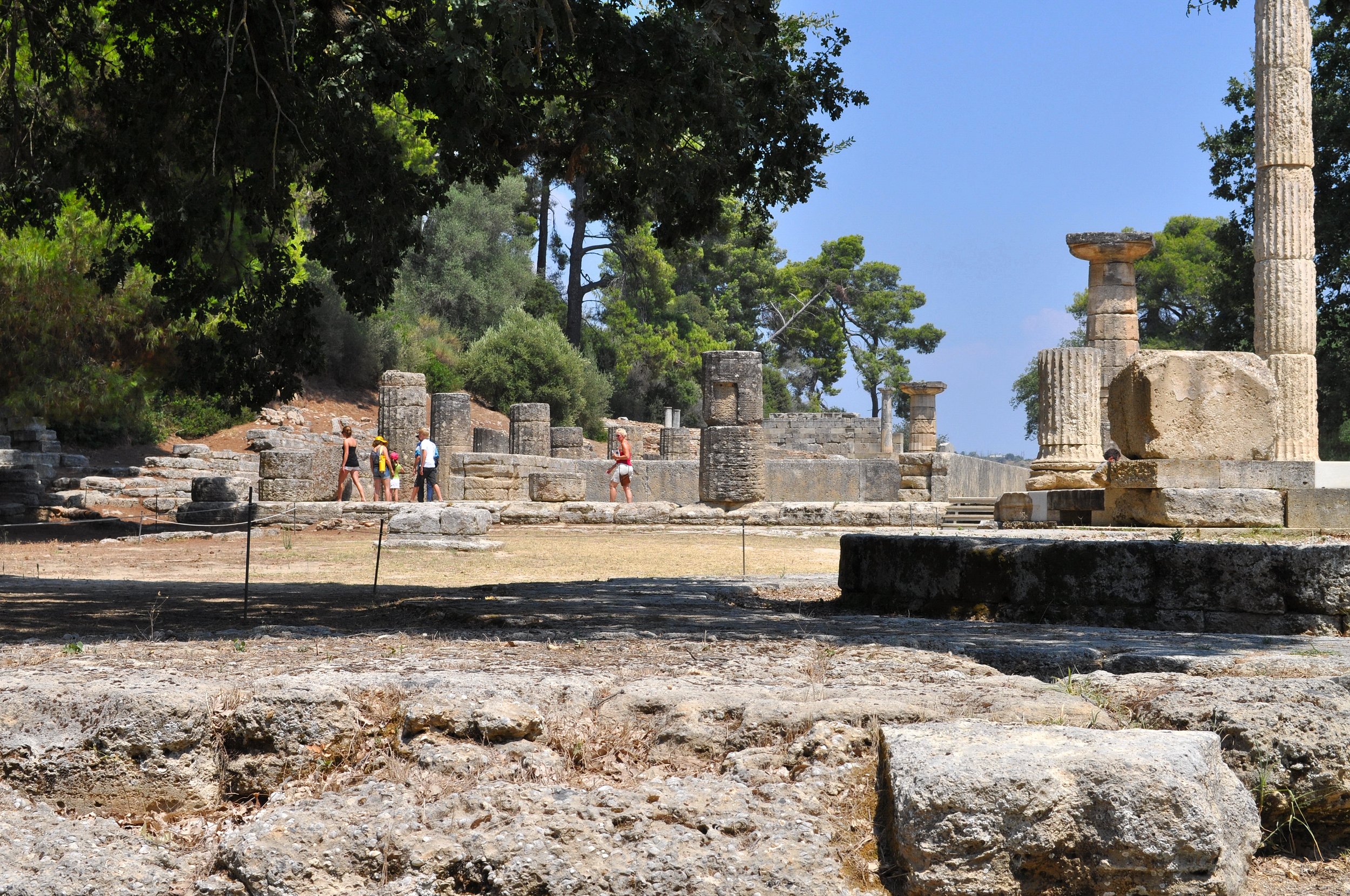
Angela: let’s enter the Altis, the sacred enclosure. Here everything speaks of devotion and memory.
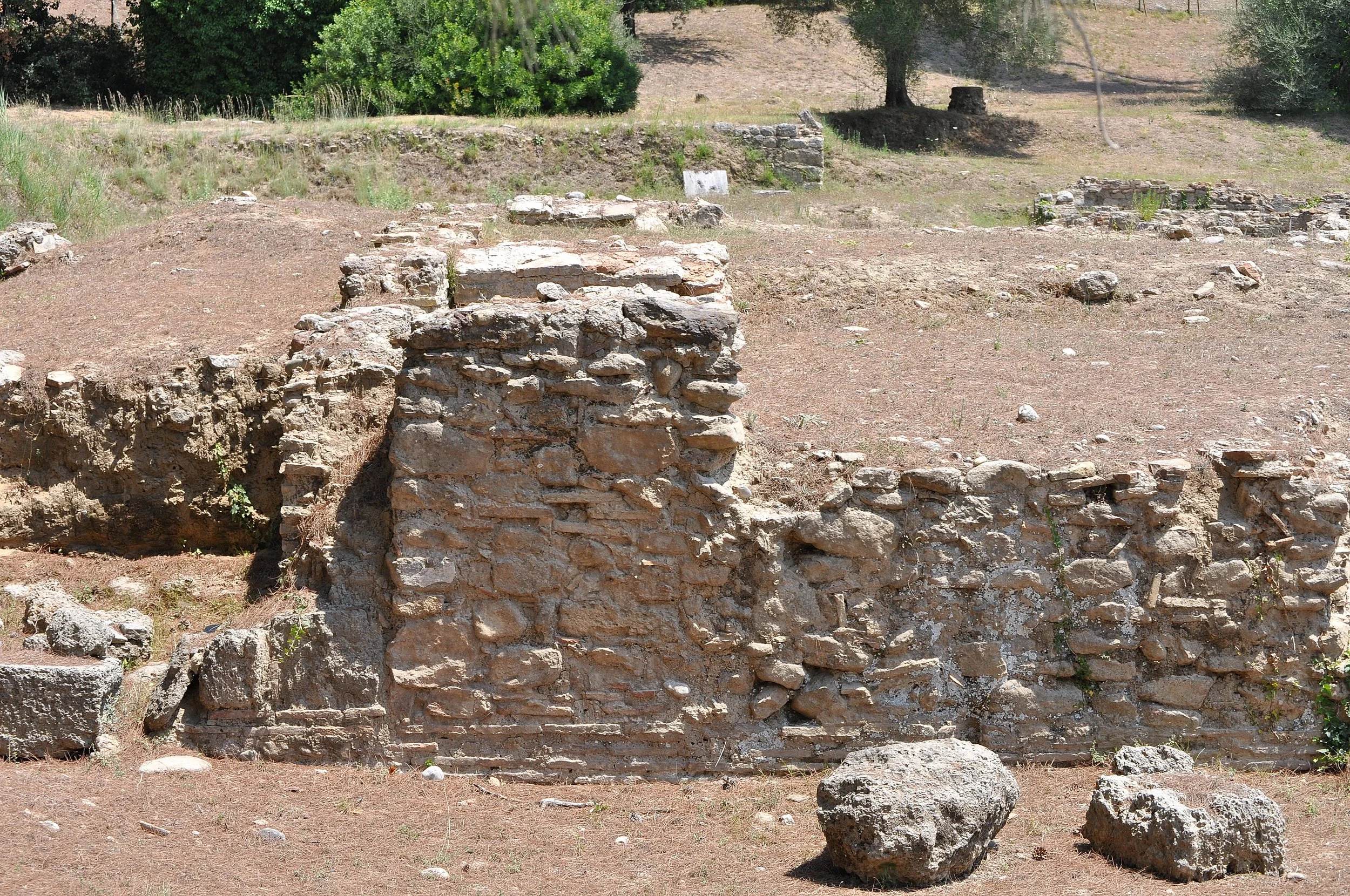


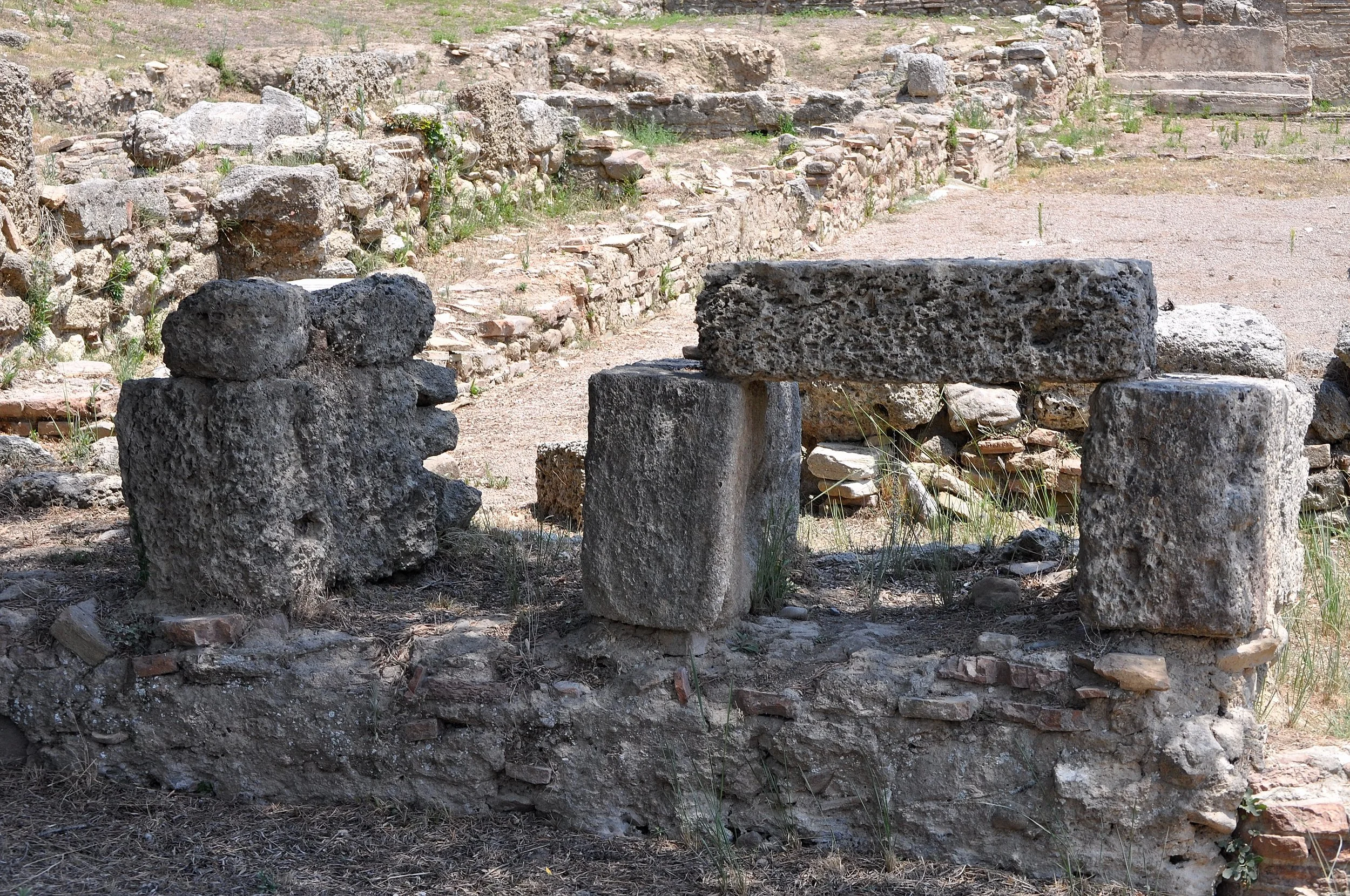

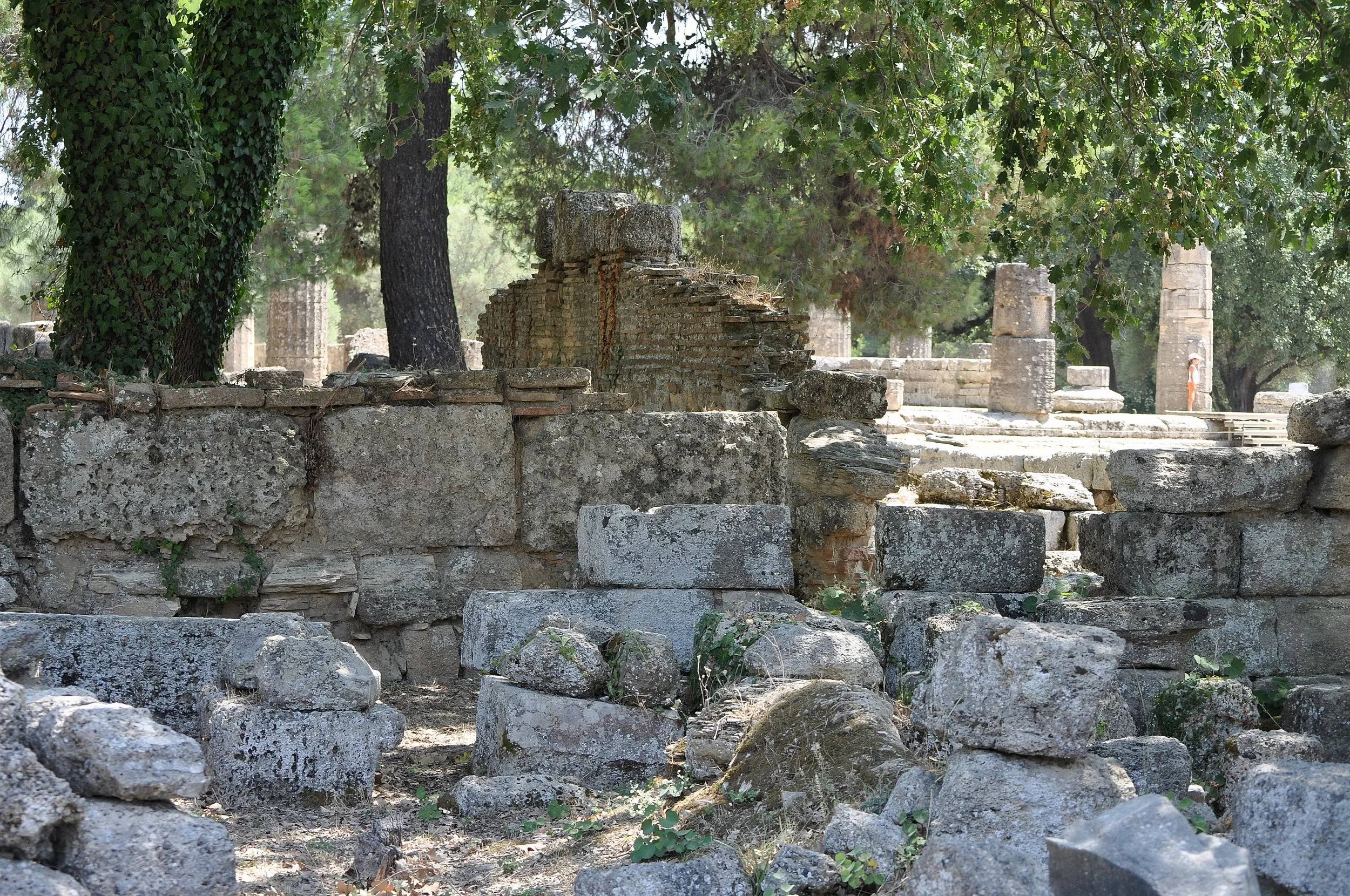
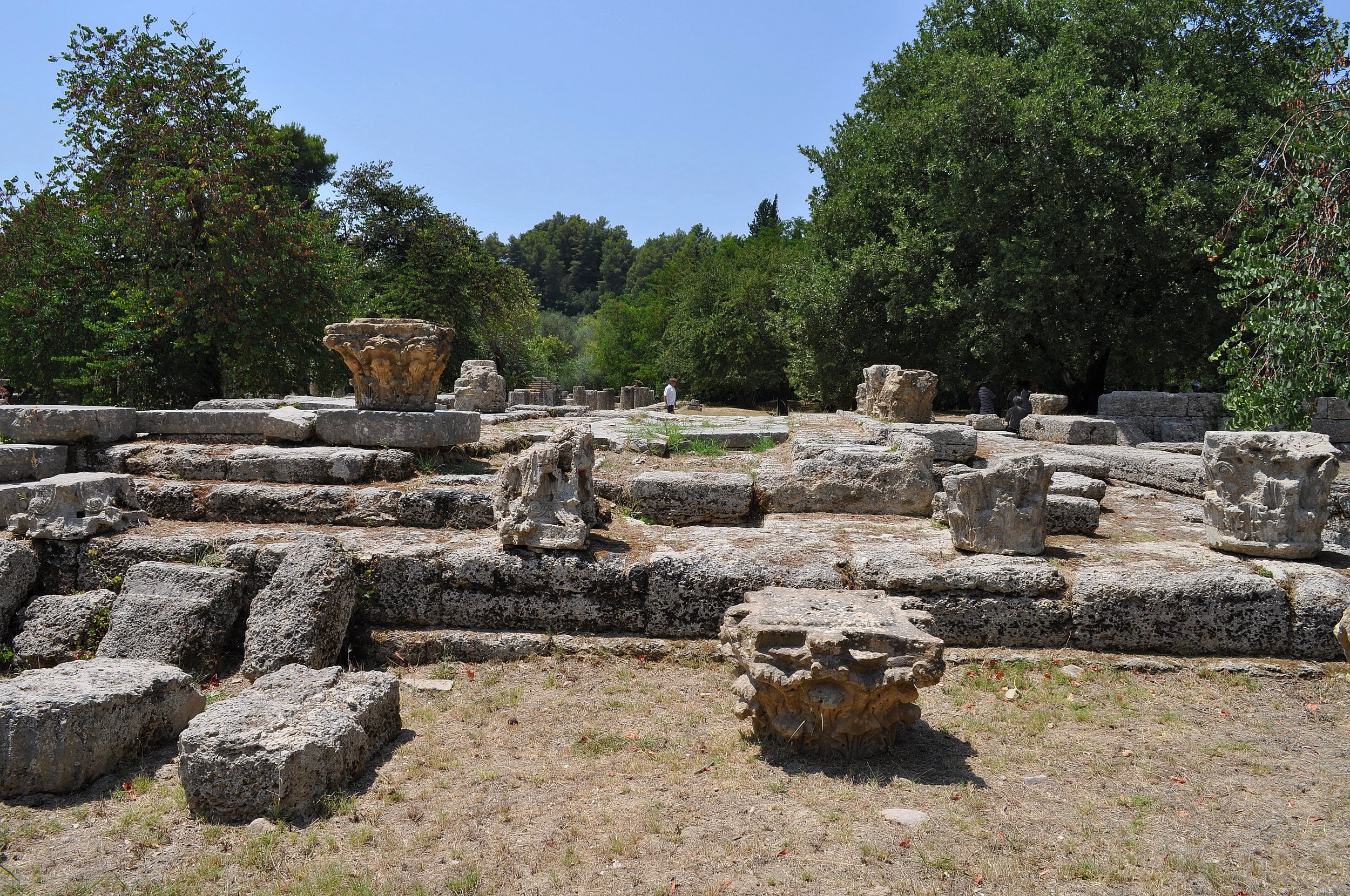

Piero: in front of us are the ruins of the Temple of Zeus, one of the largest in the Greek world.
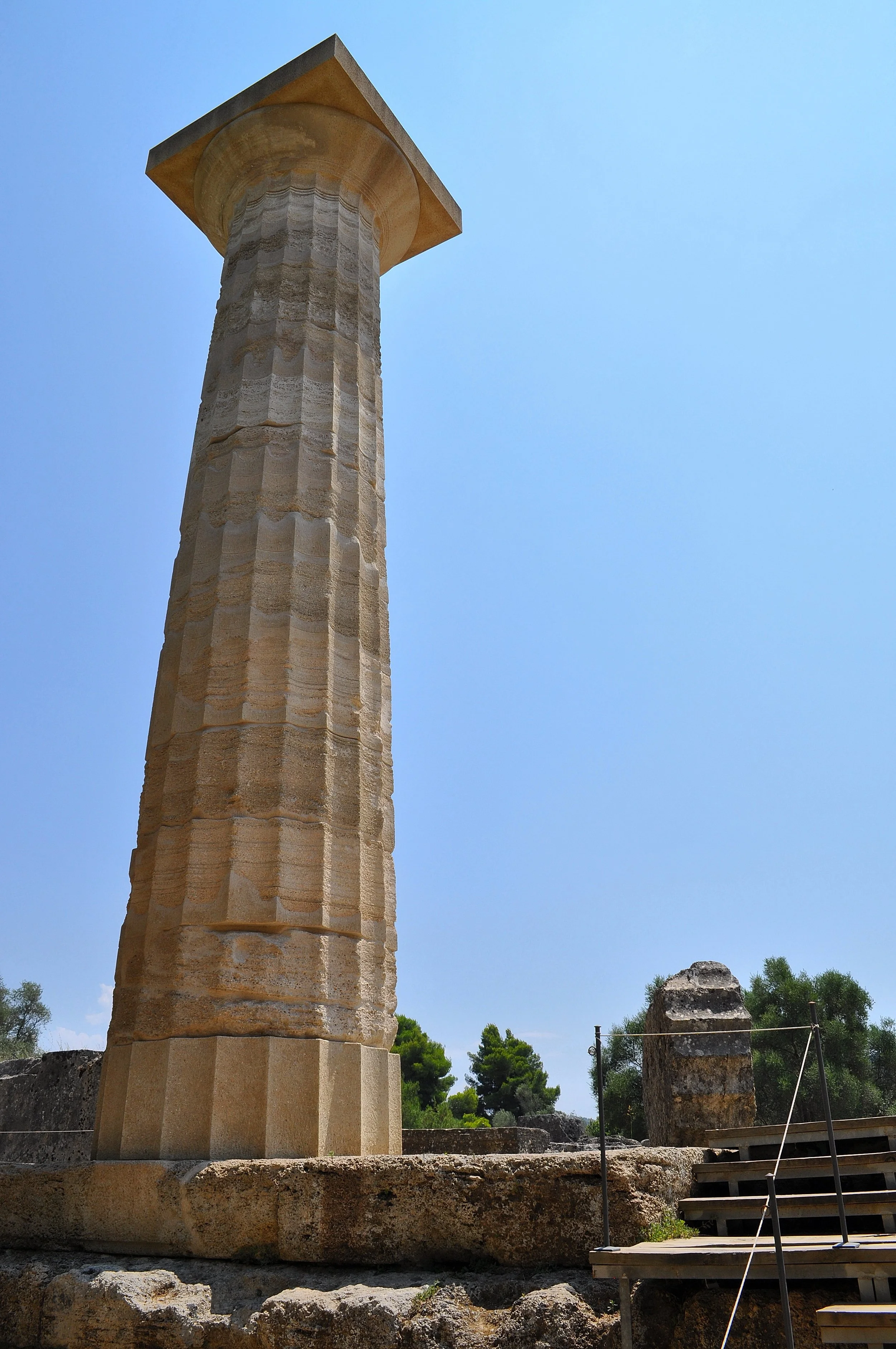
Angela: inside it stood one of the Seven Wonders of the Ancient World: the chryselephantine statue of Zeus, created by Phidias.
Piero: gold and ivory, over twelve meters tall. Zeus seated on his throne, so imposing that one would fear that if he stood up, he might break through the roof.
Angela: today only the imprint of the temple remains, but imagination does the rest.

Piero: the path opens up and the ground becomes a track. We are in the stadium.

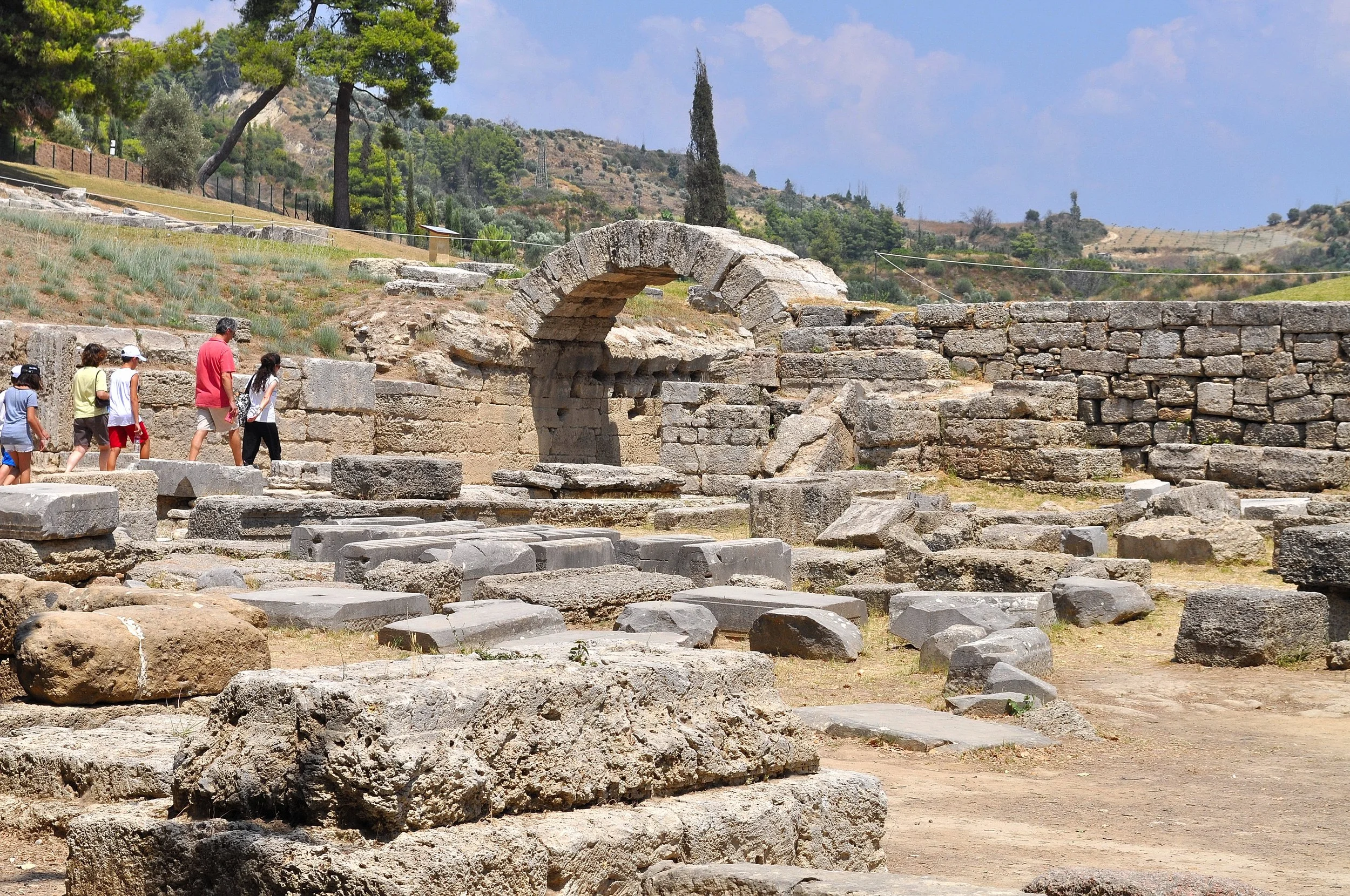
Angela: no stone terraces, only grassy slopes. Up to forty thousand spectators would crowd here.
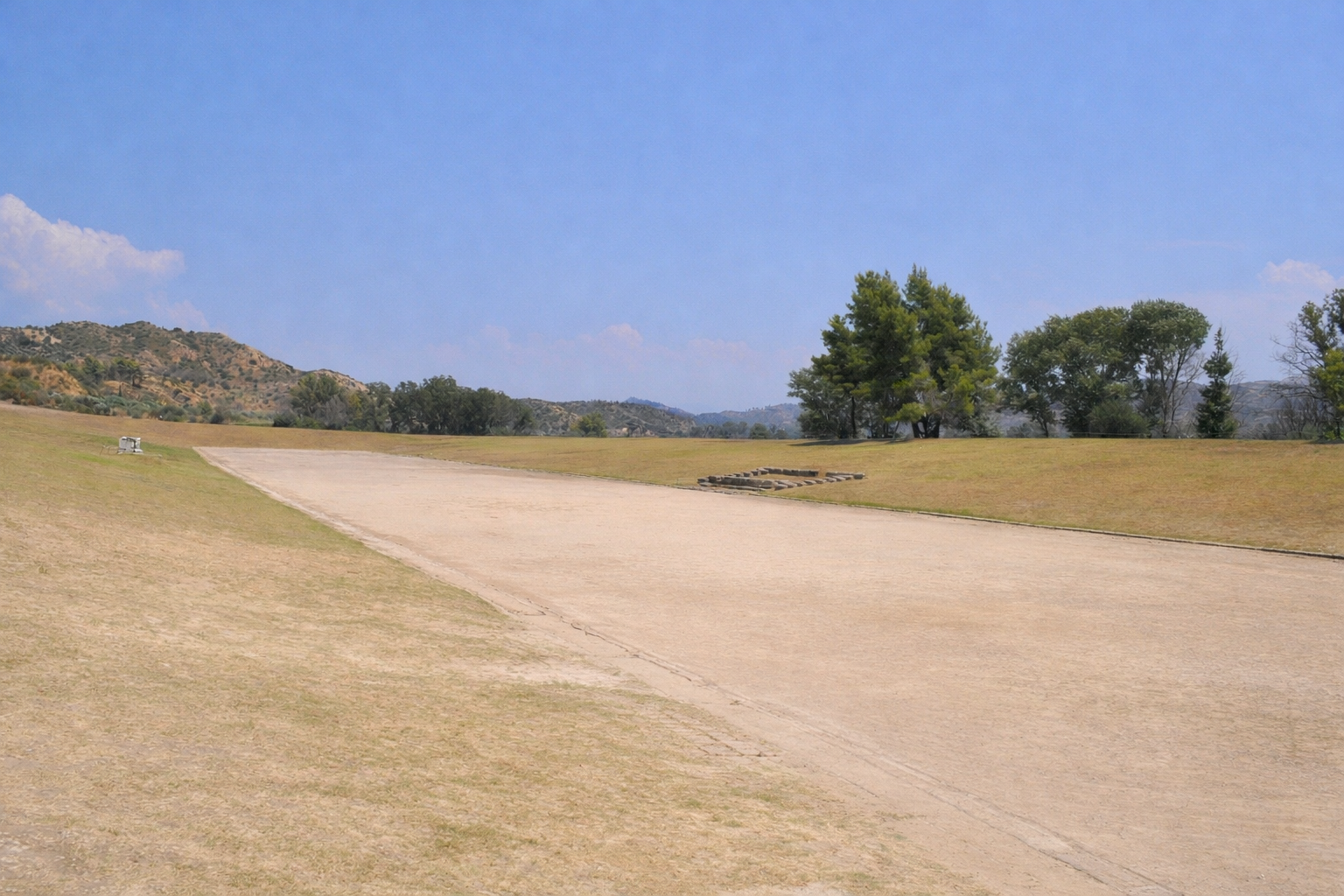
Piero: the track is about 192 meters long: one stadion. This is where the word "stadium" comes from.
Angela: the starting line is still there, a simple stone threshold.
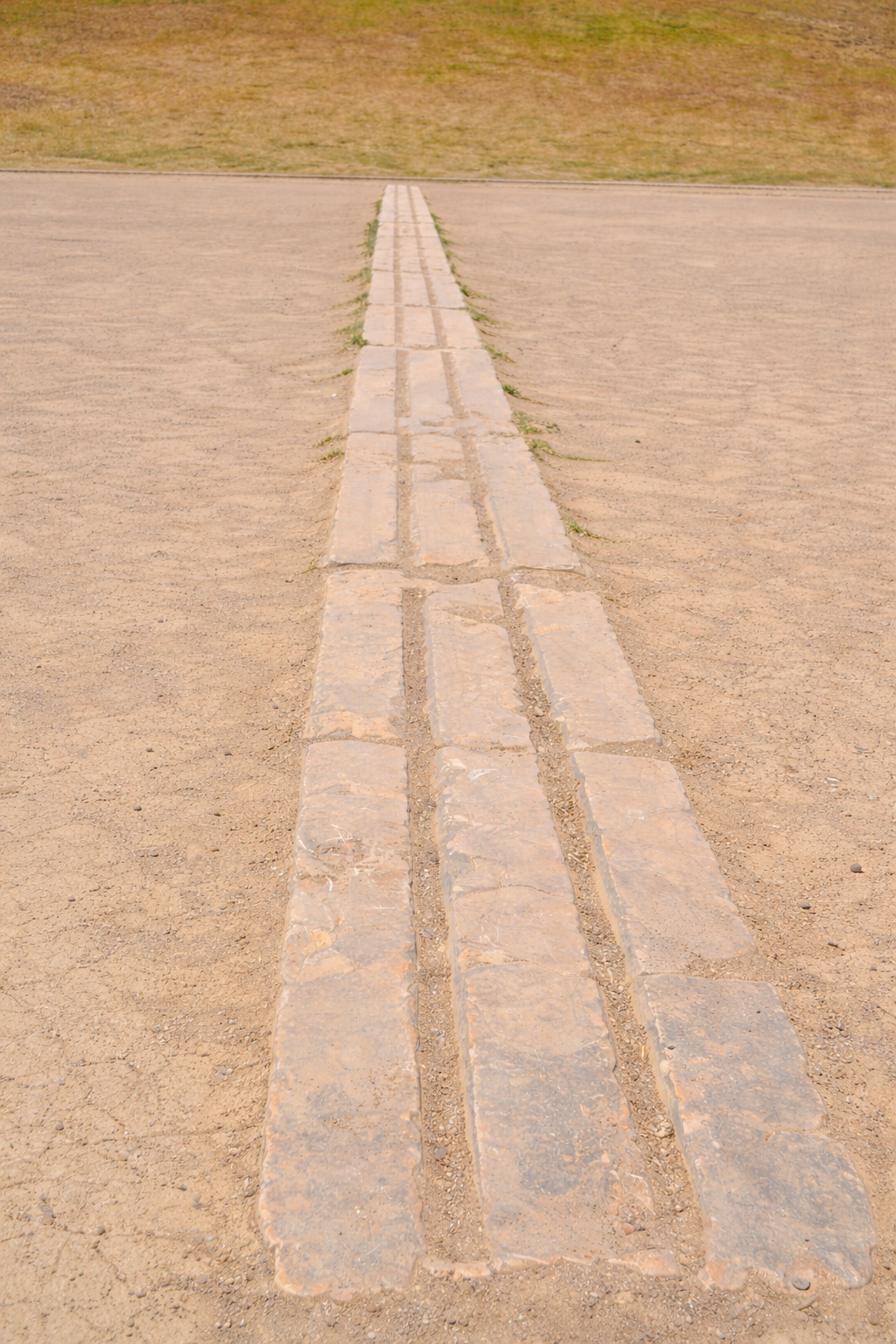
Piero: standing on that spot gives an unexpected shiver. In front of you, the space stretches out, behind you, you feel the weight of centuries of waiting.
Angela: it’s easy to imagine the athletes standing still, the absolute silence, the heart racing before the sprint.
Piero: it’s not just an archaeological site. It’s a suspended moment, repeating itself for more than two thousand years.
Angela: the athletes competed naked. A tribute to the perfection of the human body.
Piero: running here today feels almost instinctive. Just a few steps are enough to hear the echo of the competitions.
Angela: but before the race, there were the palaestra and the gymnasium.


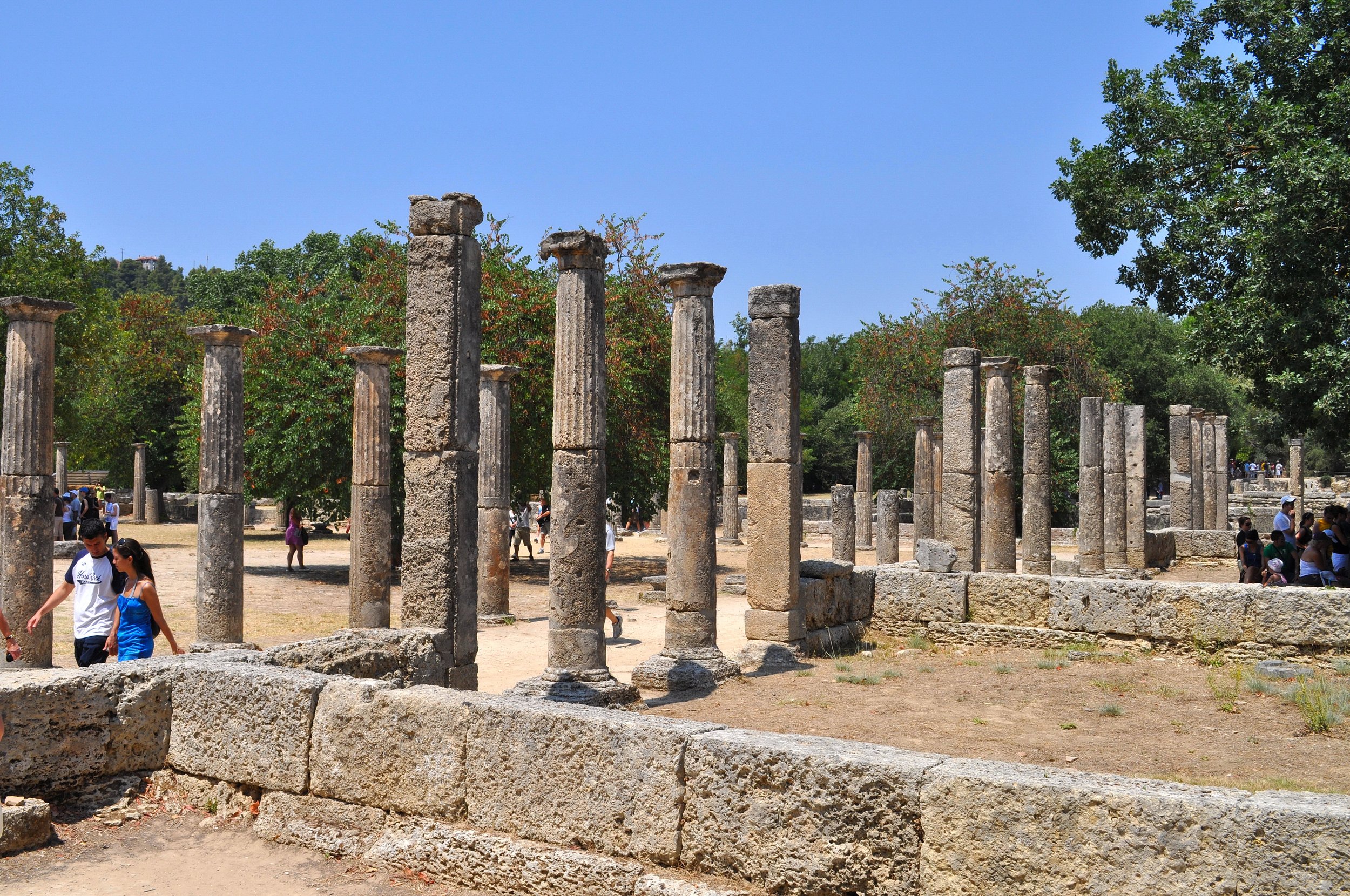

Piero: places for training, but also for meeting: here philosophers, coaches, and young athletes gathered.
Angela: sport as a complete education: body and mind.
Piero: and then the bouleuterion, where athletes swore to respect the rules in front of the statue of Zeus.
Angela: cheating was not just wrong, it was sacrilegious. This is a foundation of the Olympic spirit.
Piero: not far from the Temple of Zeus was the sacred brazier, where the fire dedicated to the god burned.

Angela: a flame that was not just a ritual practice, but a symbol of continuity, protection, and divine presence.
Piero: it is here that today the lighting of the modern Olympic flame is ideally connected. An ancient gesture that spans centuries.
Angela: a little further ahead, however, the atmosphere changes. The Philippeion immediately impresses with its circular shape.


Piero: it was built by Philip II of Macedonia after the victory at Chaeronea, in the 4th century BC.
Angela: inside there were no gods, only men. The statues of Philip, Alexander the Great, Olympias, and other members of the dynasty.
Piero: it is one of the first Greek buildings dedicated to celebrating a human family, not a divine one.
Angela: a clear sign that Olympia was not just about sport and religion, but also politics, power, and memory.
The archaeological museum: the masterpieces of Olympia
Piero: it is impressive in general, but here the museum is a must-see stop.
Angela: here you truly understand the artistic greatness of Olympia.
Piero: the pediments of the Temple of Zeus tell myths of struggle and order: the chariot race of Pelops, the battle between the Lapiths and the Centaurs.
Angela: and then there’s him, the Hermes with the infant Dionysus, attributed to Praxiteles.
Piero: a sculpture that seems to breathe. Marble that becomes skin.
Goodbye Olympia
Piero: Olimpia is not meant to impress with grandeur.
Angela: it strikes for what it represents. An idea. An origin.
Piero: walking among these ruins, you understand that sport, before being spectacle, is a story of humanity.


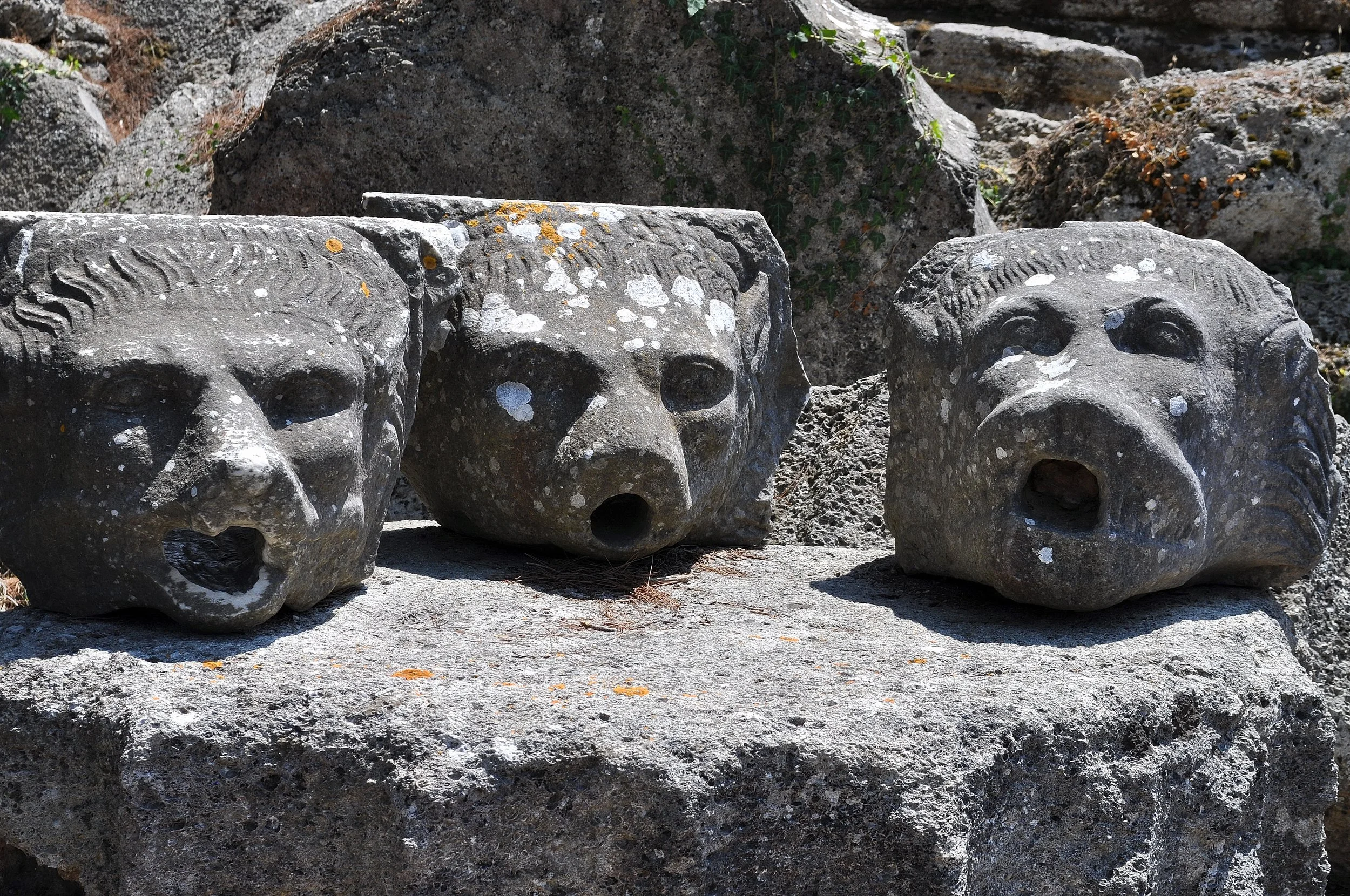

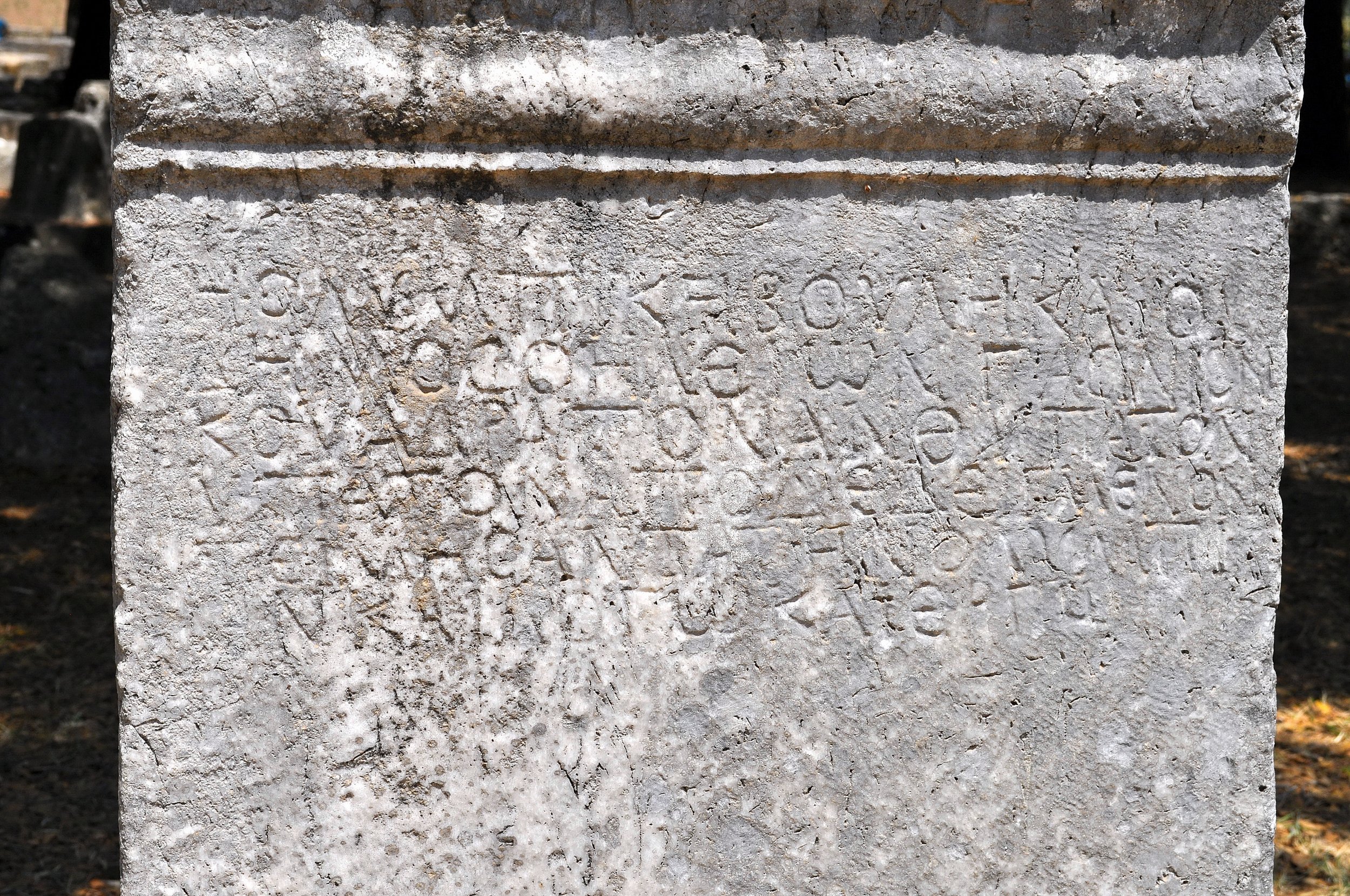


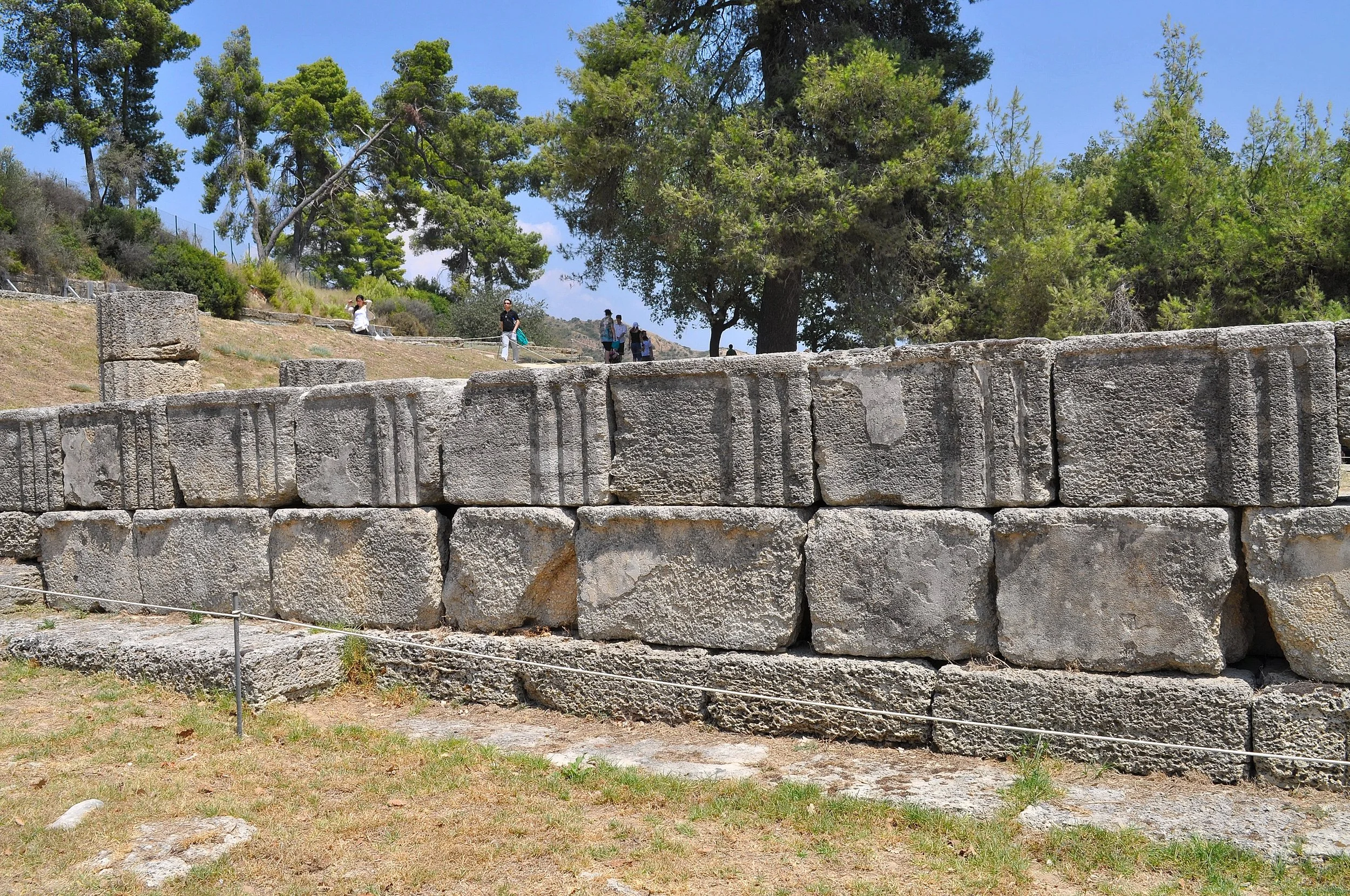



Angela: today the Olympics are global, technological, immense. Yet they continue to give us wonderful and immortal stories: from the feat of Jesse Owens in Berlin 1936, capable of defying an ideology before the world, to the silent strength of Abebe Bikila, who won the Rome 1960 marathon running barefoot.
Piero: to the graceful leaps of Nadia Comăneci, the first gymnast to achieve a perfect score in 1976, or the determination of athletes who become symbols of redemption, courage, and hope.
Angela: because eras change, but the need to tell the story of humanity through sport does not.
Piero: but it all begins here. From a silent valley, from an earthen track, from a crown of olive.
Angela: and perhaps this is why Olympia still moves us. Because it reminds us of where we come from.