Tunisia
Angela: Let's go! This time I'm in the mood for the sea, but also for somewhere unique, with plenty to see, a touch of adventure, and — why not? — a destination that's reasonably affordable...
Piero: is that all? As always, you're not asking for much... But I think I've got the perfect idea. Pack your bags — we'll be away for two weeks!
Angela: wow! You sound determined. So, where are we heading this time?
Piero: we're off to Tunisia! We're about to discover a stunning coastline, the Sahara Desert, lush oases, breathtaking lunar landscapes, and, above all, more than three thousand years of history.
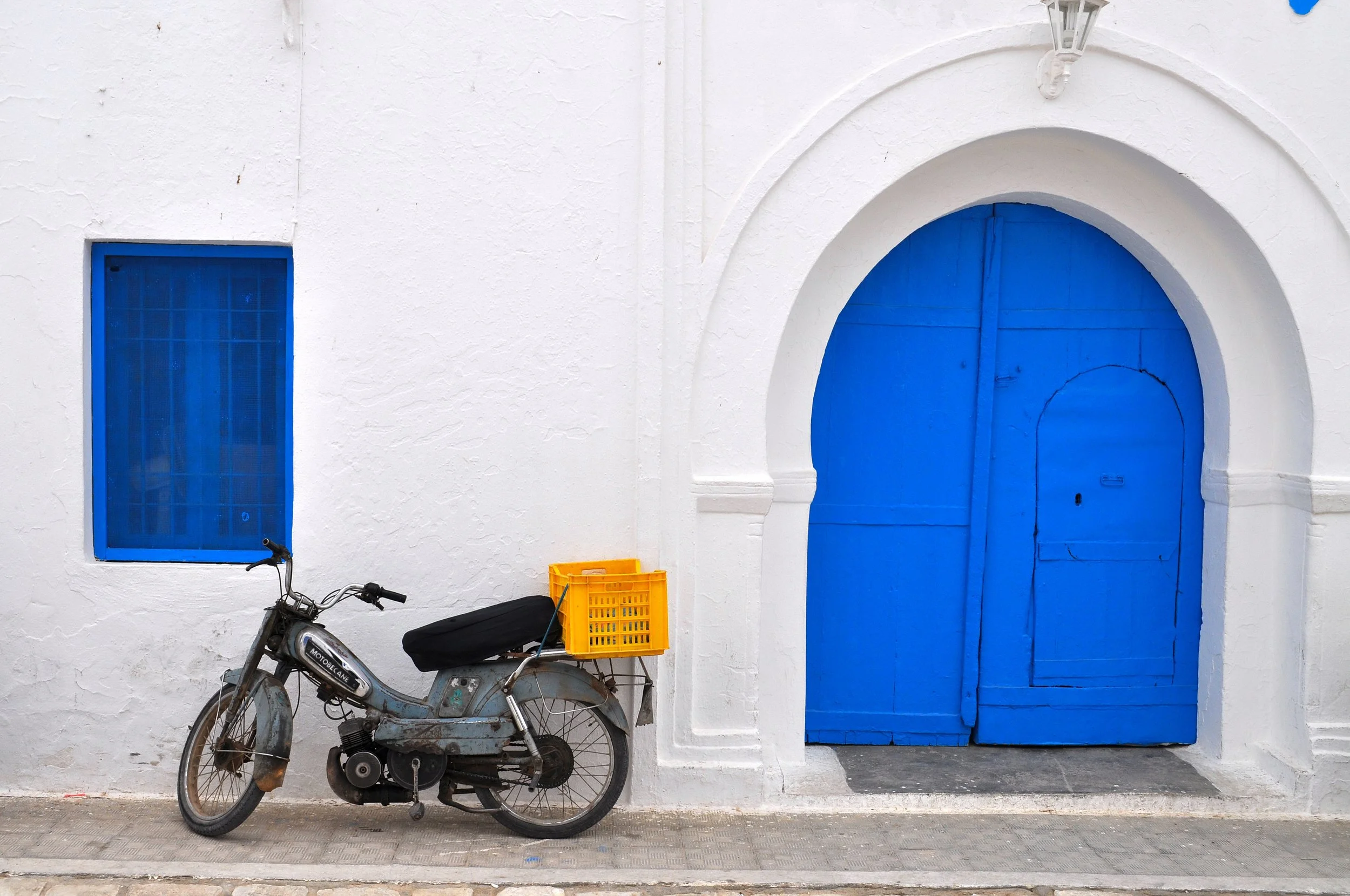
Angela: I can't wait! It'll be like taking ten trips in one: we'll spend relaxing days by the sea, explore fascinating cities shaped by Berber, Roman, Arab, and French cultures, visit breathtaking archaeological sites, and, of course, enjoy an unforgettable adventure in the Sahara Desert.
Piero: Tunisia is easy to reach by plane: it takes less than two hours on a direct flight from Milan—after all, it's at roughly the same latitude as Sicily. We'll land in Monastir and begin by exploring the western part of the country, although you could just as easily do the trip in reverse by arriving in Djerba.
Angela: I'd better get my passport ready, although if you're travelling with a tour operator, an identity card may be sufficient. As for the suitcase, I'll pack only casual and comfortable clothing suitable for every occasion, plus a light jacket, which always comes in handy, and, of course, a good pair of walking shoes. I definitely won't forget a light hat, sunglasses, and a scarf to protect my mouth and nose from the sand if it gets windy. Naturally, a swimsuit and plenty of sunscreen are essential too. The local currency is the Tunisian dinar, and one euro is worth just over three dinars. During the period when Italy observes daylight saving time, Tunisia is one hour behind; for the rest of the year, the time is the same. Power sockets vary, so it's always a good idea to bring a travel adapter. Mobile phone use can also be a little tricky, as most providers don't offer convenient roaming plans, so it's best to use an eSIM or buy a local SIM card at the airport on arrival. I'll also pack a small supply of personal medication. Since tap water isn't drinkable, it's better not to take any chances... Is there anything else I should be aware of?
Piero: the social and political situation in the country isn't always completely stable, although the summer tourist season generally helps ease tensions. My advice is to avoid the border areas with Algeria and Libya, and above all, to stay cautious and well organised, especially when travelling outside the main tourist destinations.
Angela: I suppose it's going to be very hot, isn't it?
Piero: definitely. The northern part of Tunisia is best visited between March and May, or from September to early December. During July and August, the heat can become almost unbearable. The southern regions are best explored in April and May, or from mid-September to November. Even so, the summer heat along the coast is often tempered by refreshing sea breezes, while when the Ghibli, the desert wind, starts blowing, temperatures can become extremely oppressive.
Angela: Our bags are packed! Let's board the plane and get ready for take-off!
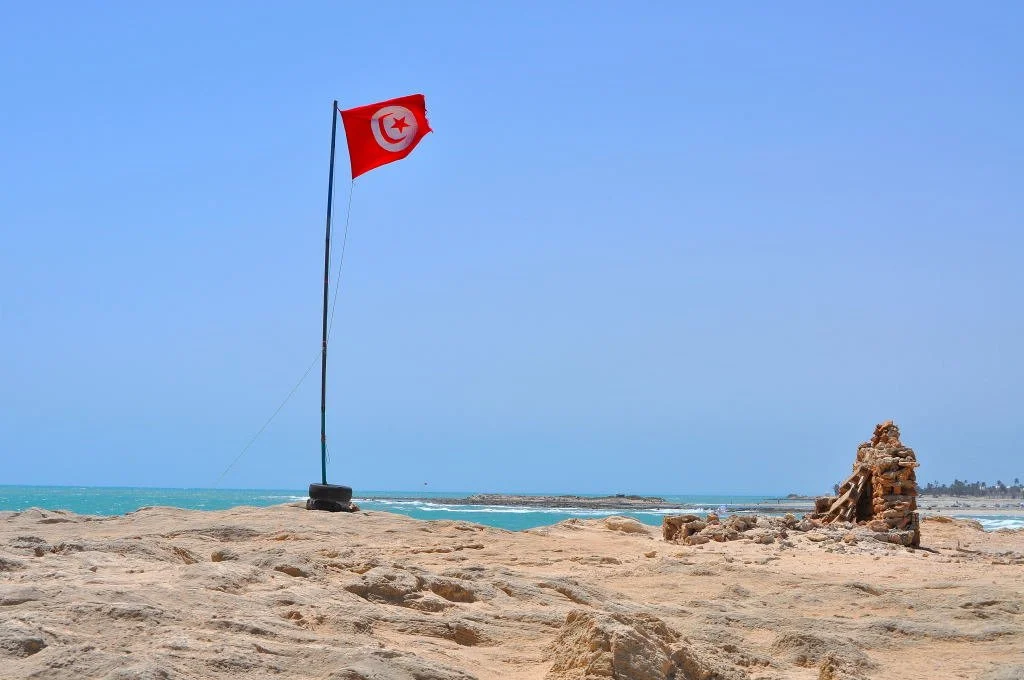
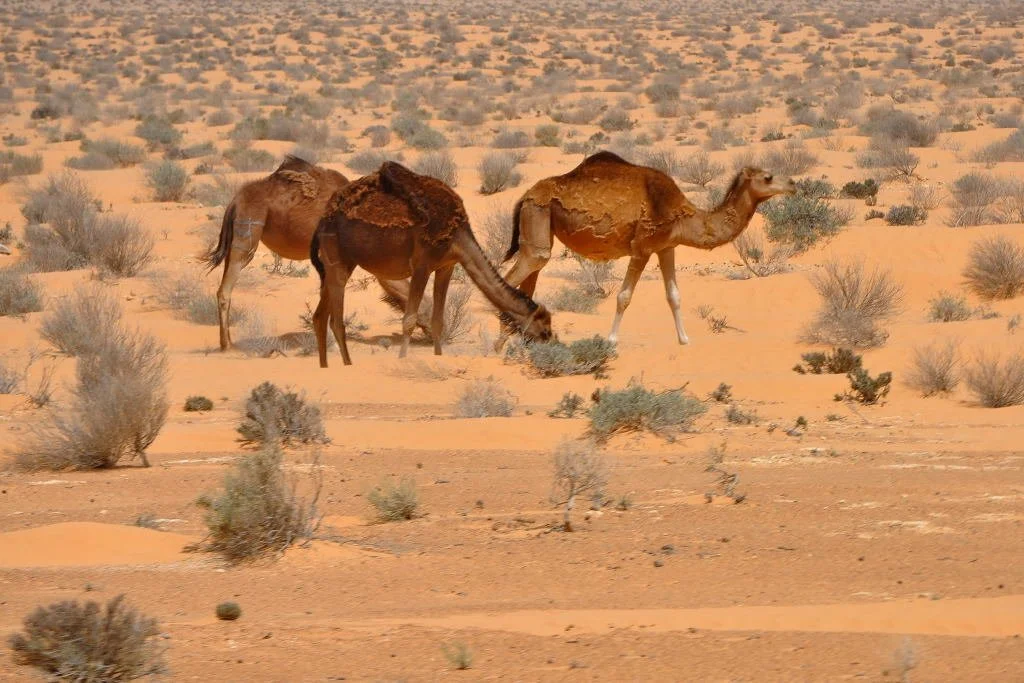
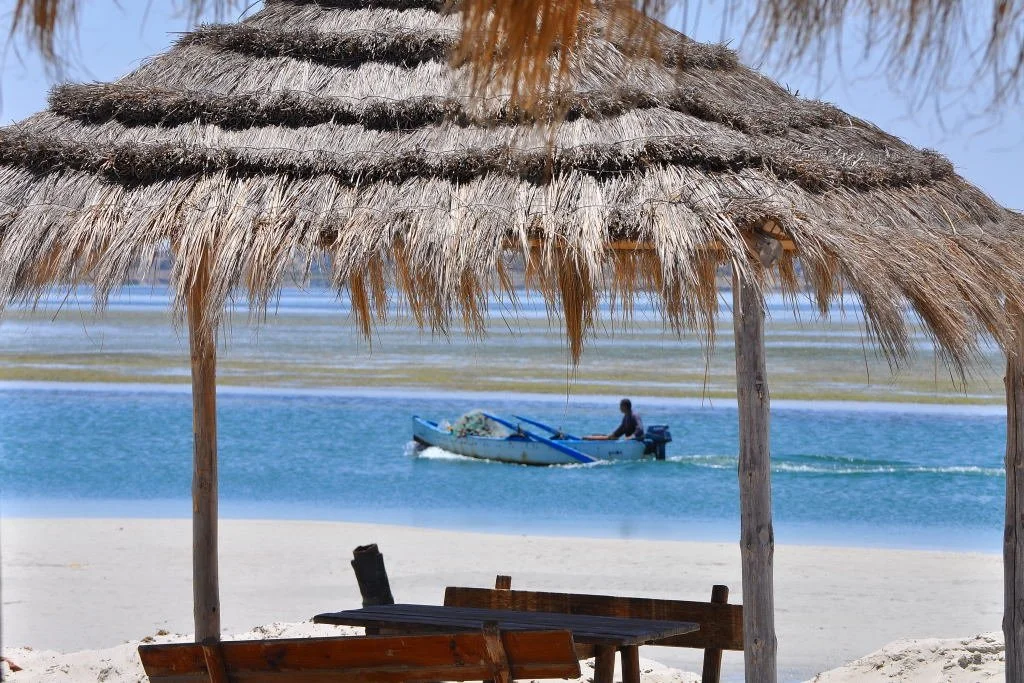
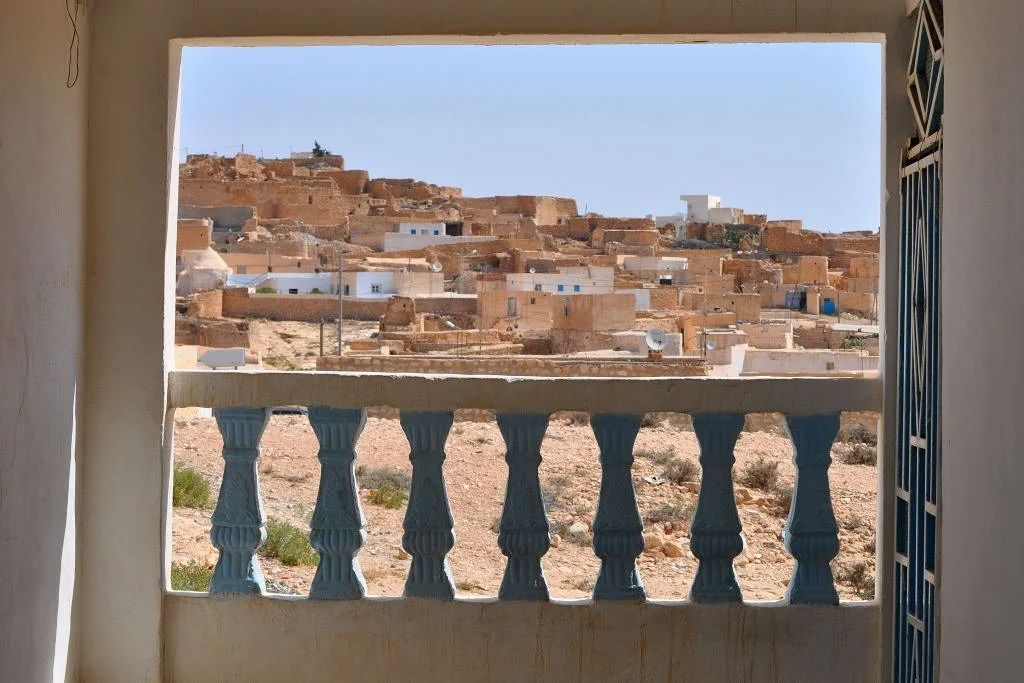
Bienvenue en Tunisie!
Piero: Tunisia is the northernmost country in Africa, nestled between the Atlas Mountains, the Sahara Desert, and the Mediterranean Sea.
Angela: it is almost half the size of Italy, and most of its population is concentrated in the main cities. Arabic is the official language, but almost everyone also speaks French, reflecting the country's colonial past. English is widely used in tourist areas, and many people also speak Italian.
Piero: although around 40% of the country is covered by the Sahara Desert, the remaining land has always been relatively fertile. Combined with its strategic position in the Mediterranean, this allowed several important civilisations to flourish, the greatest of which was undoubtedly the Carthaginian civilisation.
Angela: as we've mentioned, Tunisia has an incredibly rich history that dates back to prehistoric times, with the first Berber tribes settling in the region during the Palaeolithic.
Piero: the Carthaginian Empire, known to all of us from history books as Rome's greatest rival, lies at the very heart of Tunisian history. Its capital, Carthage, now a suburb of Tunis, was founded in 814 BC by Phoenician settlers from Tyre and Sidon, in present-day Lebanon, and quickly became one of the dominant powers of the Mediterranean.
Angela: 264 BC marked the beginning of more than one hundred years of war against Rome. After the Three Punic Wars, Carthage was defeated and completely destroyed in 146 BC by the Roman general Scipio, who, according to tradition, wept at the sight of its destruction because of the city's extraordinary beauty and grandeur.
Piero: from that moment until the Arab conquests of the 7th century, many different civilisations made Tunisia their home and contributed to its prosperity. Carthage enjoyed a new golden age under the Roman Empire. From the 5th century, the Vandals replaced the Romans and made Carthage the capital of their kingdom. The city was later absorbed for a time into the Byzantine Empire, before the rise of Islam in the 7th century.
Angela: Tunisia then passed from the Arab Caliphates to the Ottoman Empire, before eventually falling under European imperial rule at the end of the 19th century, first as a French protectorate and later as a French colony.
Piero: independence from France came in 1956, under the leadership of the celebrated president Habib Bourguiba, who established a one-party state. During his 31 years in power, he led Tunisia towards modernisation, suppressed Islamic fundamentalism, and introduced women's rights that were unmatched anywhere else in the Arab world. In 1987, Bourguiba was replaced by his Prime Minister, Zine El Abidine Ben Ali, in a bloodless coup, which forced the ageing president to resign due to his declining health.
Angela: the 2010 protests and the Arab Spring led to Ben Ali's resignation and sparked the Jasmine Revolution. Since then, despite many challenges and political changes, Tunisia has been moving—sometimes unevenly—towards greater democracy in both its political and civil life.
Piero: today, although Tunisian society is still deeply influenced by Islamic culture and traditions, it is generally quite open-minded, with strong and visible Western influences. People are usually very friendly towards foreigners, and especially towards Italians. They are warm, approachable, and often greet visitors with a smile, although this friendliness is sometimes accompanied by the hope of receiving a tip or making a sale.
Exploring Tunisia: Sousse and Monastir
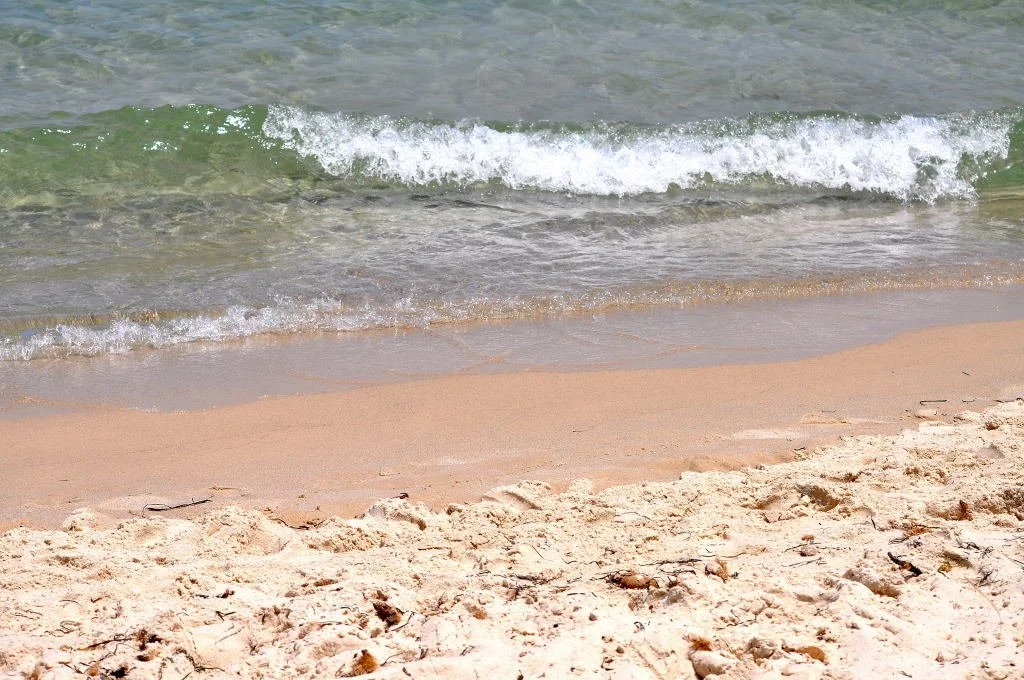
Angela: for our first week in Tunisia, we'll stay near Sousse, the Pearl of the Sahel, as this beautiful stretch of the Tunisian coast is often called. The beaches here are stunning, with long expanses of golden sand, and the Mediterranean Sea is simply breathtaking. Days will be filled with relaxation, swimming, and a wide range of water sports, making it the perfect place to unwind before setting off to discover the country's extraordinary history and landscapes.
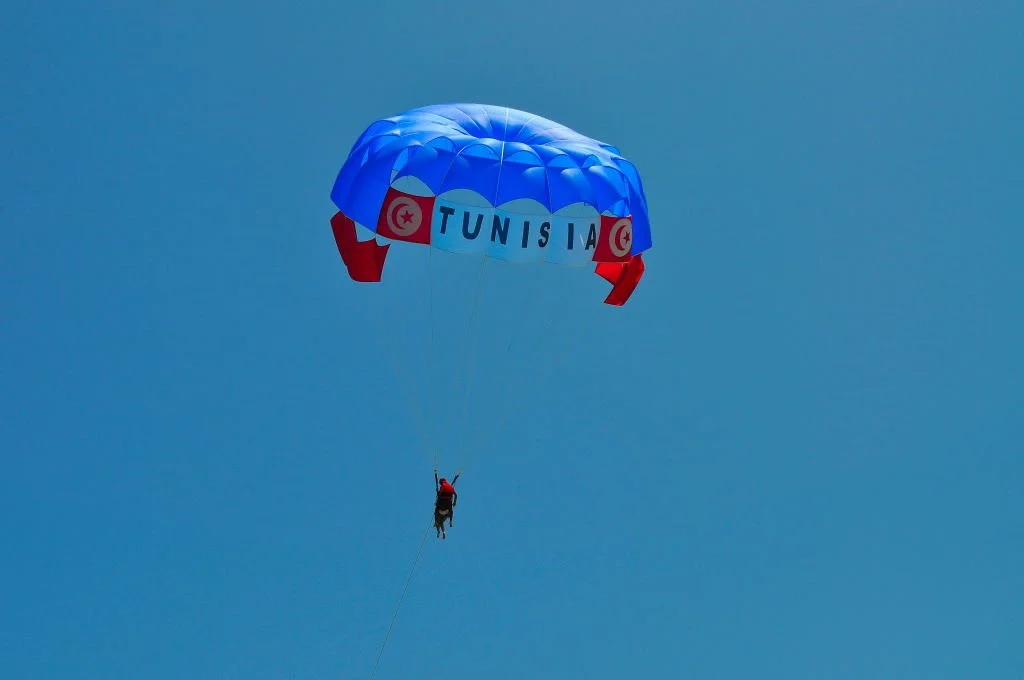
Piero: not too much, though... This will be our base for all our excursions, and believe me, there will be plenty of them!
Angela: I thought as much... and I suppose you've already started up our camper van...
Piero: not this time. The routes are a bit complicated, and driving in Tunisia isn't always the most reassuring experience. We'll be much better off relying on local taxis or tourist taxis, which are surprisingly affordable. As for buses and trains, we won't even consider them.
Angela: then let's begin our journey in Sousse, Tunisia's third-largest city, founded by the Phoenicians, just like Carthage.
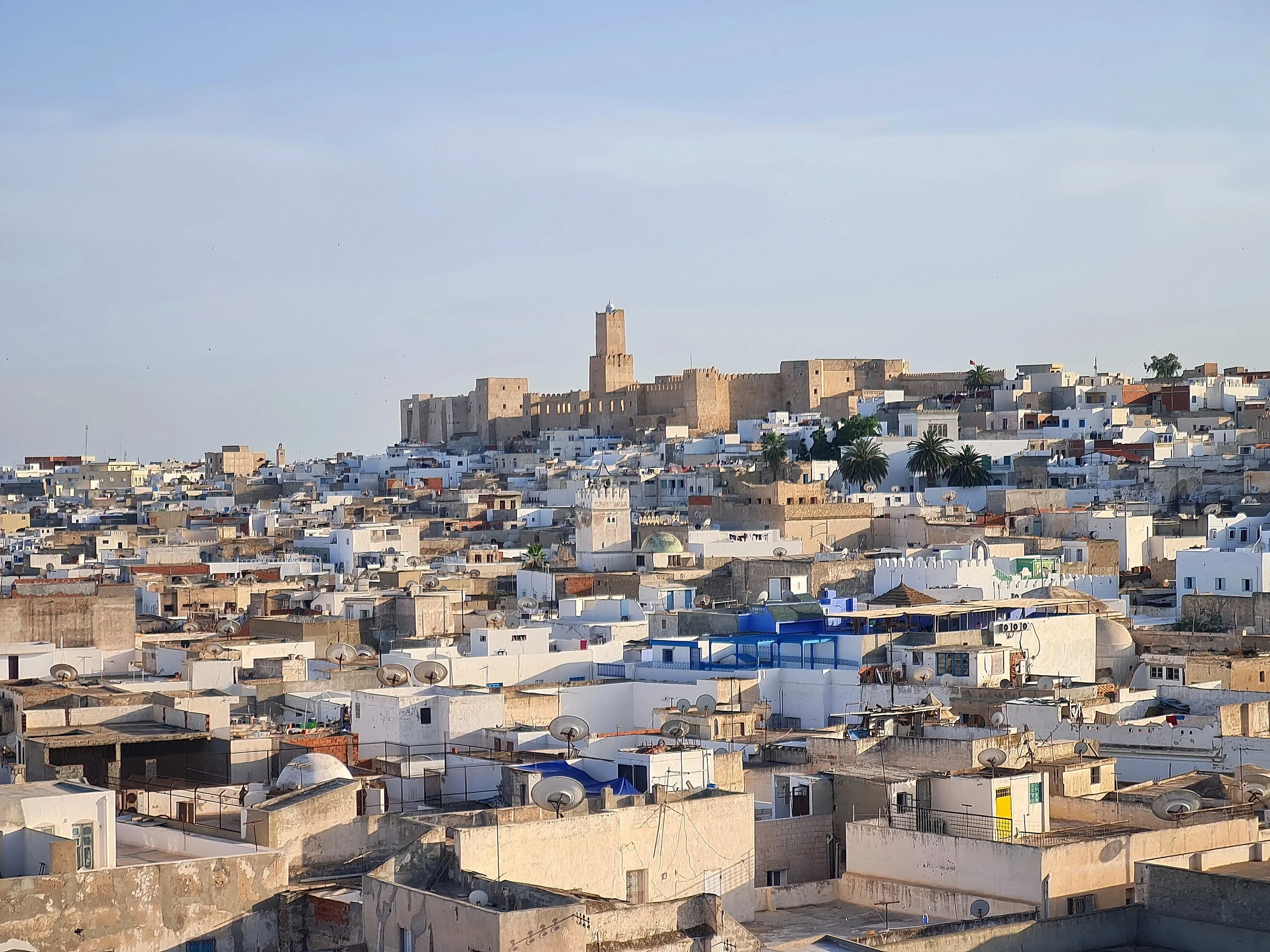
Piero: Sousse also played an important role during the Roman period, before being destroyed by the Vandals. The city flourished once again under the Aghlabids, who gave it its present name and restored its importance as a strategic commercial and maritime hub. In 827 AD, the expedition that led to the Arab conquest of Sicily from the Byzantines set sail from its port.
Angela: the city is easy to explore on foot. The ideal starting point is the Medina, located right beside the sea. It is one of Tunisia's eight UNESCO World Heritage Sites and one of the country's most fascinating historical treasures.
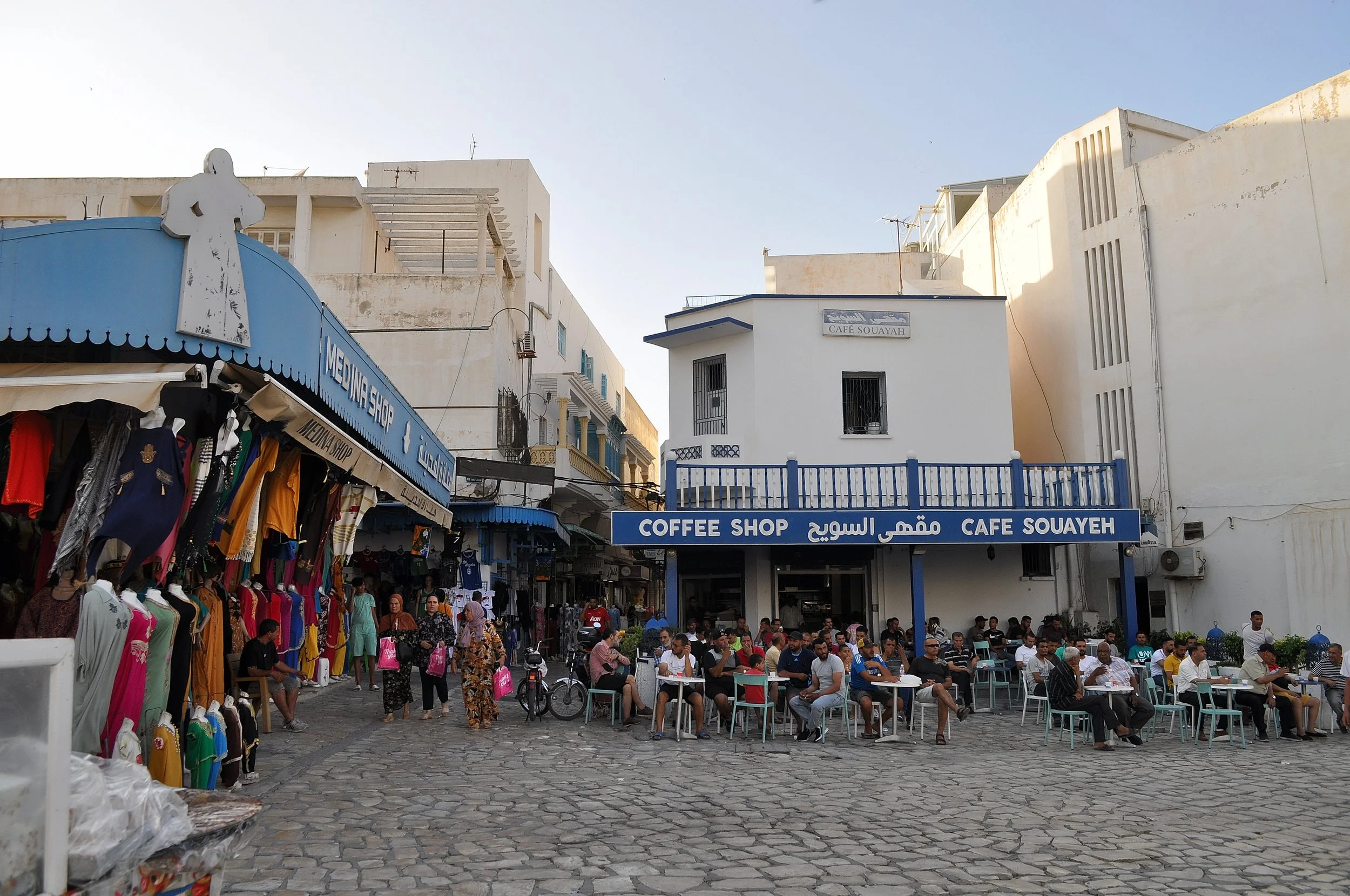
Piero: it's a real pleasure to wander through the narrow streets of the Medina, where the atmosphere seems frozen in time. The bustling souks are the perfect place to browse for traditional handicrafts and practise your bargaining skills. Almost every shopkeeper will try to invite you into their stall or shop. At times they may seem a little persistent, but they're simply trying to make a sale, and a friendly smile together with a polite "no, thank you" is usually enough if you're not interested.
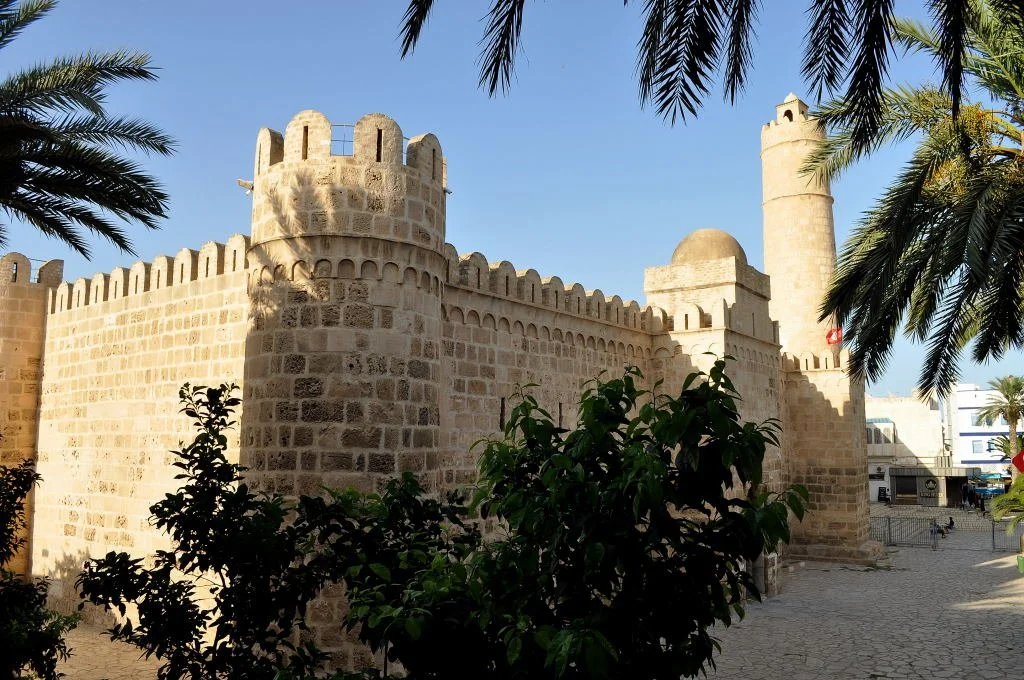
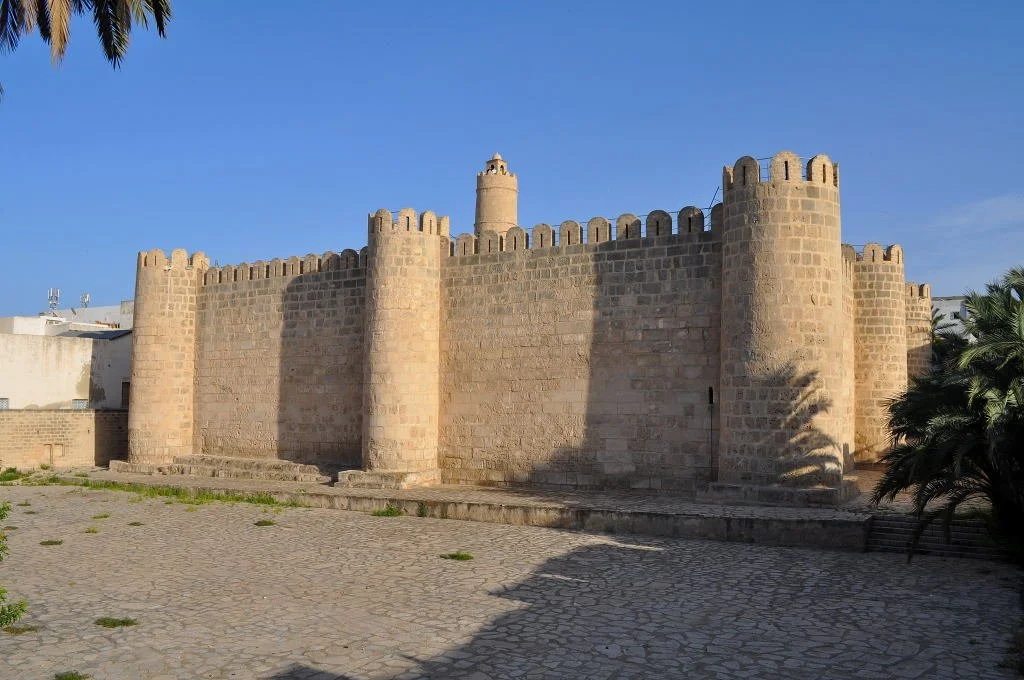
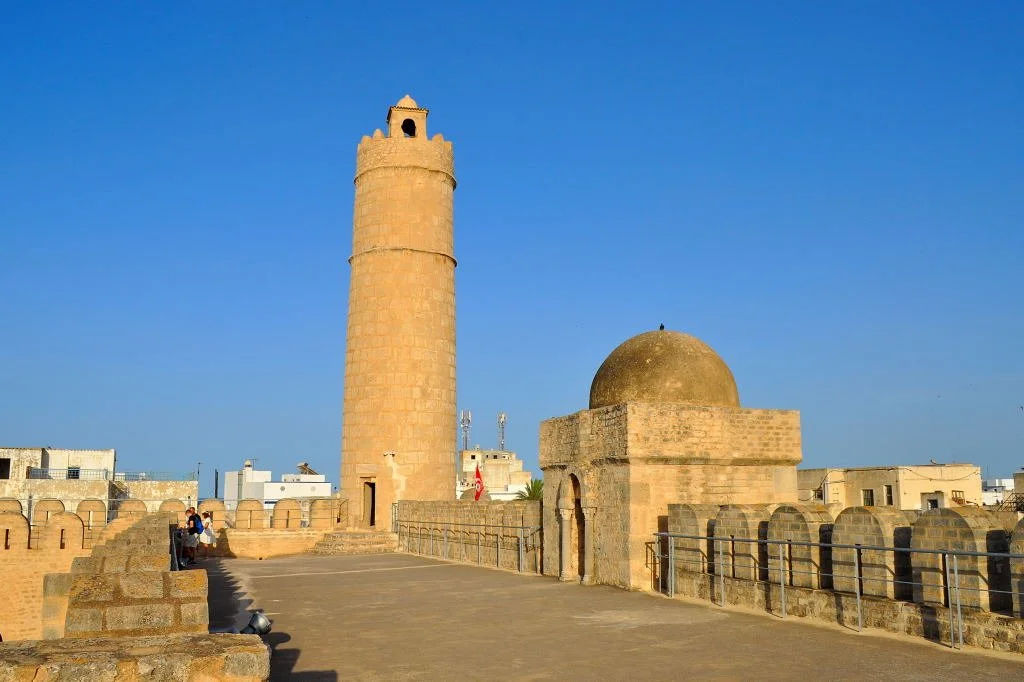
Angela: overlooked by the Khalef Tower, the Old Town has preserved its impressive medieval walls and many of the monuments that bear witness to its past as a fortified stronghold. Among its highlights are the Ribat, which served as a fortress, a coastal watchtower, and a religious retreat; the Great Mosque, whose massive walls make it resemble a fortress; and the imposing Kasbah, one of the city's most remarkable historical landmarks.


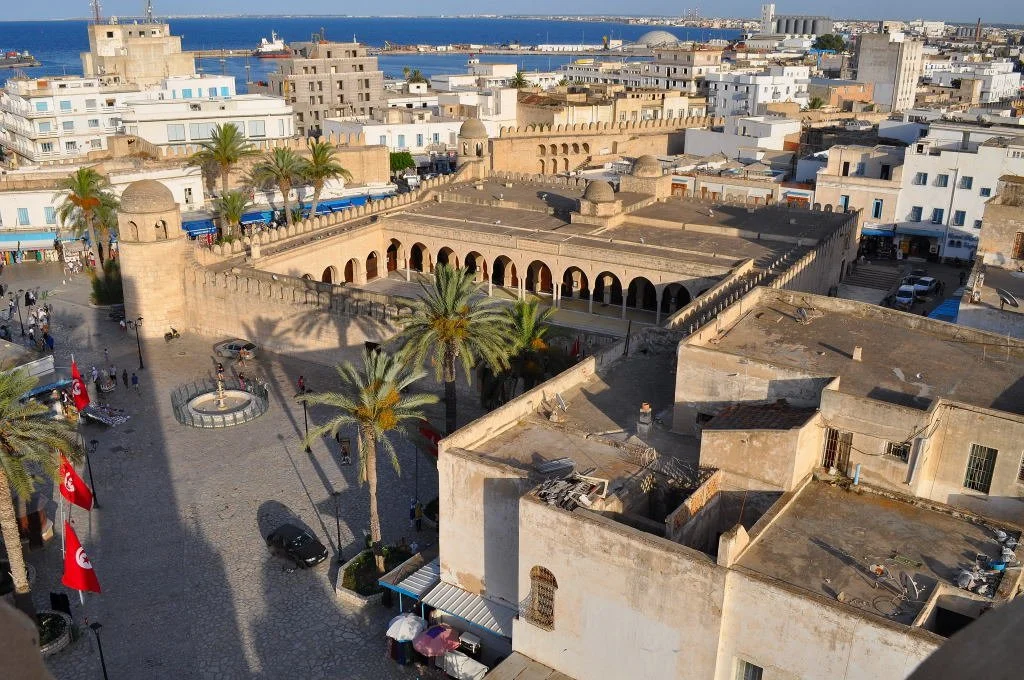

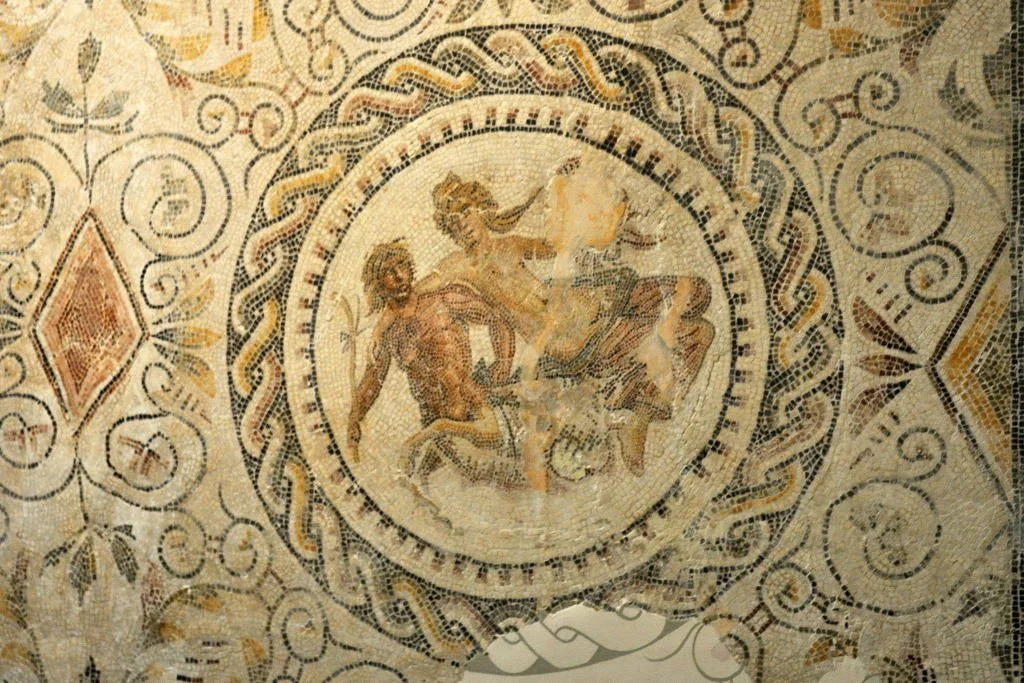
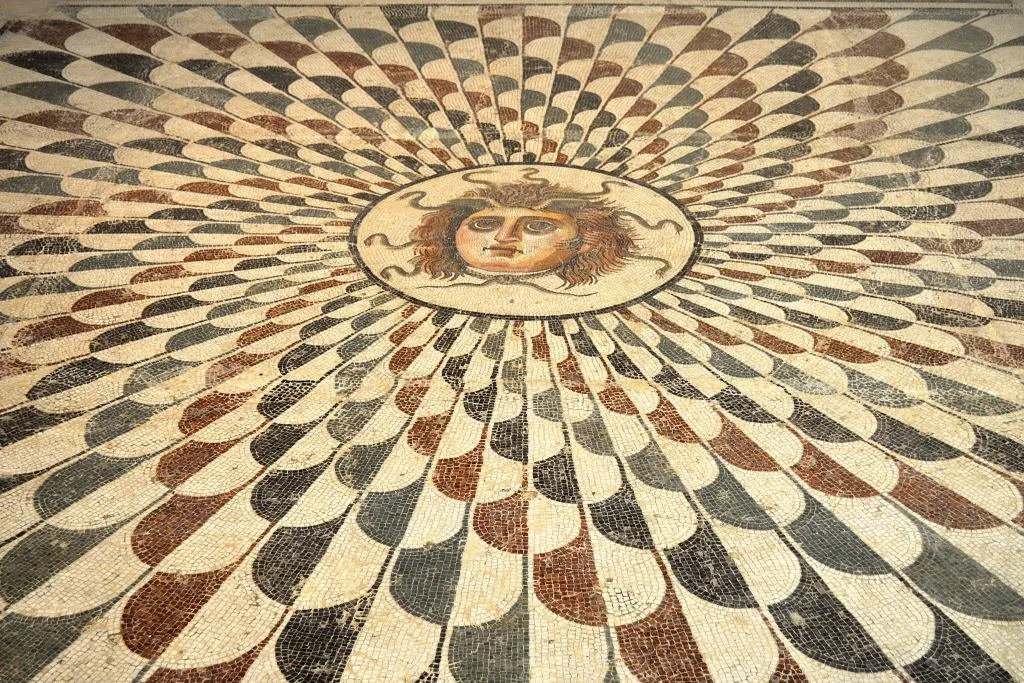
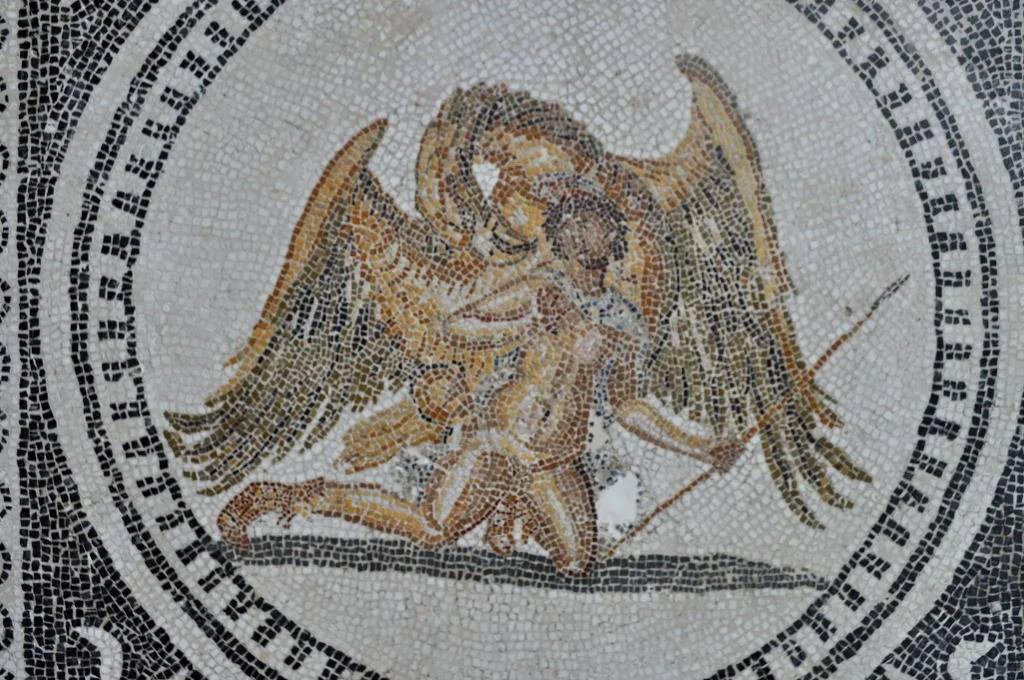
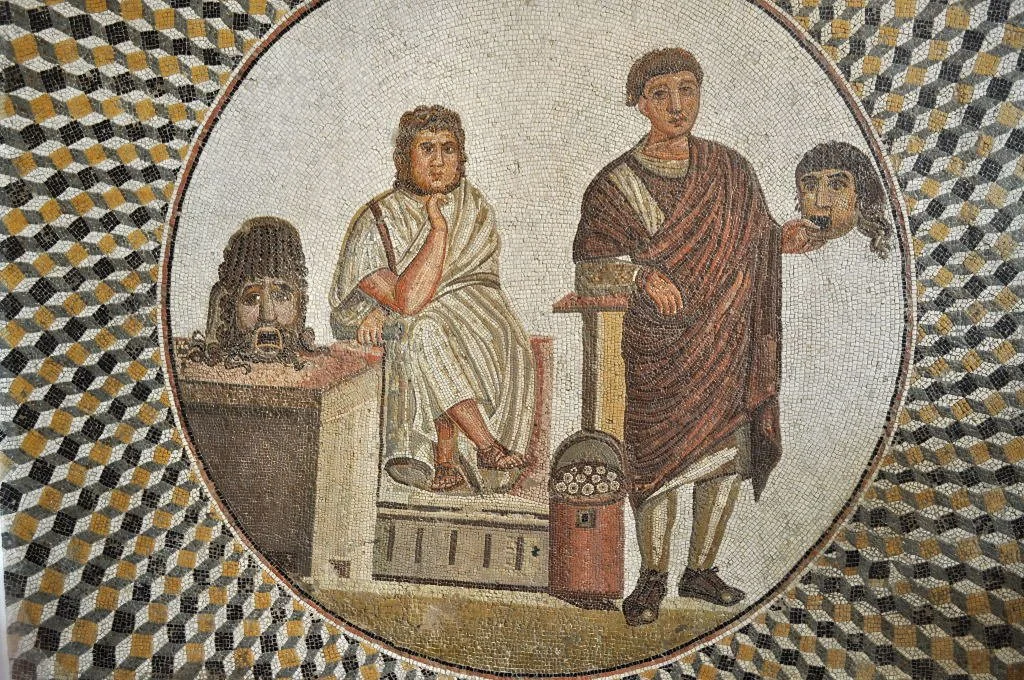
Piero: inside the Kasbah itself, we find the Archaeological Museum, which houses a remarkable collection of Roman mosaics mainly from El Jem and Carthage, as well as Roman busts and a beautiful Byzantine baptistery. It is a fascinating journey through the different civilisations that have shaped the history of Tunisia over the centuries.





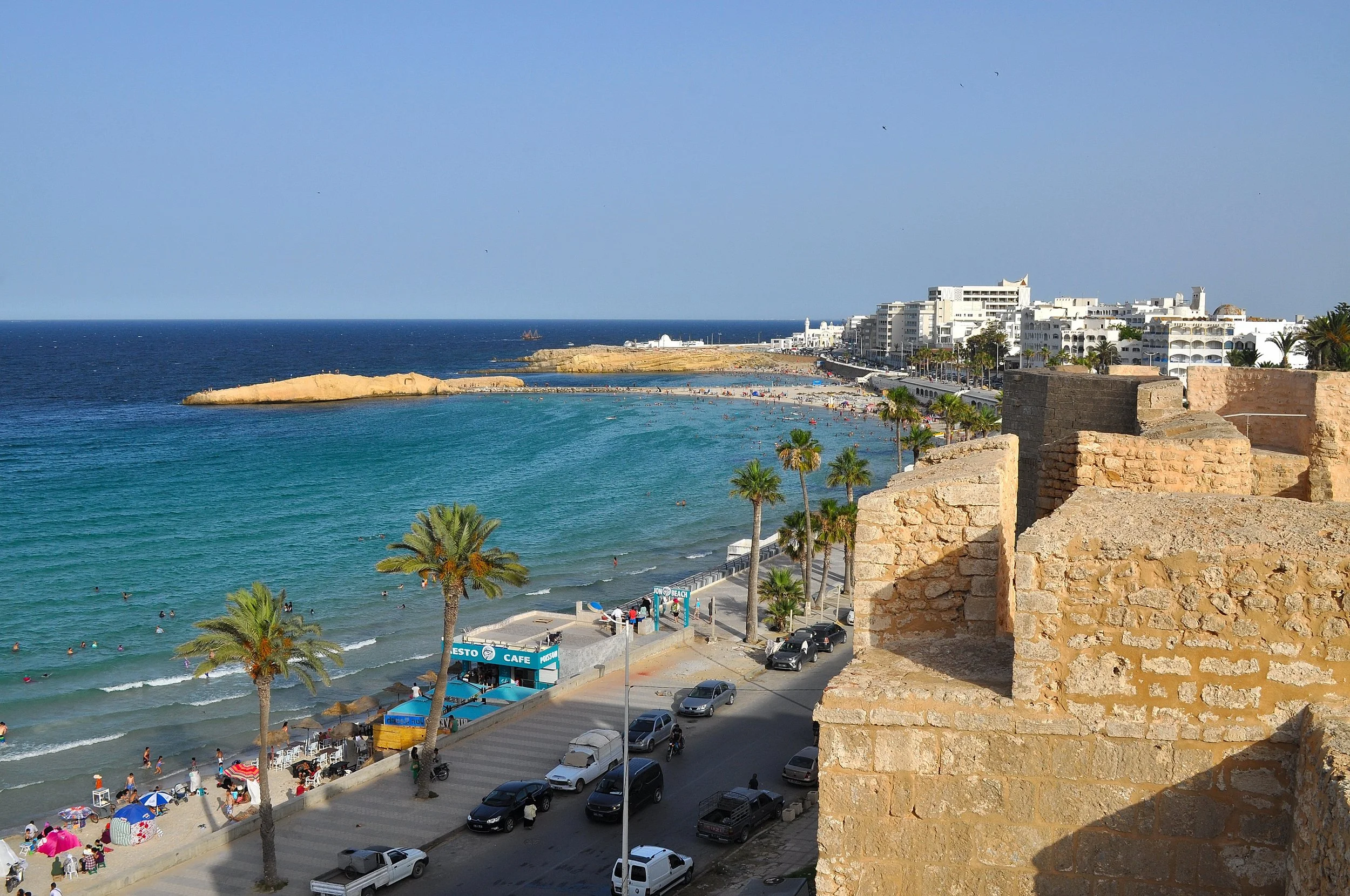
Angela: on the same day, we also have enough time to visit Monastir, which is only about twenty minutes by car from Sousse. The city is located at the tip of a small rocky peninsula that separates the Gulf of Hammamet from the Gulf of Monastir. At the end of the promontory lies the marina, protected by two small islands just offshore, creating a beautiful setting where the sea and the history of this coastal city come together.
Piero: Monastir also has Phoenician origins. After the defeat of Carthage, the Romans took control of the city and renamed it Ruspina. It became famous for the Battle of Ruspina, fought during the Roman Civil War, when Julius Caesar was defeated and lost almost a third of his army. Like Sousse, Monastir was later one of the important coastal cities developed by the Aghlabids during the 9th century, becoming a strategic centre in the Mediterranean.
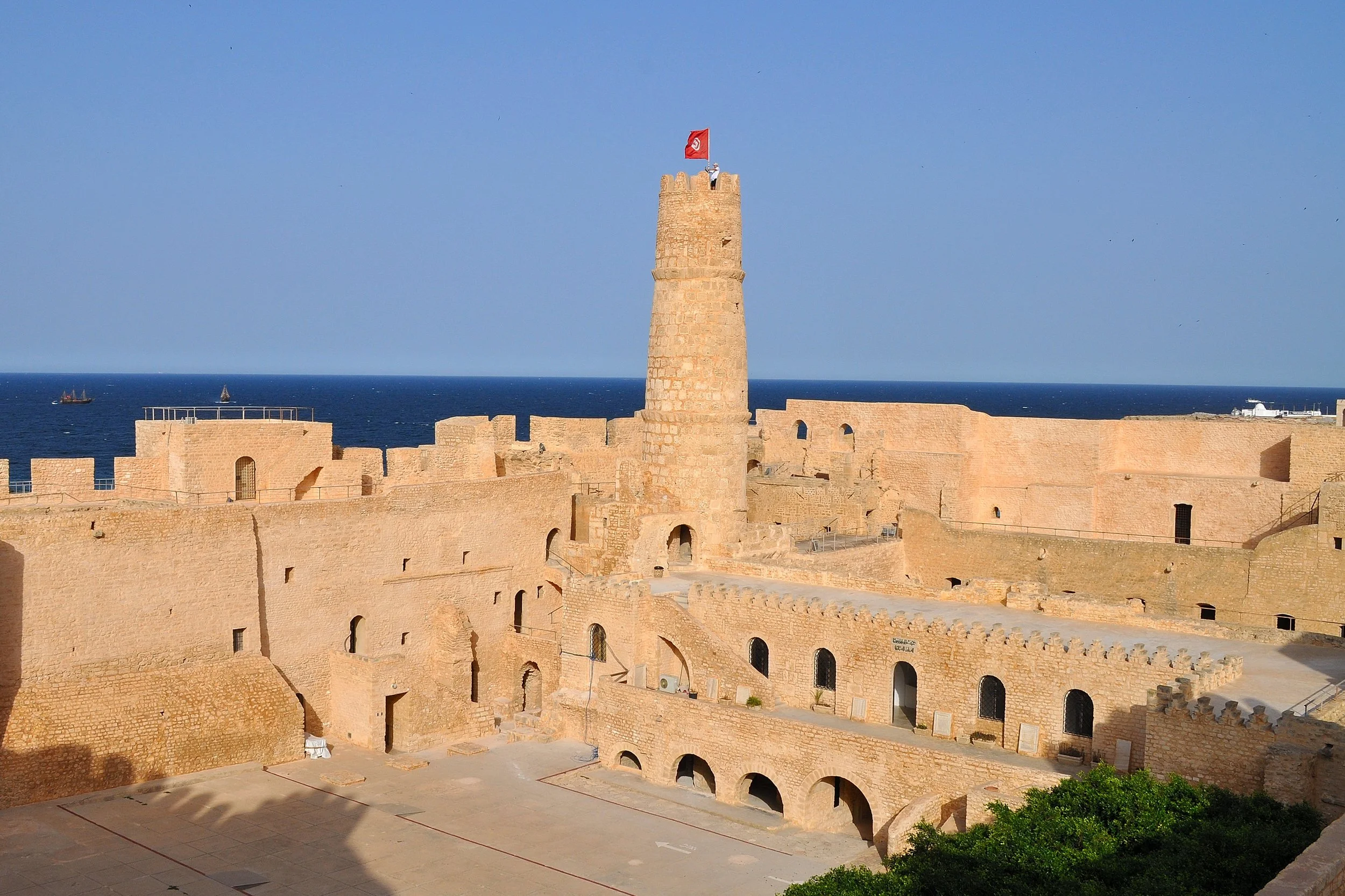
Angela: the starting point of our excursion is, once again, the impressive Ribat of Harthama, the oldest and most important ribat in the Maghreb. This beautiful fortress is one of the finest examples of Islamic military architecture in Tunisia. In 1976, Italian director Franco Zeffirelli filmed several scenes here for his famous television film “Jesus of Nazareth”. From the top of the tower, visitors can enjoy a truly unique panoramic view of the city. On the first floor, the fortress houses an Islamic Museum with an interesting collection of coins, Quranic inscriptions, textiles, bronze artefacts, ancient Tunisian ceramics, jewellery, and a remarkable astrolabe dating back to 927 AD, originally from Córdoba.

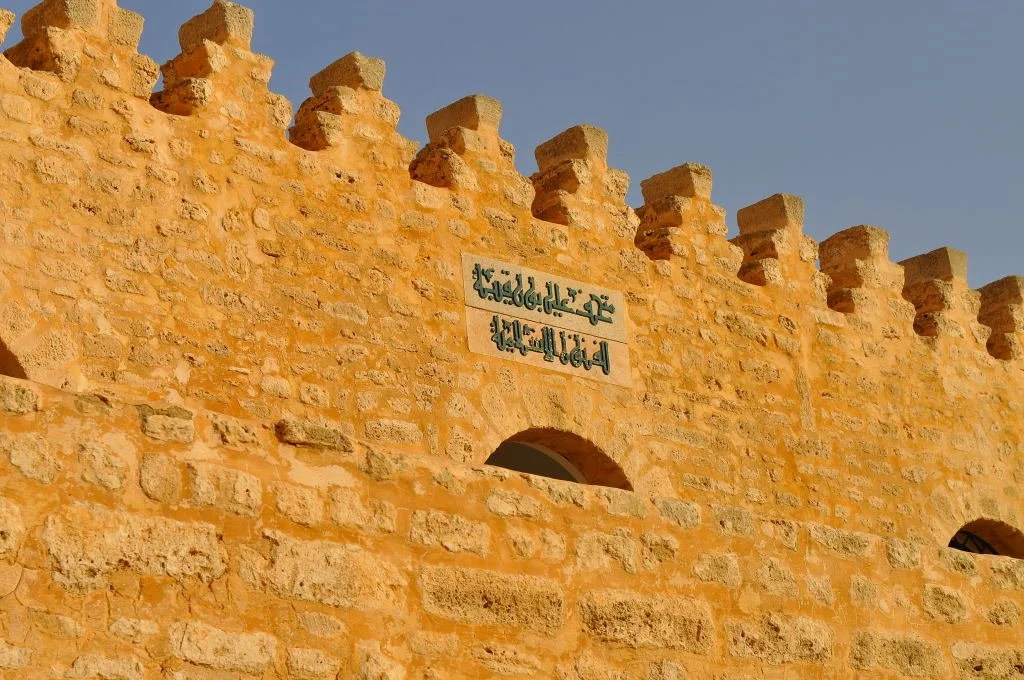


Piero: right in front of the Ribat stands the main mosque of Monastir, dating back to the 9th century. It is another important example of the city's Islamic heritage, closely connected to the historical role that Monastir played as a religious and military centre during the Aghlabid period.
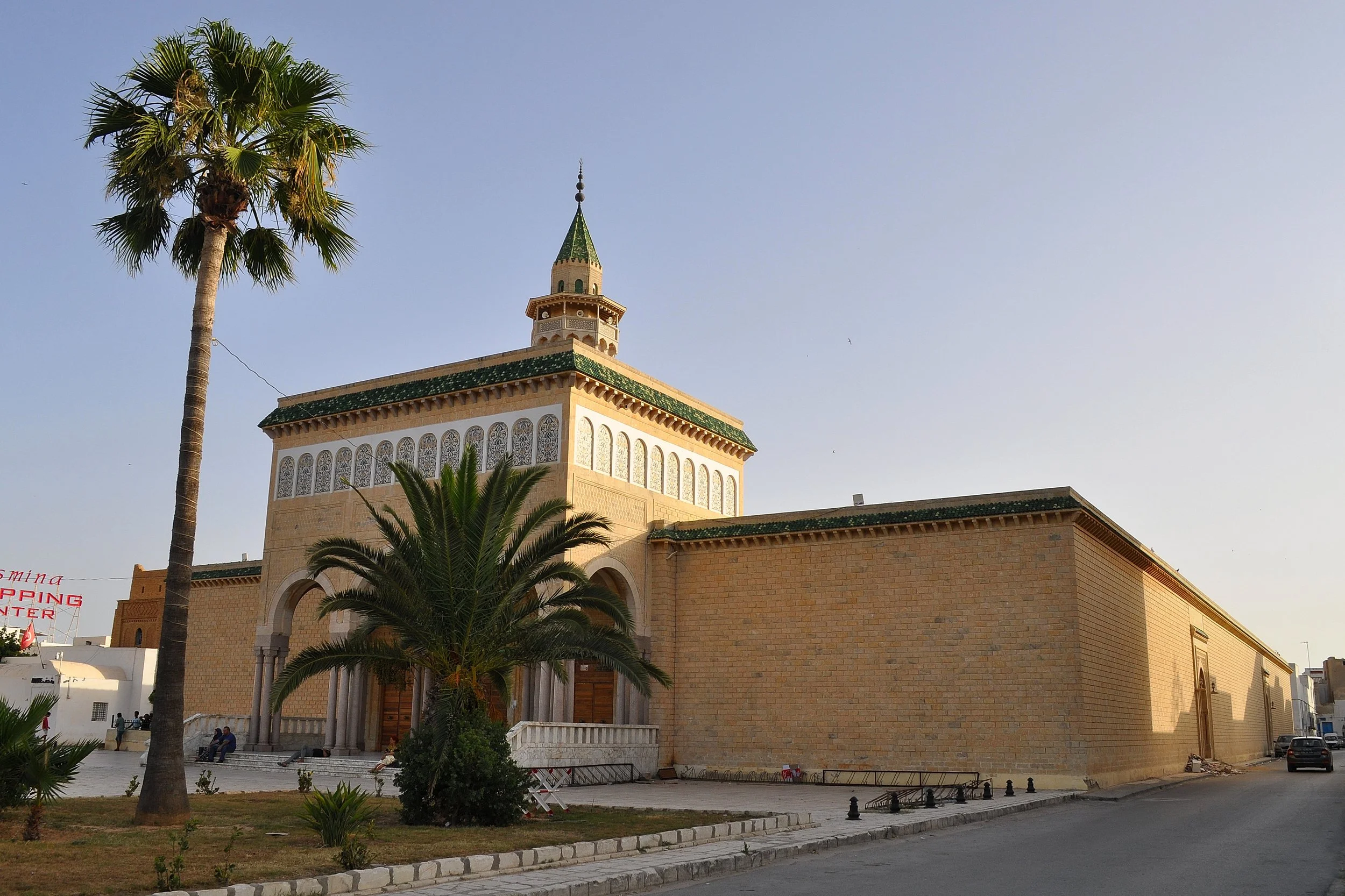
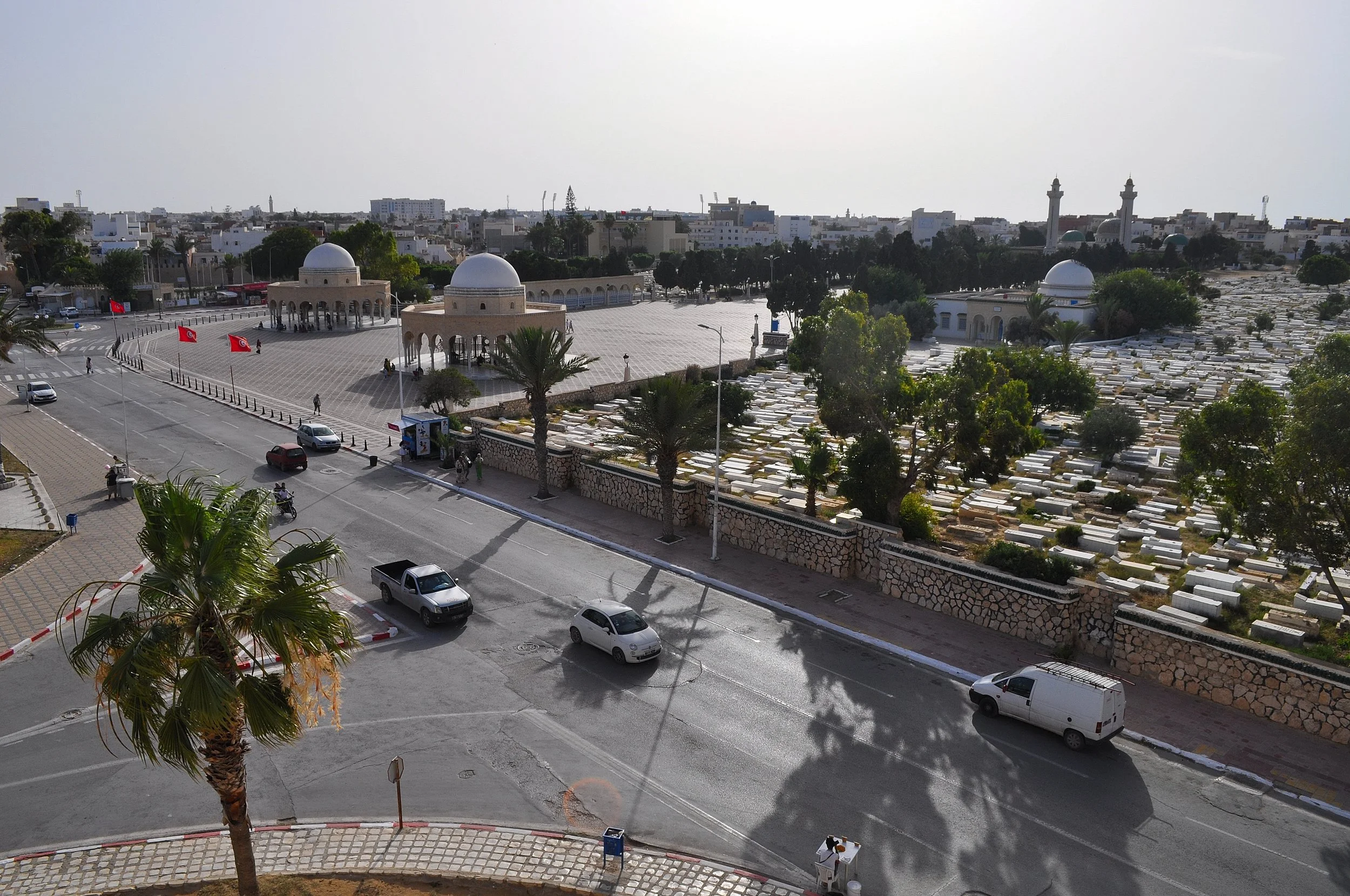
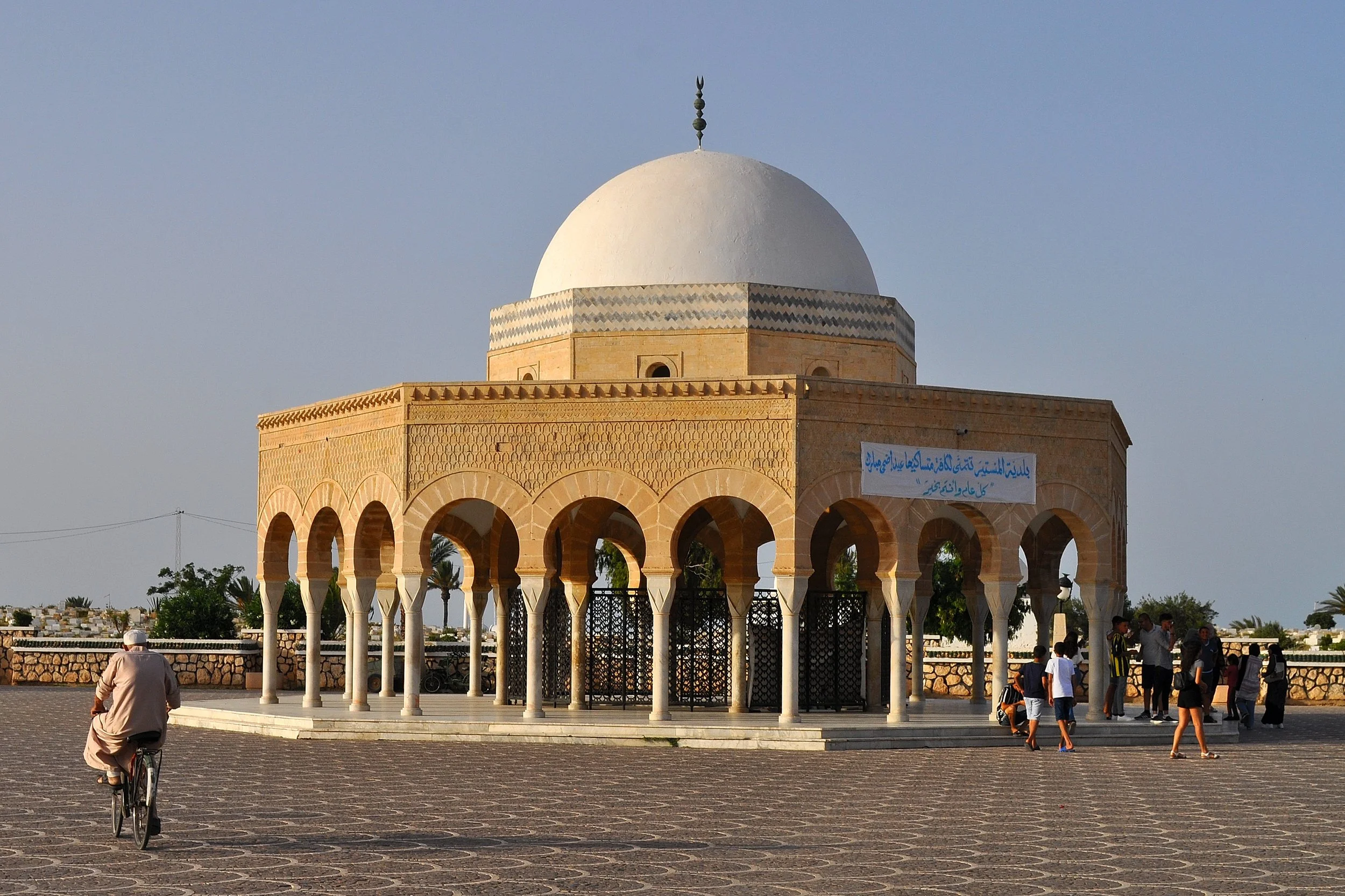
Angela: on the opposite side, still easily reachable on foot, we find the Mausoleum of Bourguiba, dedicated to Habib Bourguiba, the first President of Tunisia and, as we mentioned, considered the father of the nation. Construction began in 1963, and the building bears many similarities to traditional Islamic shrines dedicated to saints. It is characterised by three domes—two green and one golden—and by two minarets marking the entrance to the complex. Bourguiba, who died in 2000, was laid to rest here.


The wonder of Kairouan and El Jem
Angela: our day will take us to discover two true gems of Tunisia, two more sites recognised as UNESCO World Heritage Sites.
Piero: we set off early in the morning for Kairouan. The city lies inland, far from the coast, surrounded by a landscape of steppes. Kairouan is a fascinating destination thanks to its distant and glorious past: today it remains one of the holiest cities in Islam, after Medina, Mecca, and Jerusalem, and it was the first capital of the Maghreb during the Arab conquest.
Angela: Kairouan was founded in 670 AD, during the period of the Arab conquest. Under the Aghlabid emirs, in the 9th century, it became one of the largest and most important metropolises of the Mediterranean.
Piero: the city's main attraction is undoubtedly the Great Mosque of Uqba, the most impressive of the nearly three hundred mosques found in Kairouan.
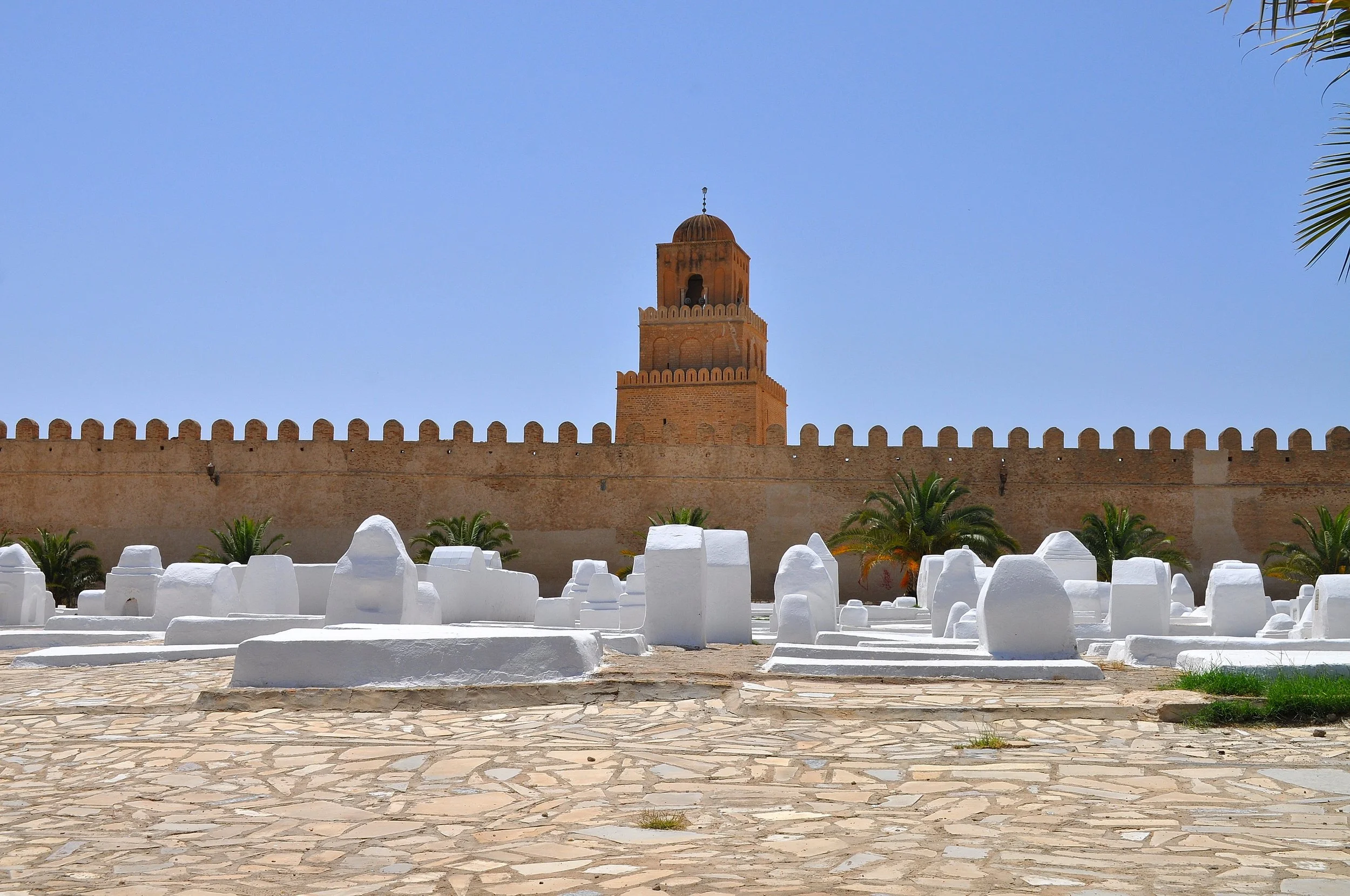
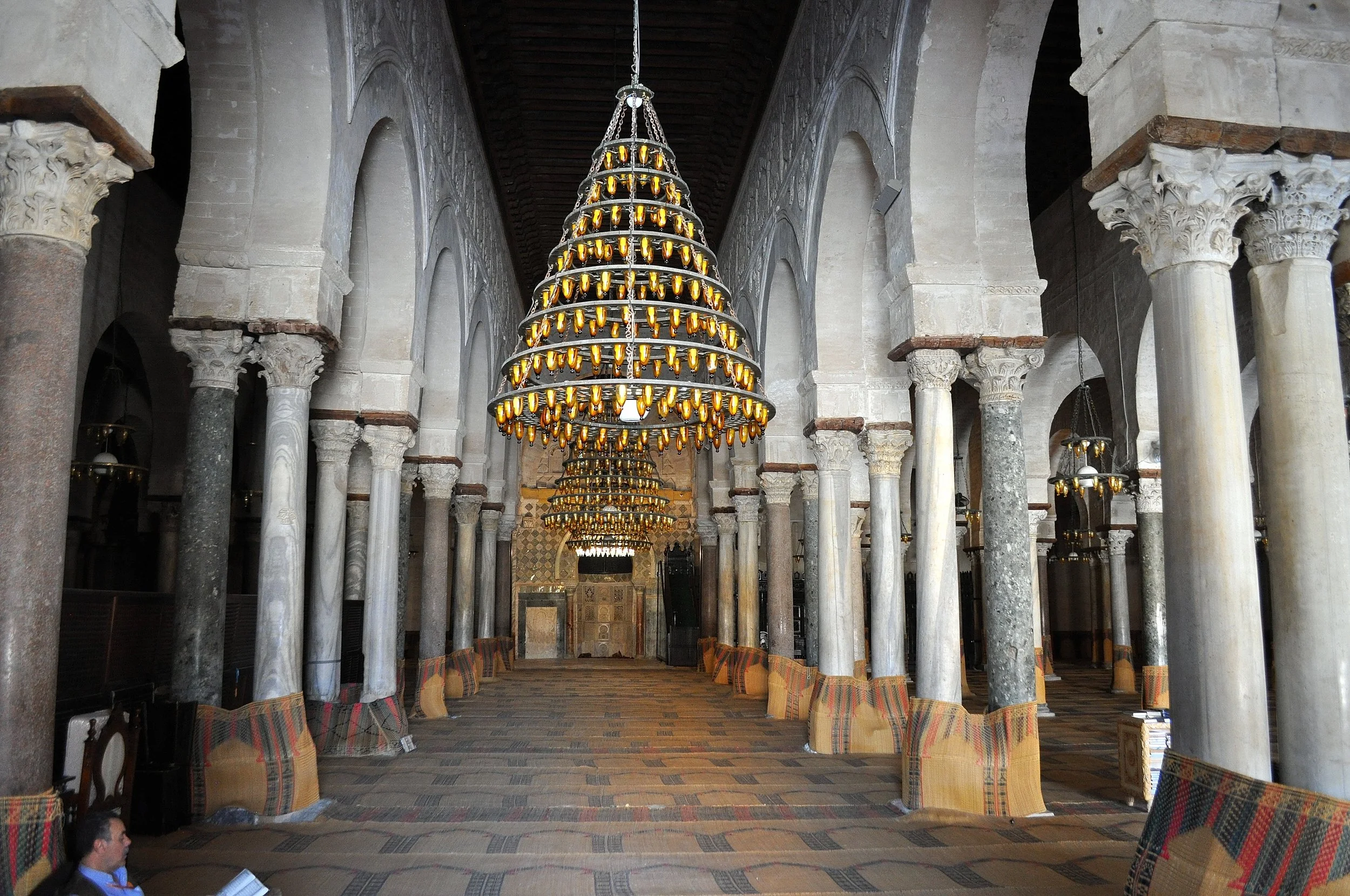
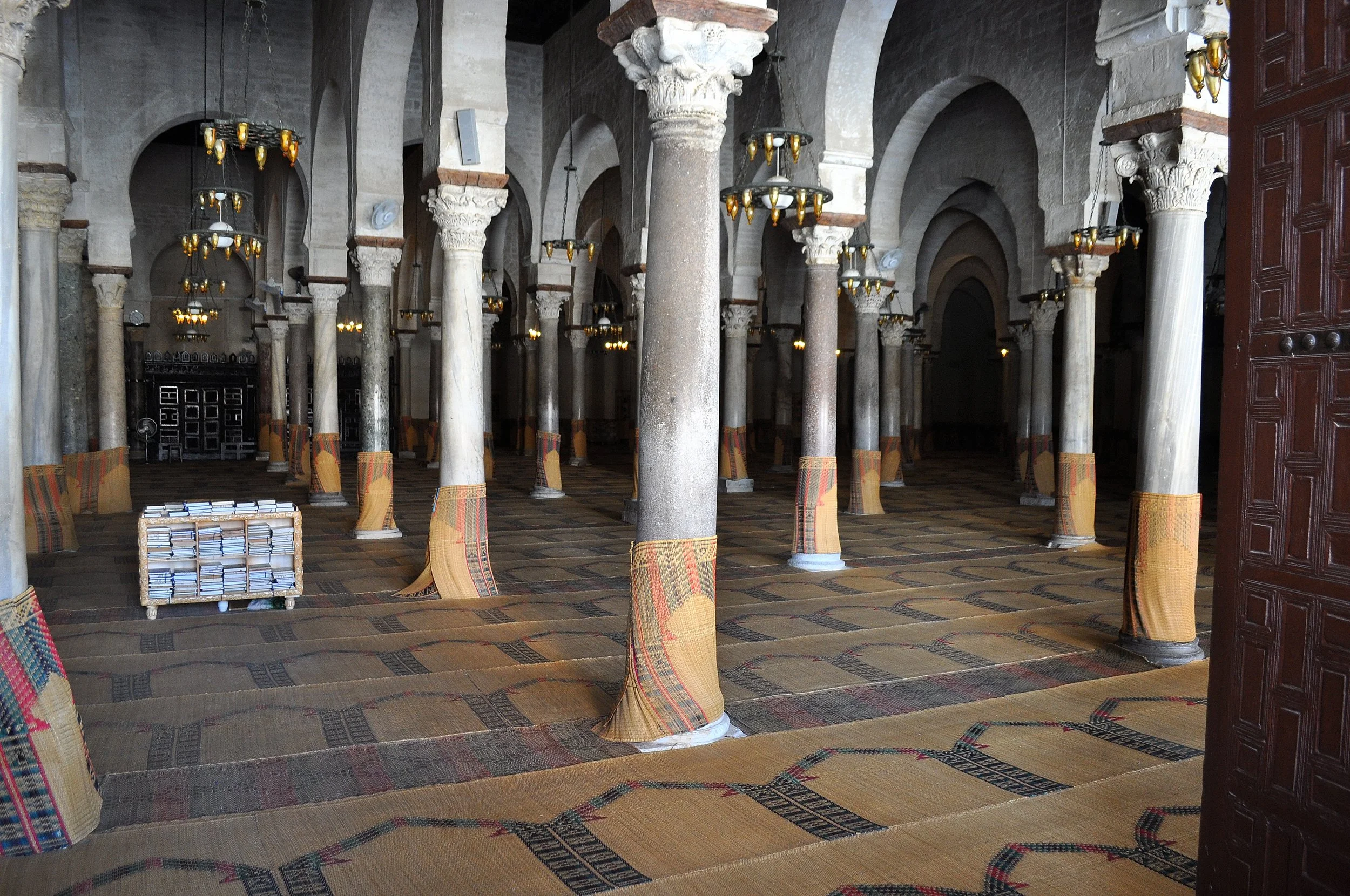
Angela: this is one of the greatest masterpieces of Islamic architecture. The mosque consists of a vast fortress-like structure surrounding a large inner courtyard, where a spectacular colonnade leads towards the prayer hall. Many of these columns were taken from the ancient Roman city of Carthage and reused in the construction of the mosque. The central courtyard is dominated by the imposing minaret, while at its heart lies an ancient sundial, a fascinating element that reflects the historical and scientific knowledge of the civilisation that created this extraordinary monument.


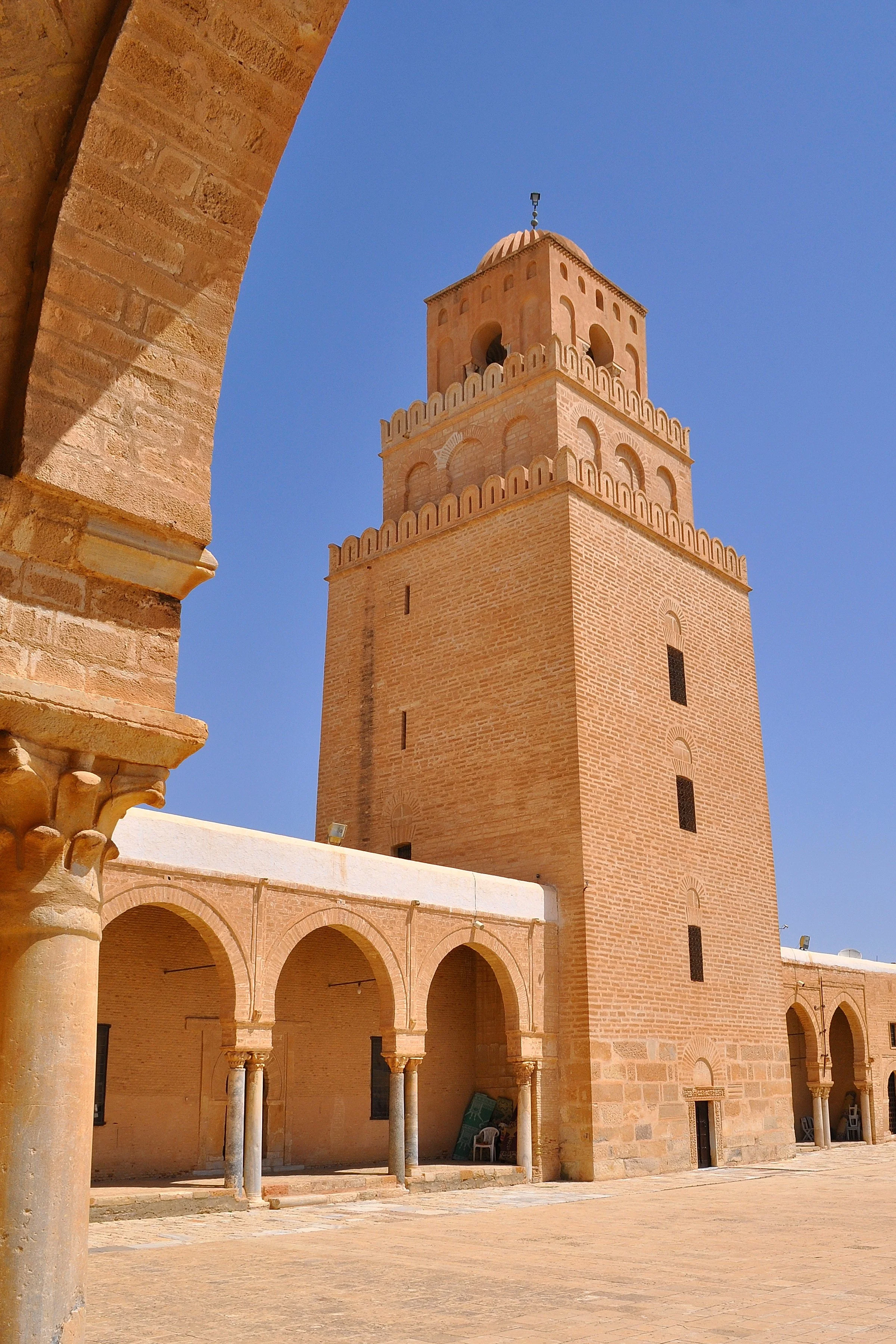
Piero: before visiting the mosque, it is important to remember that this is still an active and deeply revered place of worship. Visitors must therefore wear appropriate clothing, and access is only permitted outside prayer times. Naturally, the prayer hall is not open to non-Muslims, but it can be admired from outside through the entrance door. The sight of the countless columns, arranged almost like a stone forest, together with the elegant arches, is truly a breathtaking spectacle.


Angela: the second most important mosque in Kairouan is the so-called Mosque of the Barber, built in the 17th century on the site where, according to tradition, one of the closest companions of the Prophet Muhammad, Sidi Saheb, was buried. The mosque is also known as the Mausoleum of Sidi Saheb and is particularly famous for its beautiful decorated courtyards, ceramic tiles, and ornate interiors, which make it one of the most fascinating religious monuments in the city.
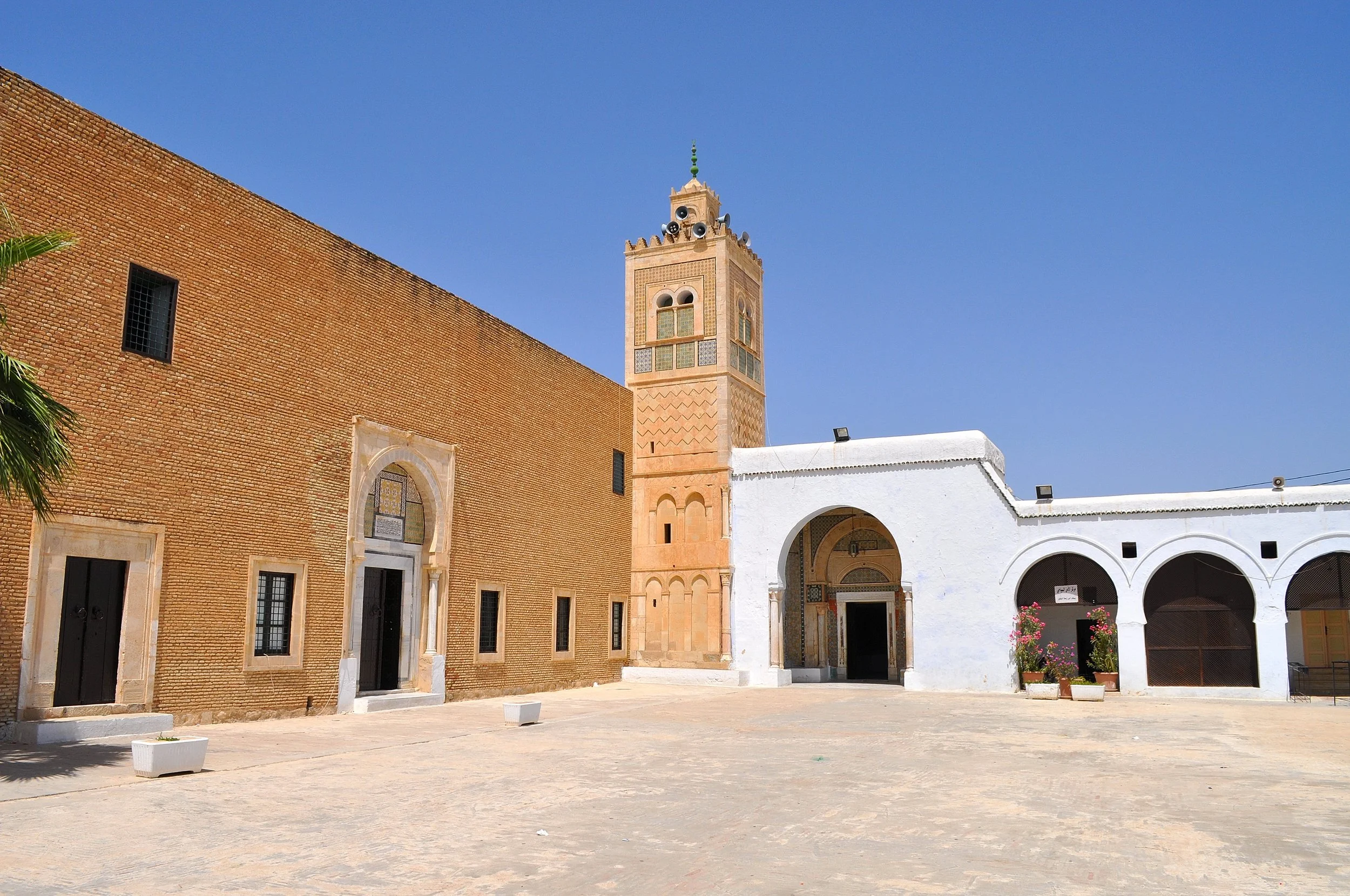
Piero: the mosque, made up of several courtyards and rooms decorated with panels of multicoloured ceramics, houses the mausoleum of the Prophet’s companion. It takes its name from the tradition that Sidi Saheb carried with him some hairs from the beard of the Prophet Muhammad, which were later preserved as a precious relic.
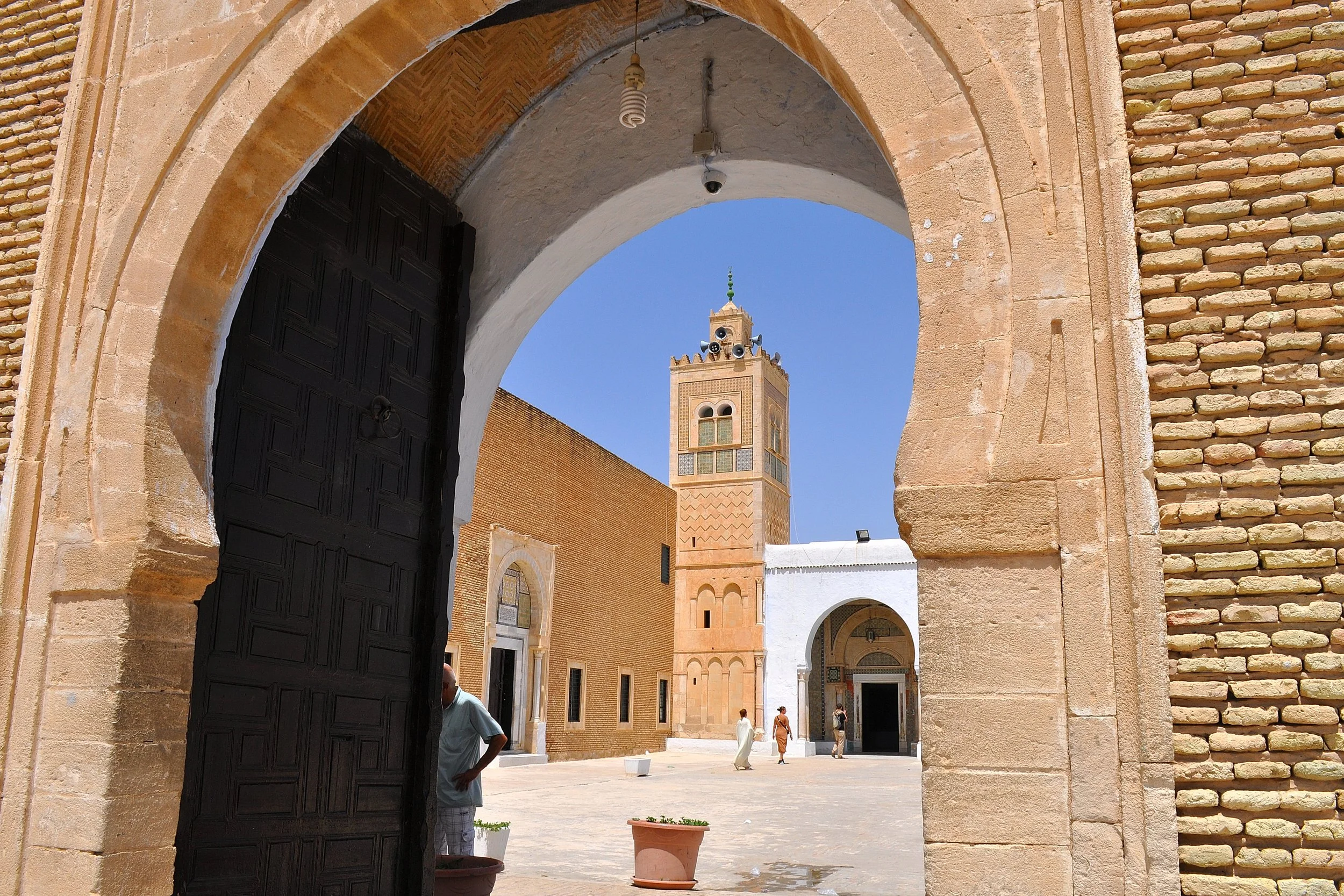


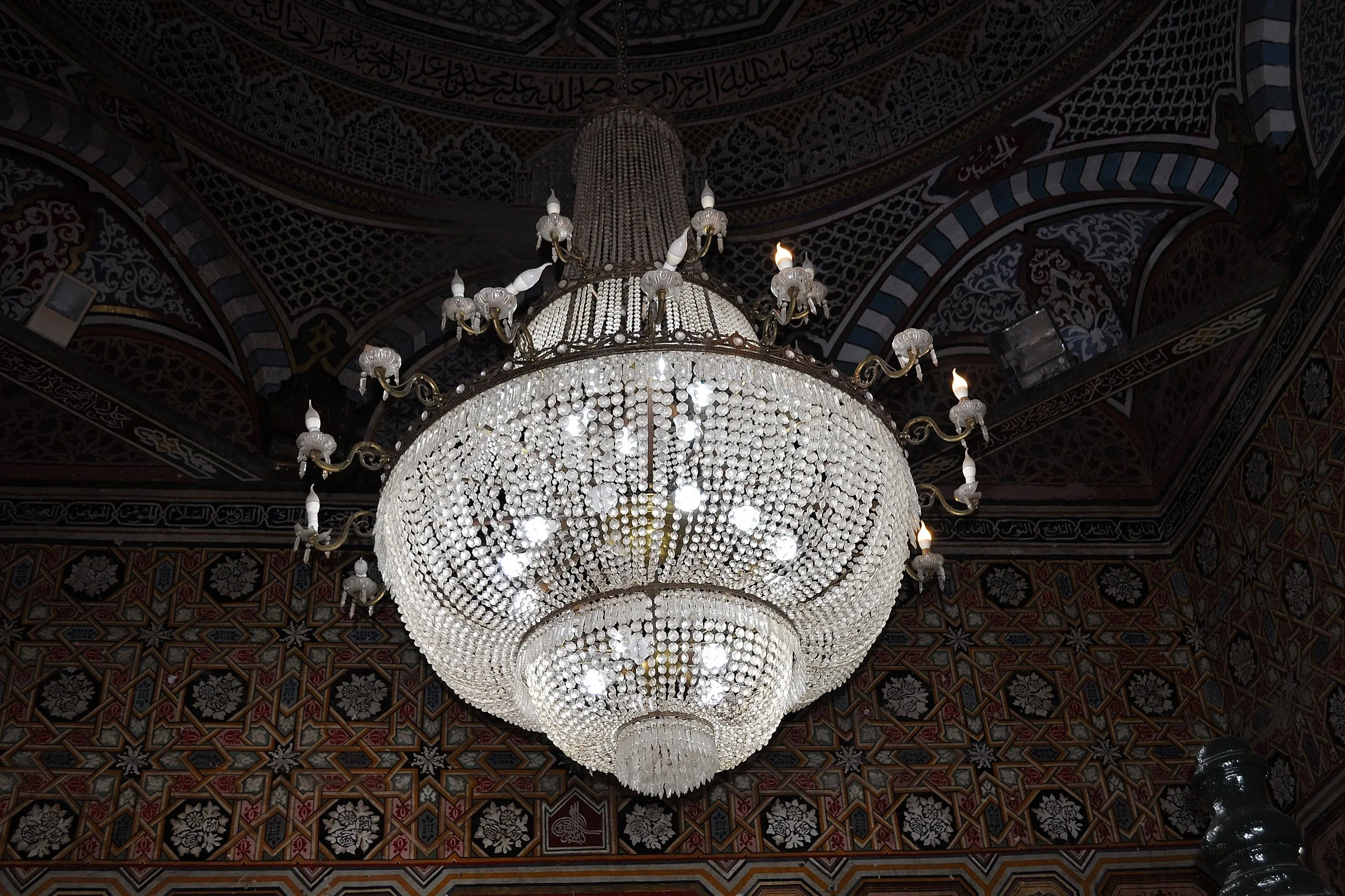

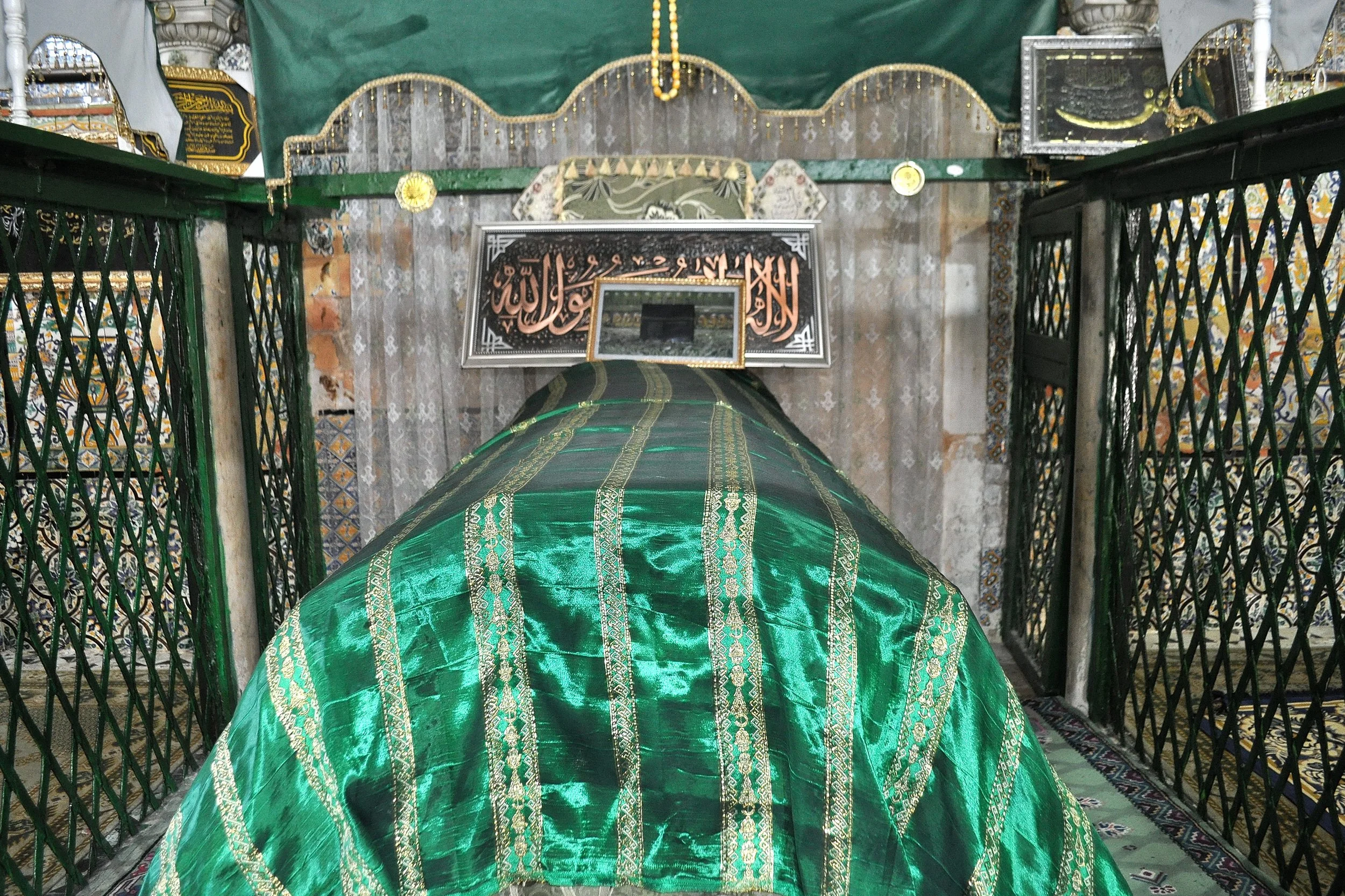

Angela: the historic centre of Kairouan, enclosed within the walls of the old fortified city, is a fascinating maze of narrow alleyways that open onto wider streets before disappearing once again among the low buildings with their earthen walls. It is impossible not to come across one of the many artisan workshops where traditional Tunisian carpets are sold. Watching the craftsmen at work is truly a wonderful experience. We discovered that kilims and mergoums are flat-woven carpets, decorated with parallel stripes and Berber motifs, while gtifs are thick carpets characterised by their bright and vivid colours.

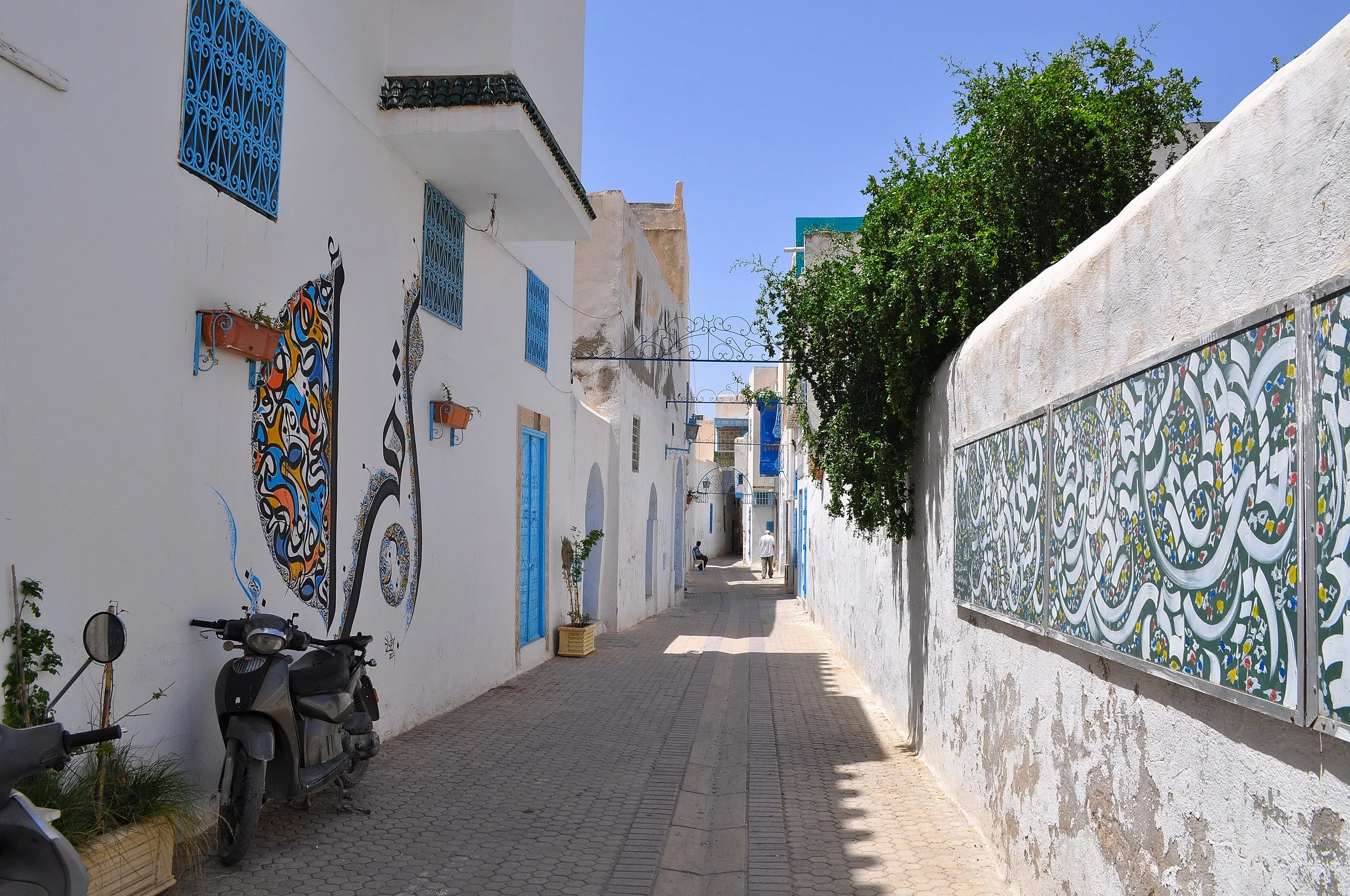
Piero: after our visit to Kairouan, we head towards El Jem. The two cities are about a one-hour drive apart, travelling south through the inland regions of Tunisia.
Angela: the Roman city of Thysdrus, the ancient name of El Jem, was built on the site of older Punic settlements. Probably thanks to a climate that was less arid than today, the city flourished during the 2nd century AD, becoming an important centre for the cultivation and export of olive oil. Its favourable location also made it a major commercial hub, connecting the ports with central Tunisia and facilitating trade routes in both directions.
Piero: during the Roman period, around the 3rd century AD, Thysdrus became so prosperous and influential that it rivalled Carthage for the title of the second most important city in the Roman province of Africa. Perhaps precisely because of the excessive power it had acquired, following a popular uprising in the same century, the city was destroyed and was never rebuilt.
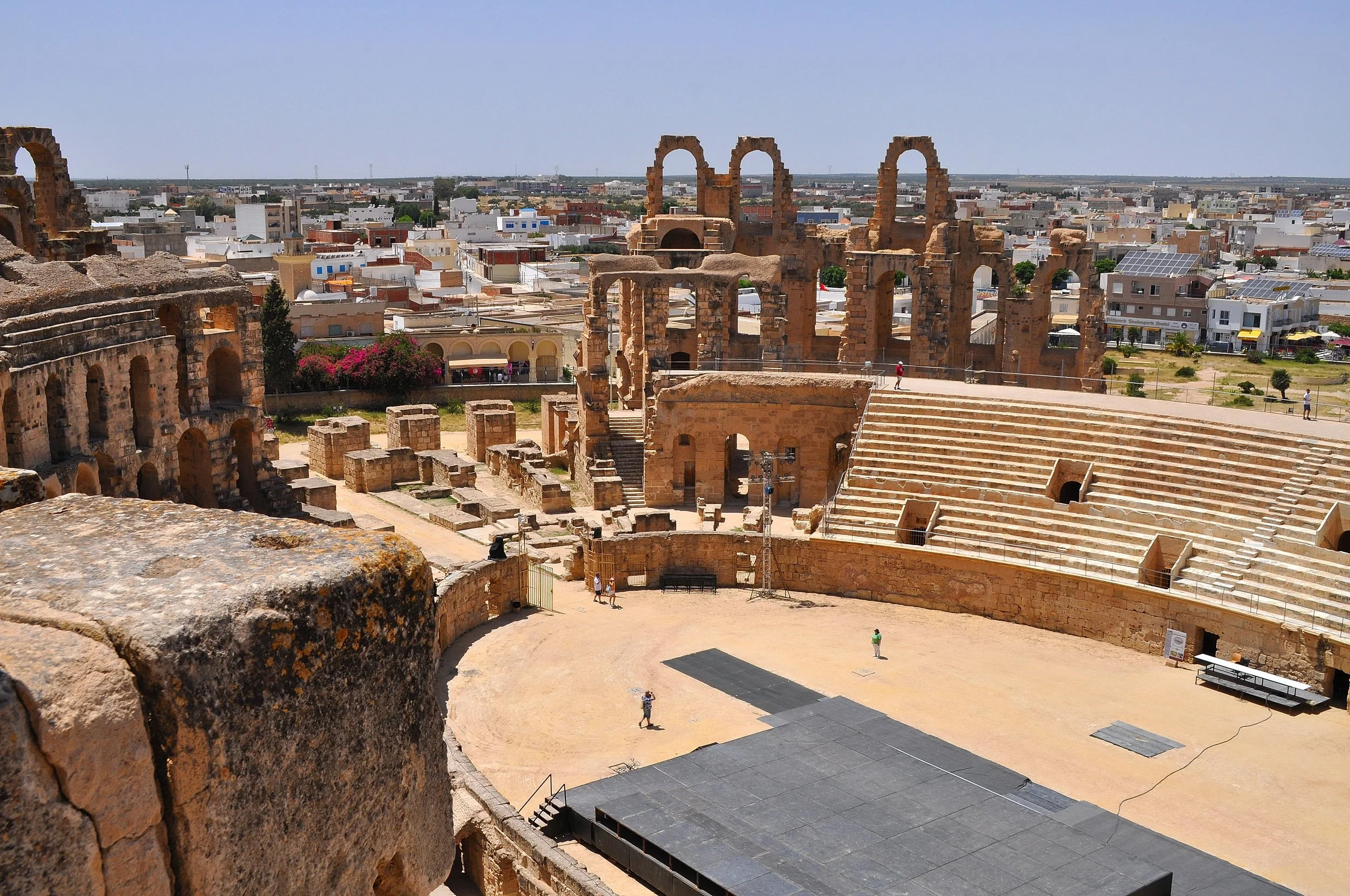
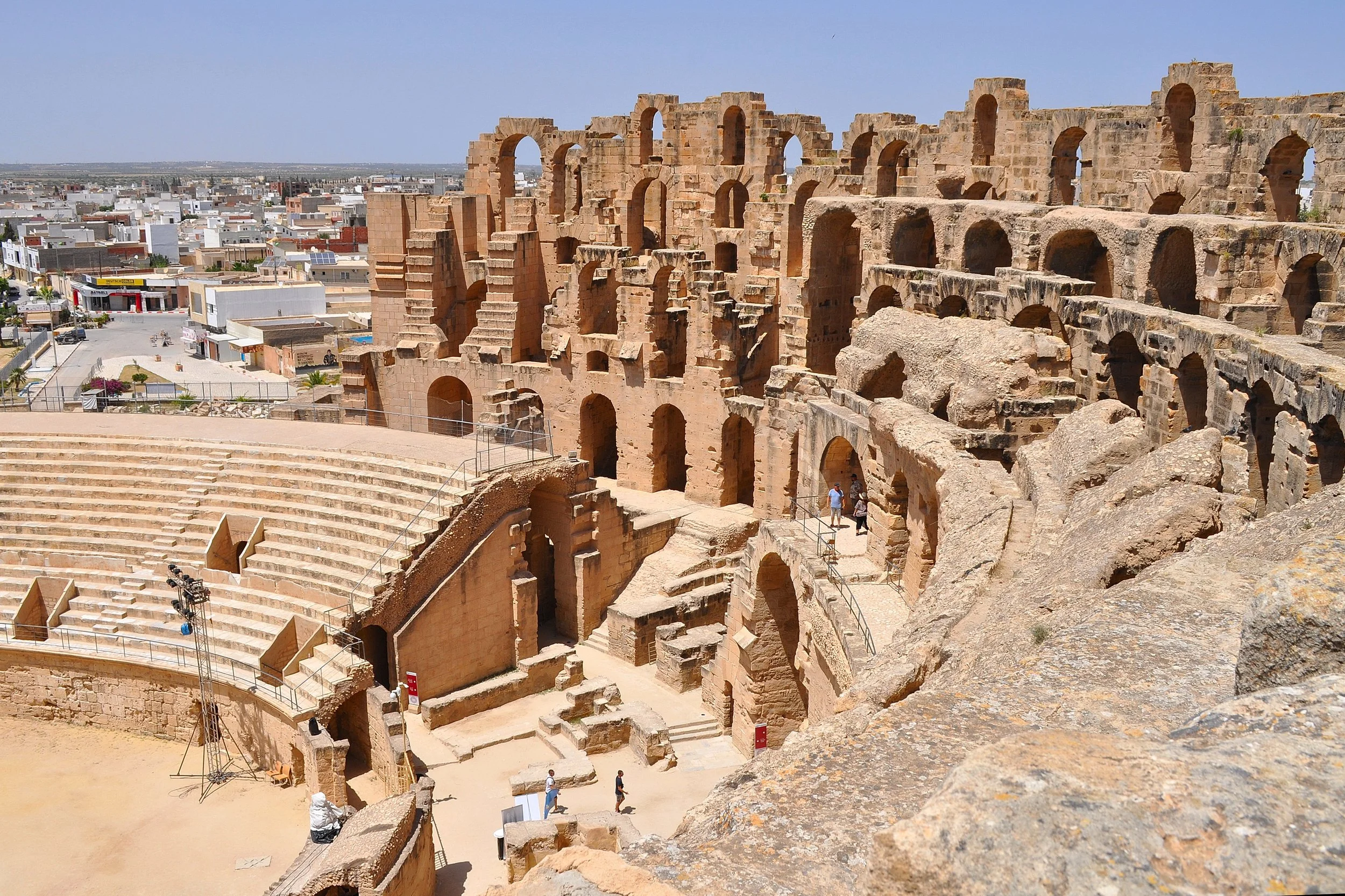
Angela: it was during the period of El Jem’s greatest splendour that its most important monument was built: the amphitheatre, the undisputed symbol of Tunisia and the first monument in the country to be included among the UNESCO World Heritage Sites.
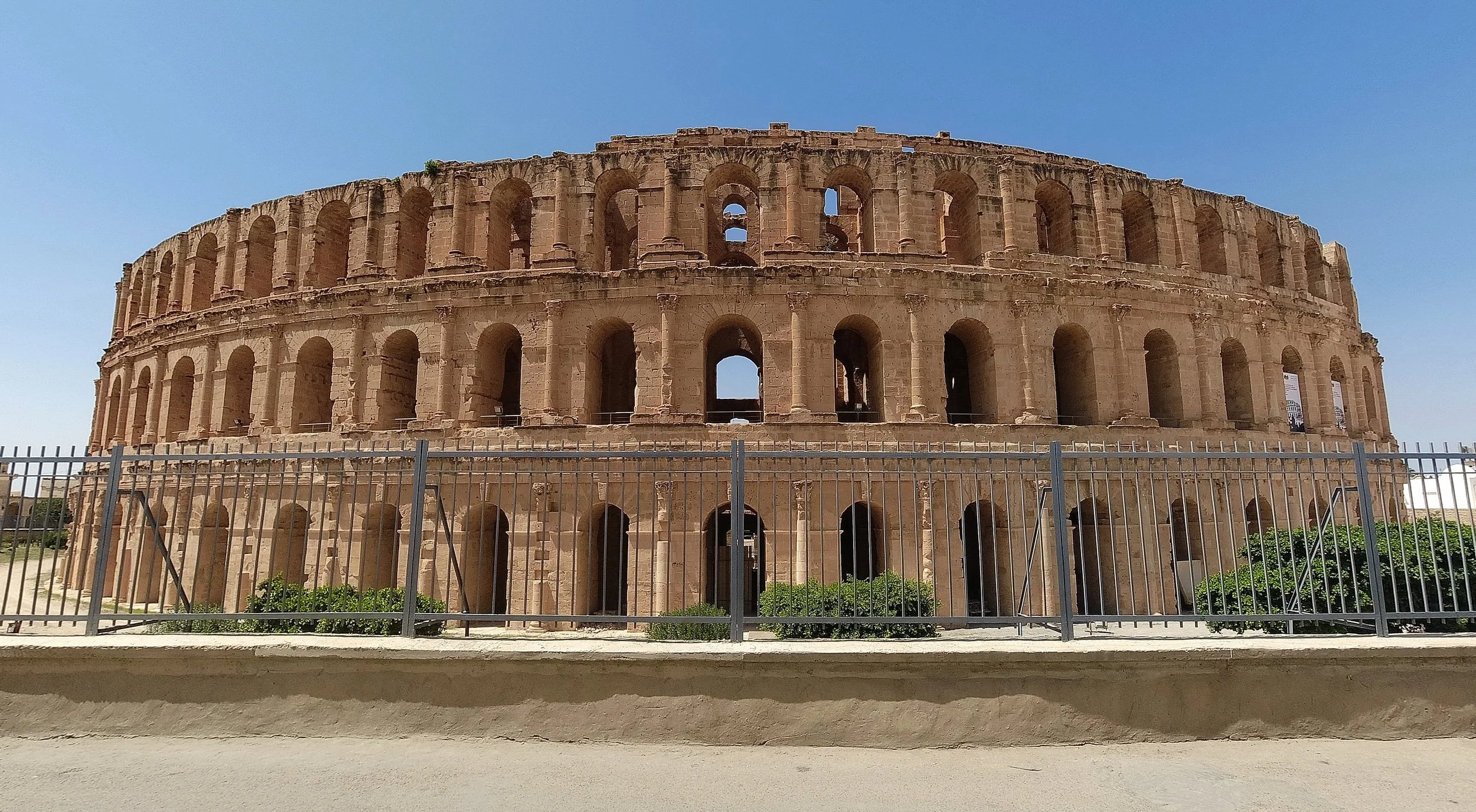
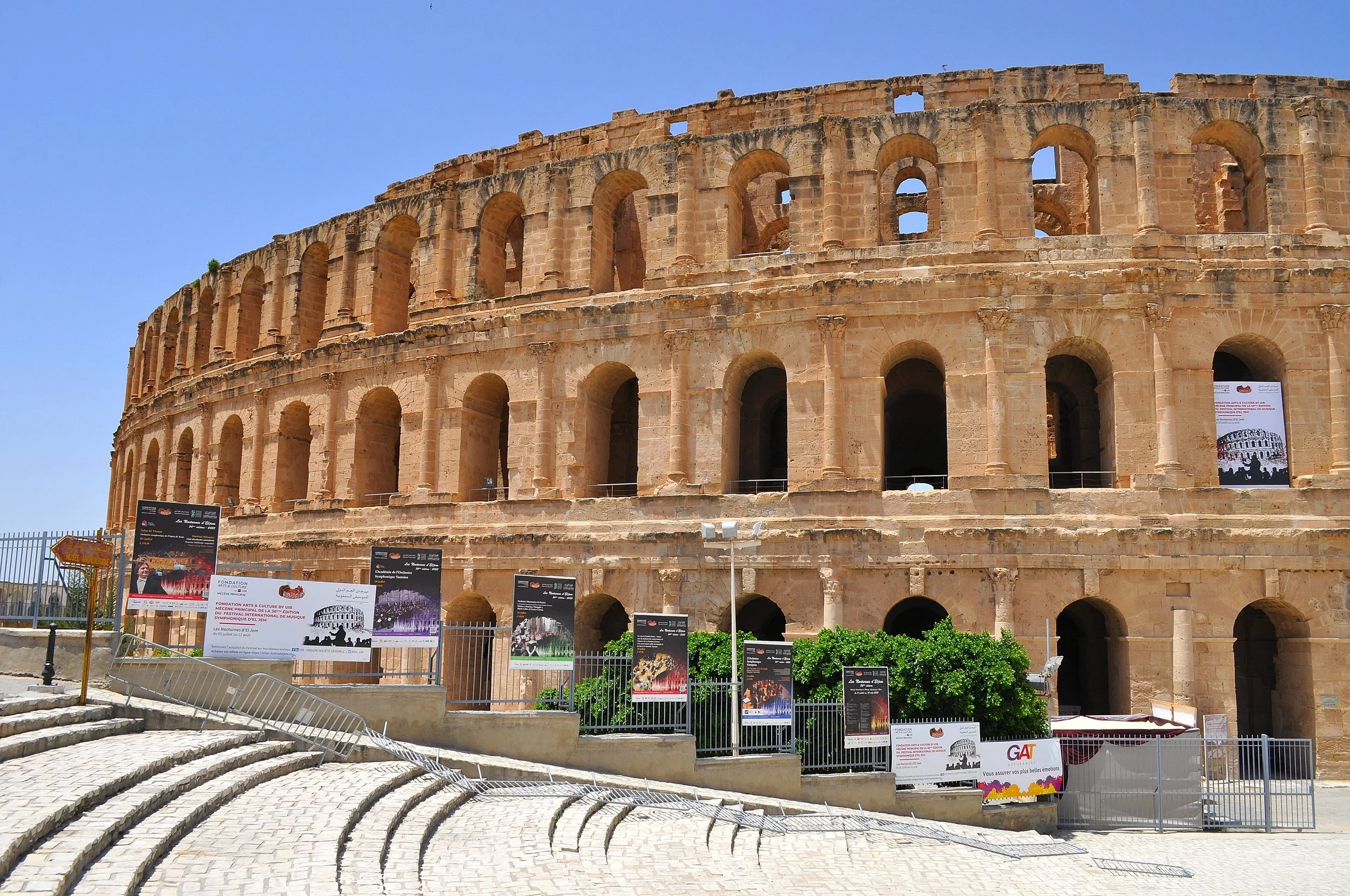
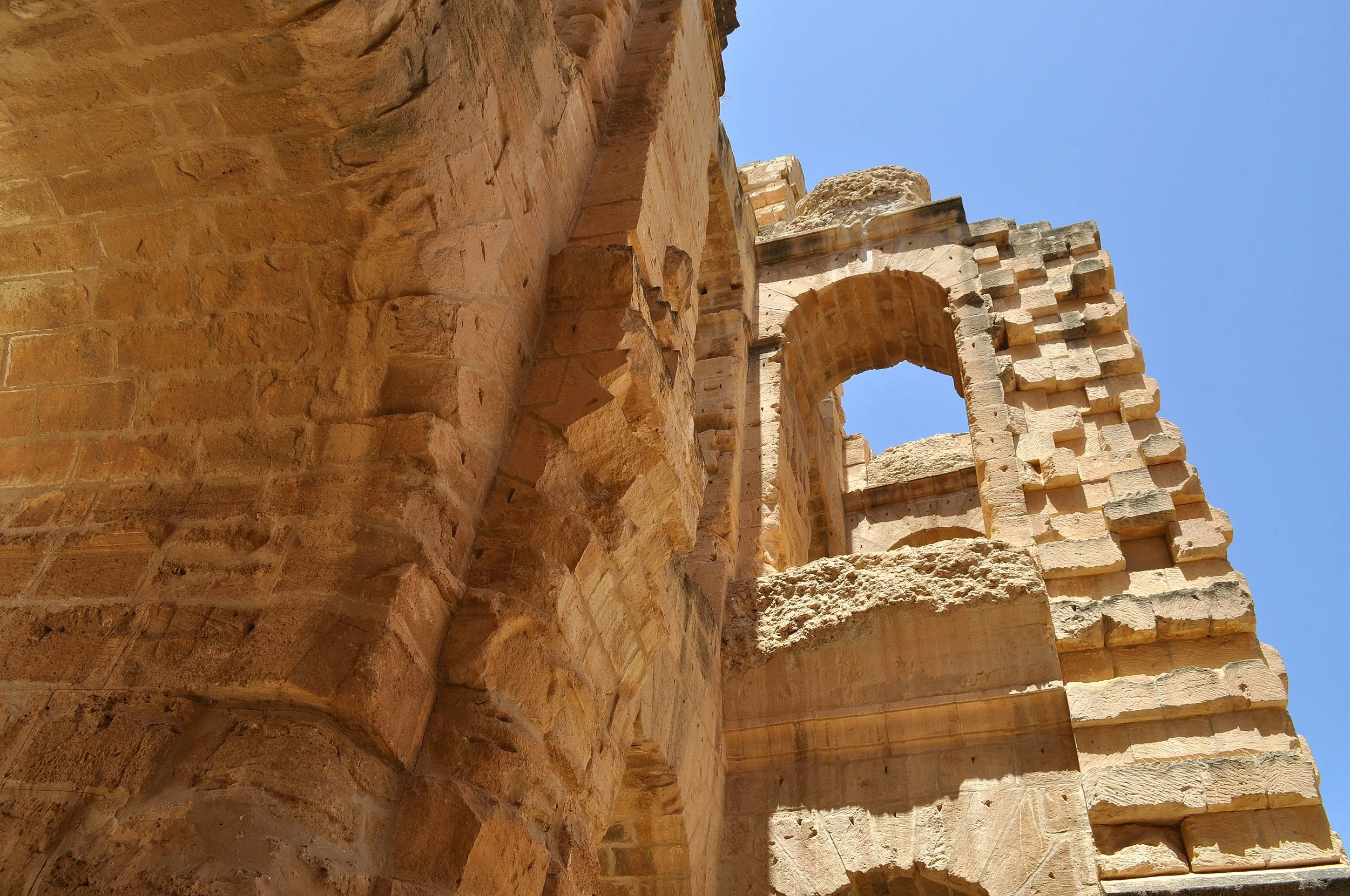
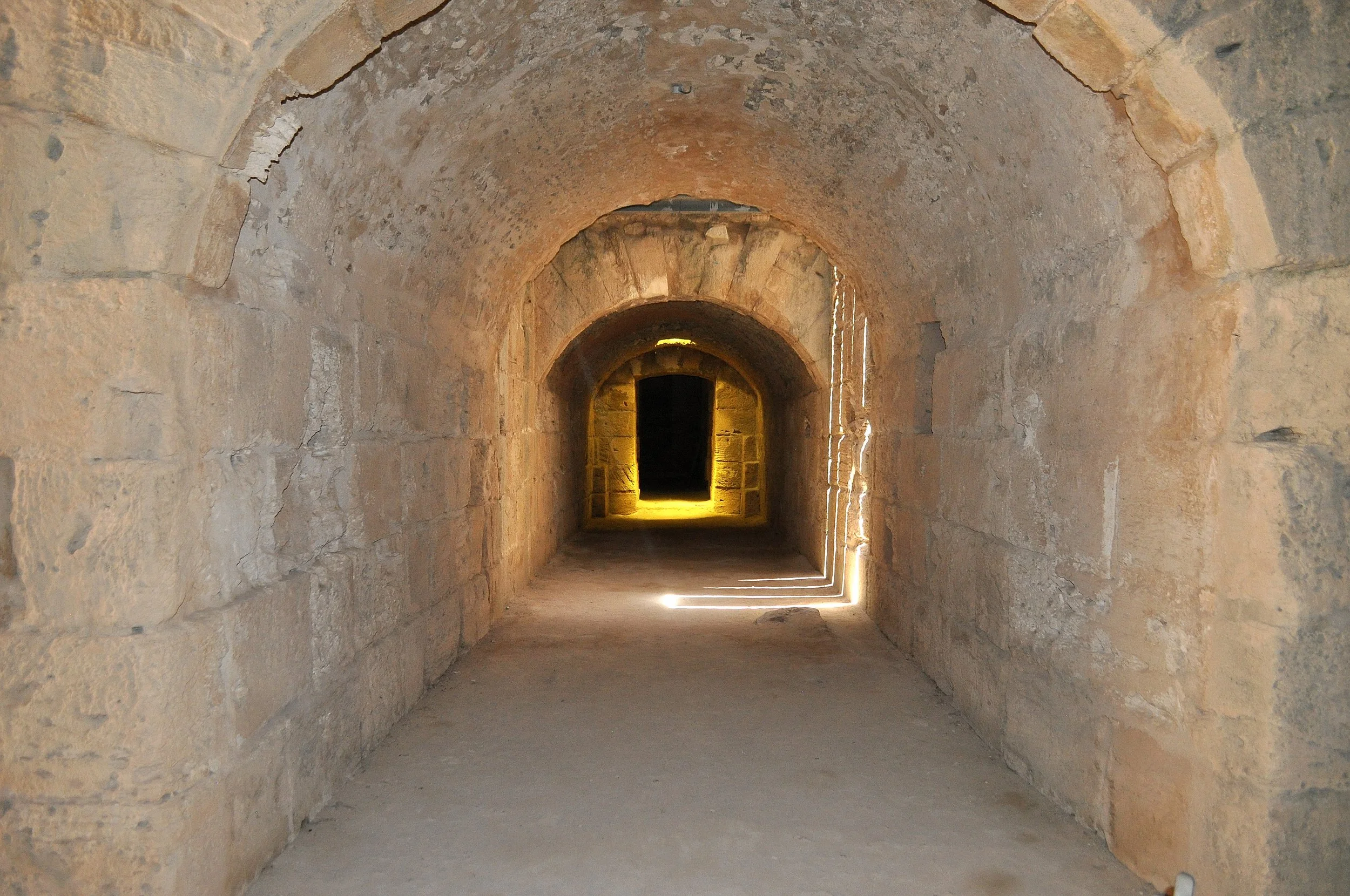
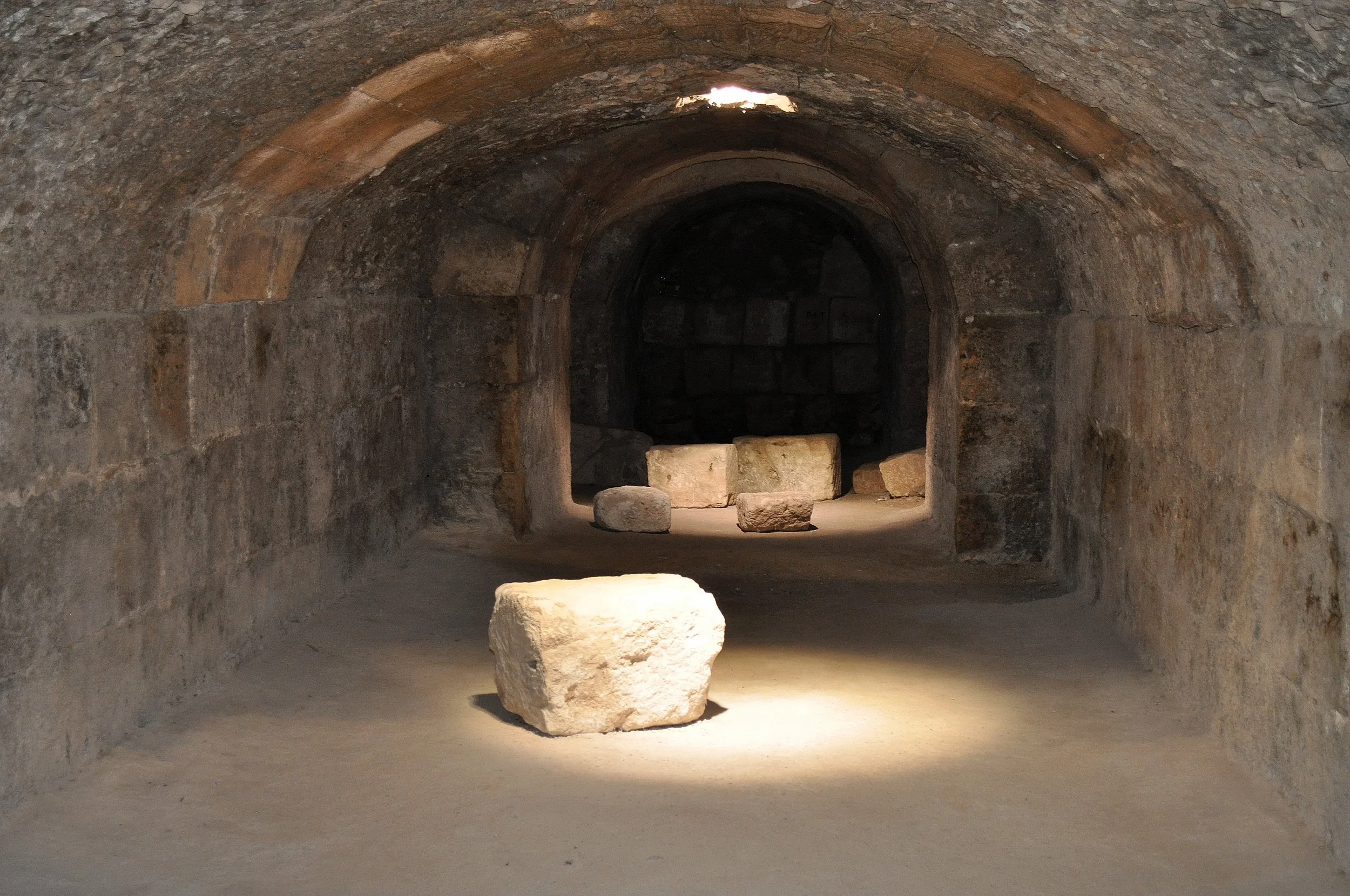
Piero: this is a truly enormous structure, the third largest amphitheatre in the world, surpassed only by the Colosseum in Rome and the amphitheatre of Santa Maria Capua Vetere. It has the typical elliptical shape of Roman amphitheatres, with a perimeter of more than four hundred metres, featuring the classic three levels of superimposed arches. To understand the scale of this extraordinary project, it is worth remembering that there were no suitable stone quarries near El Jem: the blocks used for its construction had to be transported from more than thirty kilometres away.
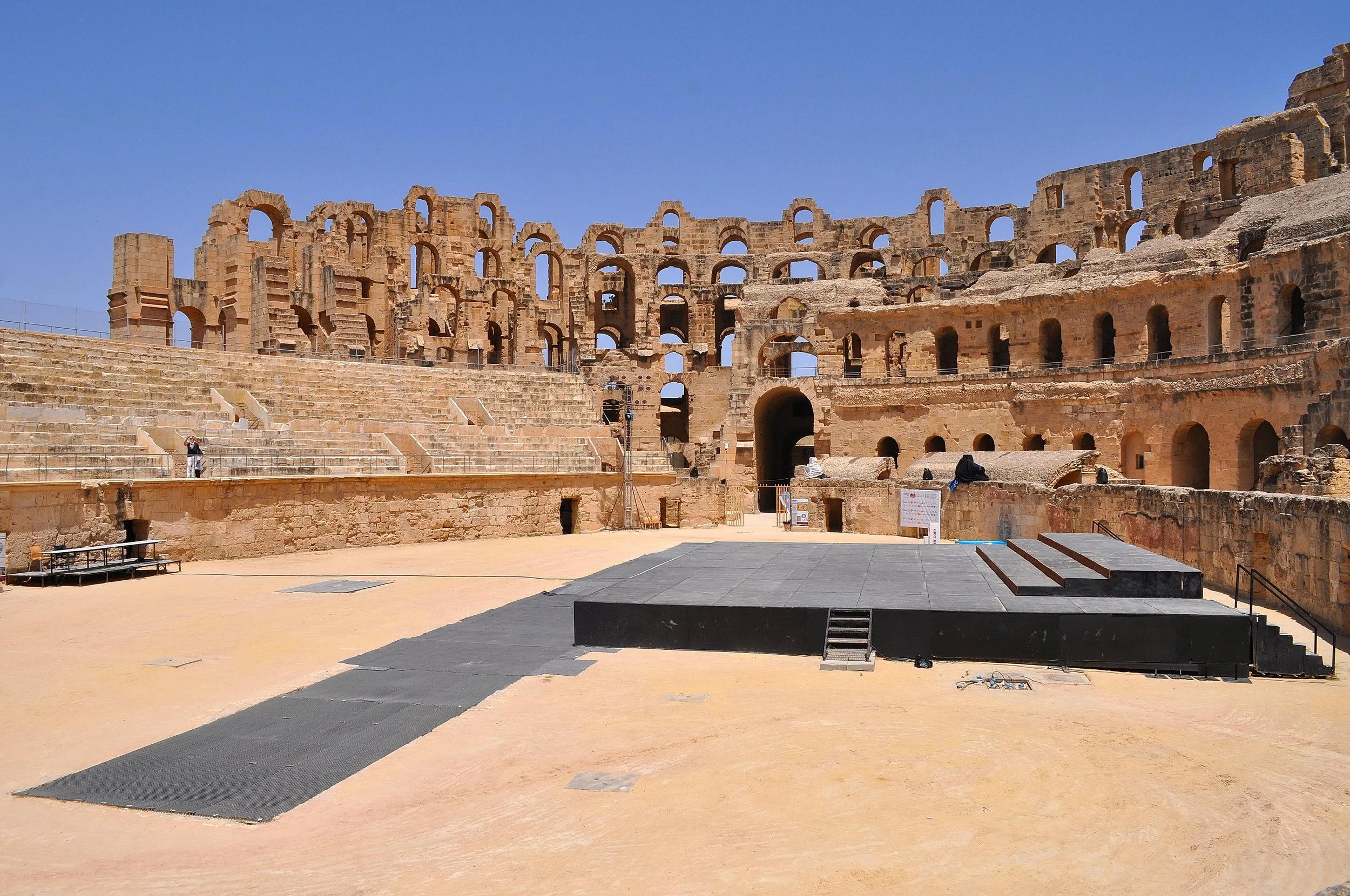
Angela: there are no particular inscriptions or decorative elements on the building. The patron was most likely proconsul Gordian I. The amphitheatre could accommodate up to thirty-five thousand spectators, far more than the entire population of Thysdrus at the time. In more recent years, the amphitheatre became famous worldwide as one of the locations used for filming scenes from the movie “Gladiator”.
Piero: today the structure is remarkably well preserved and is still used for performances and events of various kinds. It remained almost completely intact until the 17th century; afterwards, some of its stone blocks were reused for the enlargement of the Great Mosque of Kairouan and for the construction of the present-day village of El Jem.




Journey through ancient history: Dougga and Carthage
Angela: an early start today, because a long and demanding day awaits us, taking us deep into the ancient history of Tunisia between Dougga and Carthage.
Piero: to reach our first destination, Dougga, we need more than three hours by car, travelling along roads that are not always easy and are rarely used. We arrive in the late morning, and the heat is already intense. It is almost unavoidable, as it seems that this is the climate here throughout much of the year. After all, we are in the inland region of Tunisia, not far from the border with Algeria.
Angela: Dougga is undoubtedly a magnificent Roman archaeological site, perhaps the most impressive and best preserved in Africa. This UNESCO World Heritage Site is surprisingly intact and remarkably well preserved, probably thanks to the layers of sand that covered and protected it for centuries.
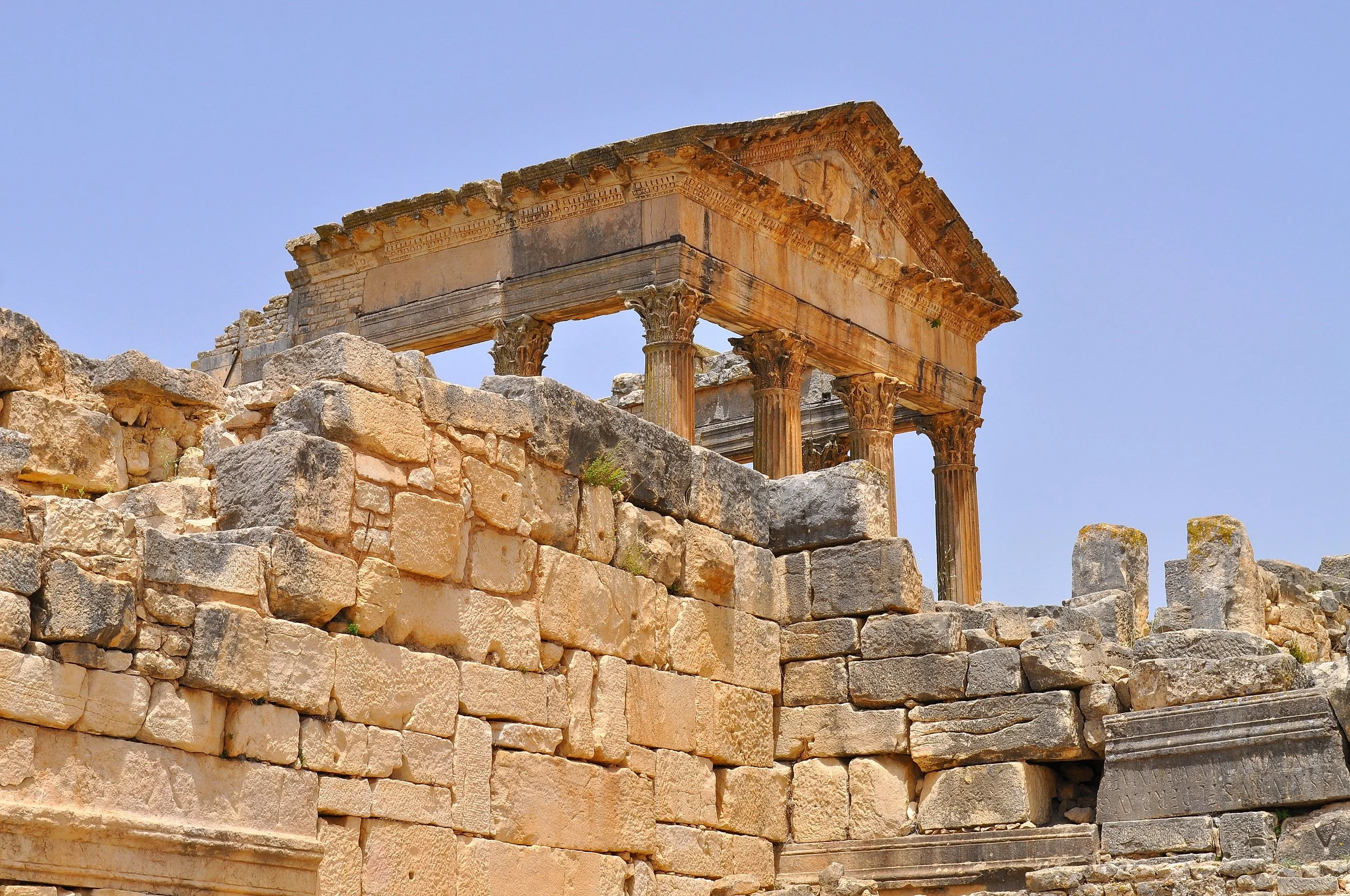
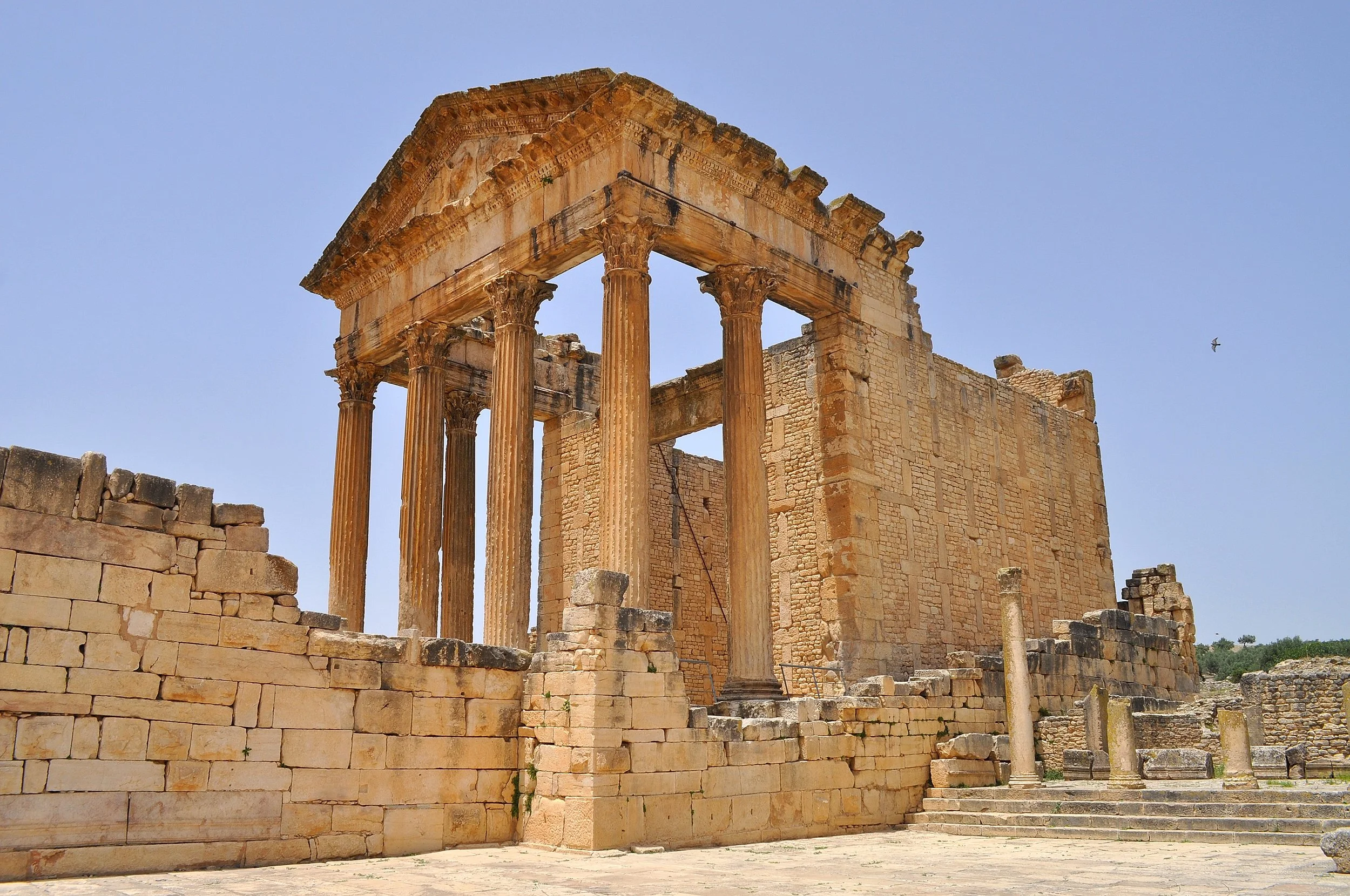
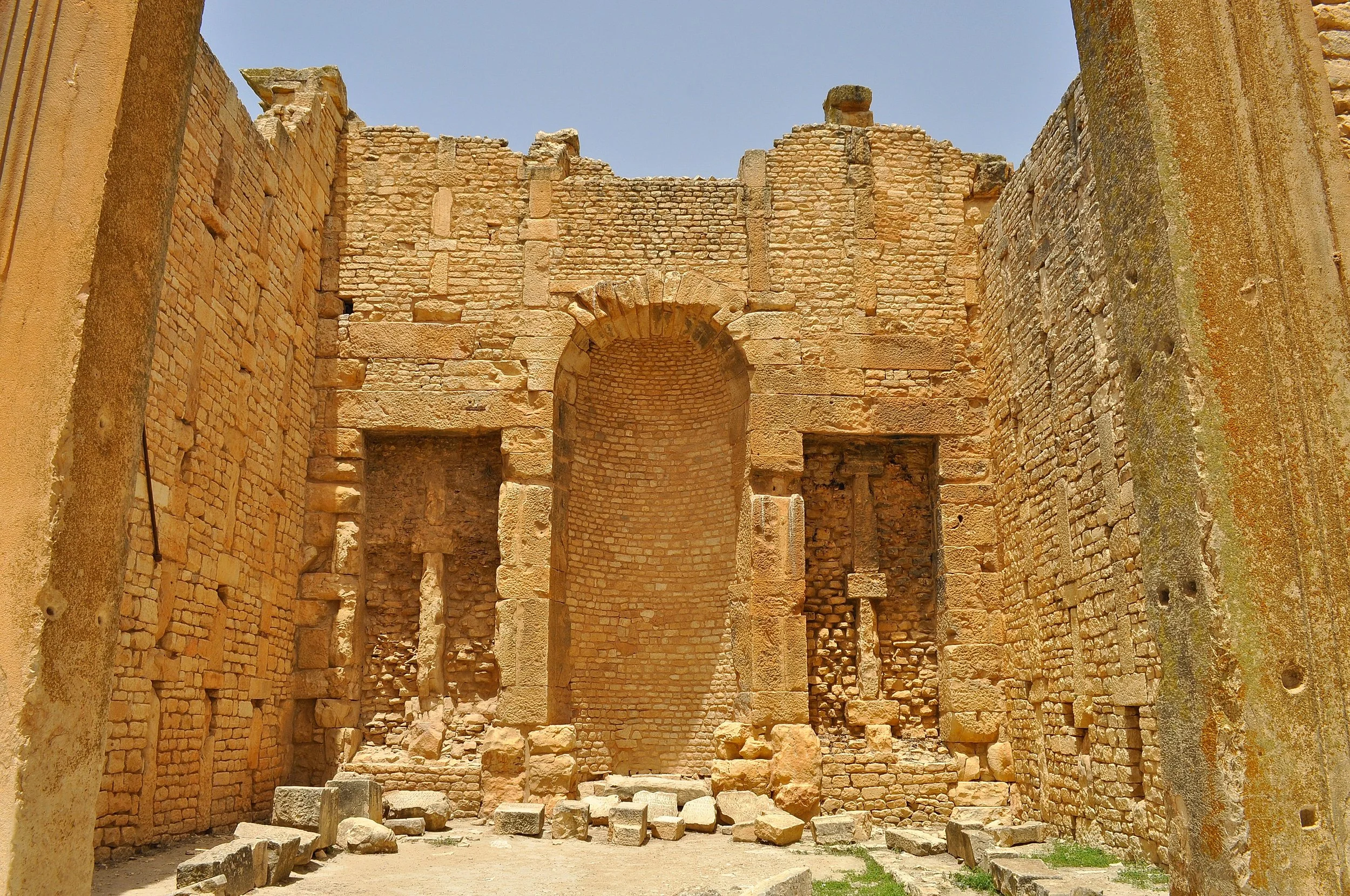

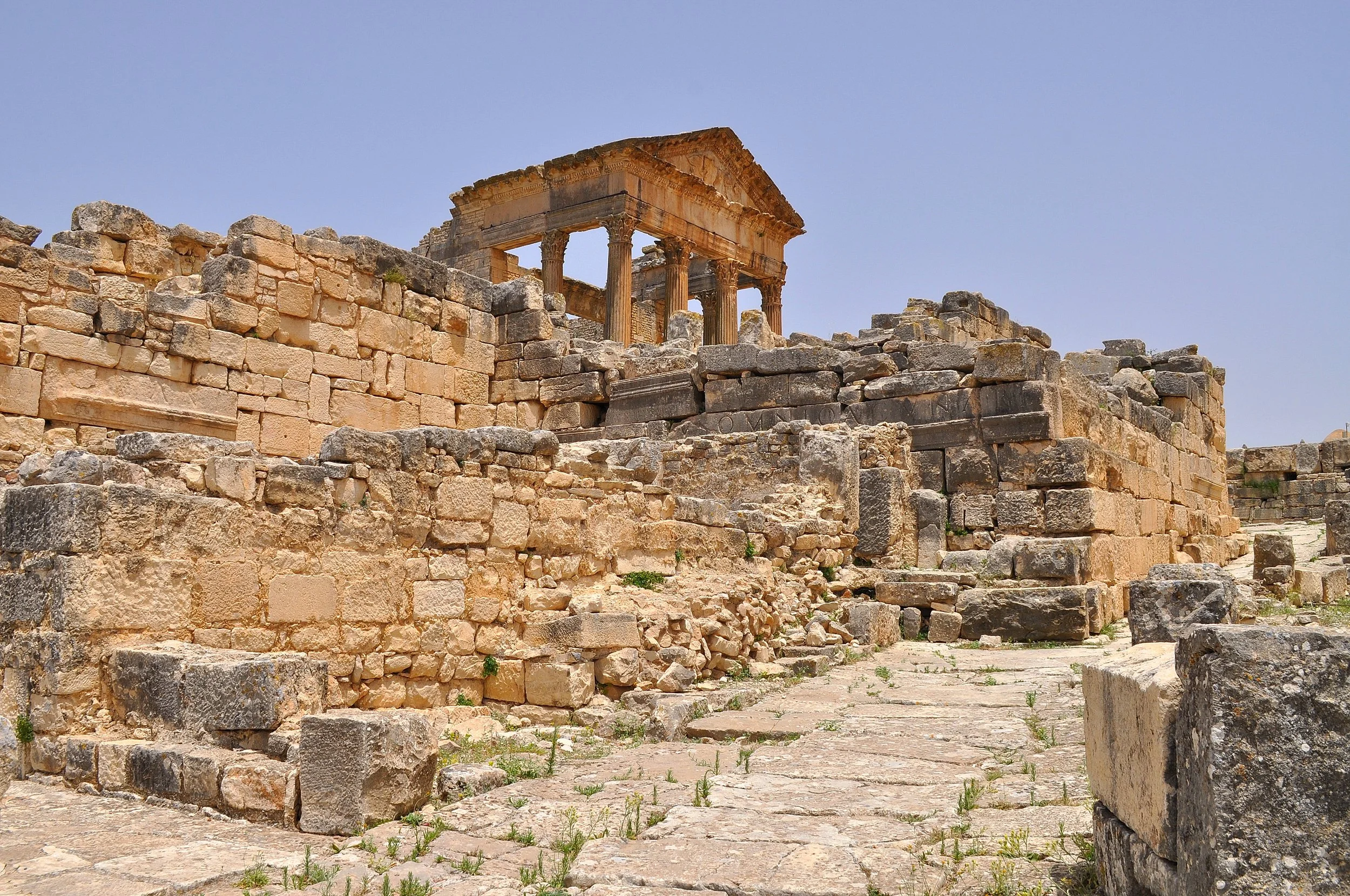

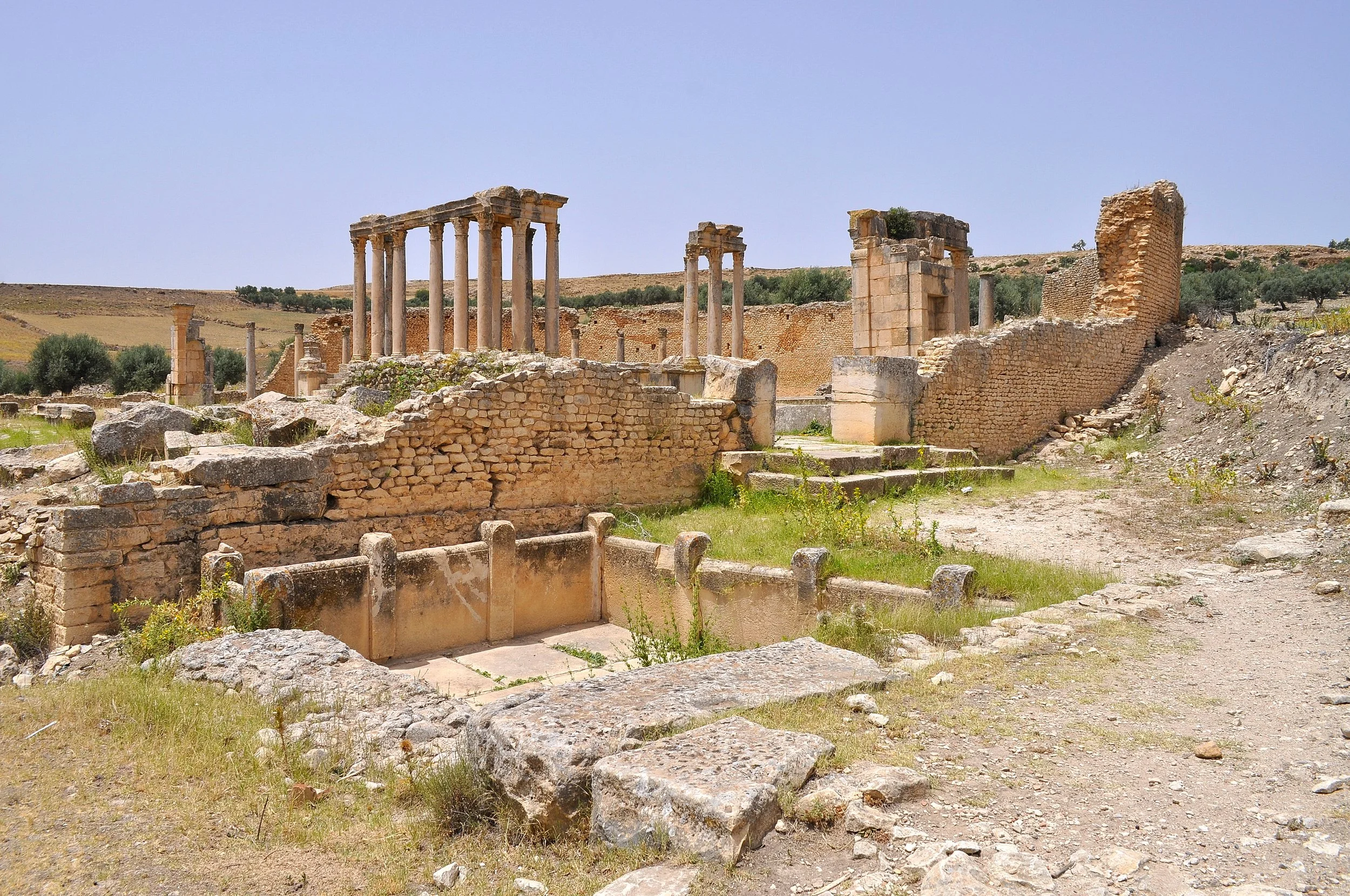


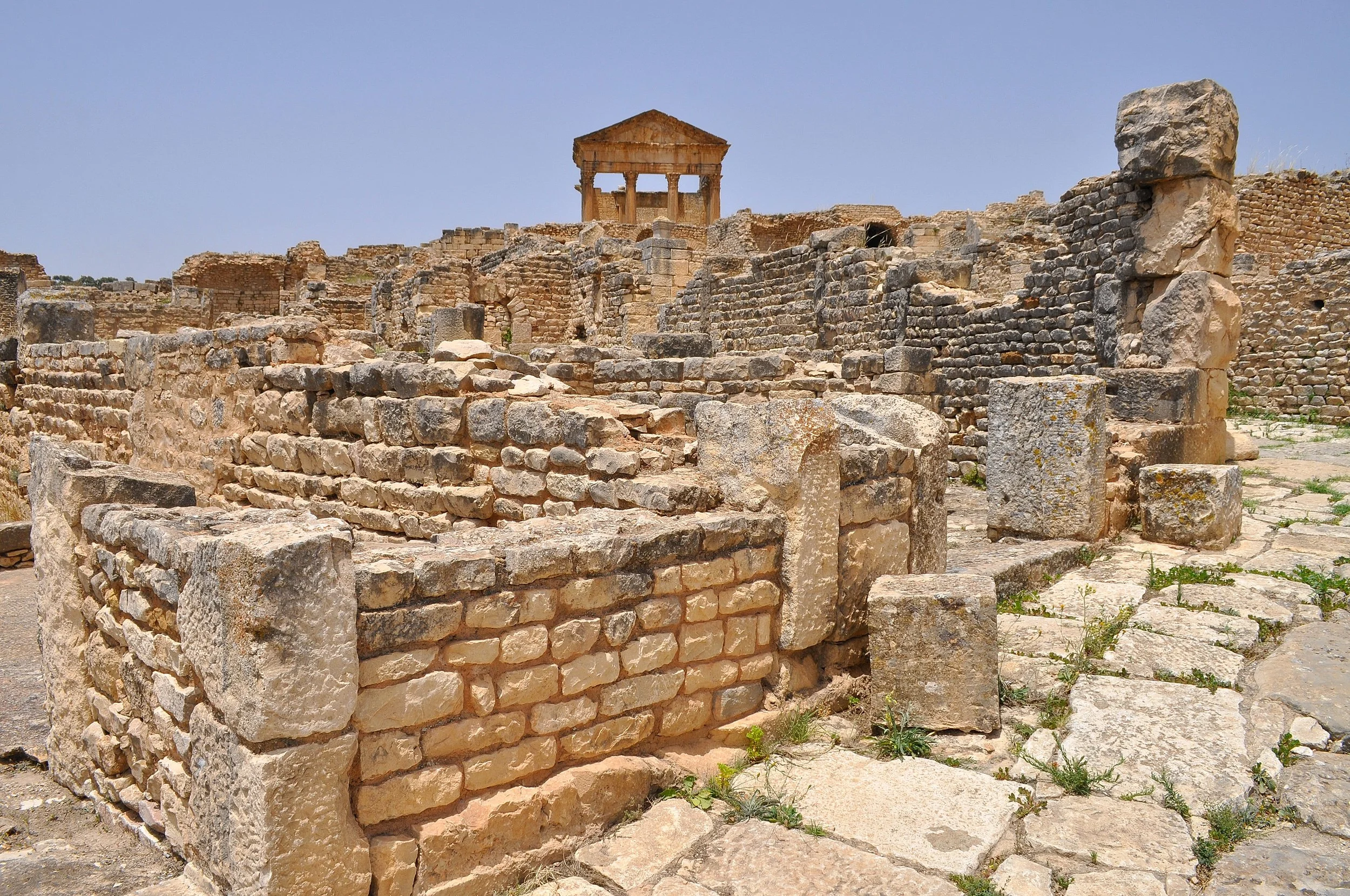
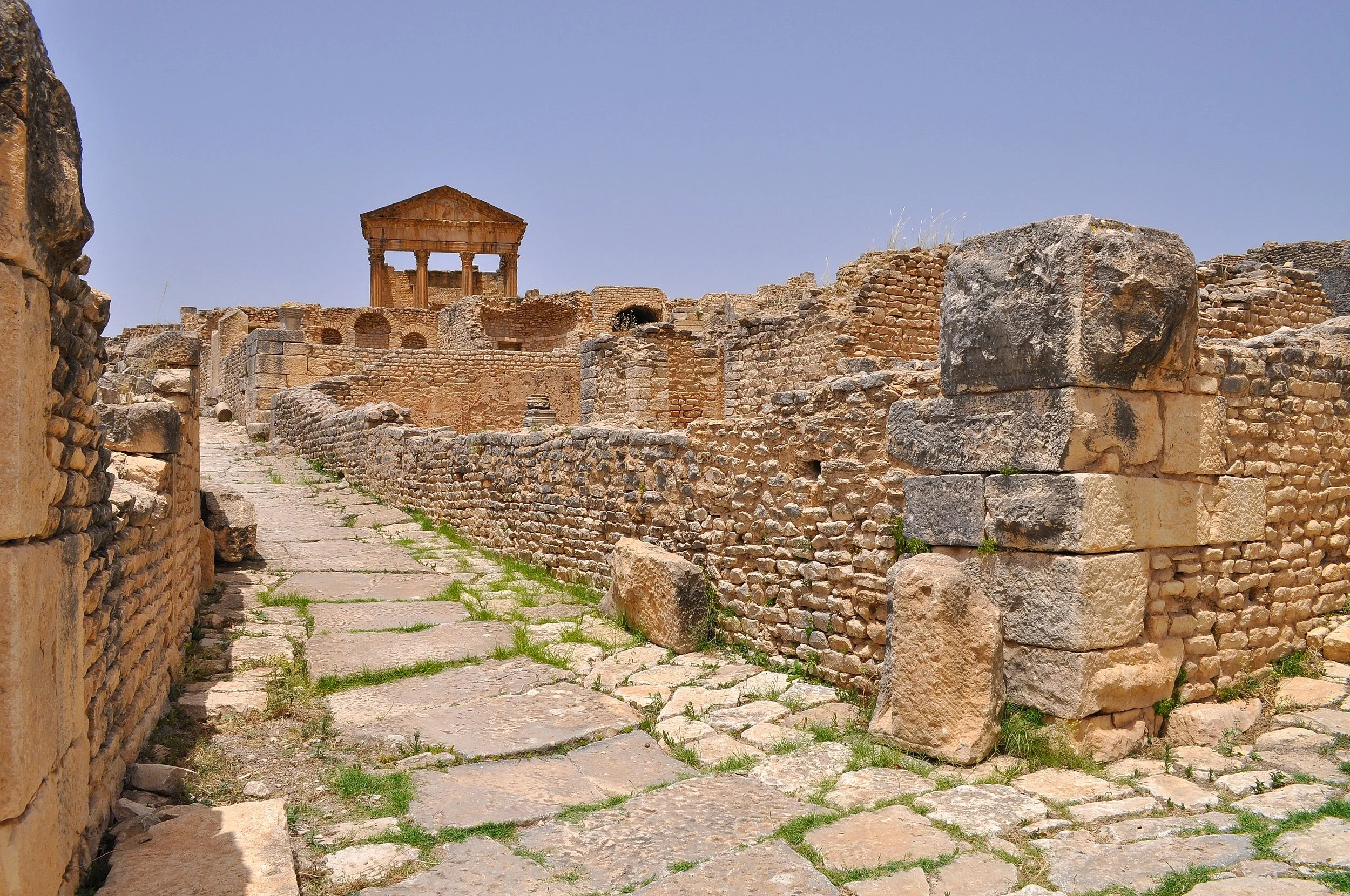
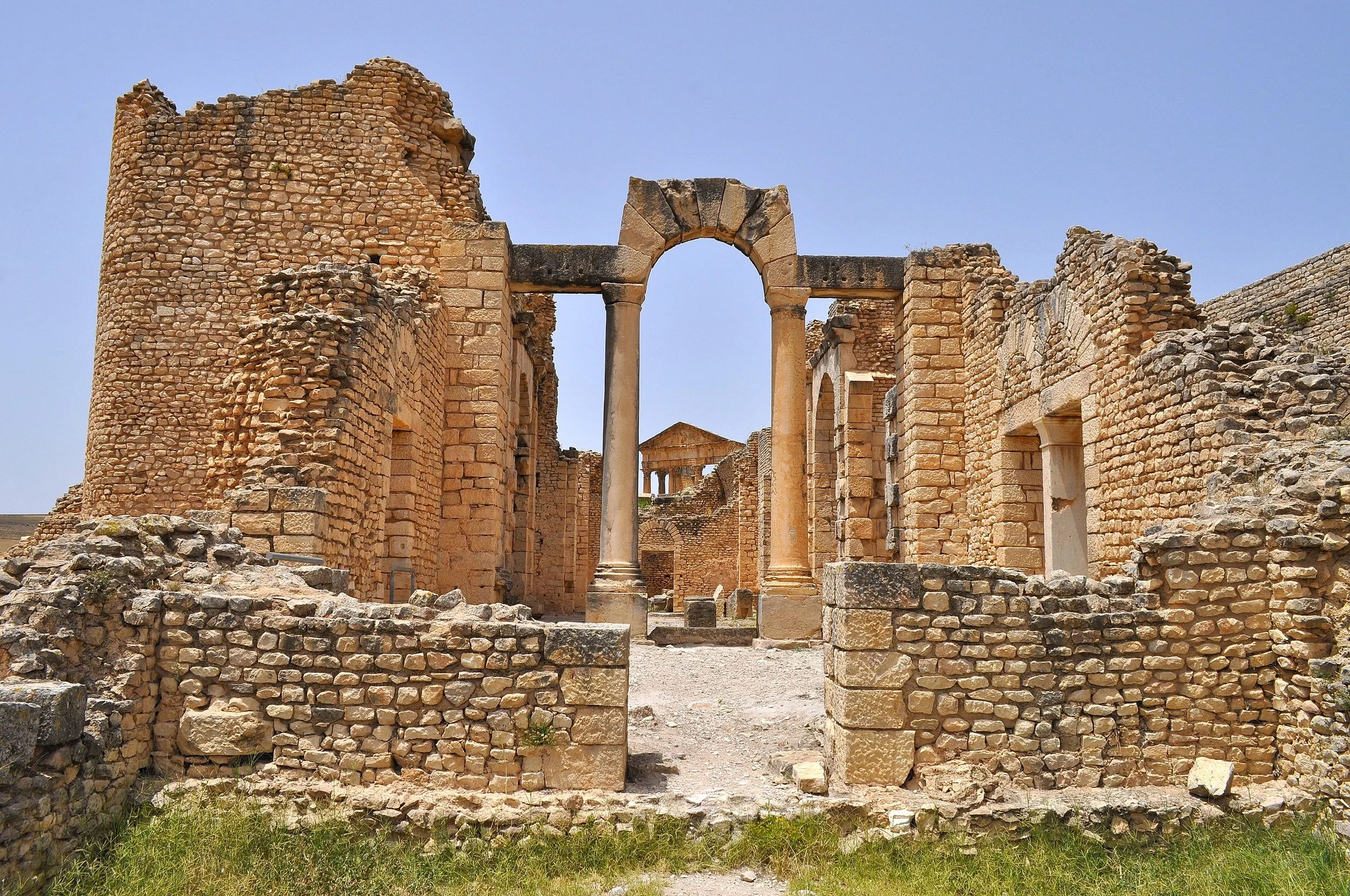
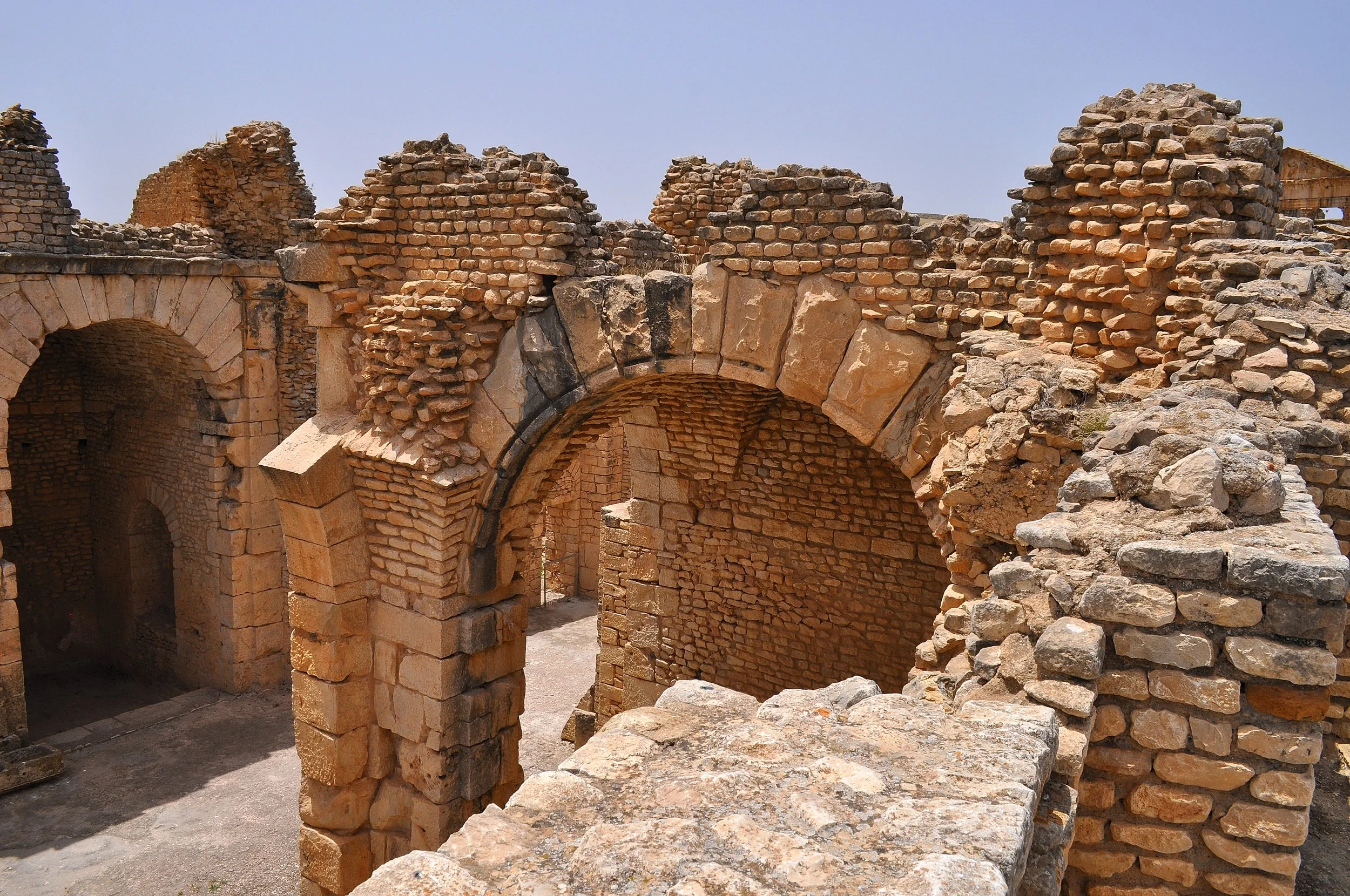

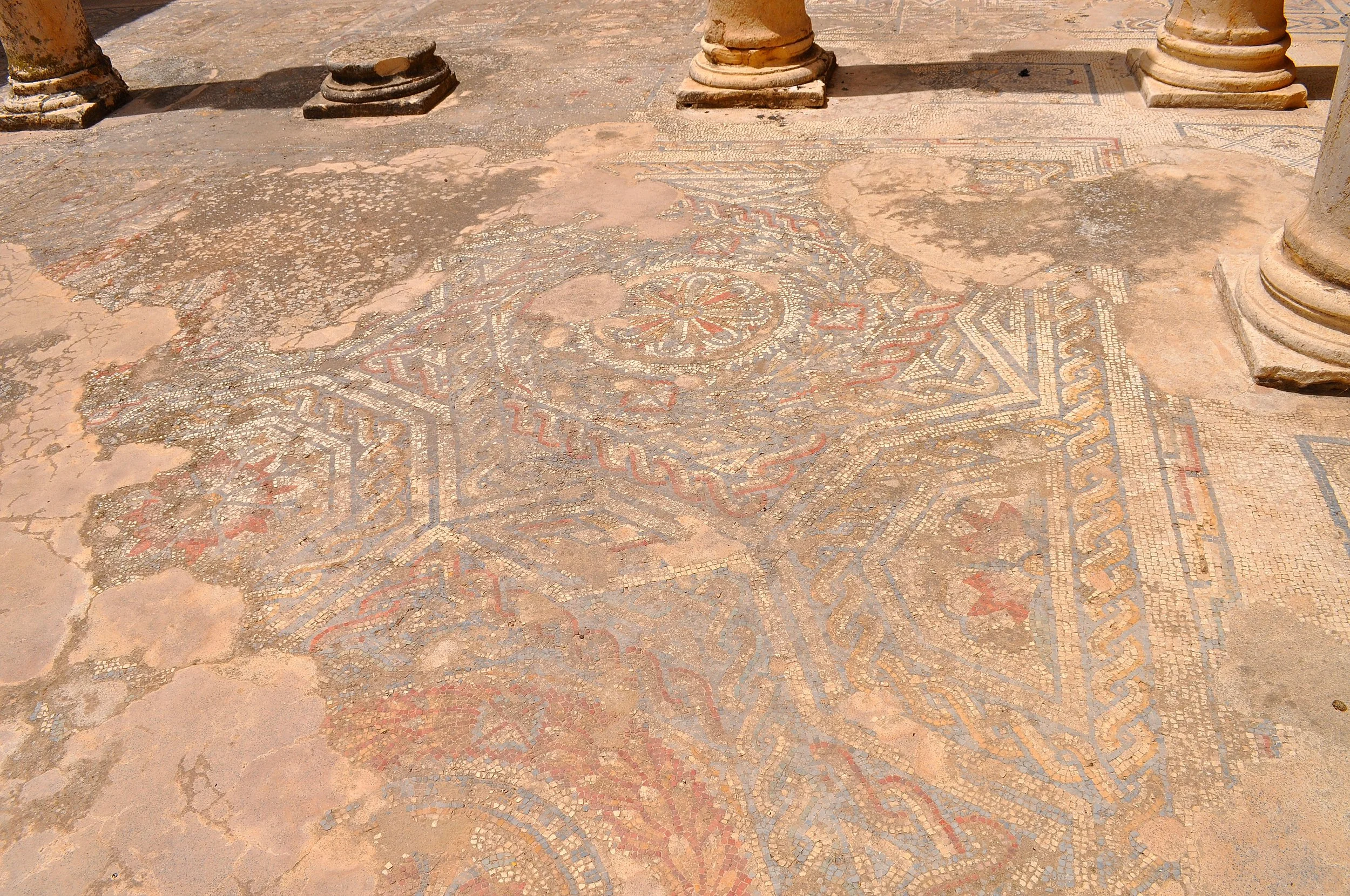
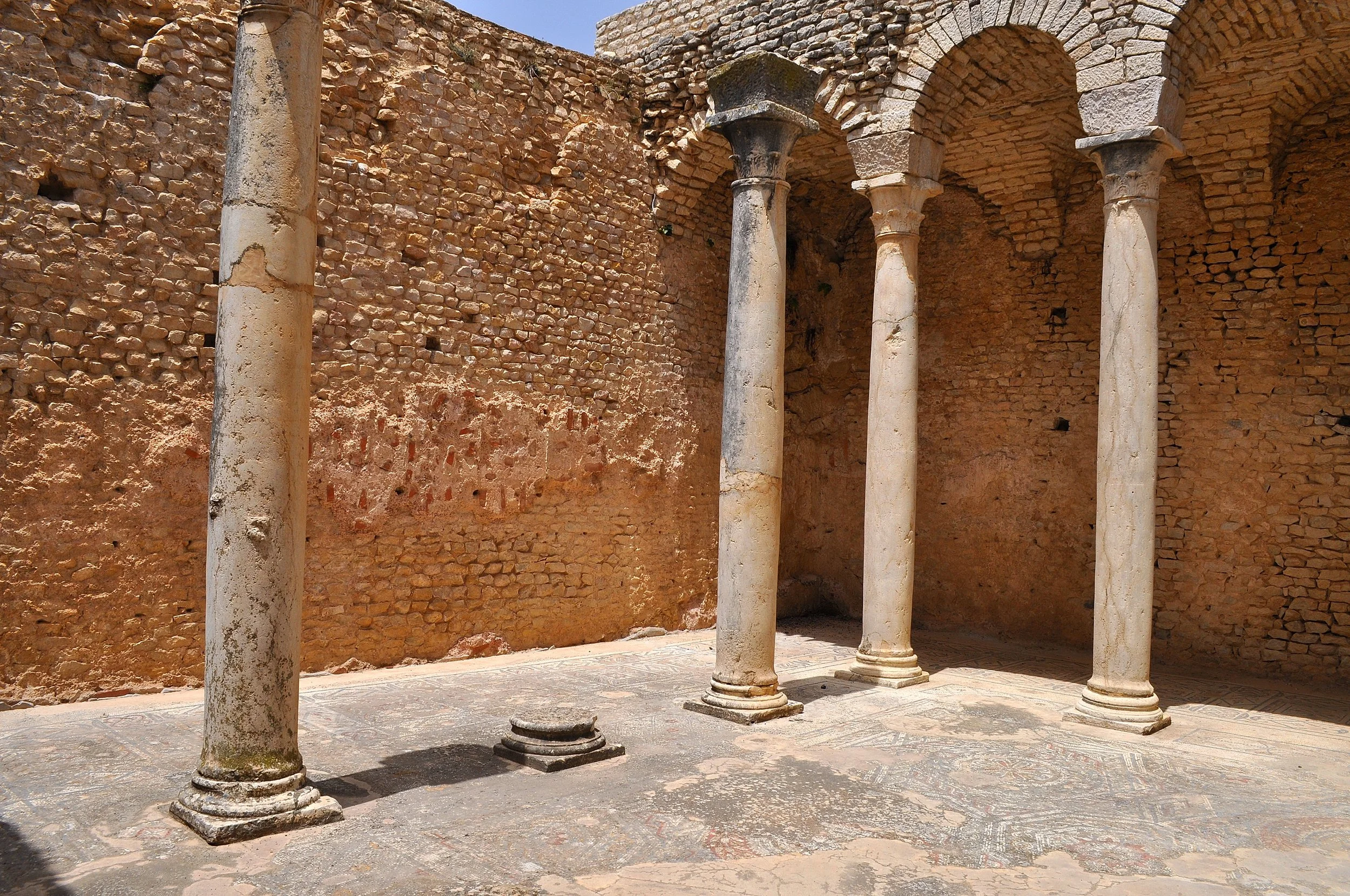
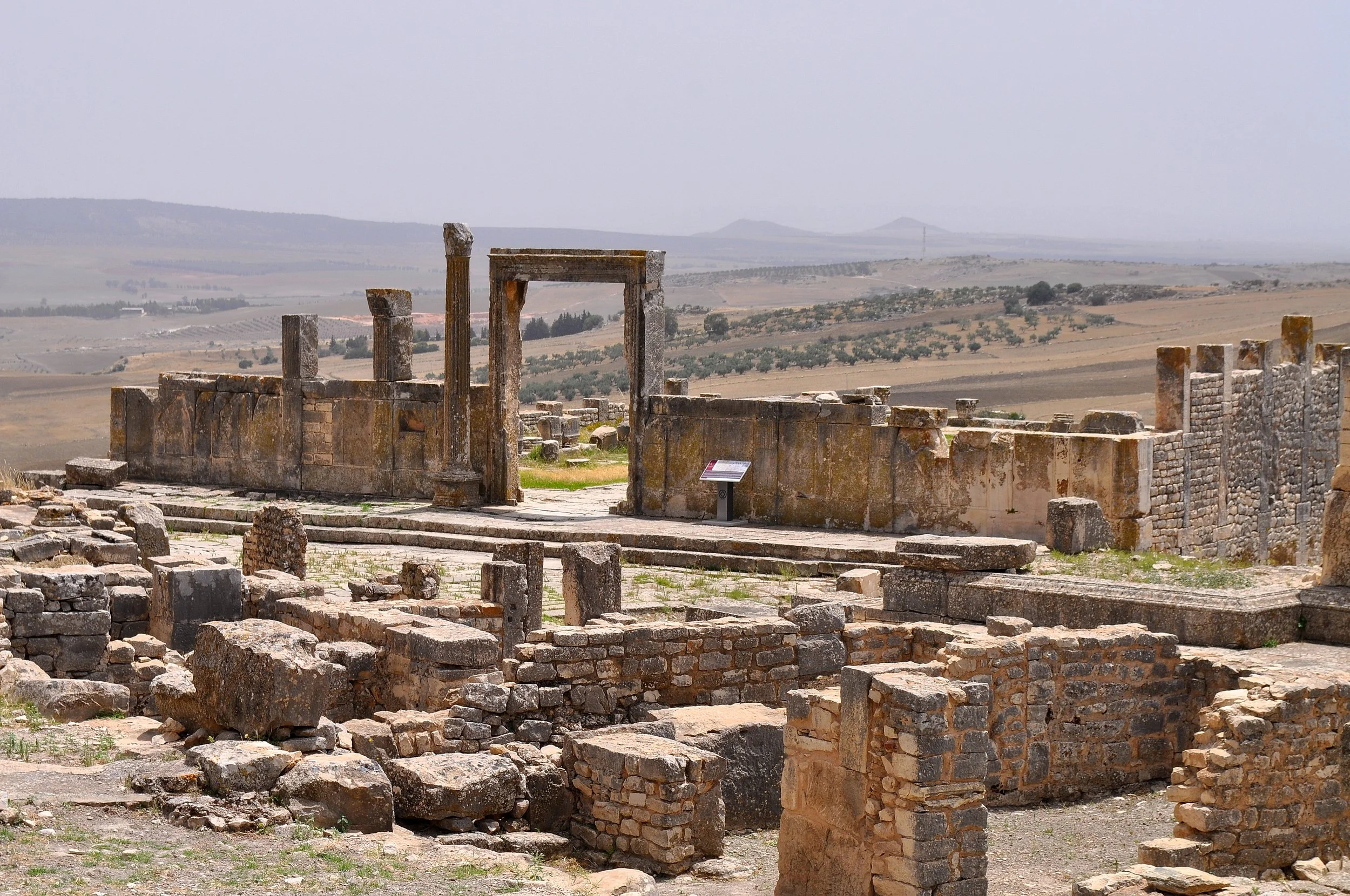

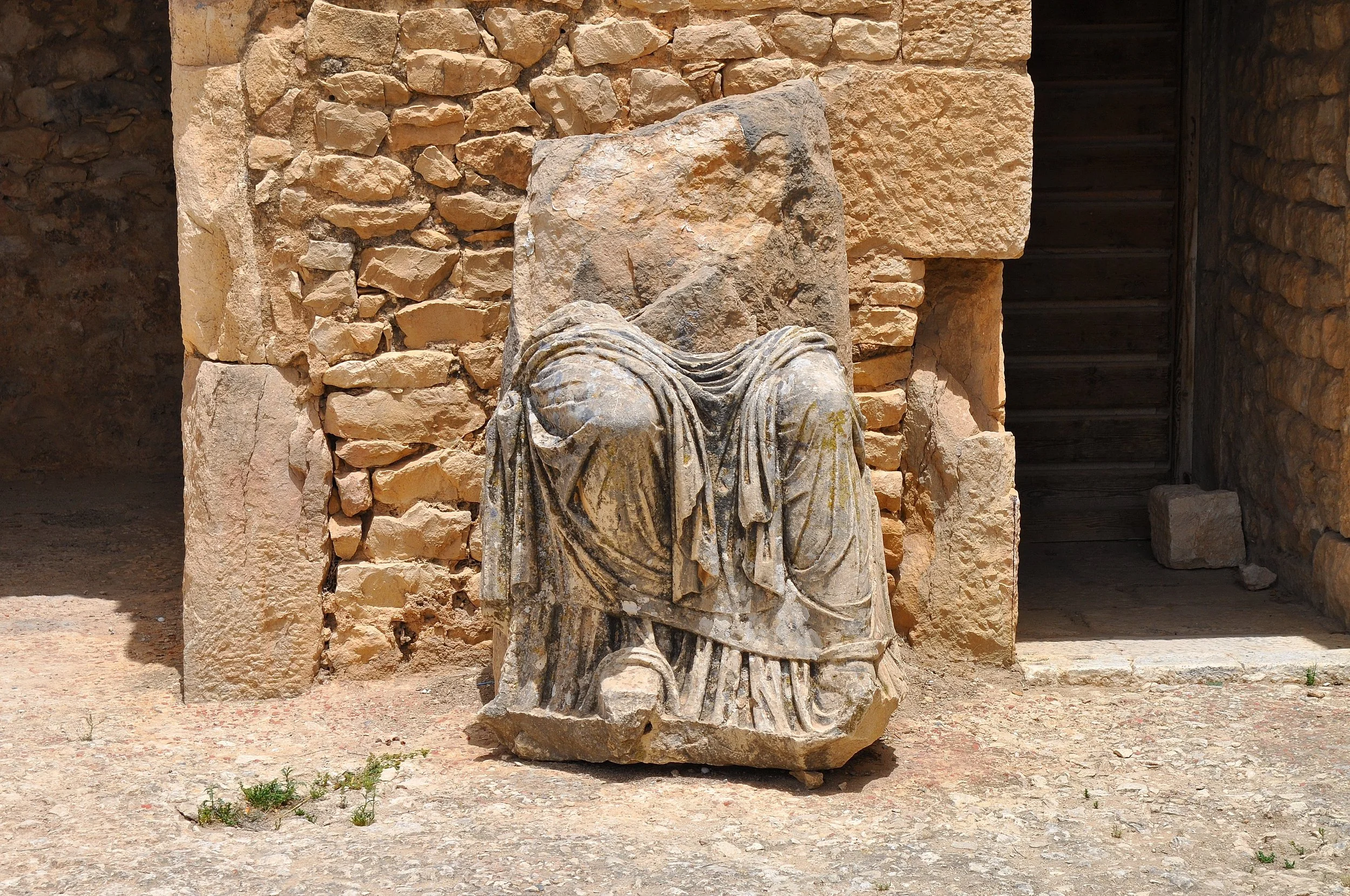


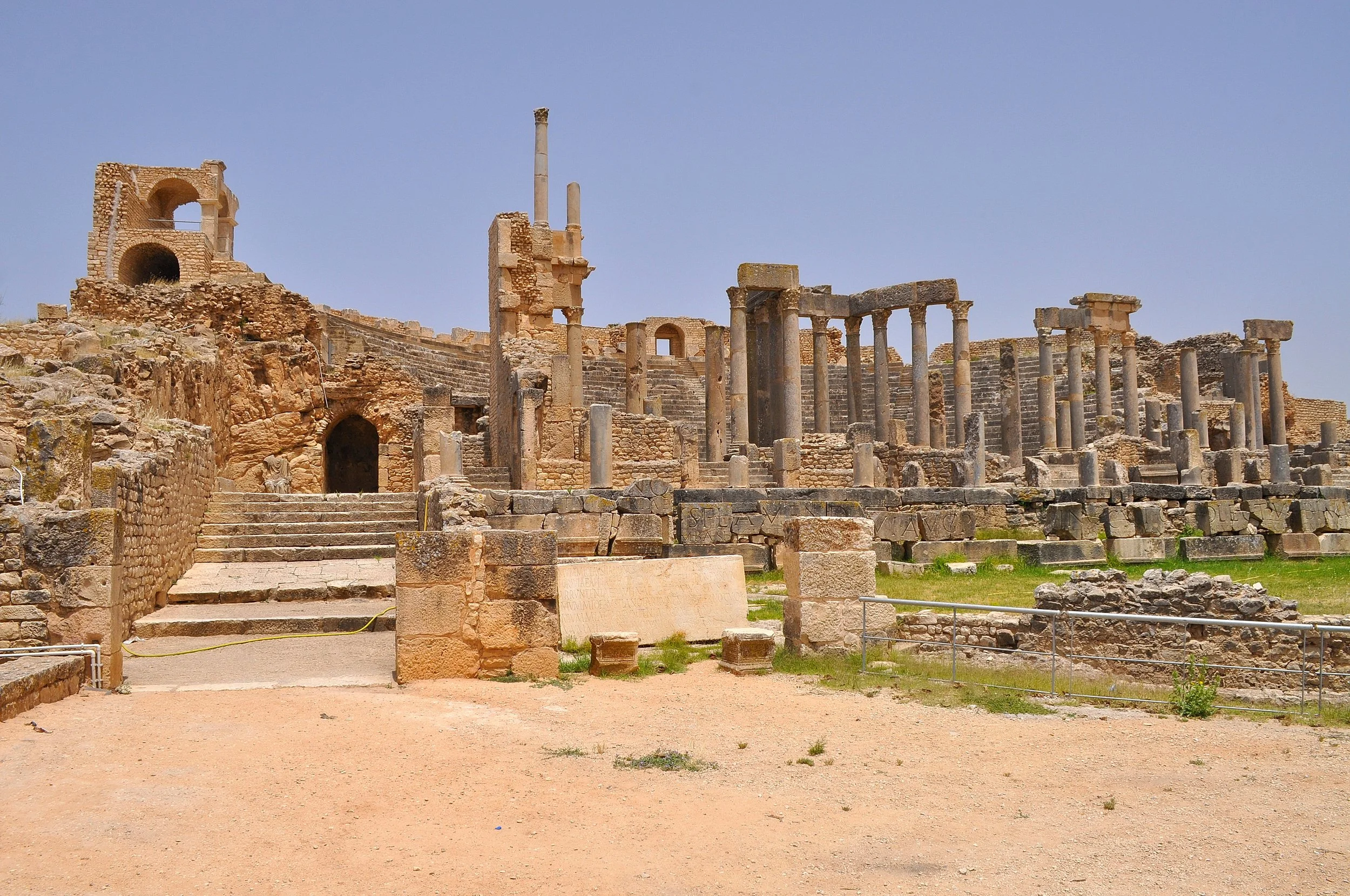


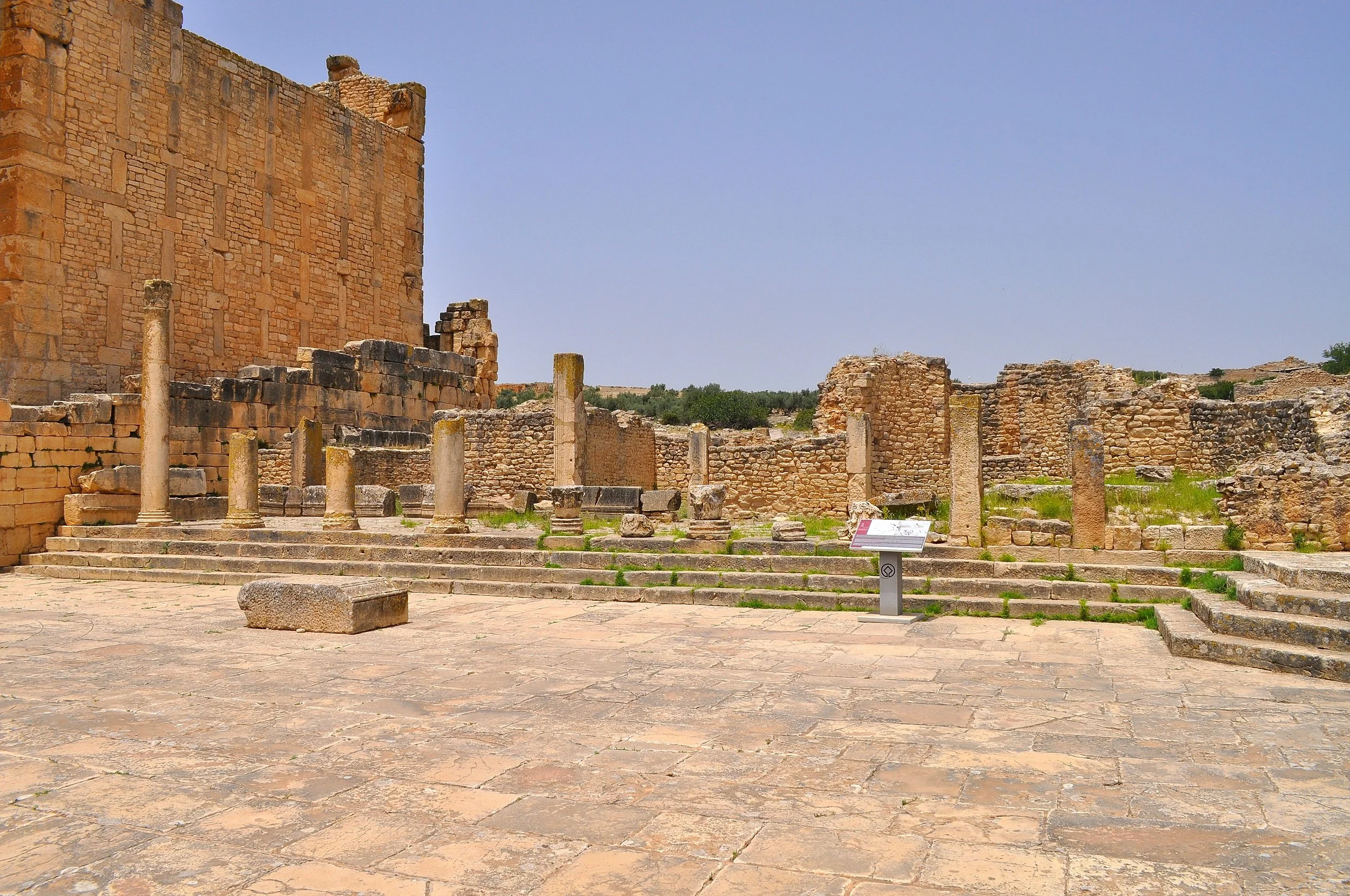
Piero: the city was built on an ancient Numidian settlement and must have been an important commercial hub connecting the Mediterranean world with the heart of Africa. A walk through the archaeological site immediately conveys the richness and vitality of everyday life in ancient Rome, with its baths, numerous temples, and an impressive theatre. There are no modern buildings around and no barriers restricting access, allowing visitors to fully experience this extraordinary setting. The number of tourists is also relatively low, both because of the intense heat and because of the site's somewhat remote location. Try to relive this incredible experience with us through this short video!
Angela: we leave Dougga, tired and overheated but incredibly happy, and head towards Carthage.
Piero: as mentioned, the ancient Carthaginian capital is now a suburb of Tunis. We pass through the city without stopping because the Bardo Museum, the most important museum in the country, is currently closed.
Angela: the history of Carthage and its conflicts with Rome is well known. The “New City”, which is the meaning of the name given by its Phoenician founders, dates back to the 9th century BC, even before the foundation of Rome. The city quickly became the most important power in the Western Mediterranean. Destroyed by the Romans, the city of Hannibal was completely rebuilt during the time of Julius Caesar, gaining new splendour and importance.
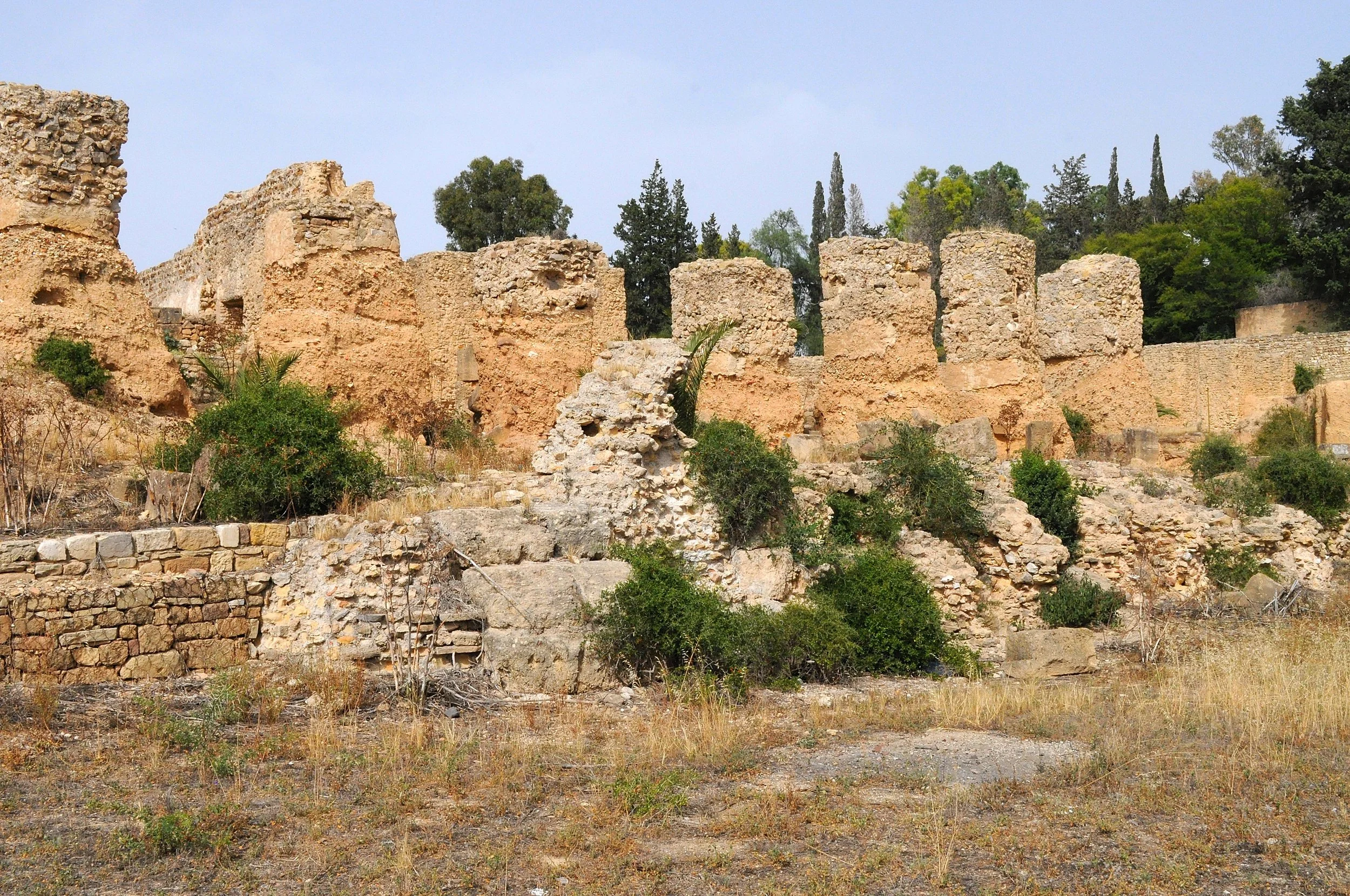
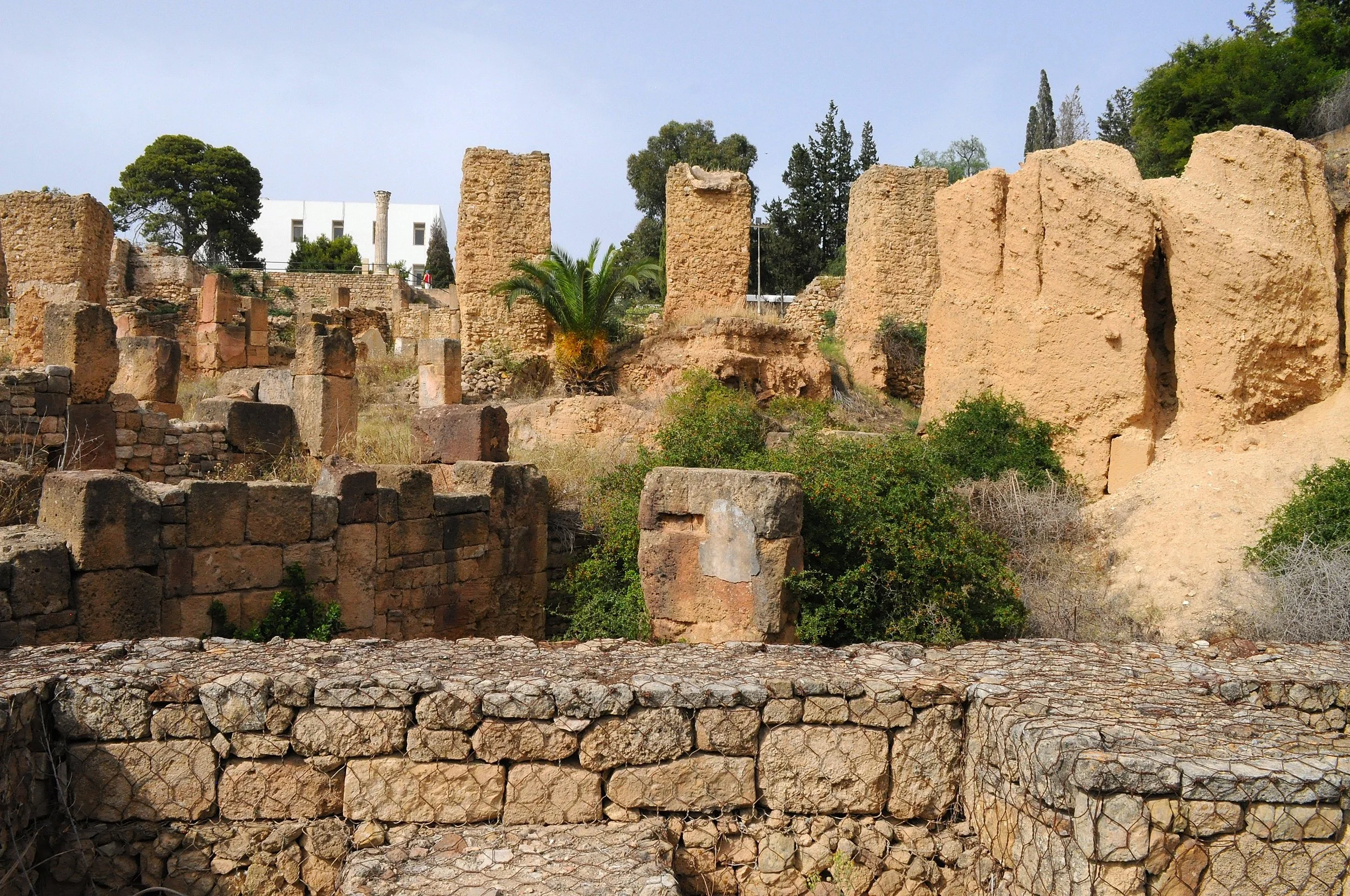
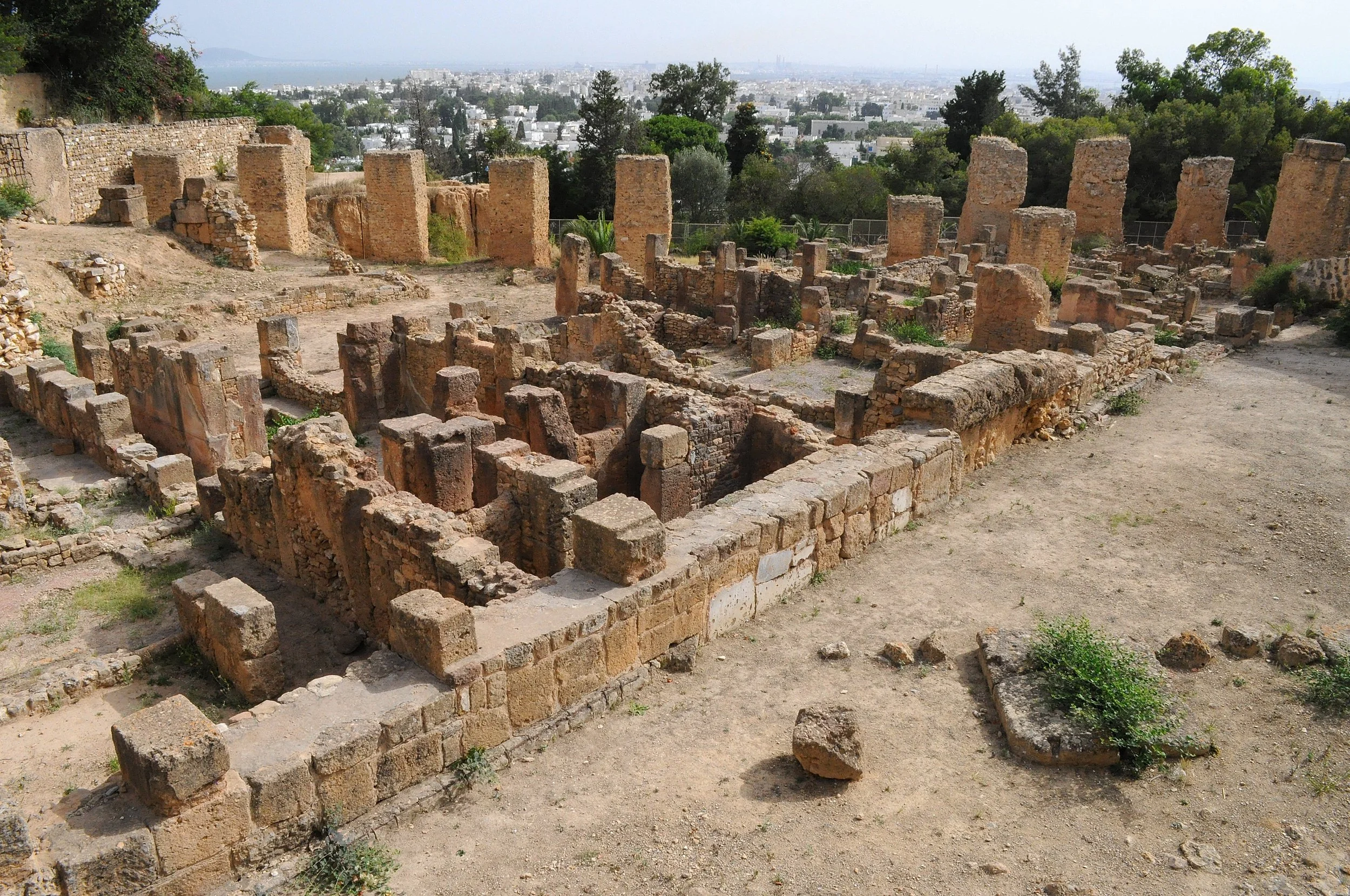
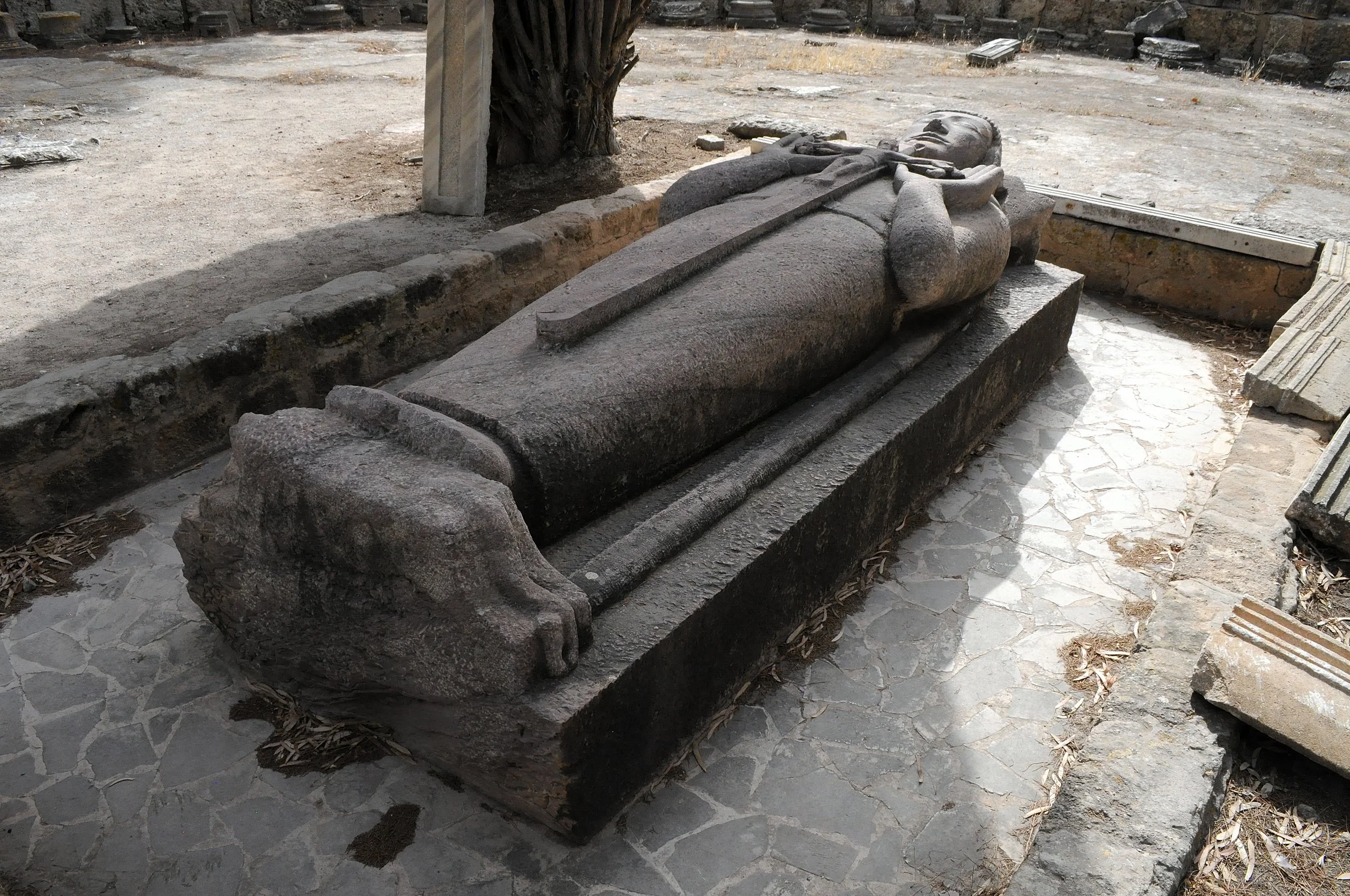
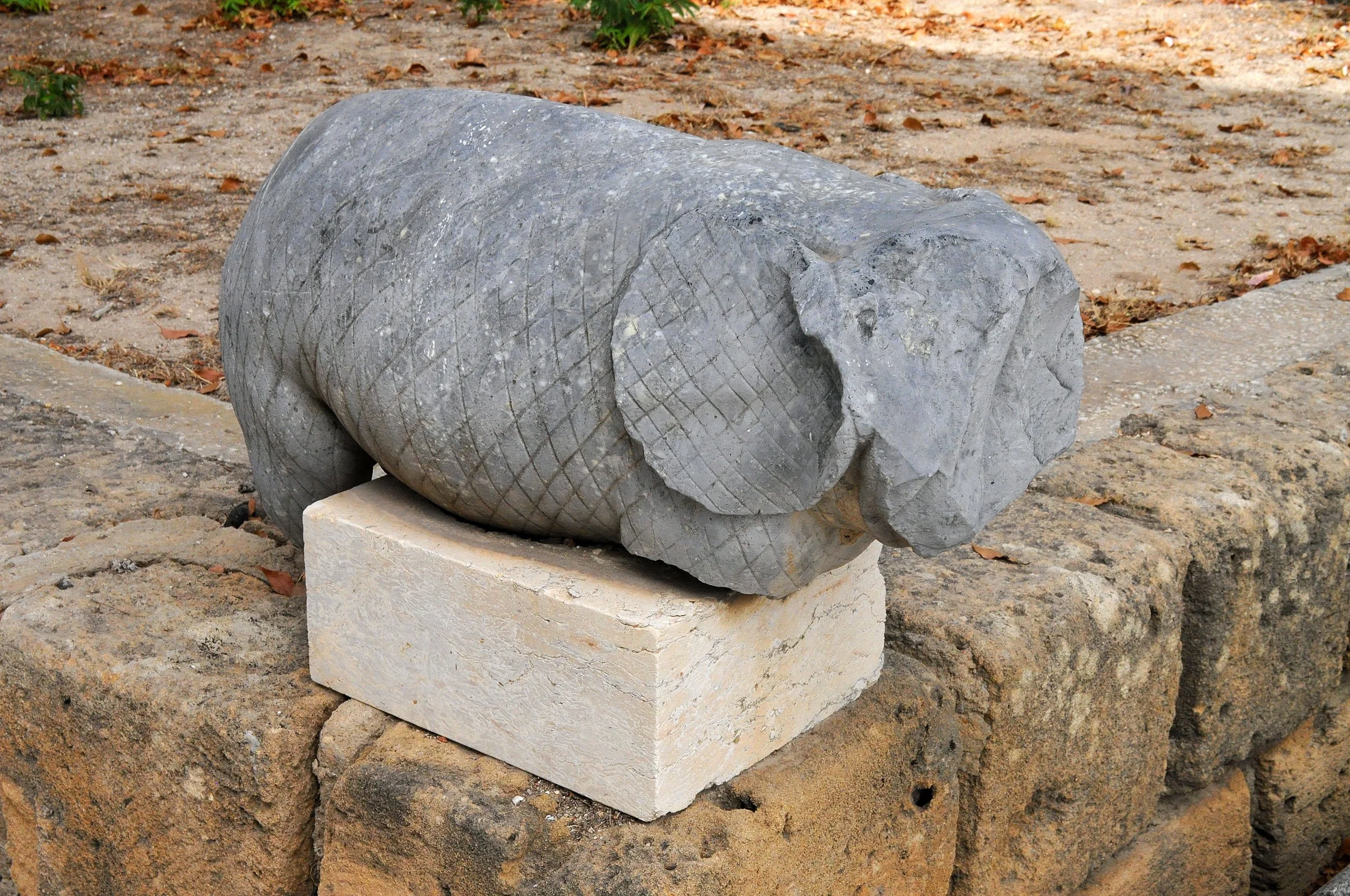
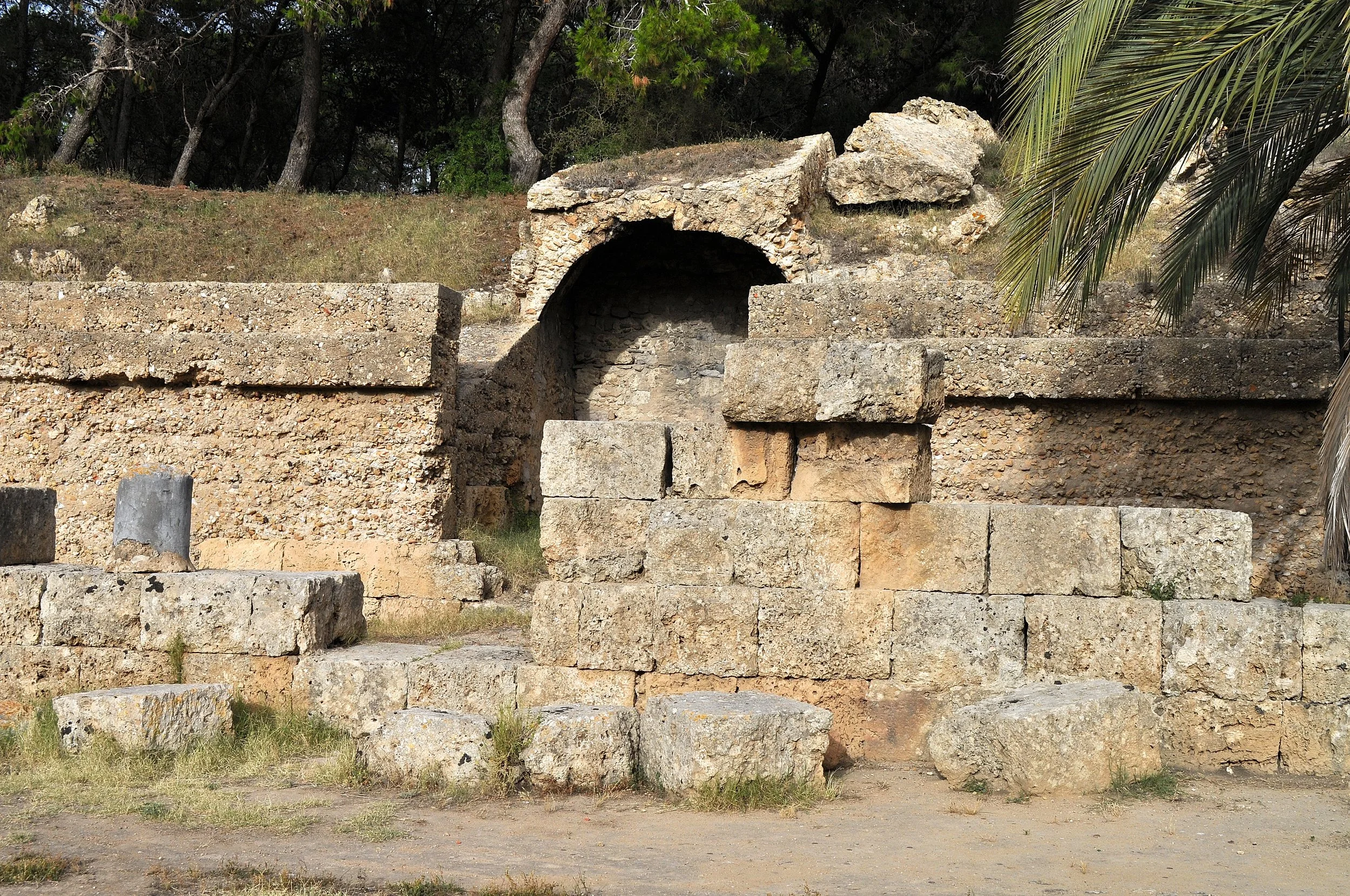
Piero: much of what remains today dates back to that period. Of course, after the extraordinary experience of Dougga, any archaeological site can seem less impressive, and that is exactly what happens when we visit the area containing the remains of Hannibal’s quarter, the necropolis, and the museum (currently closed for restoration). It is certainly interesting, but perhaps not as breathtaking as we had imagined. With the ticket purchased for the site, however, it is possible to access all the other archaeological areas of ancient Carthage.


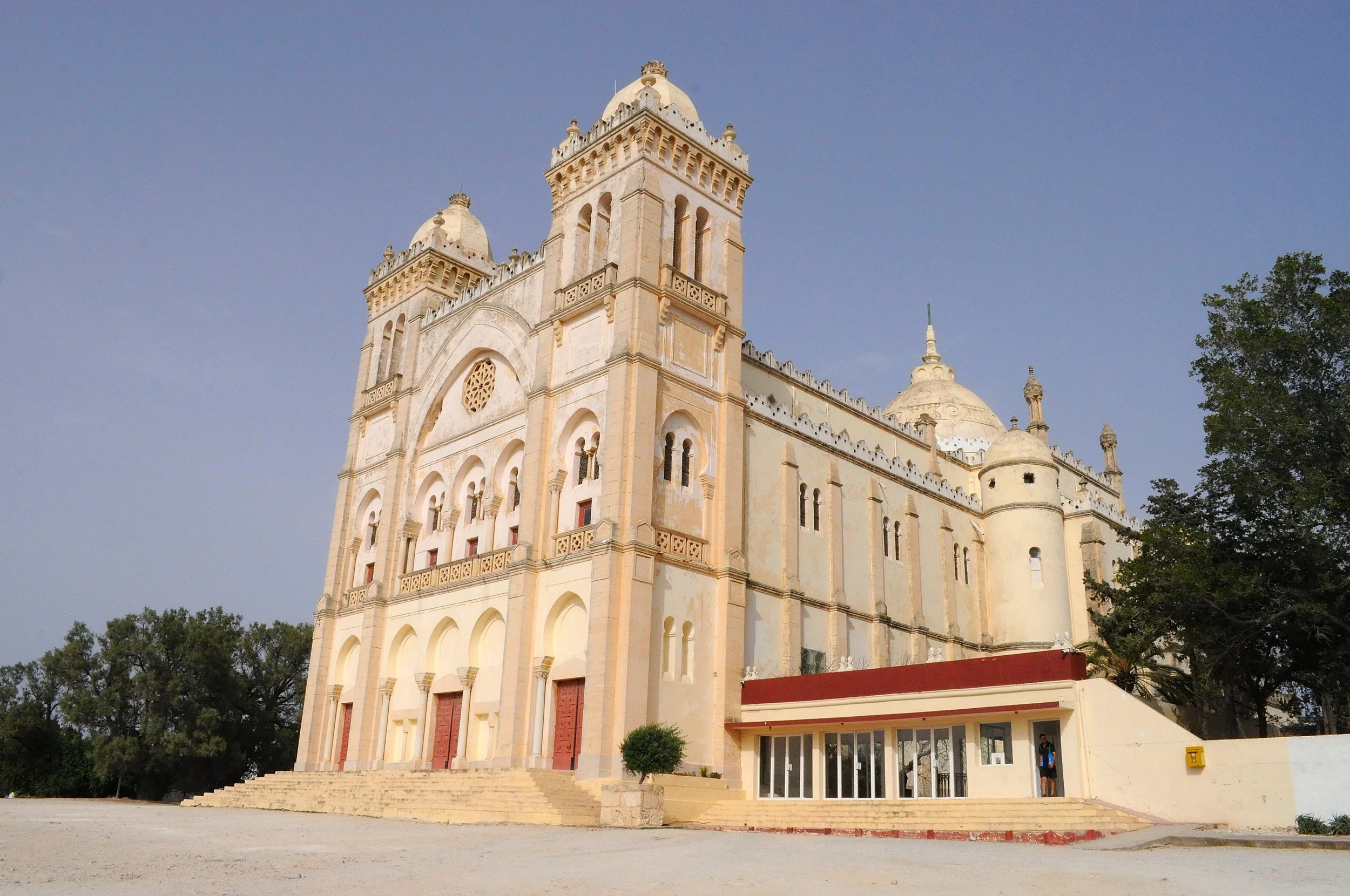
Angela: next to the archaeological site and the museum stands the Cathedral of Saint Louis. Originally built as a Catholic church, it is now deconsecrated and is no longer used for religious services. Today, the former cathedral hosts mainly classical music concerts and performances of traditional Tunisian music, giving this historic building a new cultural role.
Piero: the visit to the nearby Roman theatre and amphitheatre is not particularly exciting either. The theatre has now been largely transformed into a modern venue, while very little remains of the amphitheatre, and the lack of maintenance unfortunately prevents visitors from fully appreciating what was once an important Roman site.

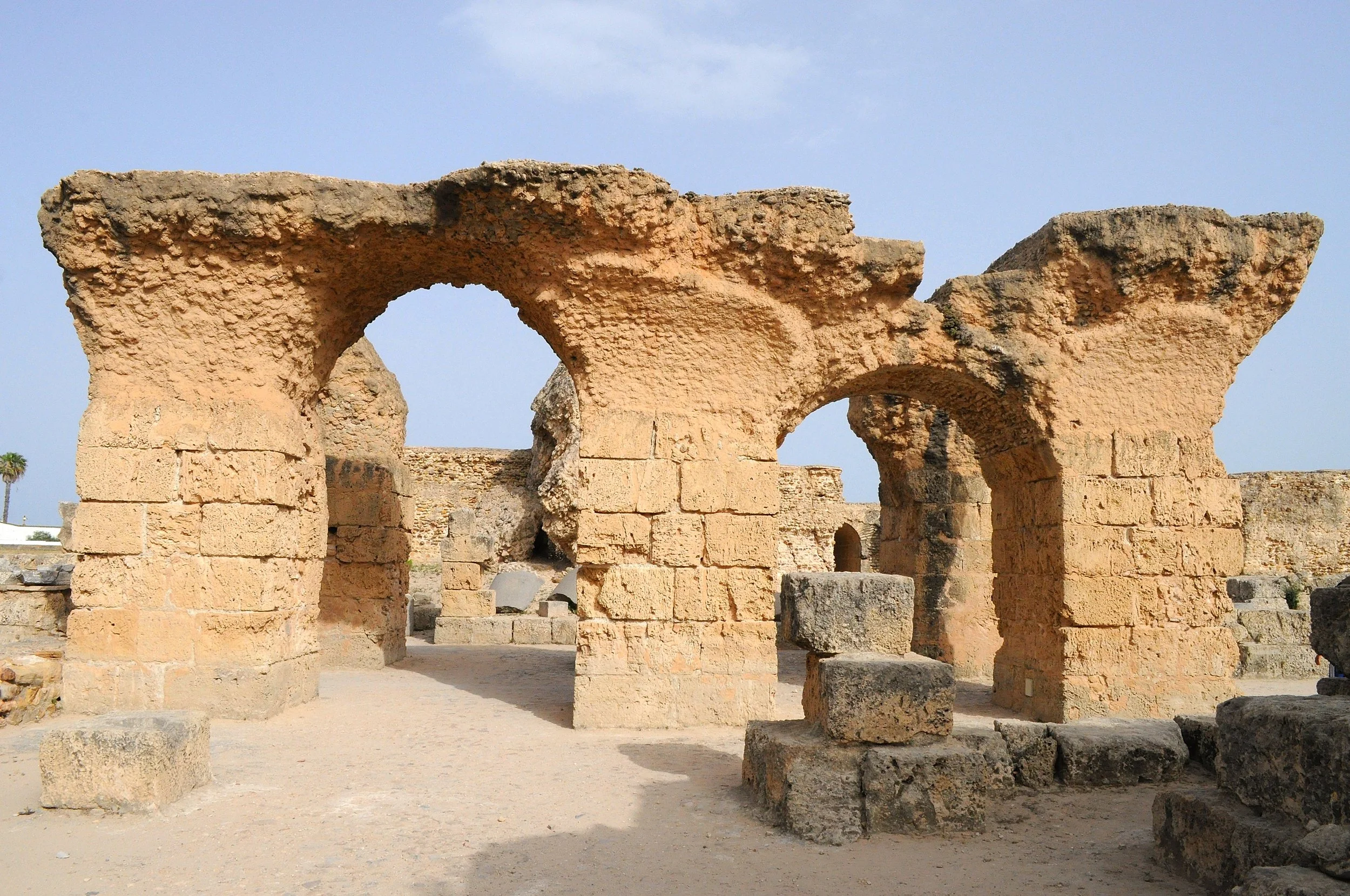
Angela: much more interesting, without a doubt, is the visit to the Baths of Antoninus.
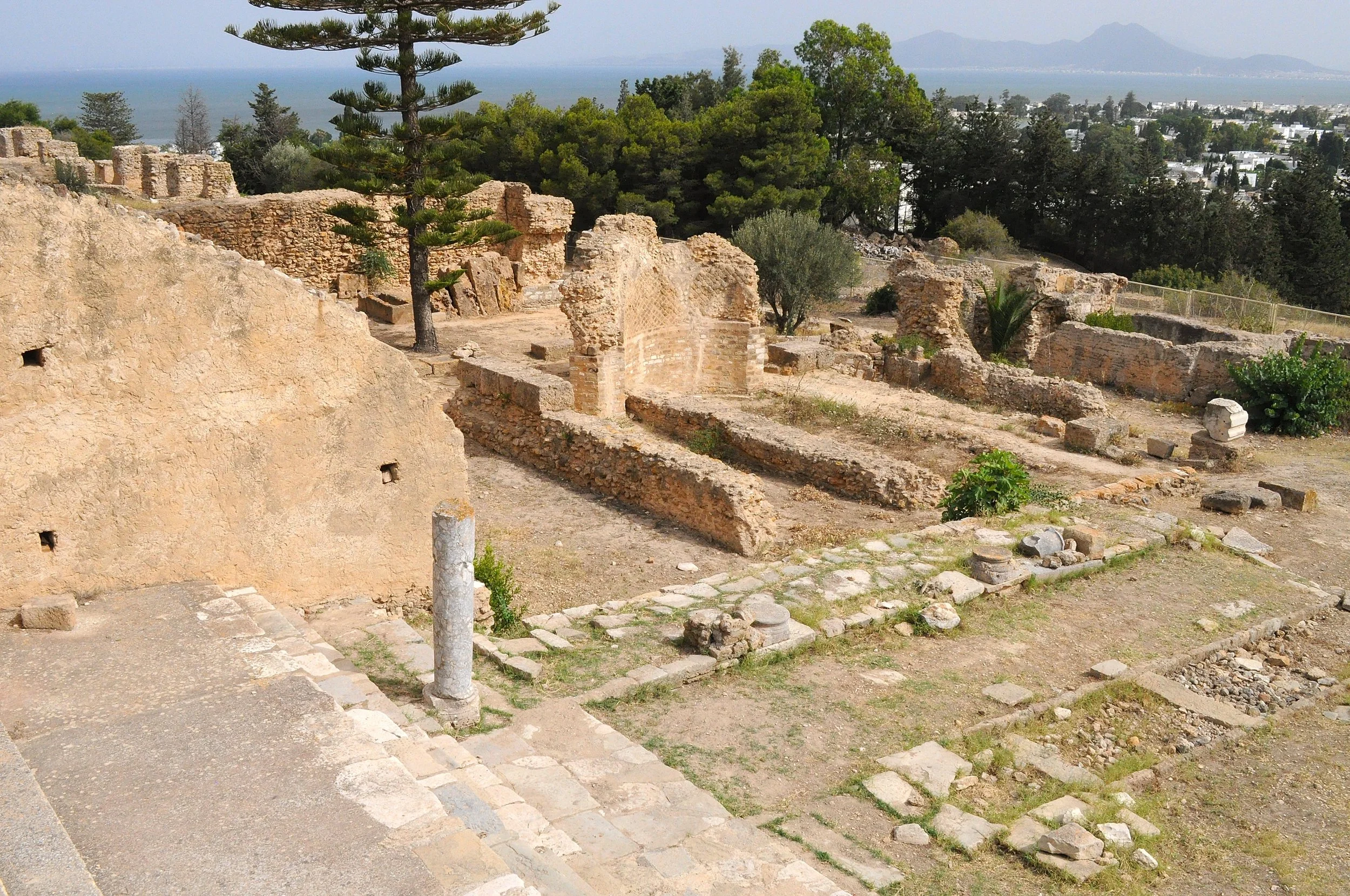
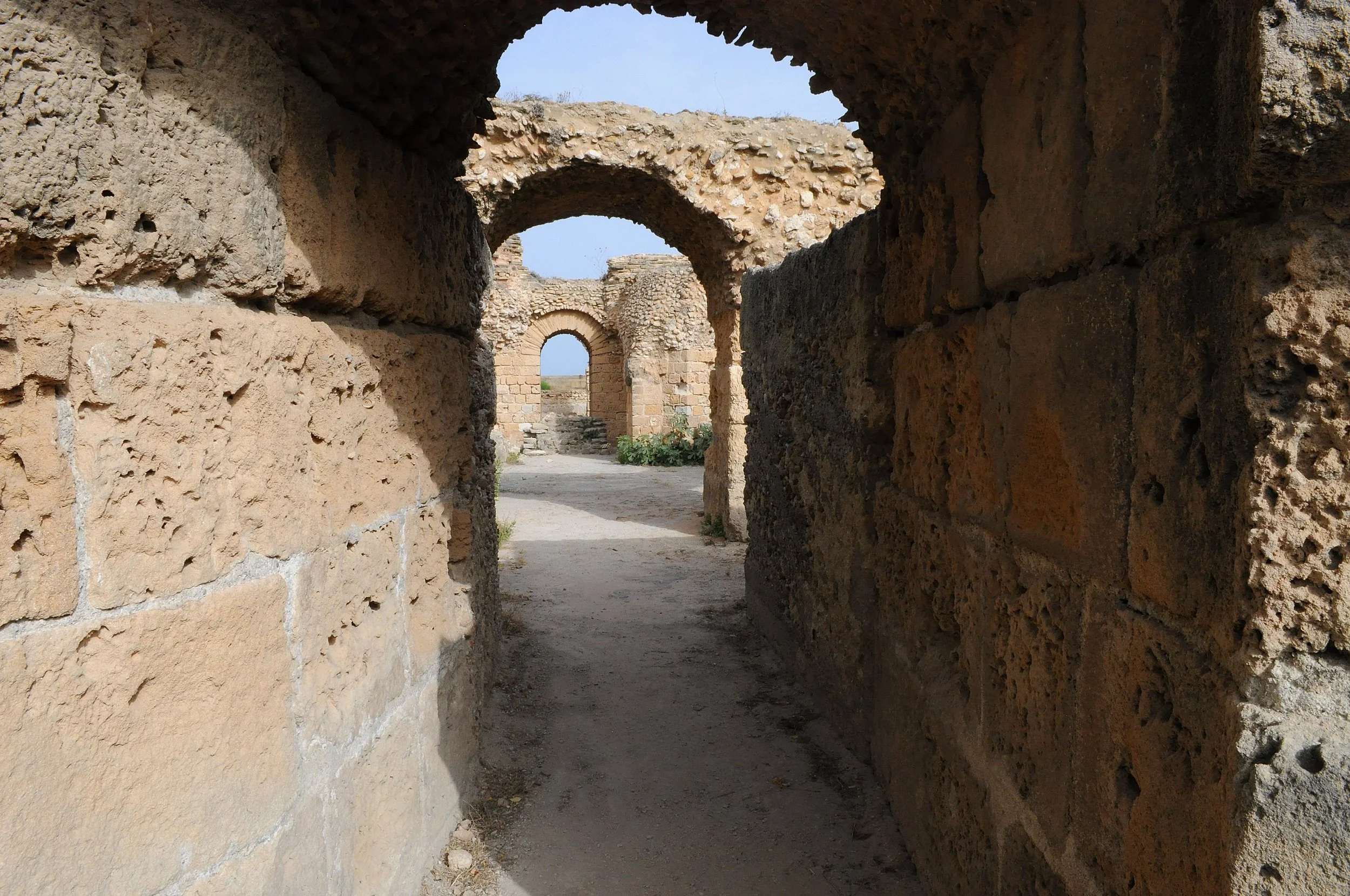
Piero: this is an impressive thermal complex built directly on the seafront during the Roman reconstruction of Carthage in the 2nd century AD. The project was commissioned by Emperor Hadrian, although it was completed under Antoninus Pius.
Despite having been repeatedly devastated and stripped of its materials over the centuries, the site still preserves fascinating archaeological remains. Walking through this extraordinary area, surrounded by the ruins and with the Mediterranean Sea as a backdrop, is a truly pleasant and evocative experience.


Angela: probably the most interesting remains of Punic Carthage can be found in Kerkouane, located at the end of the Cap Bon peninsula, which stretches between Tunis and Hammamet. It is more than one hundred kilometres from Carthage, and unfortunately the time available does not allow us to visit it.
Piero: this is a truly unique archaeological site because it preserves the original layout of a typical Phoenician and Punic city almost completely intact. Together with the museum, the gardens, and the necropolis, the site of Kerkouane has been included in the UNESCO World Heritage List.
Angela: if the heat had not been so overwhelming throughout the day, our original itinerary would also have included a visit to Sidi Bou Said.
Piero: this is a charming village perched above the Mediterranean Sea, developed in the 20th century and characterised by a wonderful Mediterranean atmosphere, with its iconic whitewashed houses and blue doors and windows. It is the perfect place for a relaxing walk, taking some panoramic photographs, and enjoying a good aperitif or dinner while admiring the view.
From Djerba to the desert: a “Star Wars” journey…
Angela: our second week in Tunisia begins, and our base has now moved to Djerba.
Piero: it is the largest island in North Africa and is located in the south-east of Tunisia.
Angela: in ancient times, Djerba was identified with the island where Ulysses tasted the famous “lotus”, a fruit said to make people lose all desire to leave. This legend seems to still capture the imagination of many visitors, reflecting the unique charm and hospitality of this land. Thanks to its strategic position, the island was fought over throughout history by many of the great Mediterranean civilisations. Today, it is mainly a highly appreciated tourist destination, considered the perfect place for those seeking the sea and relaxation in Tunisia.
Piero: we call it an island, although technically Djerba is connected to the mainland by a small road built across the shallow seabed. Even in Roman times, reaching the island was relatively easy.
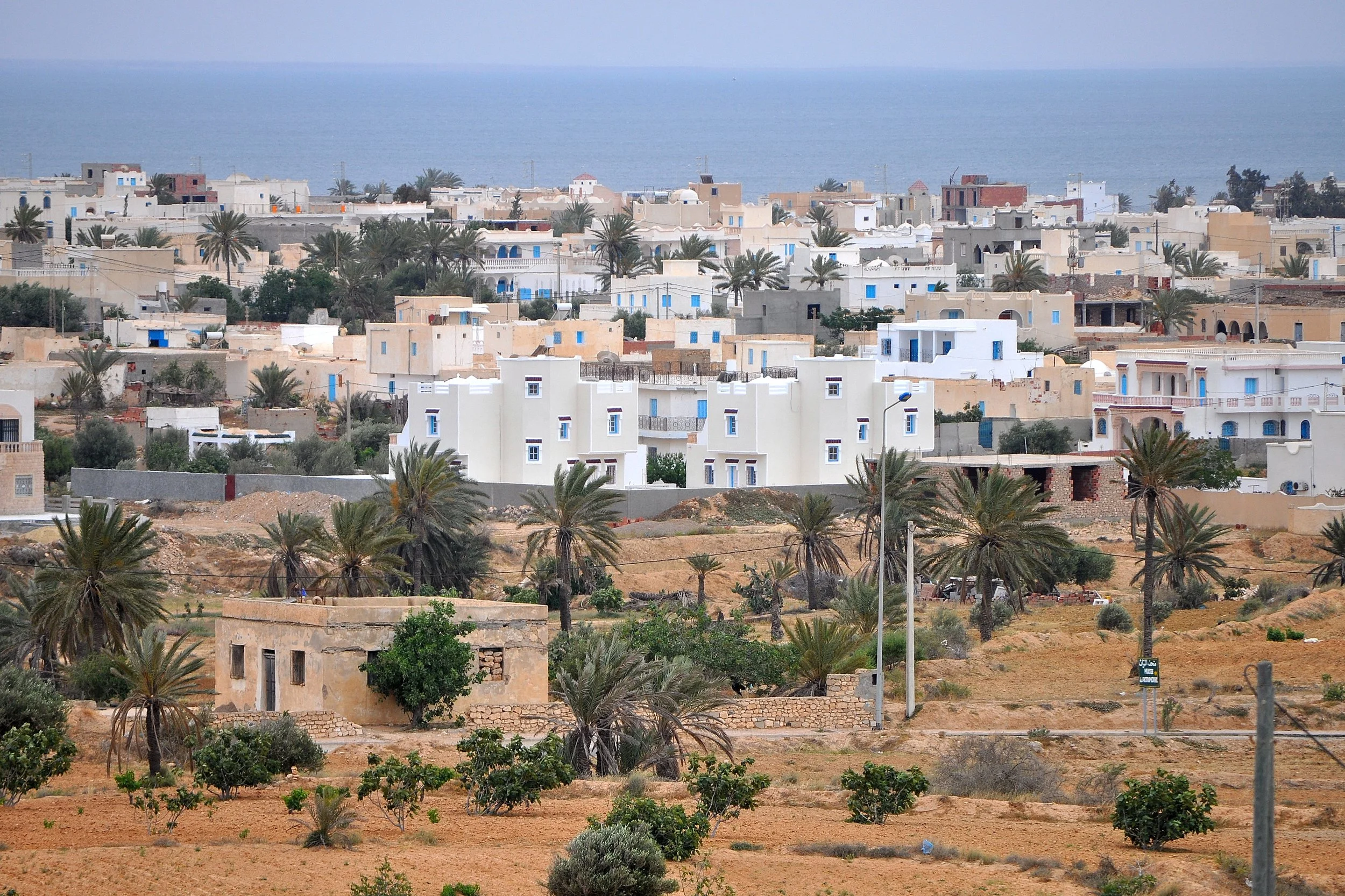
Angela: Houmt Souk, which literally means “the neighbourhood of the market”, is the island’s main town. Its historic centre is perfect for a pleasant walk among whitewashed houses and small shops famous for their hand-painted ceramics and traditional crafts such as leather goods, jewellery, and textiles. The souk itself is particularly fascinating and lively, offering a colourful glimpse into the daily life and traditions of Djerba.
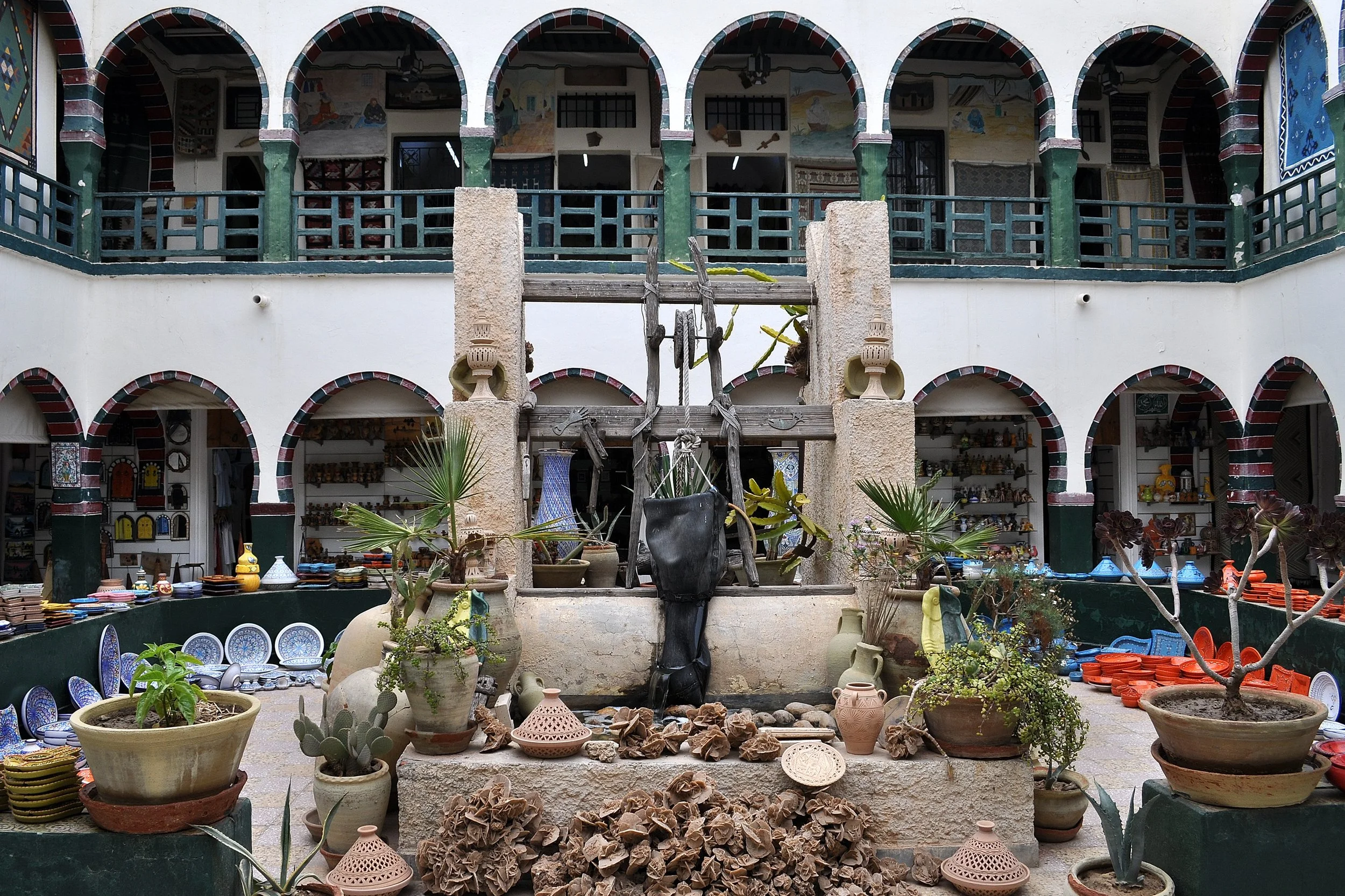
Piero: it is definitely worth visiting the Djerba Heritage Museum, which displays jewellery, ceramics, traditional clothing, and many objects that tell the story of the island’s local customs and traditions.
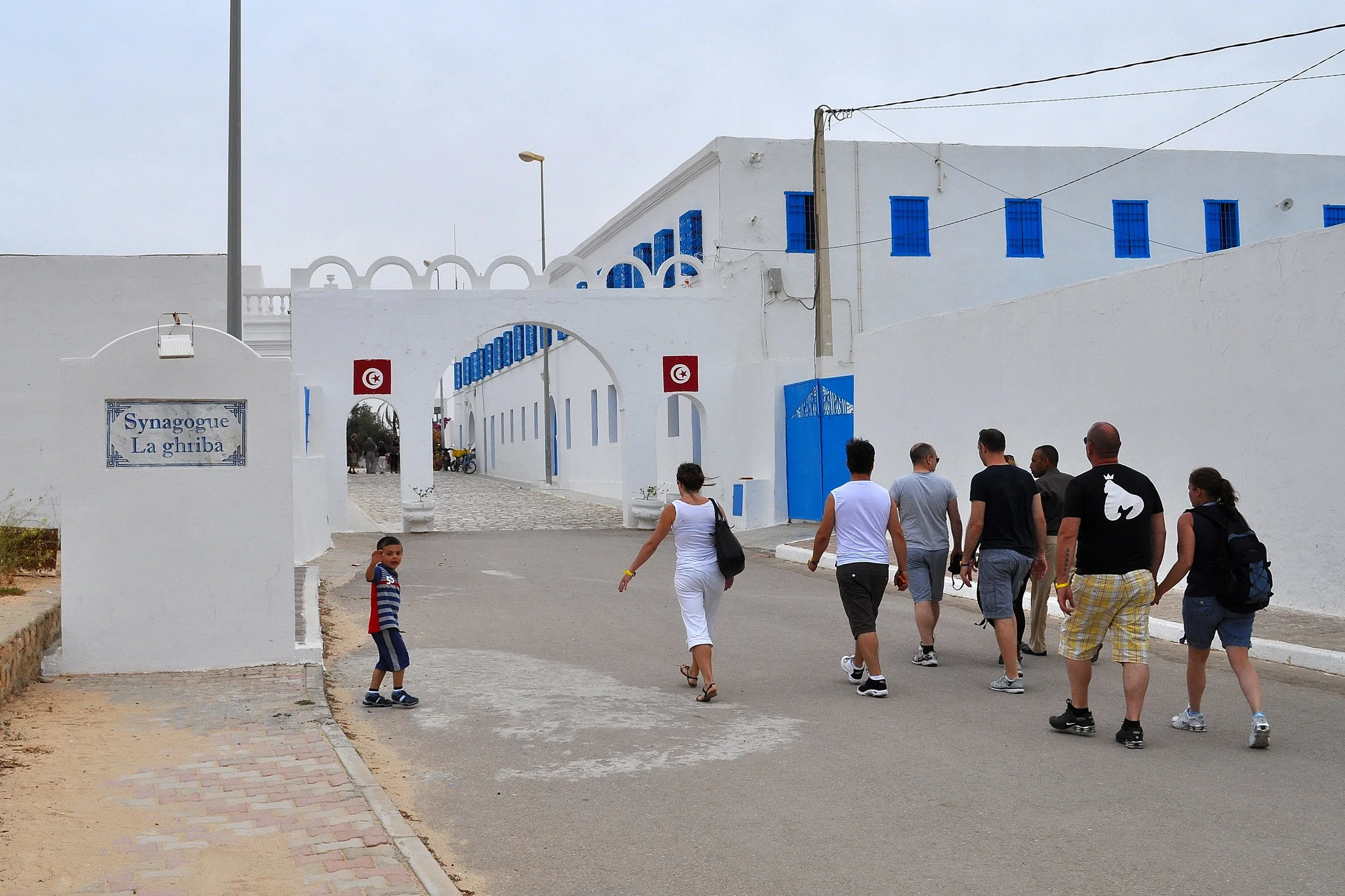
Angela: as further evidence of the openness and tolerance of the local communities, Djerba is home to an important Jewish community. Here stands the El Ghriba Synagogue, the largest in North Africa and one of the oldest synagogues in the world, a symbol of the island’s long history of coexistence between different cultures and religions.


Piero: close to Djerba lies the so-called Pink Flamingo Island. If you are travelling with children, it is definitely worth boarding a pirate ship for a fun day at sea and on a truly beautiful beach. Nowadays, spotting the famous pink flamingos is quite rare, but the experience is still wonderful: you can enjoy the crystal-clear sea, relax on the stunning shoreline, and take a pleasant walk among horses and camels, which add an extra touch of adventure to this unforgettable excursion.

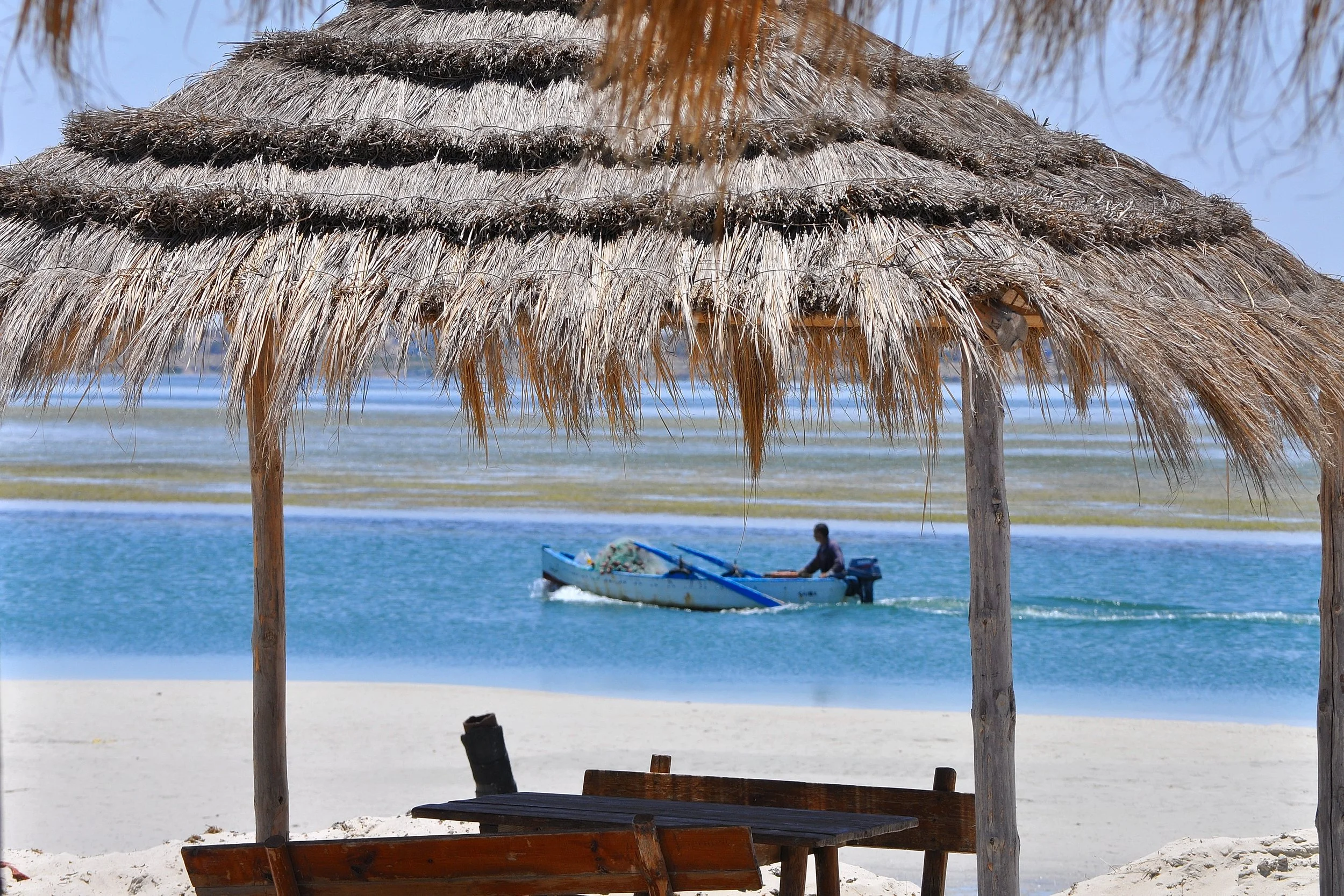
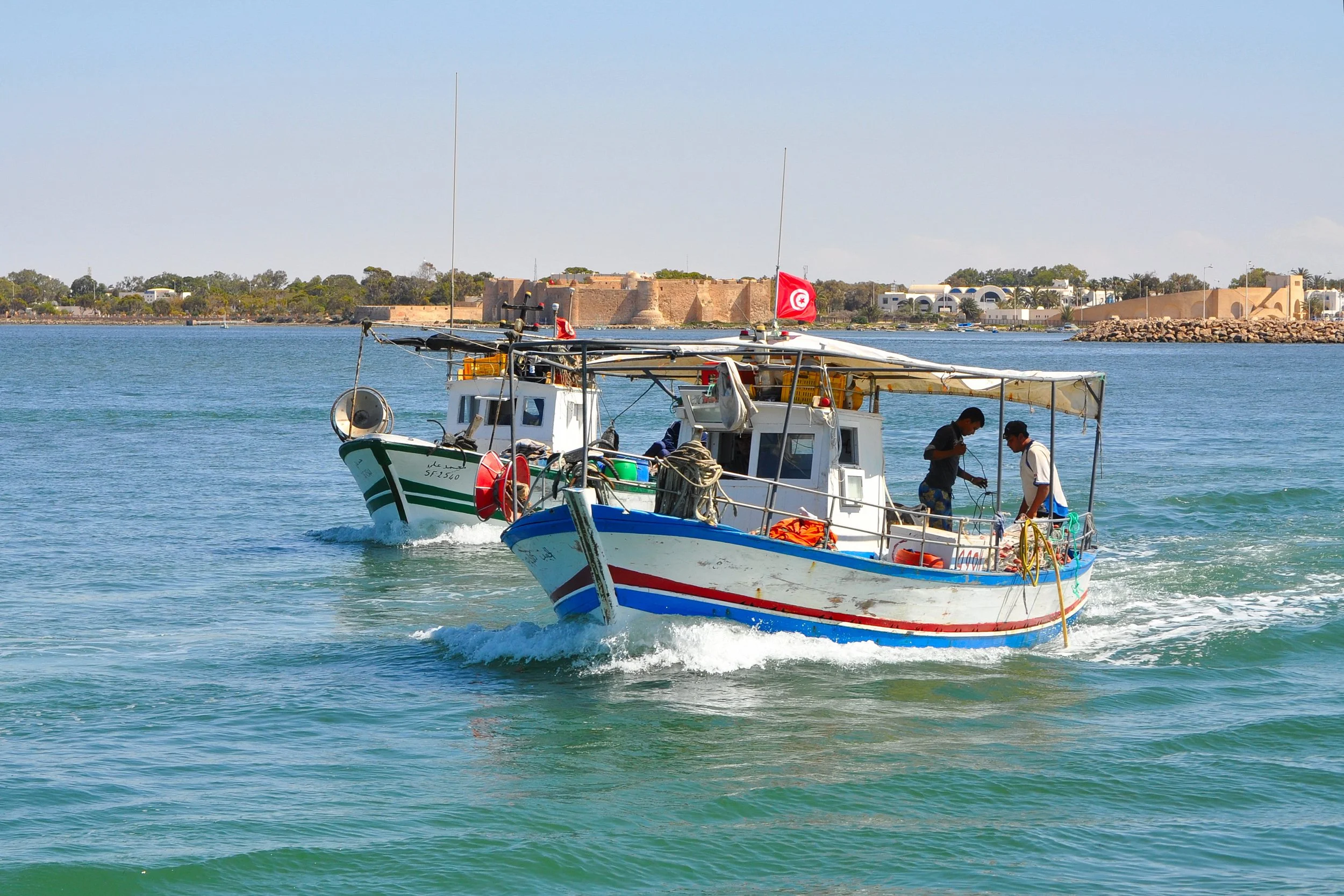


Angela: we chose Djerba for our second week in Tunisia not only because of the chance to relax on its beautiful beaches, but also—and above all—because it is the perfect starting point for discovering the locations where some scenes from Star Wars were filmed and for exploring the Sahara Desert.
Piero: we set off very early in the morning because reaching the desert will take us almost four hours.
Angela: this time we take the ferry instead of the old Roman causeway, heading directly south, and from here our wonderful adventure begins.
Piero: we travel through picturesque villages and fascinating Berber and troglodyte settlements, perhaps experiencing the most authentic spirit of Tunisia during this journey.
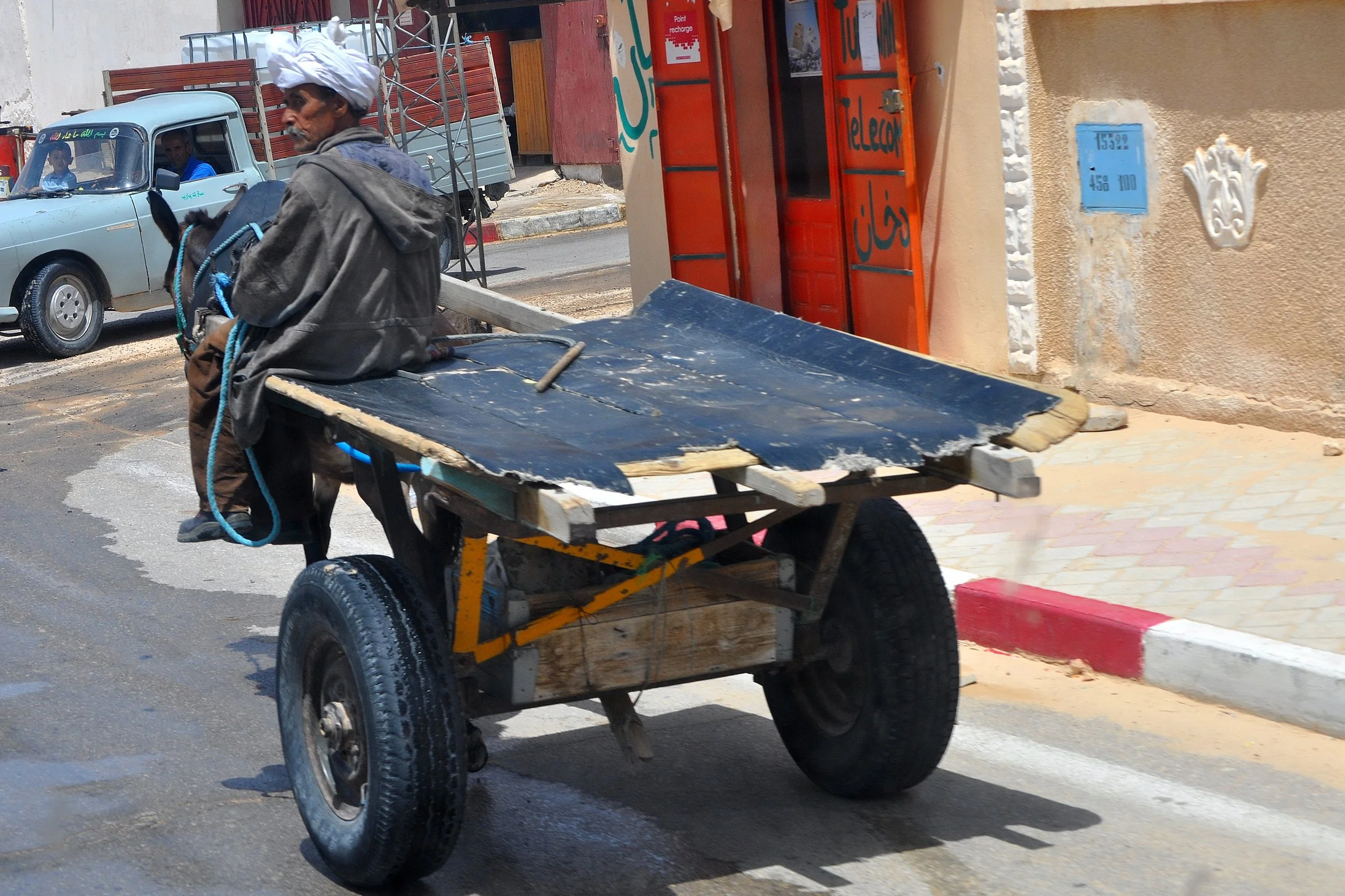
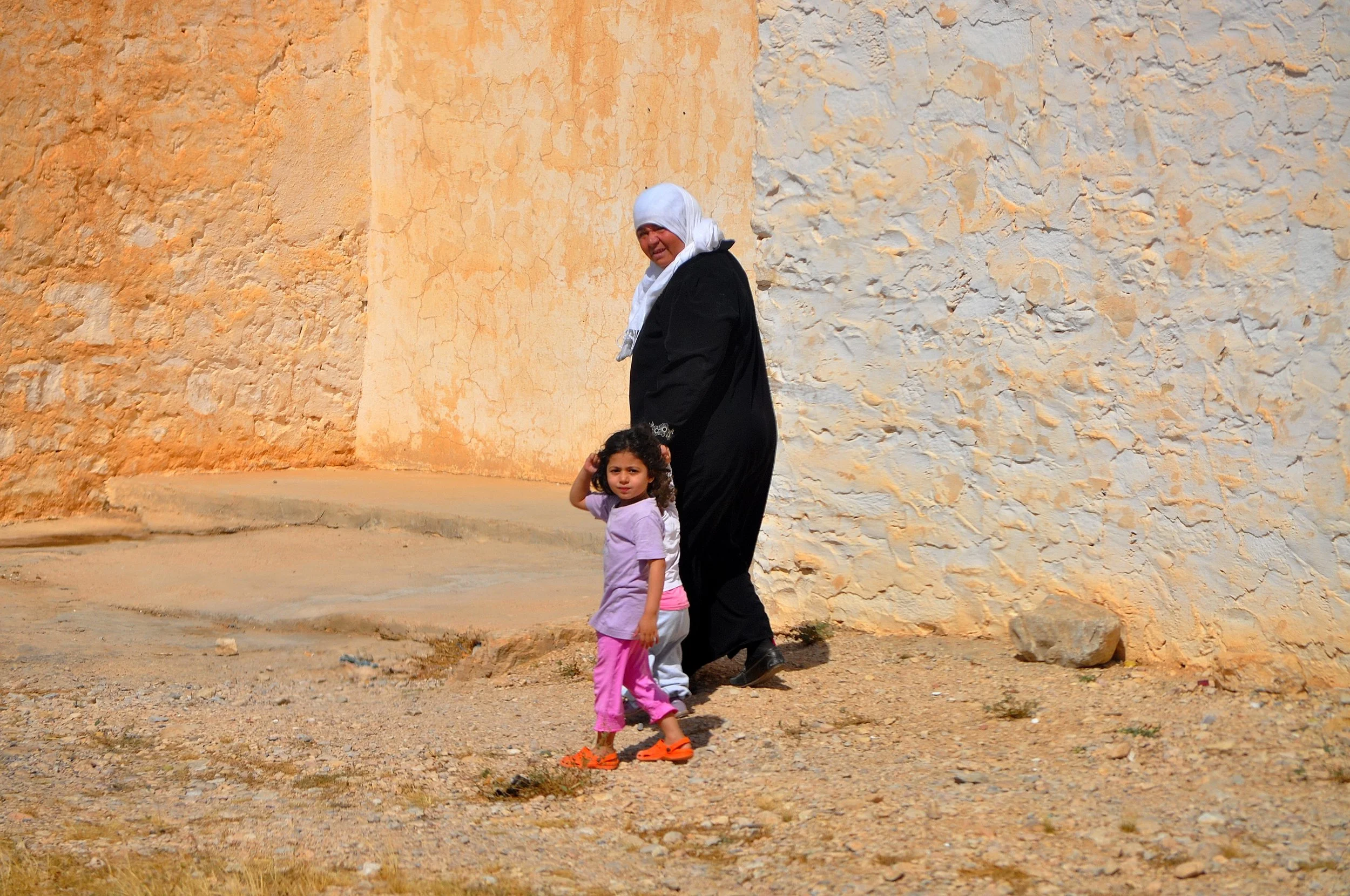
Angela: an inevitable stop to enjoy a traditional tea in one of these charming villages. It is a perfect opportunity to slow down, meet the local people, and experience a small moment of everyday Tunisian life, surrounded by the authentic atmosphere of the Berber communities.


Piero: as we get closer and closer to the desert, the landscape becomes increasingly barren and dry. The typical ochre colour of this land grows more and more intense, interrupted only by the grey ribbon of the road stretching ahead of us. The only plants able to survive these harsh conditions are palm trees and olive trees, which become progressively sparser and more distant as we move further into this fascinating and almost surreal landscape.


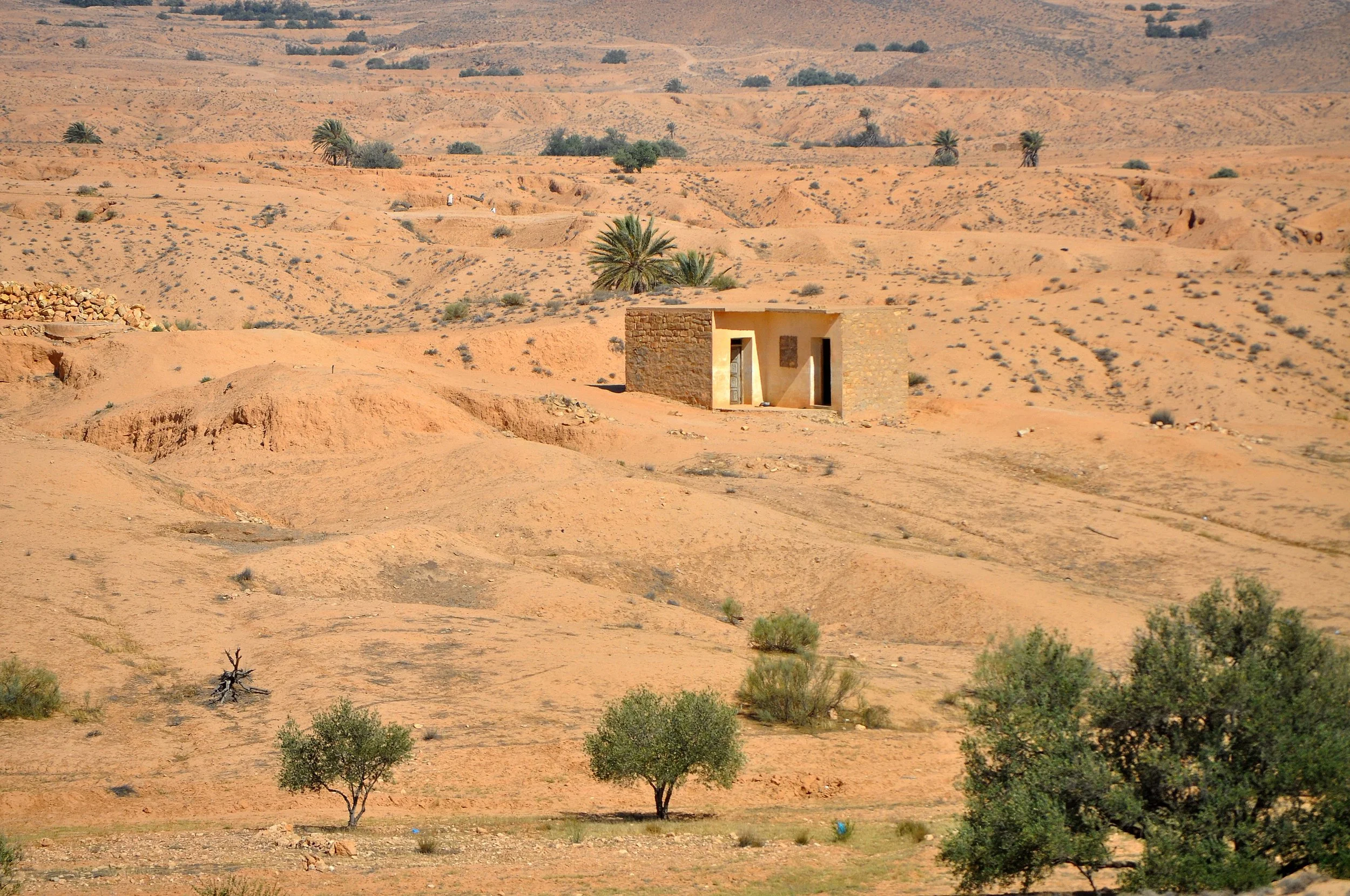


Angela: ravens, camels, and dromedaries often cross our path, while the road ahead is now increasingly swept over and covered by the desert sand. It feels like we are entering a completely different world, where the boundary between the road and the Sahara slowly disappears, leaving space for an extraordinary landscape of silence and endless horizons.

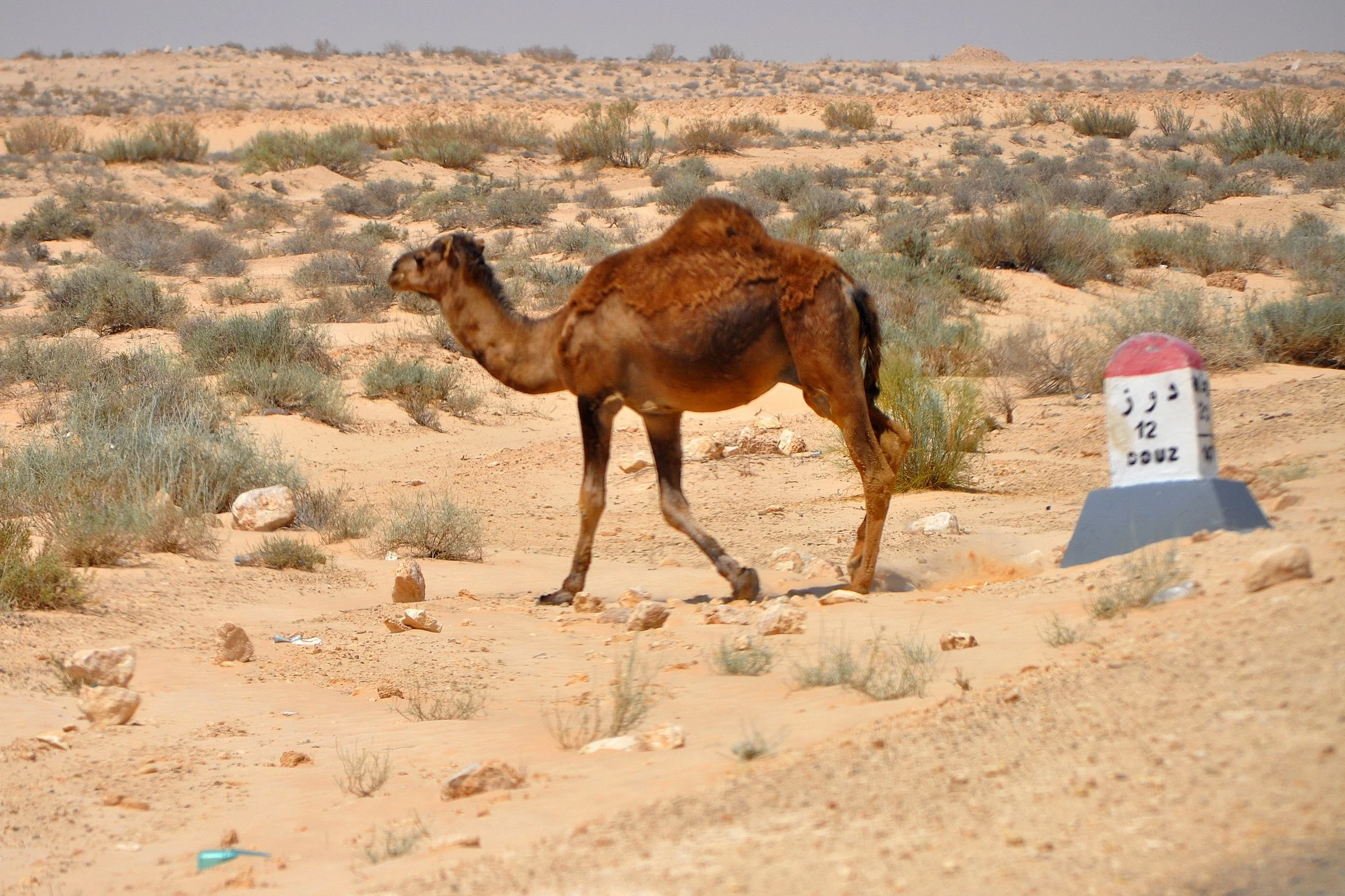
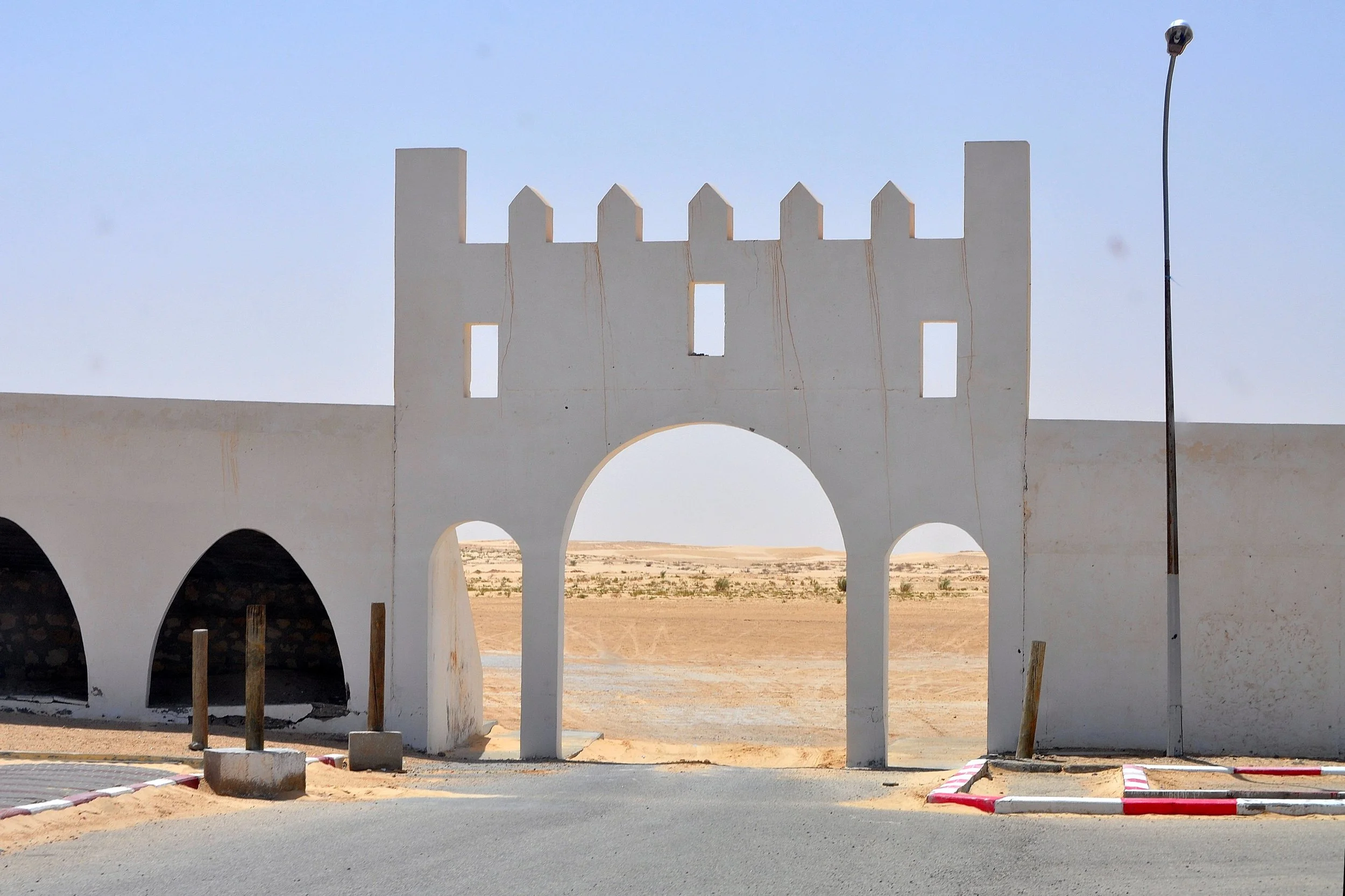
Piero: we finally reach our destination, Douz, the “Gateway to the Sahara”. The city is famous because every year, in the months of November and December, this oasis hosts the “Sahara Festival”, an event that brings together nomadic tribes from Tunisia, Algeria, Libya, and Egypt. During the festival, the different communities compete in a series of folkloric performances, camel races, and horseback competitions, celebrating the traditions, culture, and ancient lifestyle of the peoples who have always called the Sahara Desert their home.
Angela: from here begins our camel ride through the sandy dunes of the Saharan Erg. Slowly moving across this endless sea of golden sand, we experience the true essence of the Sahara, surrounded by silence, vast horizons, and a landscape that seems to belong to another world. A simple but unforgettable journey, following the ancient paths of the desert nomads.


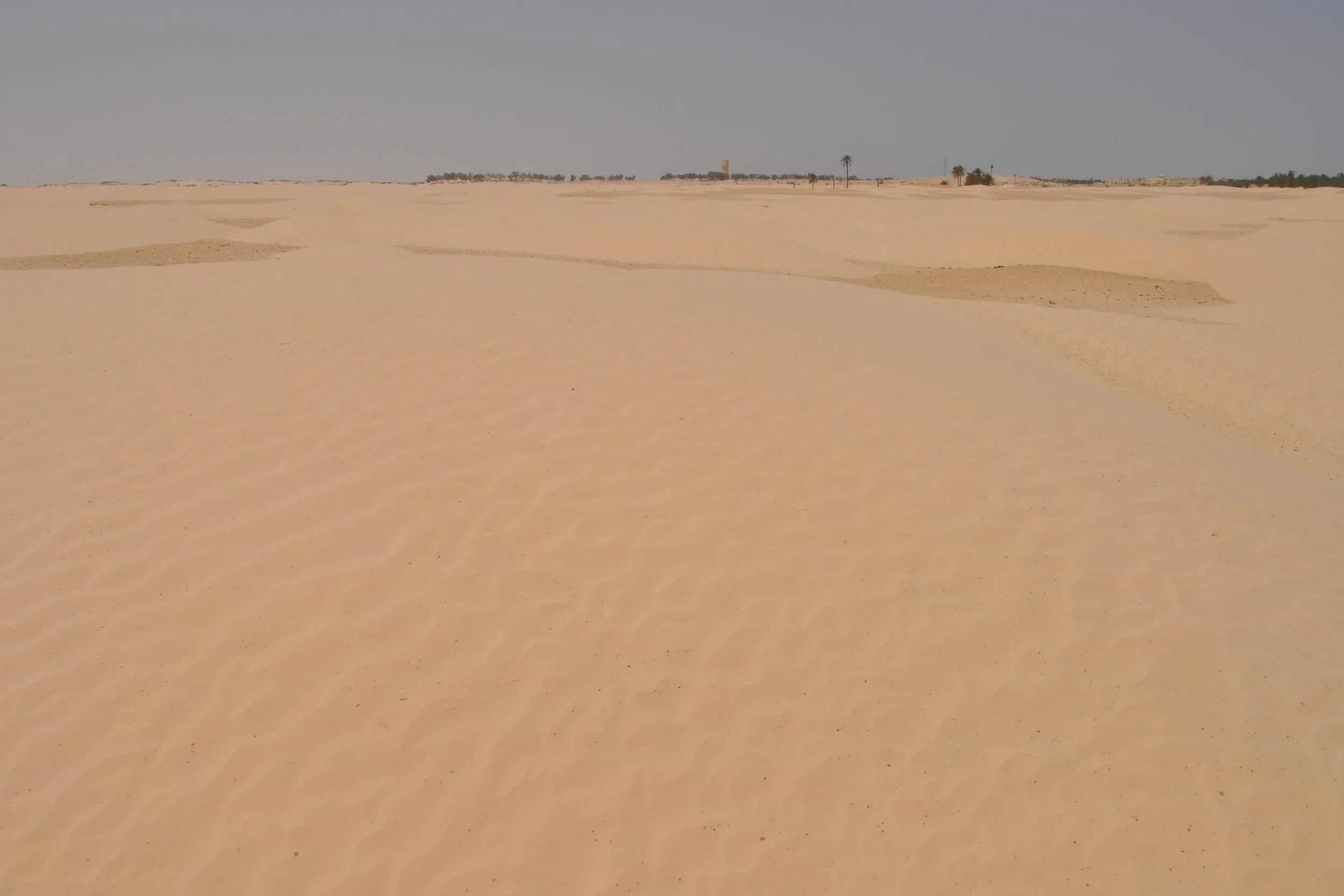
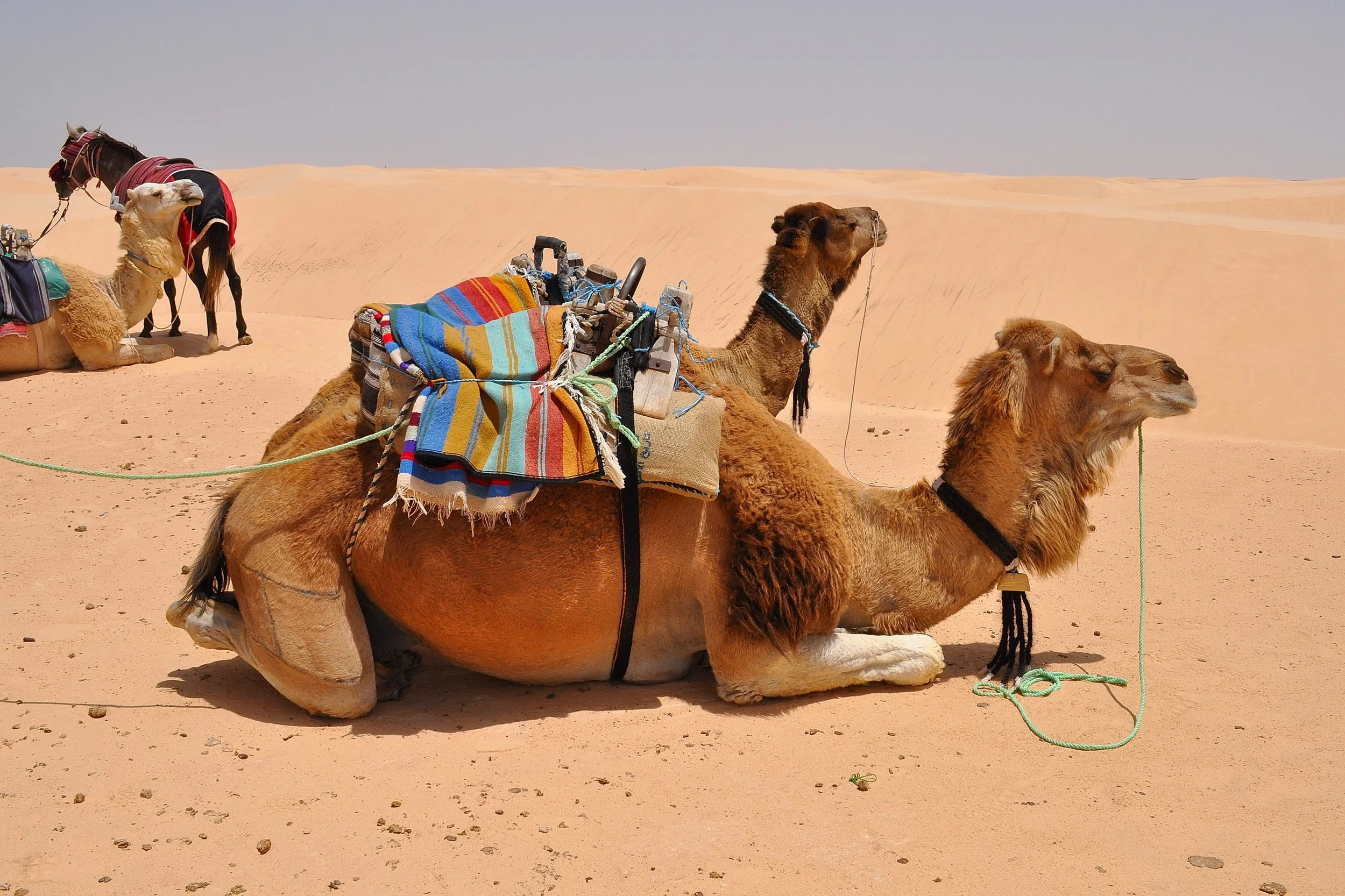

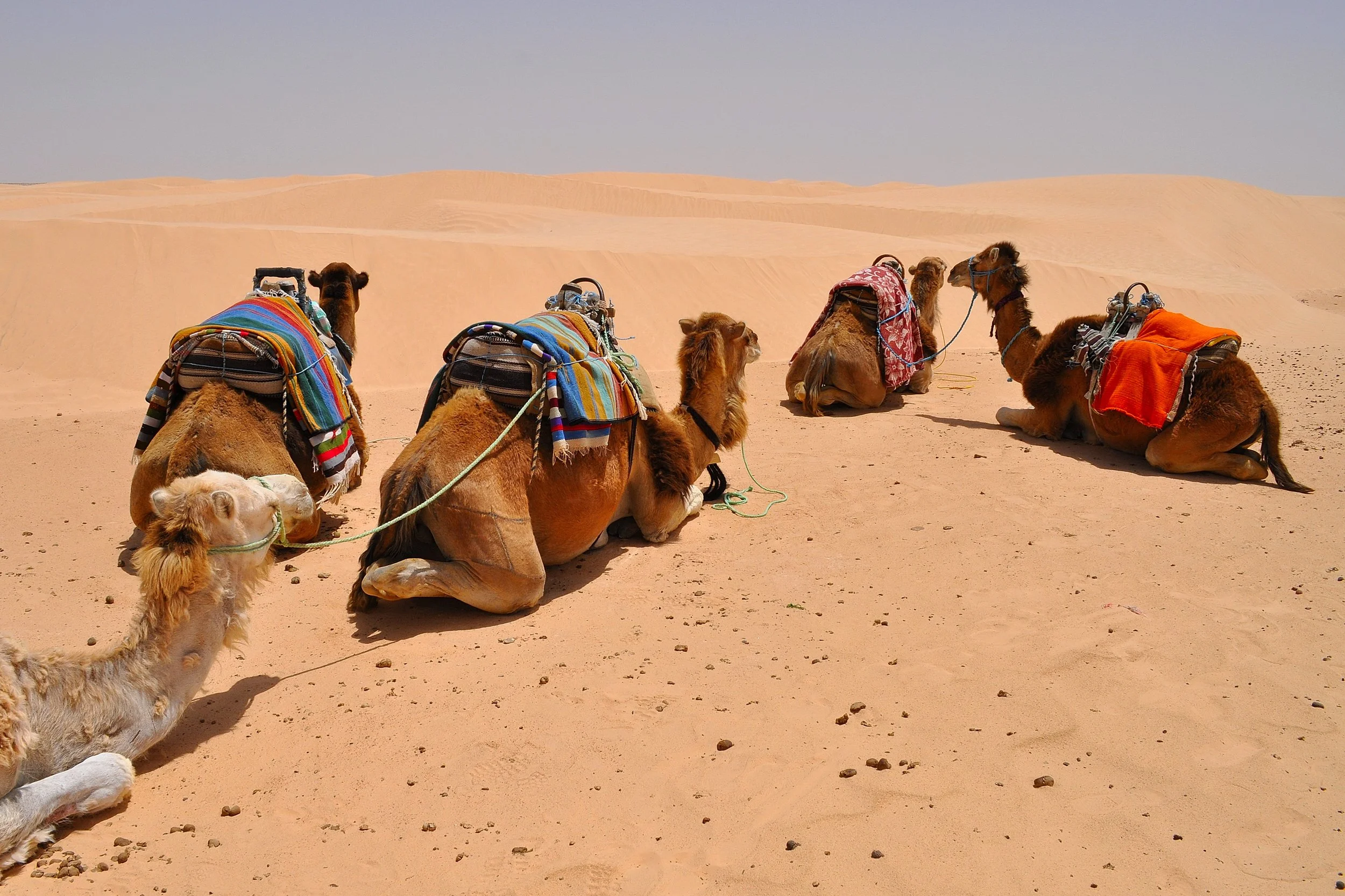


Piero: the camel ride is truly a fantastic experience and gives us a unique feeling of peace and tranquillity, far away from any noise and accompanied only by the sound of the warm desert wind. A truly unforgettable adventure, one that allows us to experience the magic and immensity of the Sahara.
Angela: on our way back from the desert excursion, we stop to photograph the beautiful Matmata. This is a Berber village that has become a popular destination for many tourists after being chosen as a filming location for the fourth episode of the Star Wars saga.
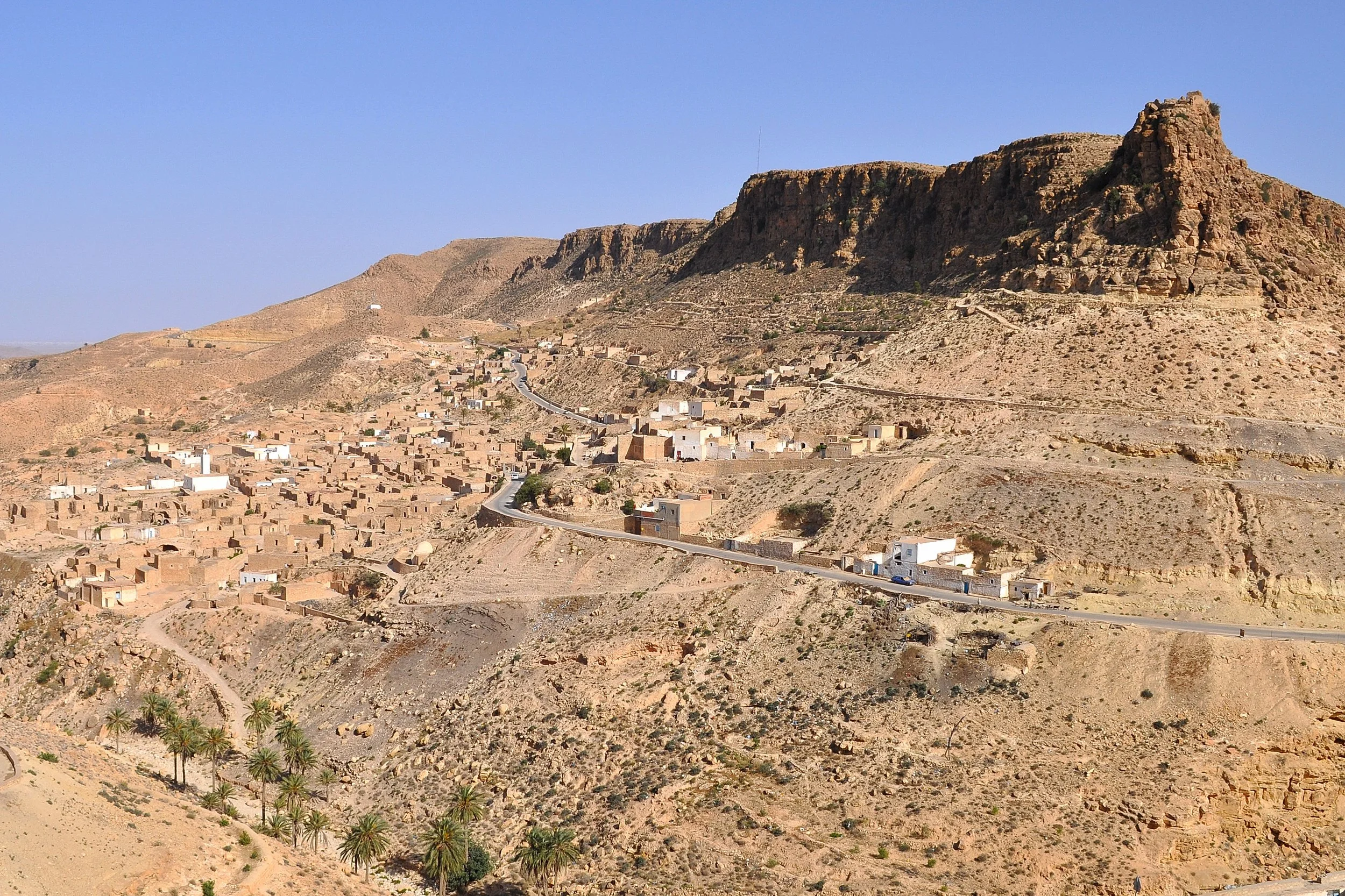
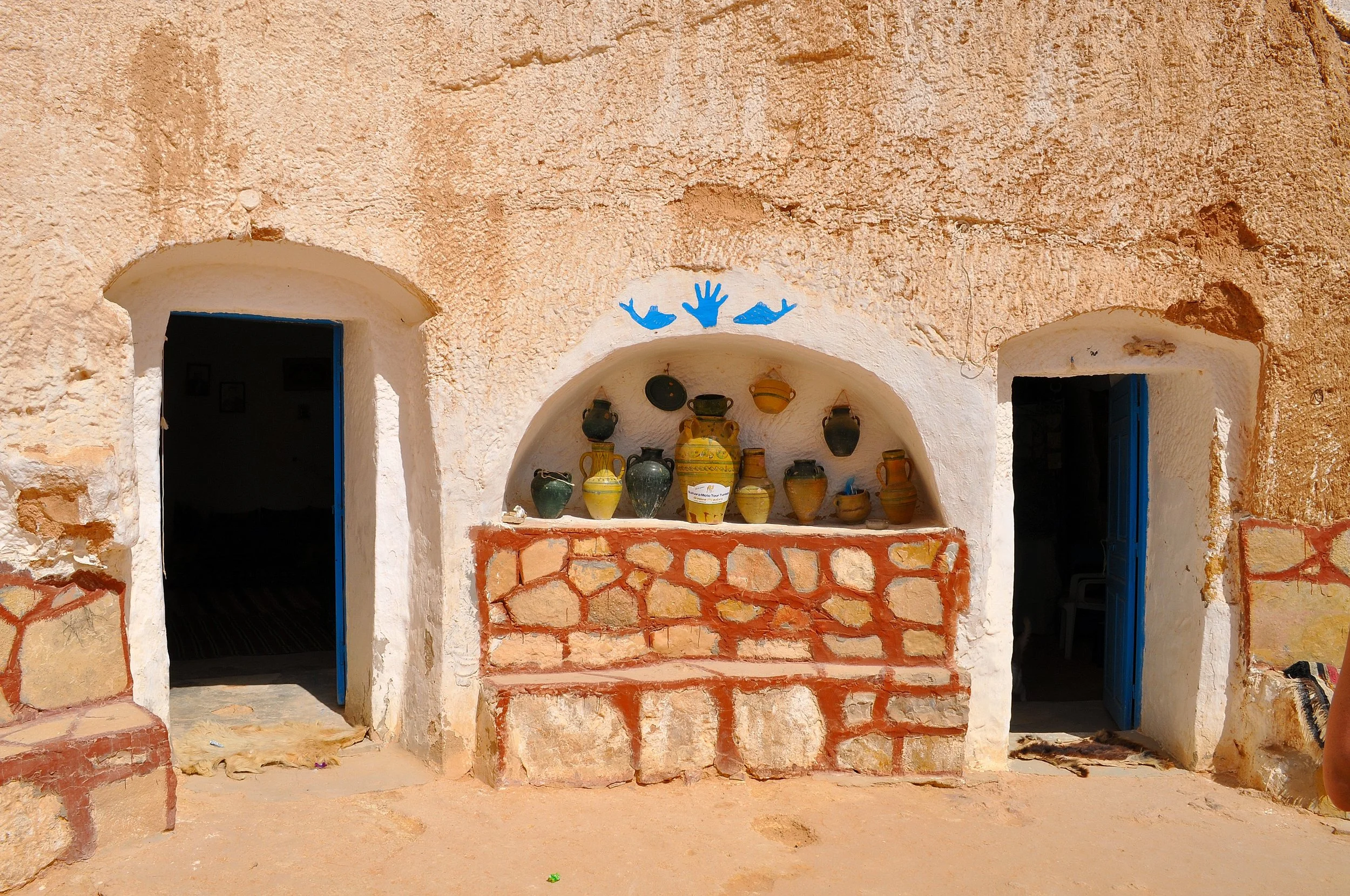
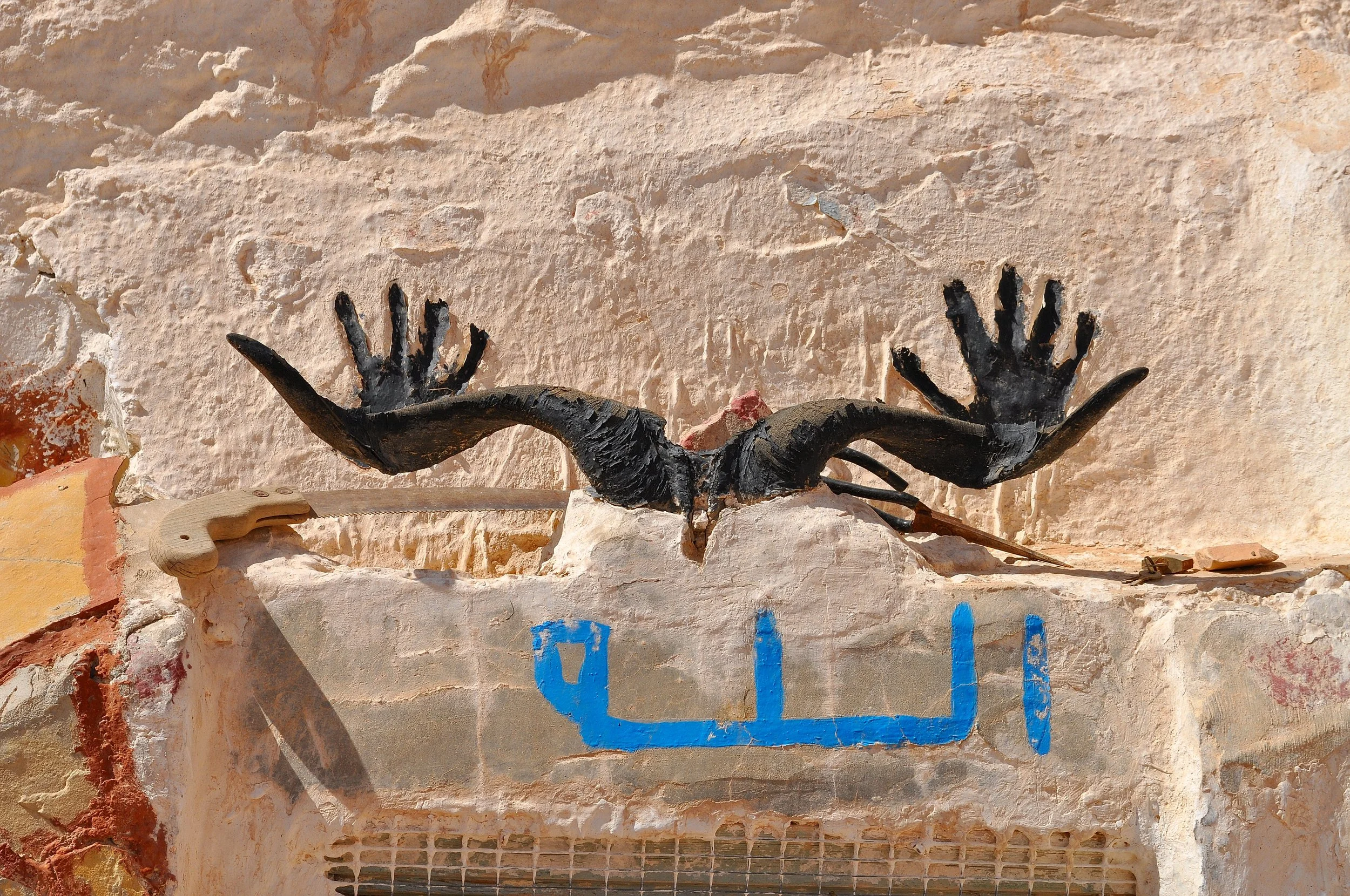
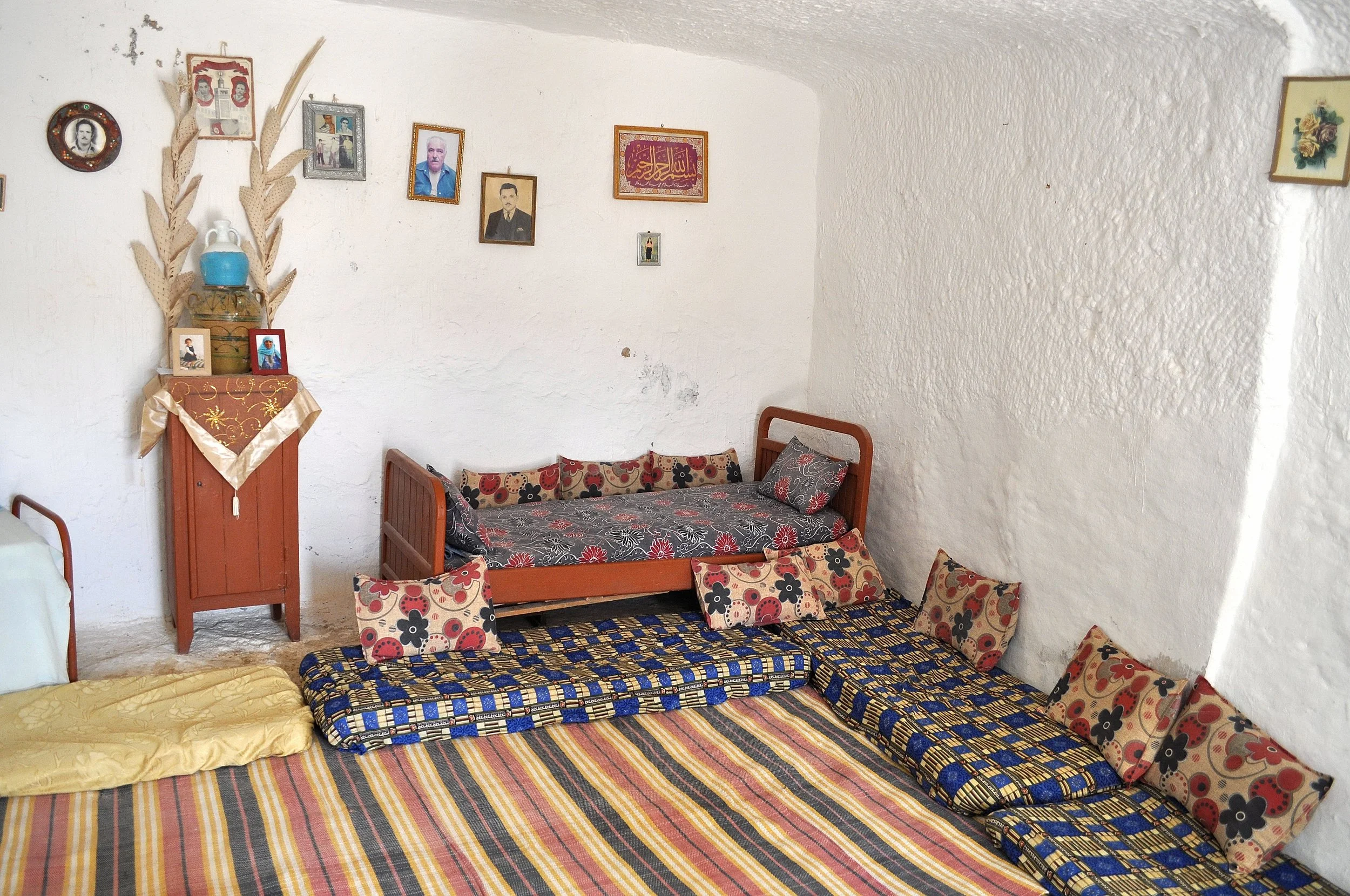
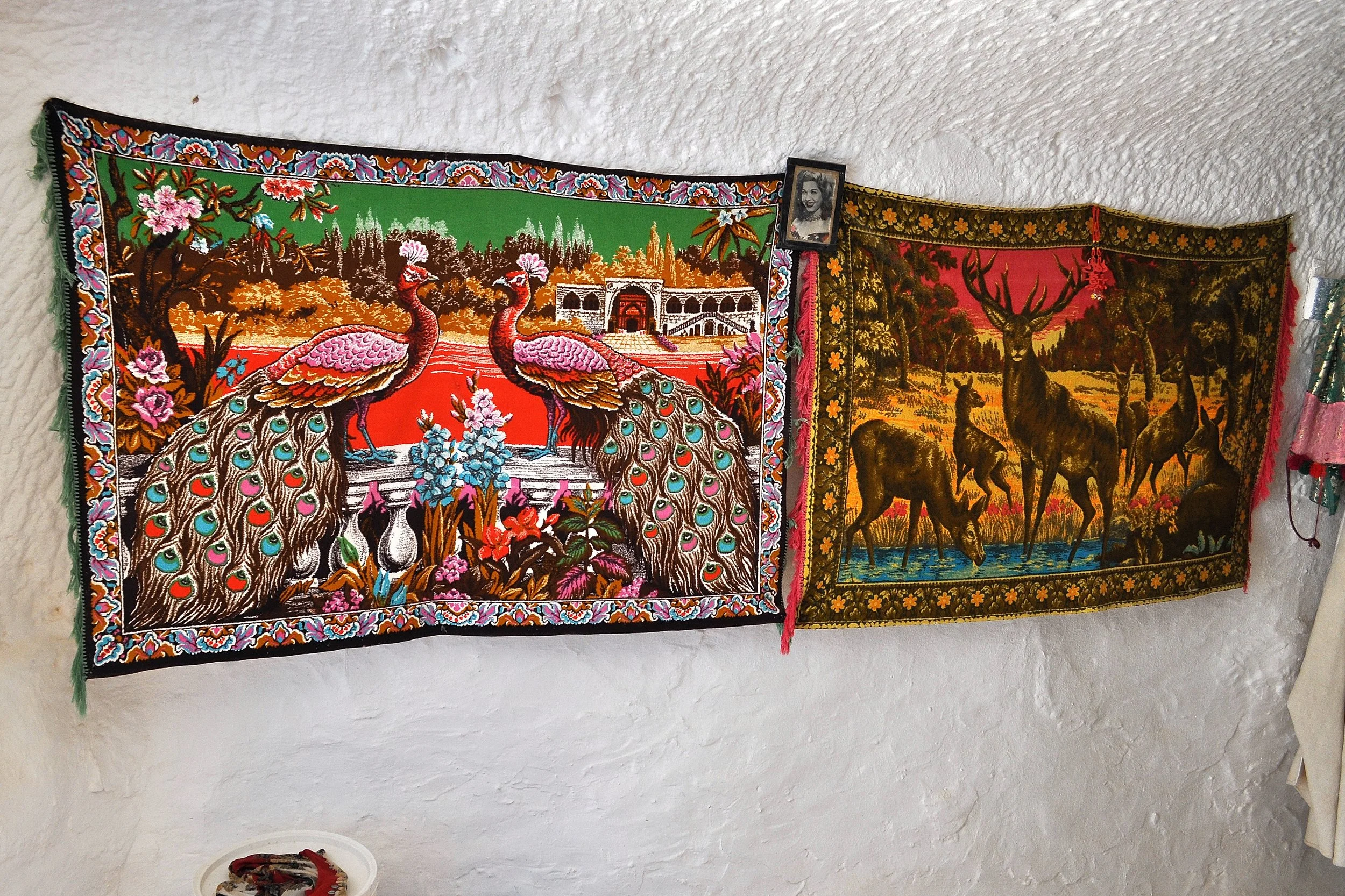
Piero: perched at an altitude of 600 metres, visiting Matmata immediately makes it clear why George Lucas chose this place as a setting for his science fiction saga. The landscape is truly moon-like, a kind of rocky desert seemingly scattered with craters. In reality, these are not craters at all, but small hills that have been dug out and transformed into underground homes, creating a unique environment where Berber traditions and cinematic imagination come together.


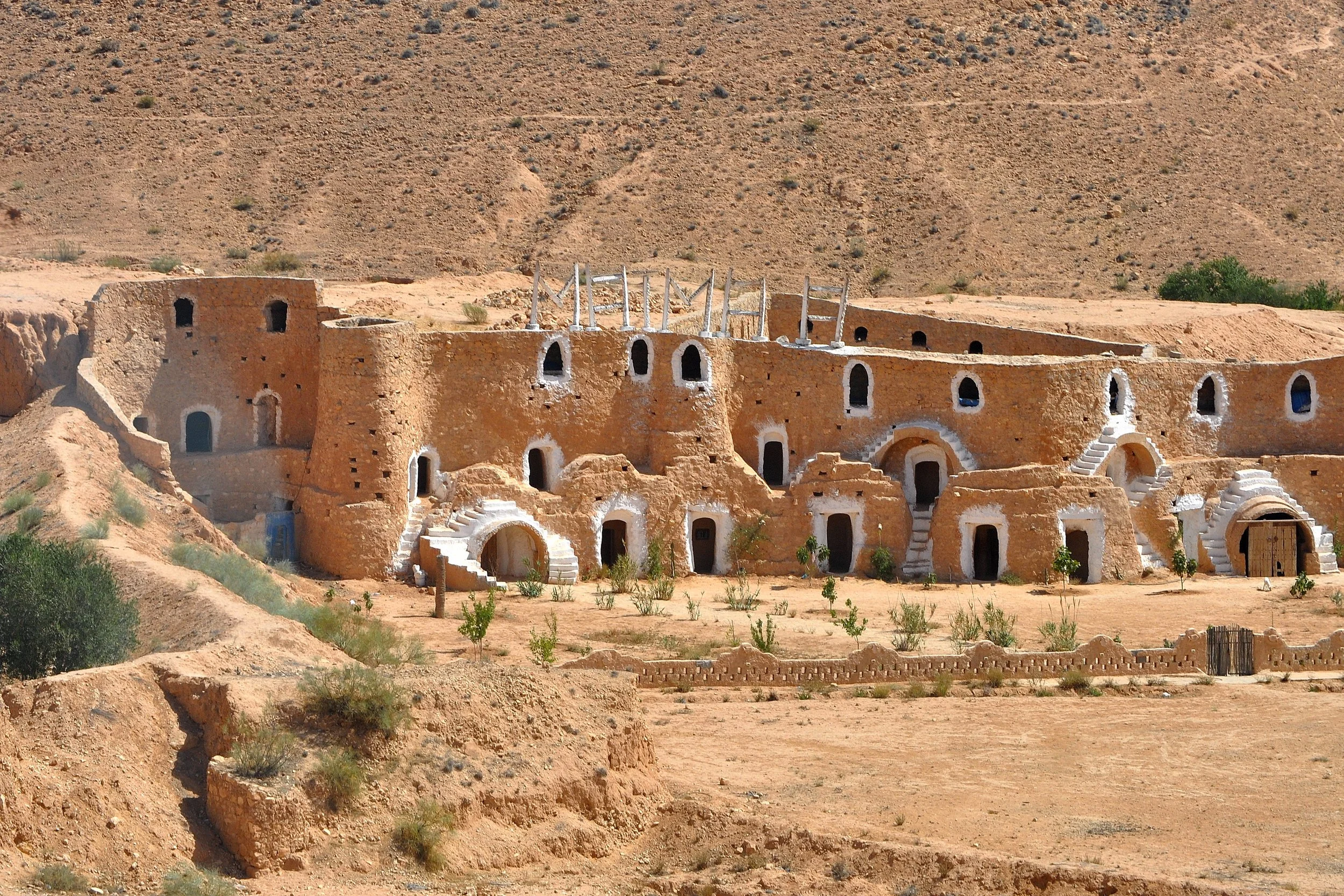
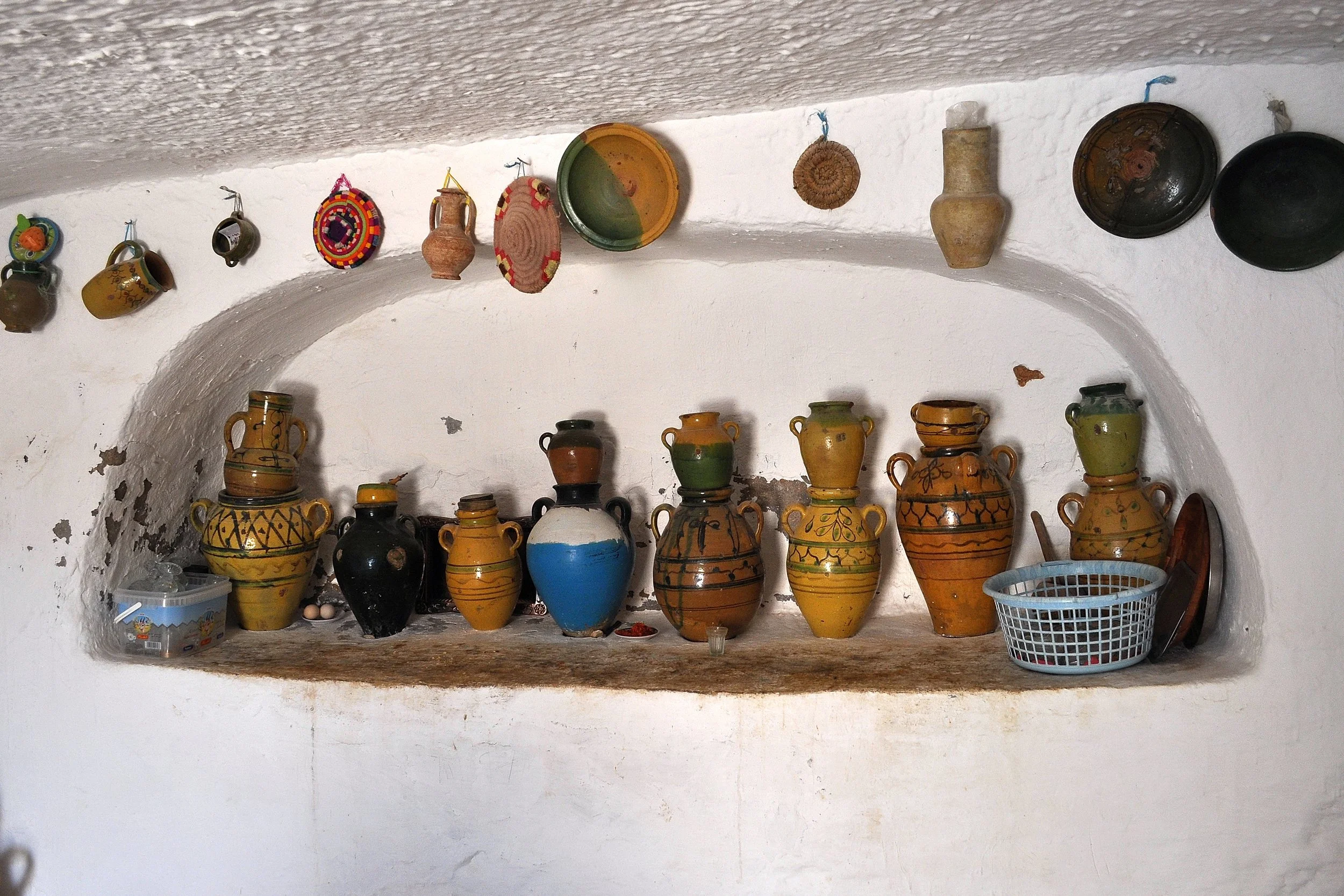
Angela: this type of troglodyte architecture, with a central open courtyard and several rooms extending underground, has the important function of keeping the homes at a comfortable temperature. This ingenious solution, developed over centuries by the Berber communities, protects the inhabitants from the extreme climate, as temperatures in this area frequently reach around 45°C during the summer months.



Good Bye Tunisia!
Piero: our two weeks in Tunisia have reached their spectacular conclusion with our unforgettable walk through the desert.
Angela: despite what many people may still think, and even though it is not among the most common tourist destinations, Tunisia offers its visitors an incredible variety of experiences. From the ancient Berber settlements dating back to the Stone Age, to the unique emotions that only the desert can provide, all the way to the science-fiction landscapes of “Star Wars” in Matmata, this country reveals an extraordinary richness. We must not forget that Tunisia has also been the stage for many important moments in ancient and modern history. Walking among the glorious Roman ruins of Carthage, Dougga, and El Jem, it is easy to immerse oneself in the past and almost feel part of that distant era. At the same time, the extraordinary relaxation offered by the beautiful beaches of the northern coast might even make us wonder why Hannibal ever wanted to leave these lands…
Piero: although tourism is still relatively limited in much of the country, there is certainly no risk of being disappointed. Whatever your reason for travelling here, you will leave with one certainty: Tunisia will know how to surprise you. After all, they have had more than three thousand years to prepare for our visit… and now we try to tell its story through this short video.