Vienna
Angela: here we go again! Winter has arrived, so if we don't want to travel too far, the sea is off the table. Shall we start exploring a few beautiful European capitals again?
Piero: what if I said "the City of Dreams"? What comes to your mind? A city that became the symbol of an empire which left an unforgettable mark on history—a perfect blend of culture, art, and architecture, enriched by unmatched elegance and timeless charm. The ideal destination for our three-day journey.
Angela: I think I've got it! You're talking about the Austro-Hungarian Empire, so the city can only be Vienna.

Piero: exactly! Vienna has always fascinated me. I imagine that, walking through its streets, you can almost hear the footsteps of the Habsburg emperors. You know how passionate I am about history, and I can't wait to explore the city!
Angela: are we going by plane, train, or our usual van?
Piero: flying would certainly be convenient, but tickets are often expensive and the schedules aren't ideal. The train is another good option, but in the end it doesn't really save us much time or money...
Angela: I already know where this is going... start the van—the suitcases are already packed!
Piero: after all, it's only an eight- or nine-hour drive. The winter weather might not be perfect, but we'll be travelling almost entirely on the motorway. I promise we'll stop for lunch, and along the way I'll tell you a bit about the history of Vienna, so we can get into the right spirit before we arrive.
Angela: all right, you've convinced me. Let's go!
Vienna, we're coming!
Piero: the history of Vienna begins with the Romans, who established a military camp here around 89 AD, known as Vindobona. Even today, you can still see sections of the ancient walls, while the narrow streets of the historic centre preserve the layout of the original Roman settlement. Because of its strategic position on the eastern frontier, Vindobona soon became a target for the many peoples seeking to enter Central Europe, including the Lombards, Avars, and Slavs.
Angela: of course, you can't talk about Vienna without mentioning the Habsburgs. The city was the heart of the Holy Roman Empire and later of the Austro-Hungarian Empire. This dynasty ruled Vienna for more than 600 years, making it the imperial capital from 1438 to 1918. Thanks to the Habsburgs, Vienna became one of Europe's leading political and cultural centres. You know those images of magnificent Baroque palaces and lavish imperial balls? This is where they all came to life.
Piero: until the early 20th century, Vienna was widely regarded as the cultural capital of Europe, attracting some of the greatest minds of the time thanks to its prestigious institutions, foremost among them the University of Vienna. And, of course, we cannot forget the city's extraordinary role in the world of classical music. It was home to geniuses such as Mozart, Beethoven, Schubert, and Brahms. Vienna is not only a city of political history, but also one of the world's greatest cultural crossroads. I often wonder what it must have been like to live here in the 18th century, with music echoing through every street.
Piero: it must have been a truly magical experience. But what I find even more fascinating is that, despite all the upheavals of history, Vienna has always managed to reinvent itself. Today it is a modern city with one of the highest qualities of life in the world, blending tradition and innovation in a truly remarkable way.
Angela: that's absolutely true. From the splendour of the imperial era to the vibrancy of modern life, Vienna seems to possess a timeless charm. I can't wait to discover all of this over the next three days!
Discovering Vienna
Piero: we arrive in the city and settle into an apartment just outside the Ring, the famous boulevard that encircles Vienna's historic centre. It follows the route of the city's former defensive walls, which have long since disappeared. Today, the Ringstraße is one of Europe's most elegant and monumental avenues, lined with magnificent palaces and historic buildings—a masterpiece of urban planning and architecture.
Angela: we begin our visit early in the morning with St. Charles's Church.
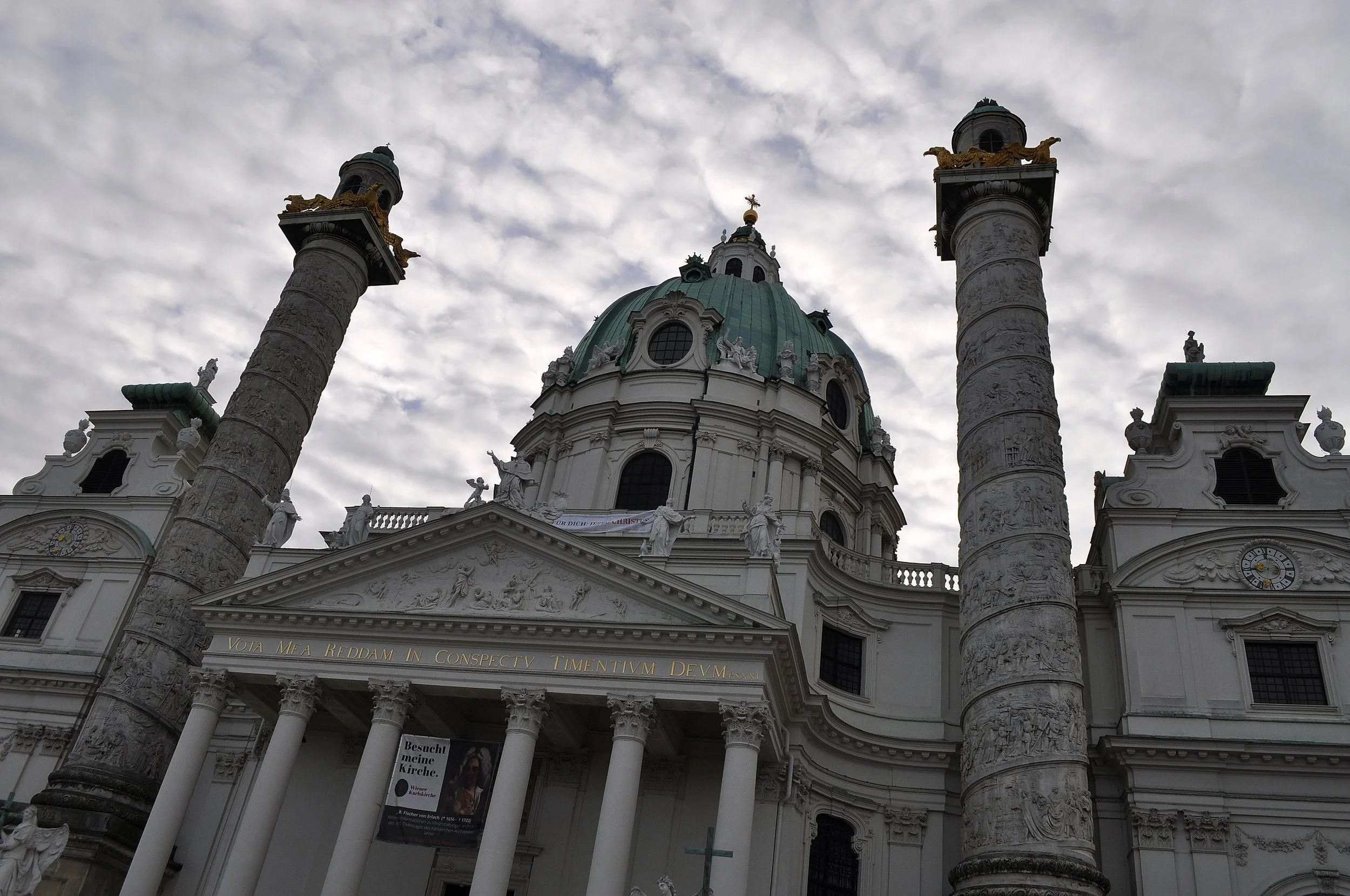
Piero: Karlskirche, as it is known here, is captivating from the very first glance. It stands in front of a reflecting pool where the church's façade is beautifully mirrored, creating the perfect setting for stunning photographs. Unfortunately, we weren't that lucky, as the pool was closed due to maintenance work.
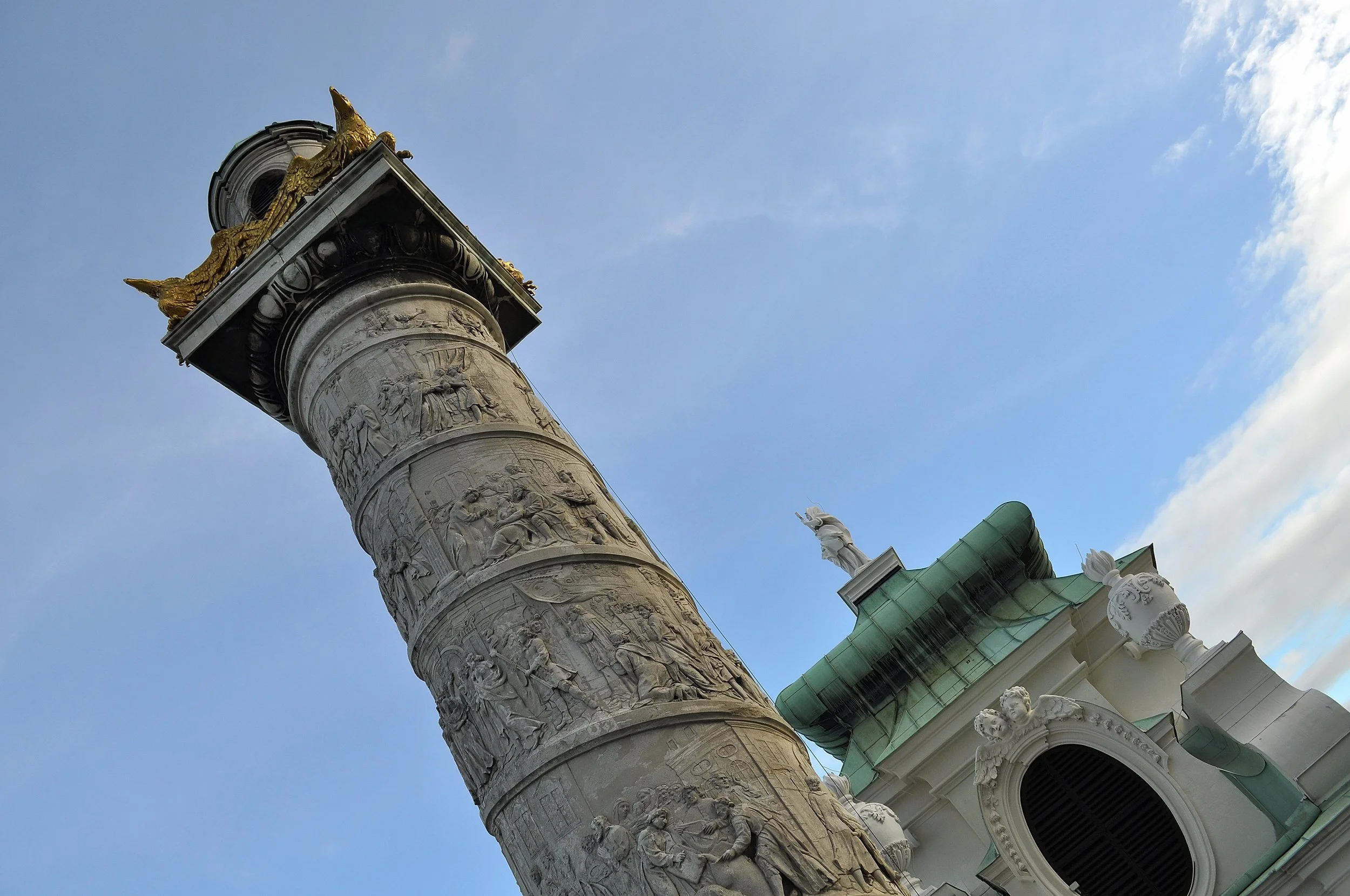
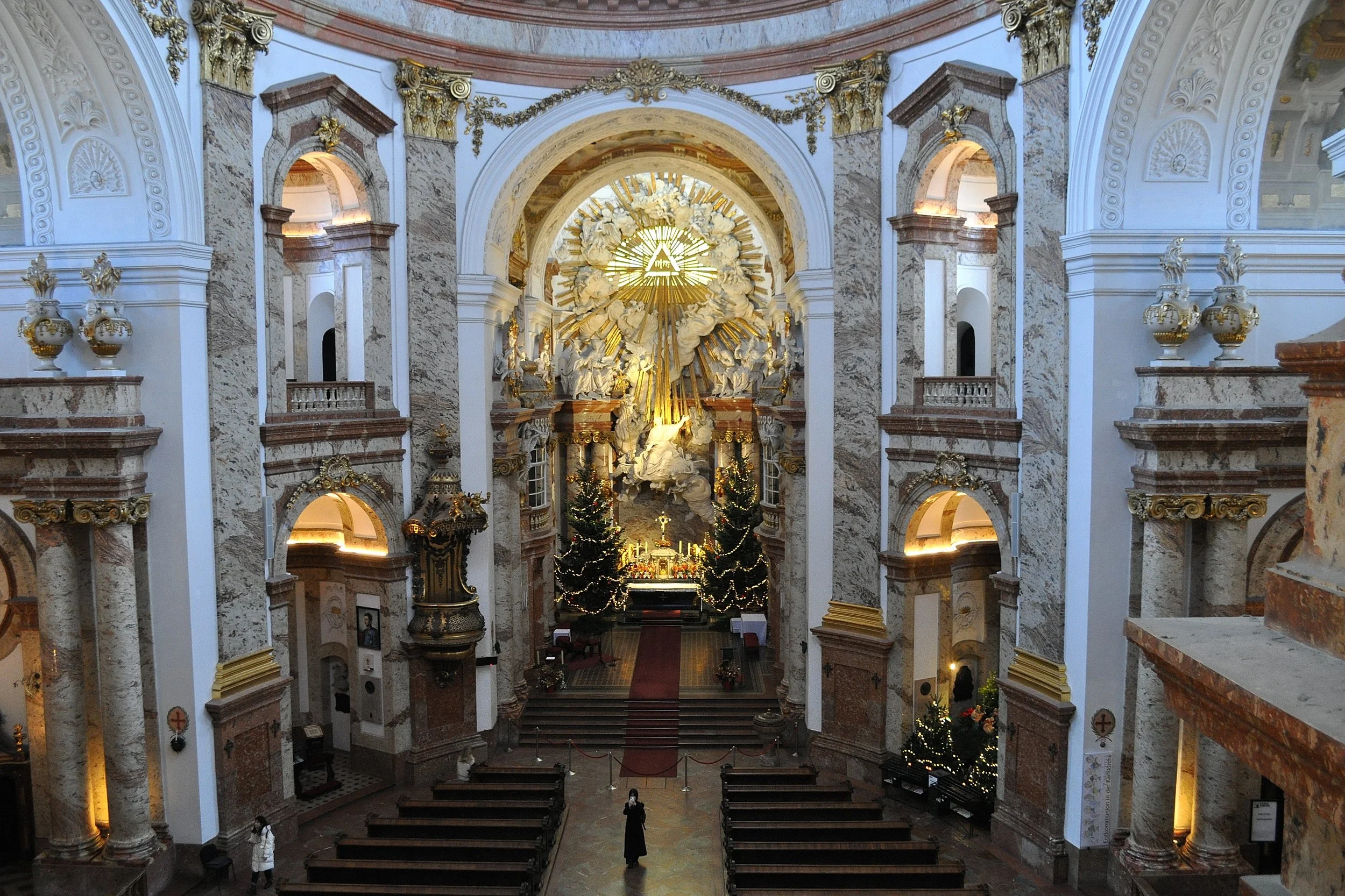
Angela: the church was commissioned by Emperor Charles VI after a devastating plague epidemic struck Vienna in the early 18th century. He dedicated it to Saint Charles Borromeo, the Italian saint revered as the protector of plague victims. It is a truly unique church, distinguished by its two monumental columns, clearly inspired by Trajan's Column in Rome. The entire building was designed by Johann Bernhard Fischer von Erlach, who, sadly, never lived to see it completed, as construction took twenty-five years. The interior is richly decorated with frescoes and sculptures celebrating the life of Saint Charles Borromeo. Particularly impressive is the magnificent frescoed dome, portraying the saint's apotheosis. Visitors can also climb up to the dome to enjoy one of the finest panoramic views of Vienna.





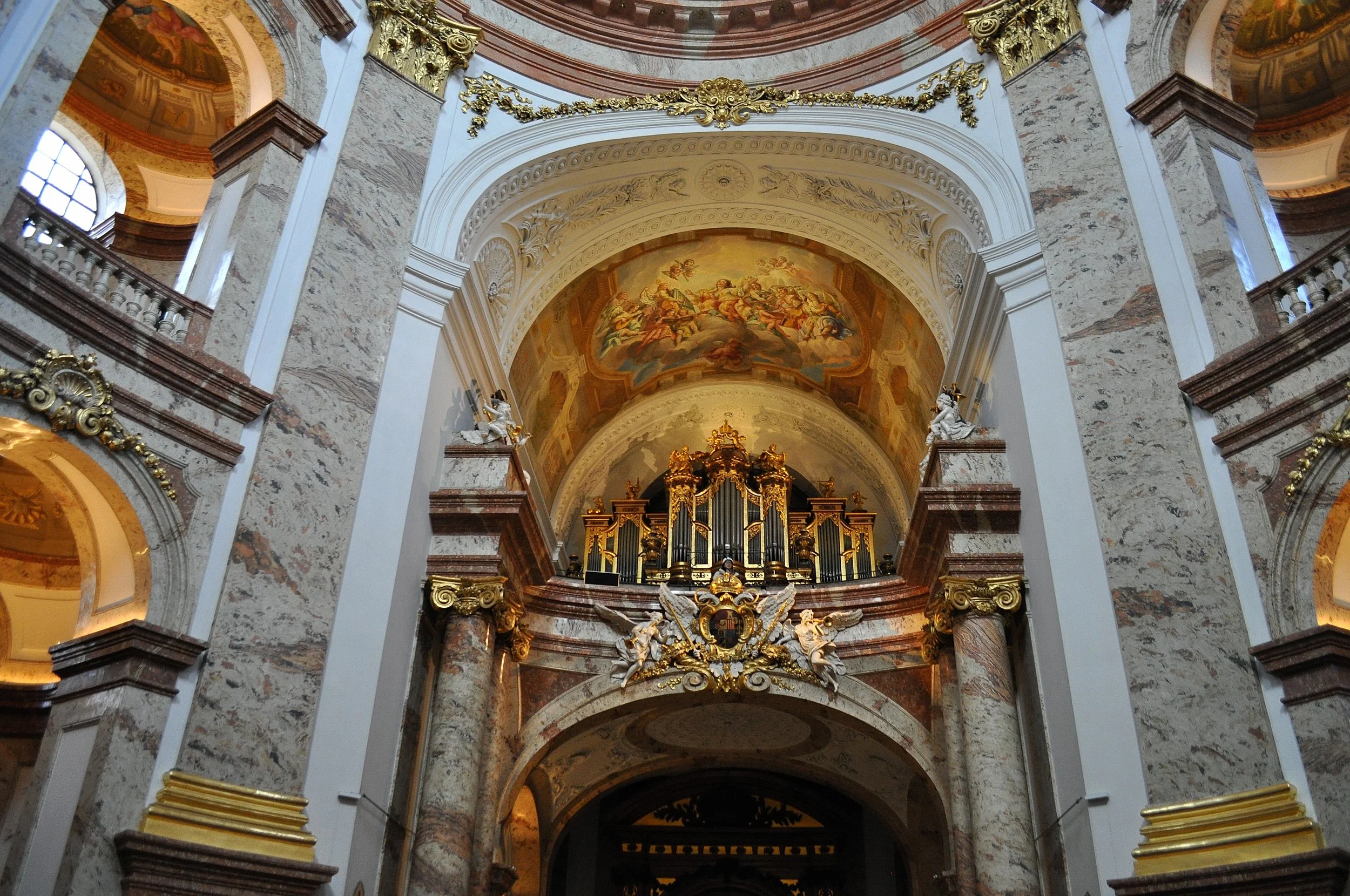


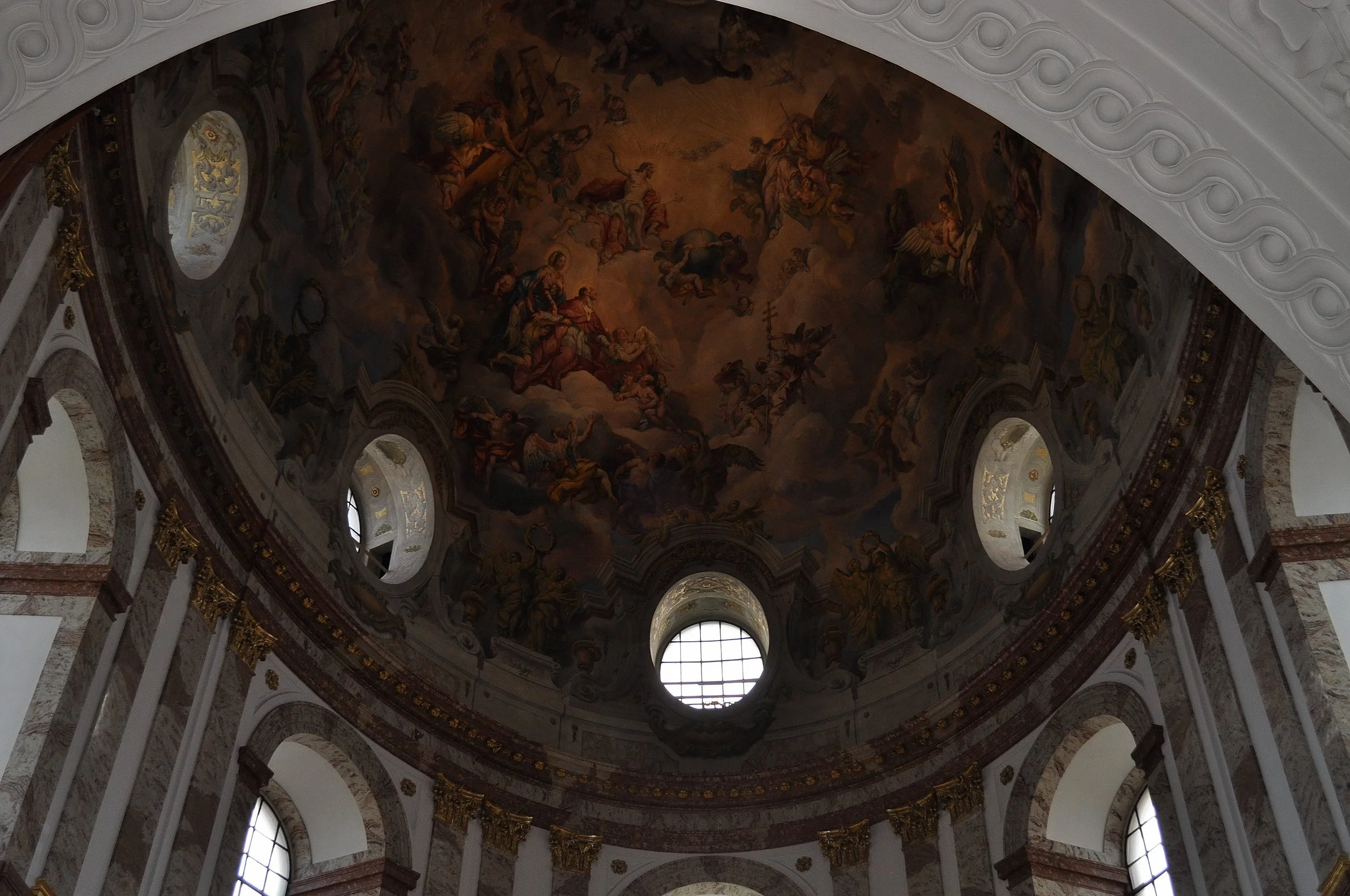

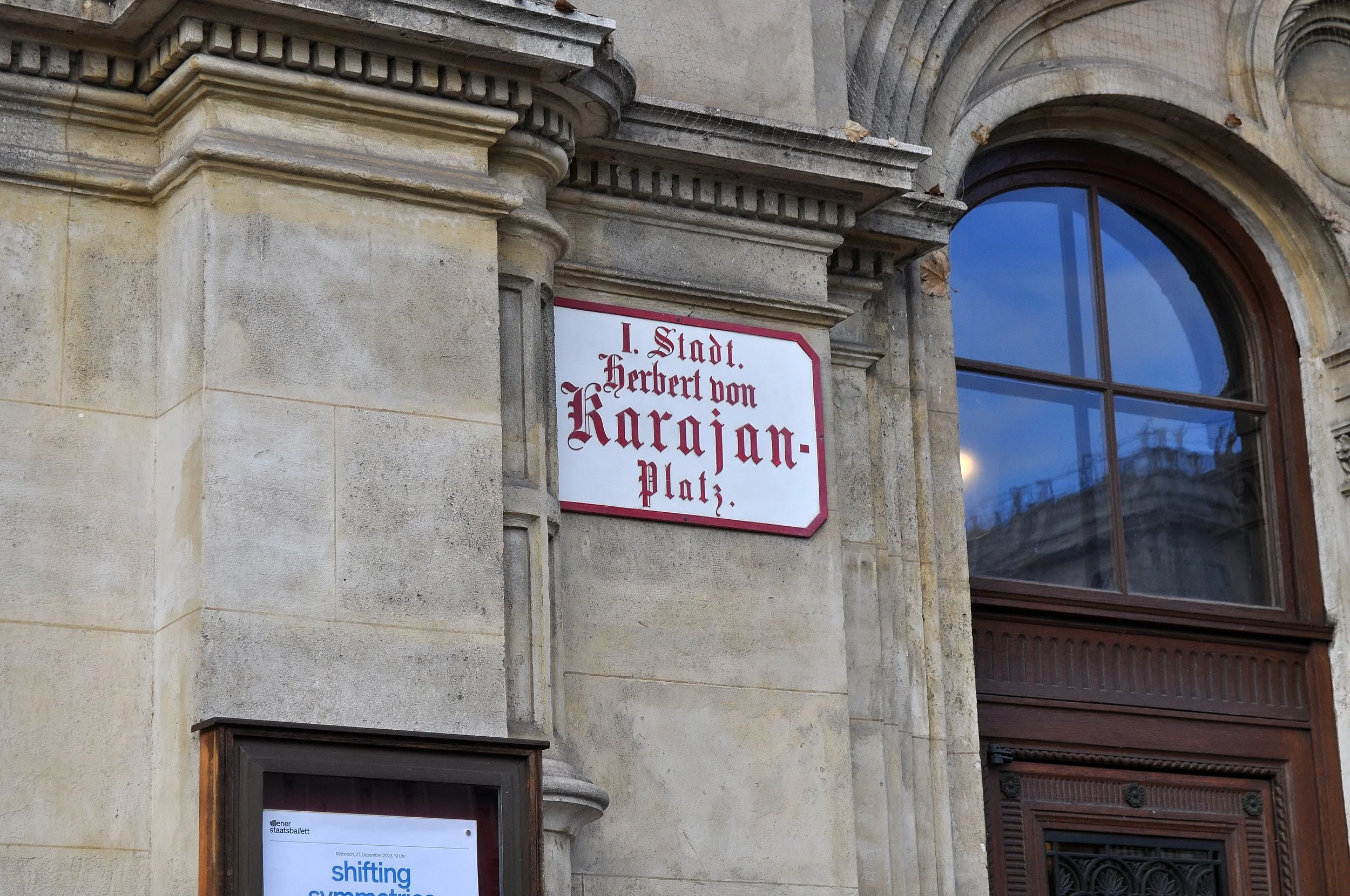
Piero: da Karlskirche ci spostiamo a piedi verso Hofburg, passando davanti al Grand Hotel e all’Opera di Vienna.


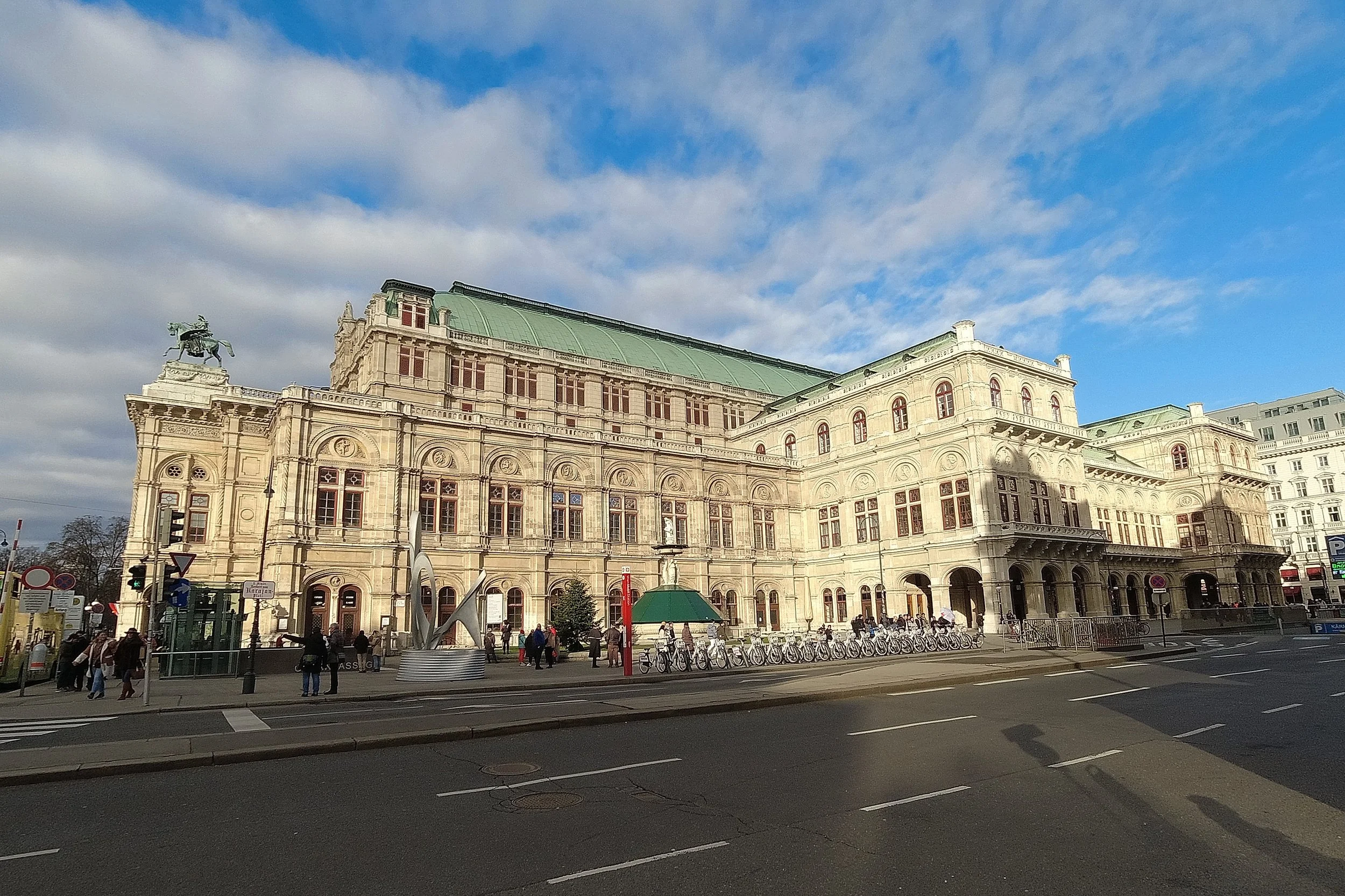
Angela: we are now in the heart of the city — Vienna's Historic Centre, a UNESCO World Heritage Site. At last, we arrive at the Hofburg, the magnificent former imperial residence of the Habsburg dynasty.
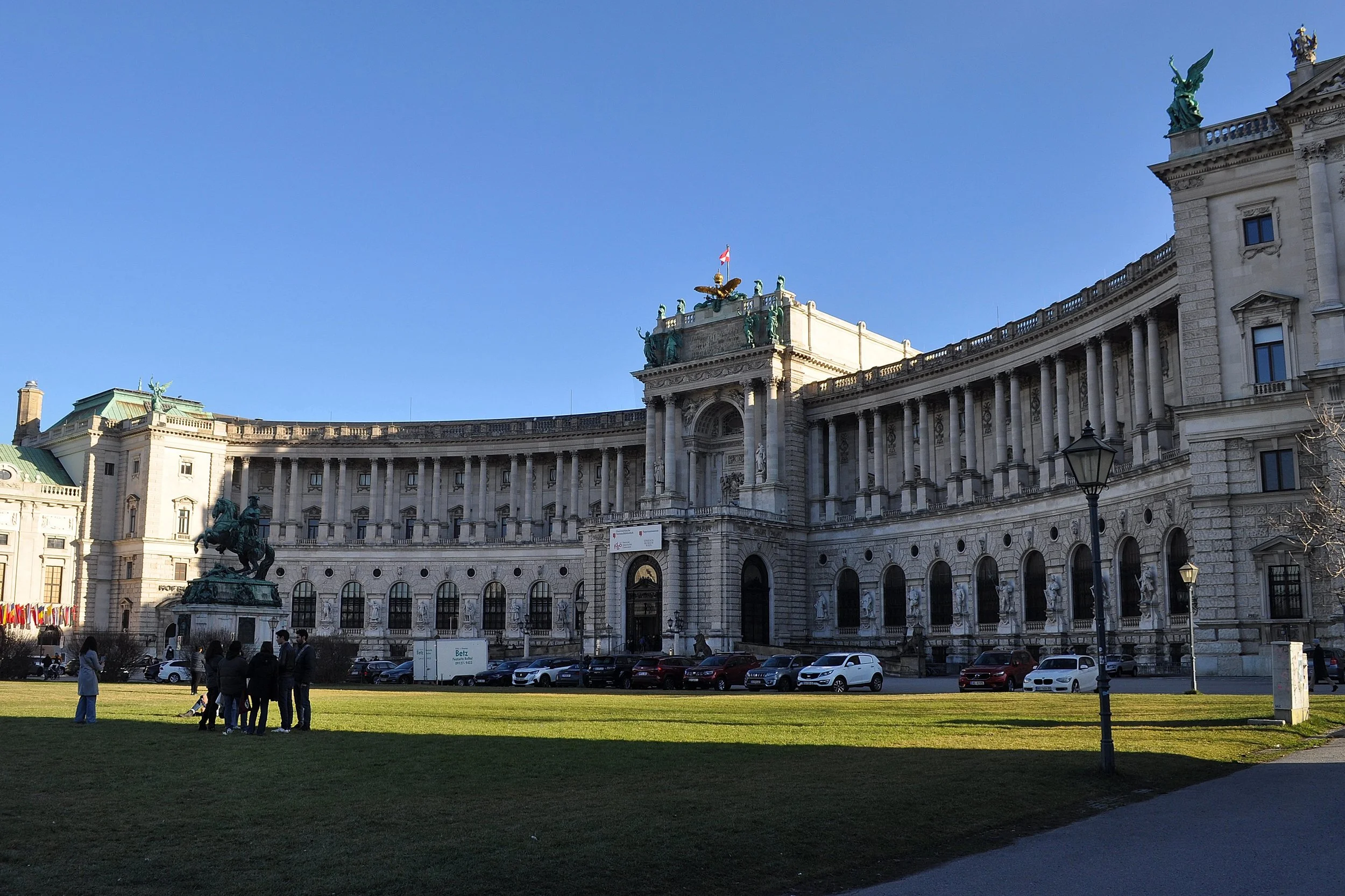
Piero: the Hofburg is an extraordinary place. This vast imperial residence is now home to several museums and the offices of the President of Austria, but for centuries it was the very centre of imperial power. Generations of emperors lived and ruled here, including the most famous of them all: Franz Joseph I and Elisabeth of Austria, better known as Sisi.
Angela: such a fascinating and legendary figure, loved by many yet marked by tragedy. Her life is truly extraordinary. She was an incredibly modern woman for her time, but also deeply troubled. Her romantic and melancholy image has turned her into one of history's most enduring legends.
Piero: the Hofburg is enormous—more like a small district than a single imperial palace. It's almost unbelievable that one complex could contain so much history. Just think: some of the most important events that shaped the destiny of Europe unfolded right here.


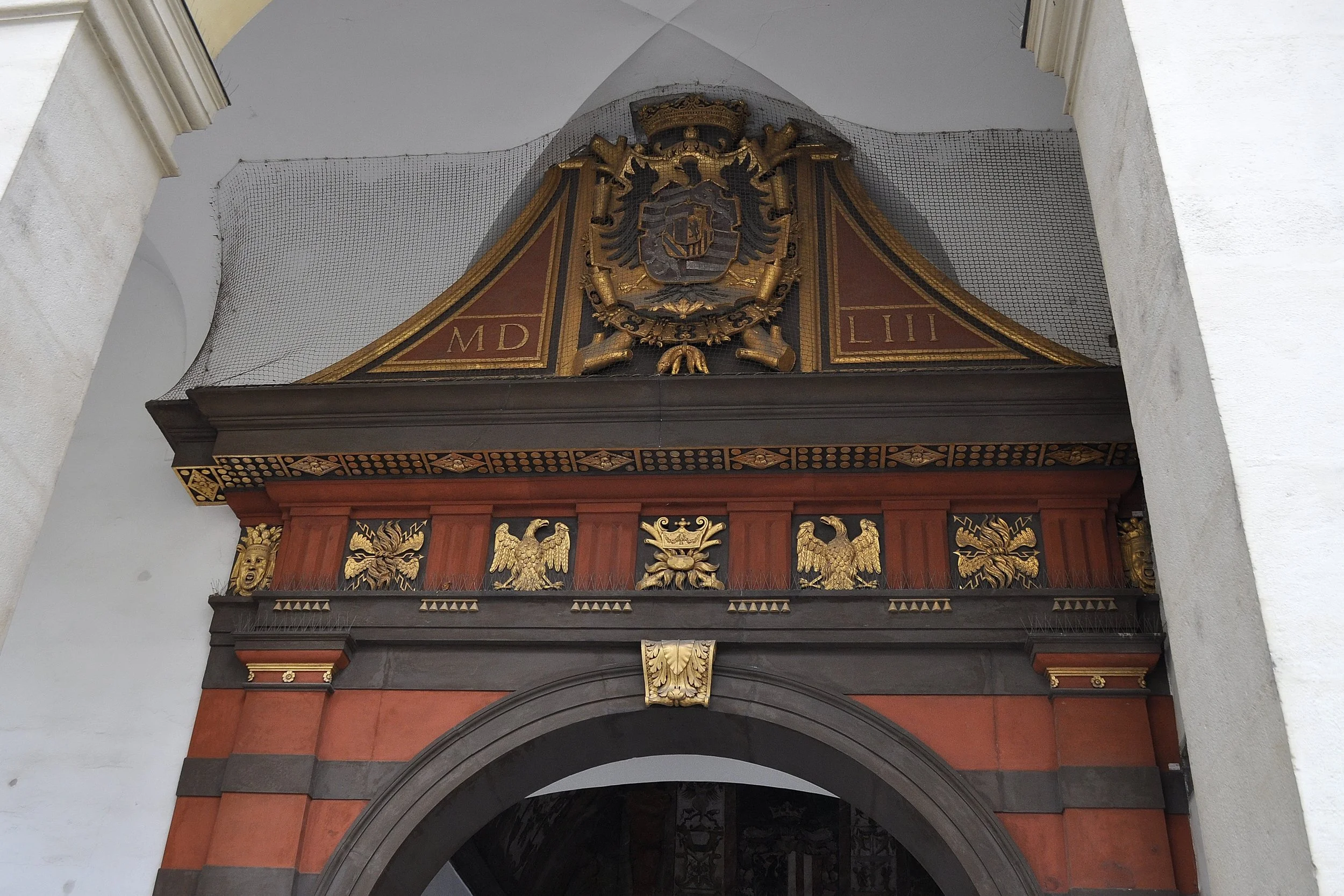
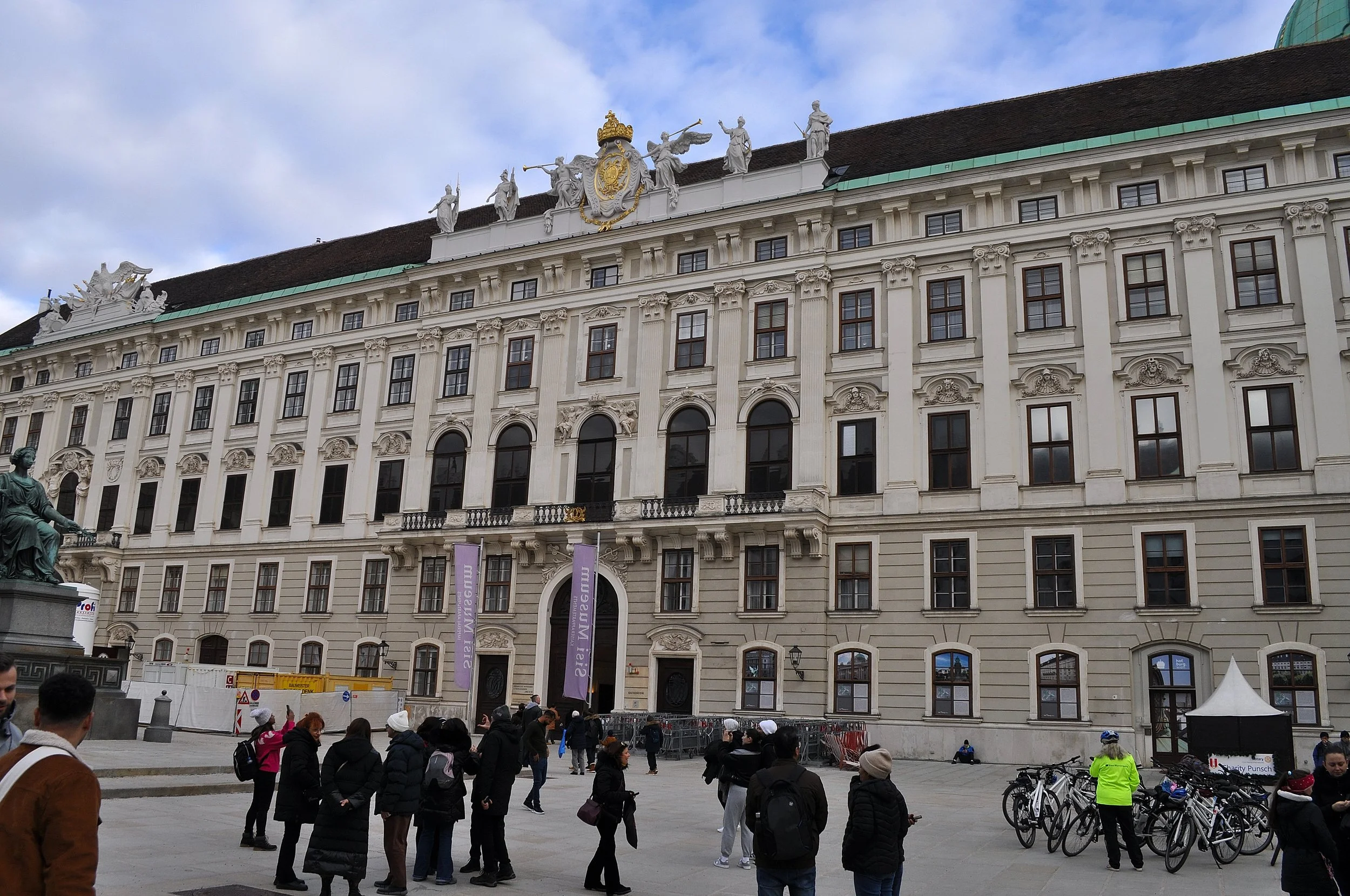

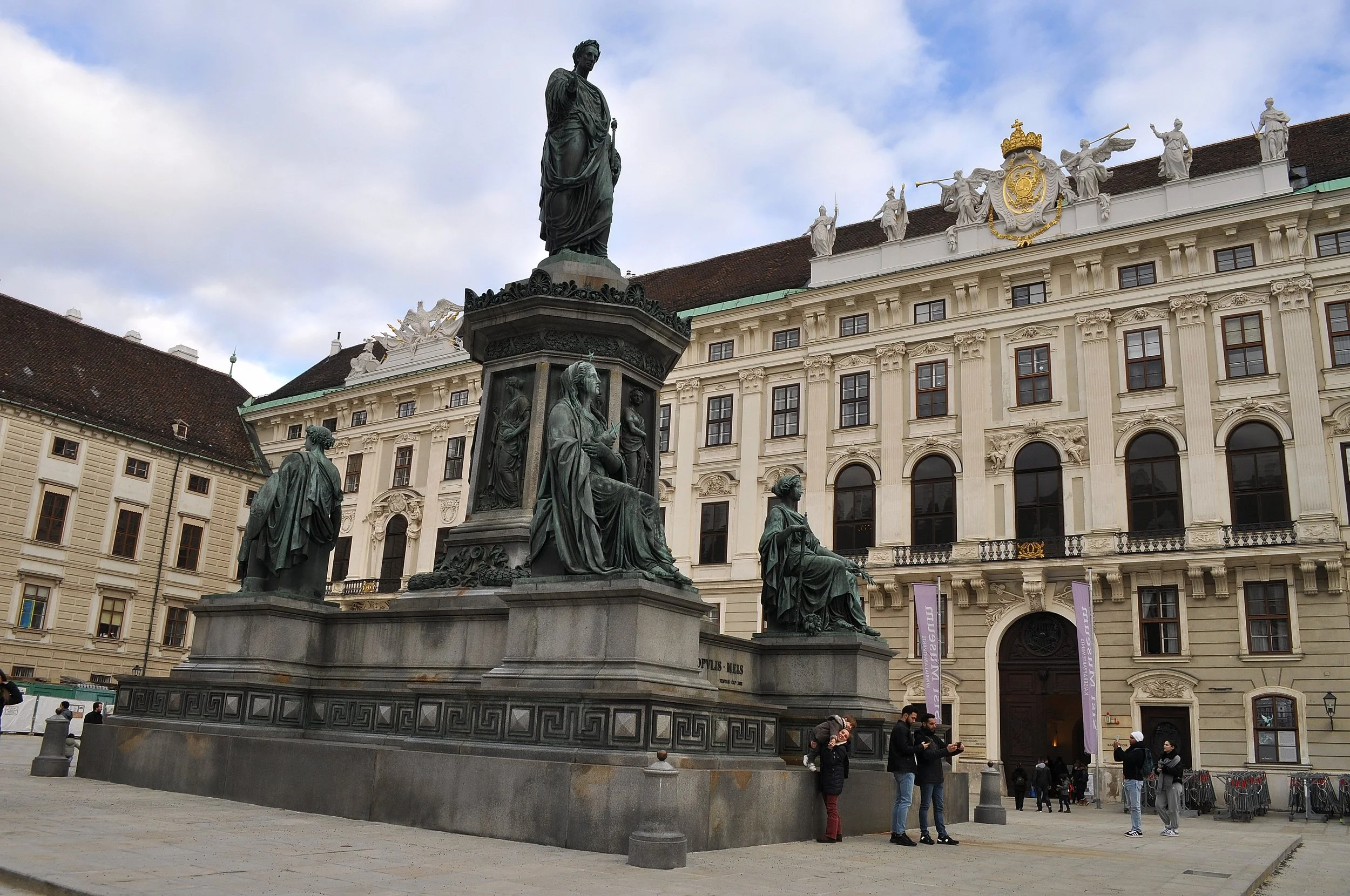


Angela: but before leaving the Hofburg, we return to Sisi. Visiting her apartments is undoubtedly one of the most fascinating moments of our tour. I can't wait to see her private rooms.
Piero: although she was born into a noble Bavarian family, she never truly embraced court life. At just sixteen years old, she married Emperor Franz Joseph, one of the most powerful men of his time. At first it seemed like a fairy tale, but the rigid court protocol and the endless imperial duties soon became an unbearable burden.
Angela: incredibly beautiful and obsessed with her appearance, she spent hours caring for her extraordinarily long hair, followed strict diets, and was almost fanatical about maintaining her figure. But above all, she loved travelling. She could not stand the restrictions of court life and was constantly searching for an escape, often disappearing for months at a time.
Piero: behind the fairy-tale image, however, lay immense suffering. The death of her young daughter Sophie and the suicide of her son Crown Prince Rudolf deeply scarred Sisi, who from that moment onward dressed only in black. Perhaps it was this combination of beauty and sorrow that transformed her into a legend even during her lifetime. The people adored her: she always appeared flawless in public, never revealing the inner turmoil she carried. Perhaps because she embodied an idea of freedom and rebellion that few could afford to pursue. She was also remarkably modern for her time: she travelled without her husband, practised sports such as fencing and horse riding, and, in many ways, created a parallel life far removed from the rigid formalities of the imperial court.
Angela: even her death added to the legend. She was fatally stabbed by an Italian anarchist while walking along the lakeside promenade in Geneva. In fact, she was not even his intended target—he simply wanted to kill a member of the aristocracy, whoever that might be. Sisi happened to be there by chance and died at the age of sixty. Ironically, she lost her life during one of the many journeys she had taken in search of peace and freedom.
Piero: the Sisi Museum, housed inside the Hofburg, tells her remarkable story and offers a deeper understanding of her life. It displays personal belongings, letters, dresses, and even her famous portrait. It is an opportunity to step into the world of a woman who challenged convention, ultimately paying an extraordinarily high price for doing so.
Angela: the Imperial Apartments are magnificent, with beautifully decorated Baroque and Rococo rooms. Yet, while they symbolised confinement and duty for Sisi, they represented order and tradition for Franz Joseph, who was deeply attached to them. The two were united by more than the imperial throne—they most likely truly loved each other, even if the Emperor perhaps never fully understood his wife. Sadly, photography is not allowed inside, so only the memory of that splendour remains with us.
Piero: as we mentioned, the Hofburg is a vast complex of buildings from different periods, housing some of Austria's most important cultural institutions, including the Austrian National Library and the Spanish Riding School. One place you absolutely should not miss is the Imperial Treasury (Schatzkammer), home to the sacred and secular treasures of the Habsburgs. Among its priceless collections are the Imperial Crown of Rudolf II, the imperial mantle and sword, the orb and sceptre, the Crown of the Holy Roman Empire, and the famous Holy Lance, traditionally believed to contain one of the nails from the Crucifixion of Christ.
Angela: after a short walk through the Volksgarten, the People's Garden, we finally leave the Hofburg behind.
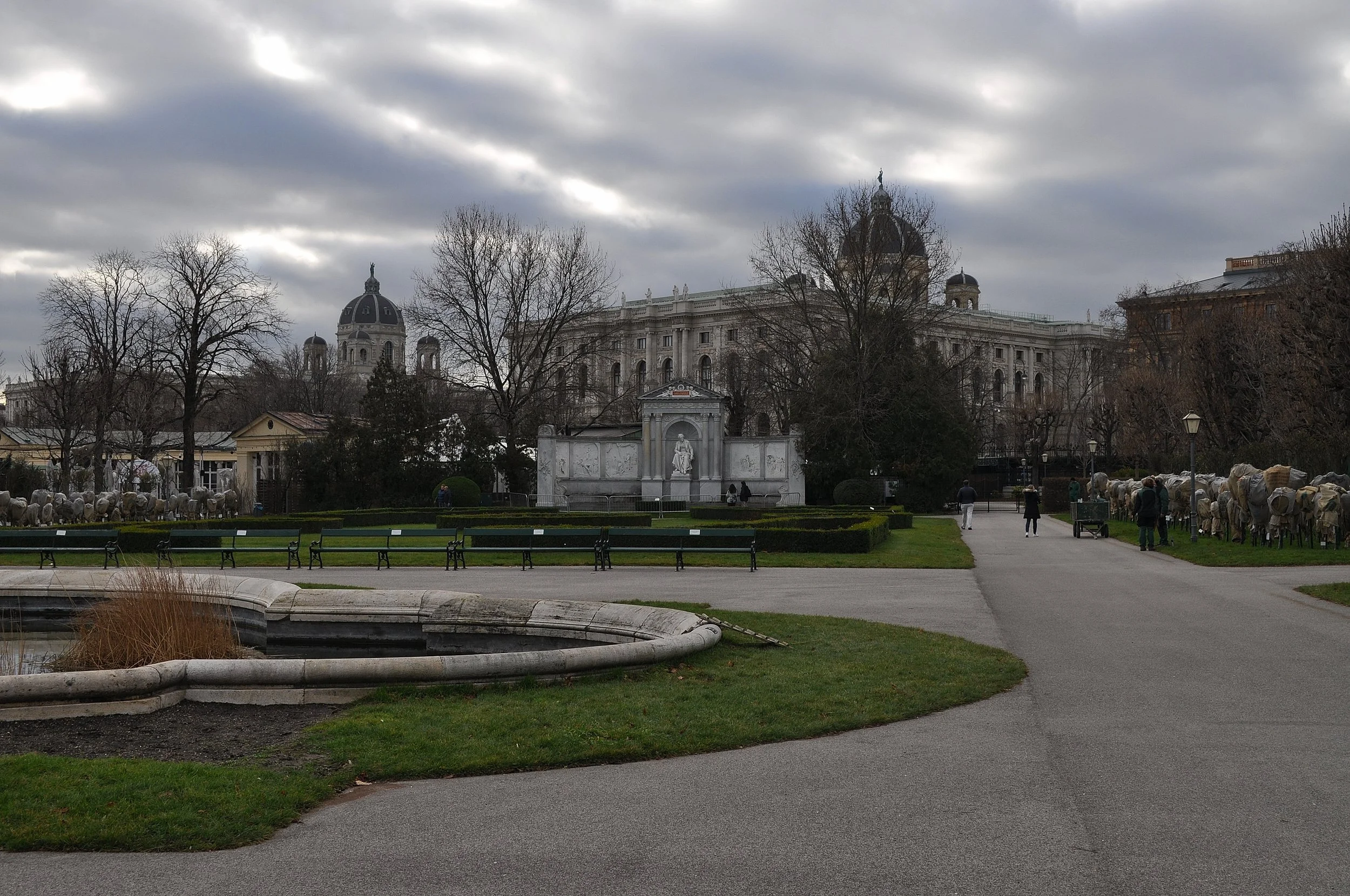


Piero: I think it's time for a well-deserved break. What do you say to a coffee and a slice of Sachertorte at the famous Demel pastry shop?
Angela: absolutely! It's practically a must when you're in Vienna!
Piero: afterwards, we'll take a stroll along the Graben, one of the city's main pedestrian streets, lined with elegant shops and historic cafés.


Angela: our final — and perhaps most beautiful — stop of the day awaits us: St. Stephen's Cathedral.
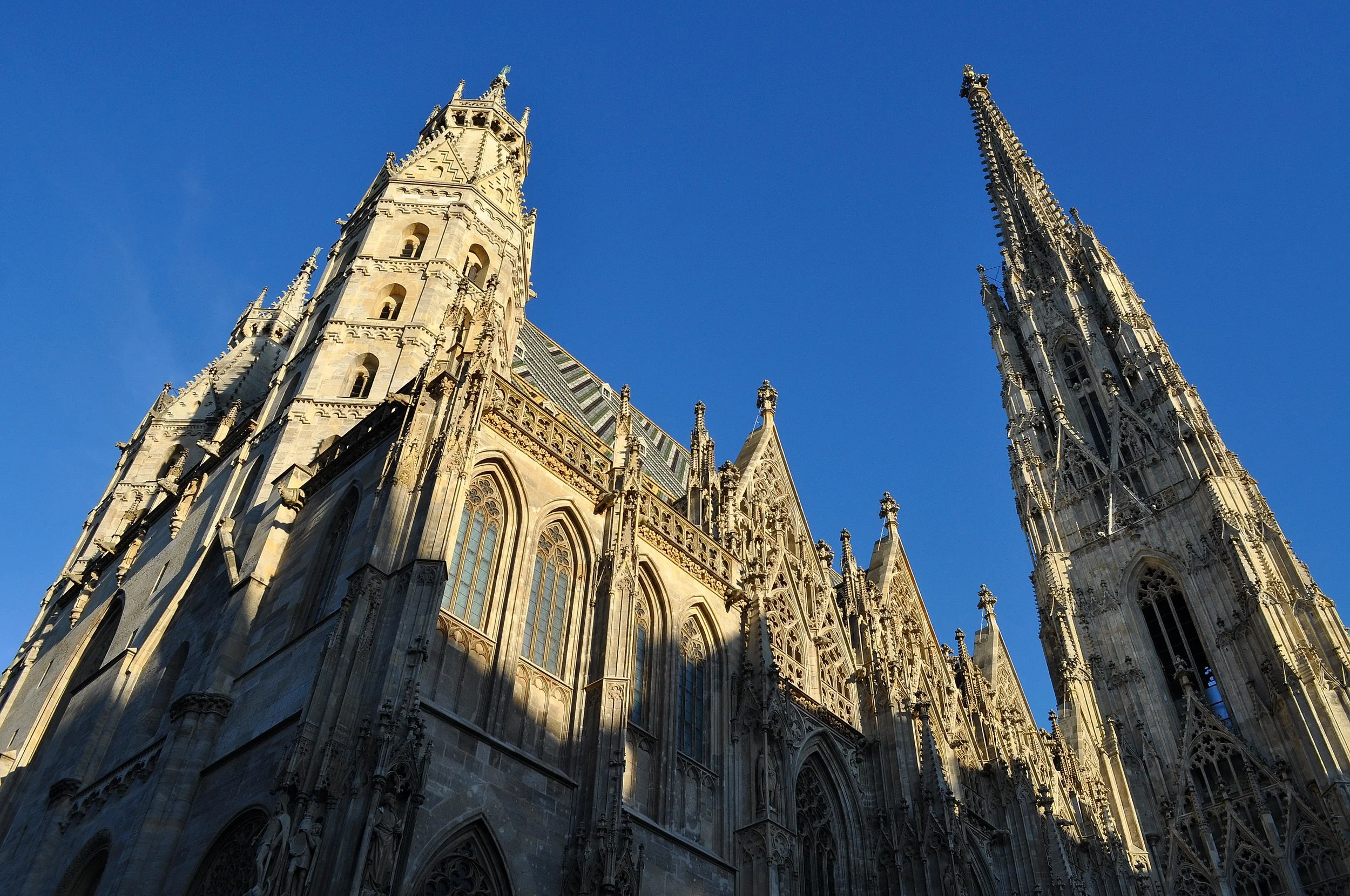
Piero: it's incredible how majestic it is! It's almost impossible to photograph the entire cathedral — I have to settle for capturing it from different angles because it's simply enormous. This magnificent Gothic cathedral, whose construction began in the 12th century, is truly the heart of Vienna. Its South Tower rises to an impressive 136 metres, and the panoramic view from the top over the city is absolutely breathtaking.


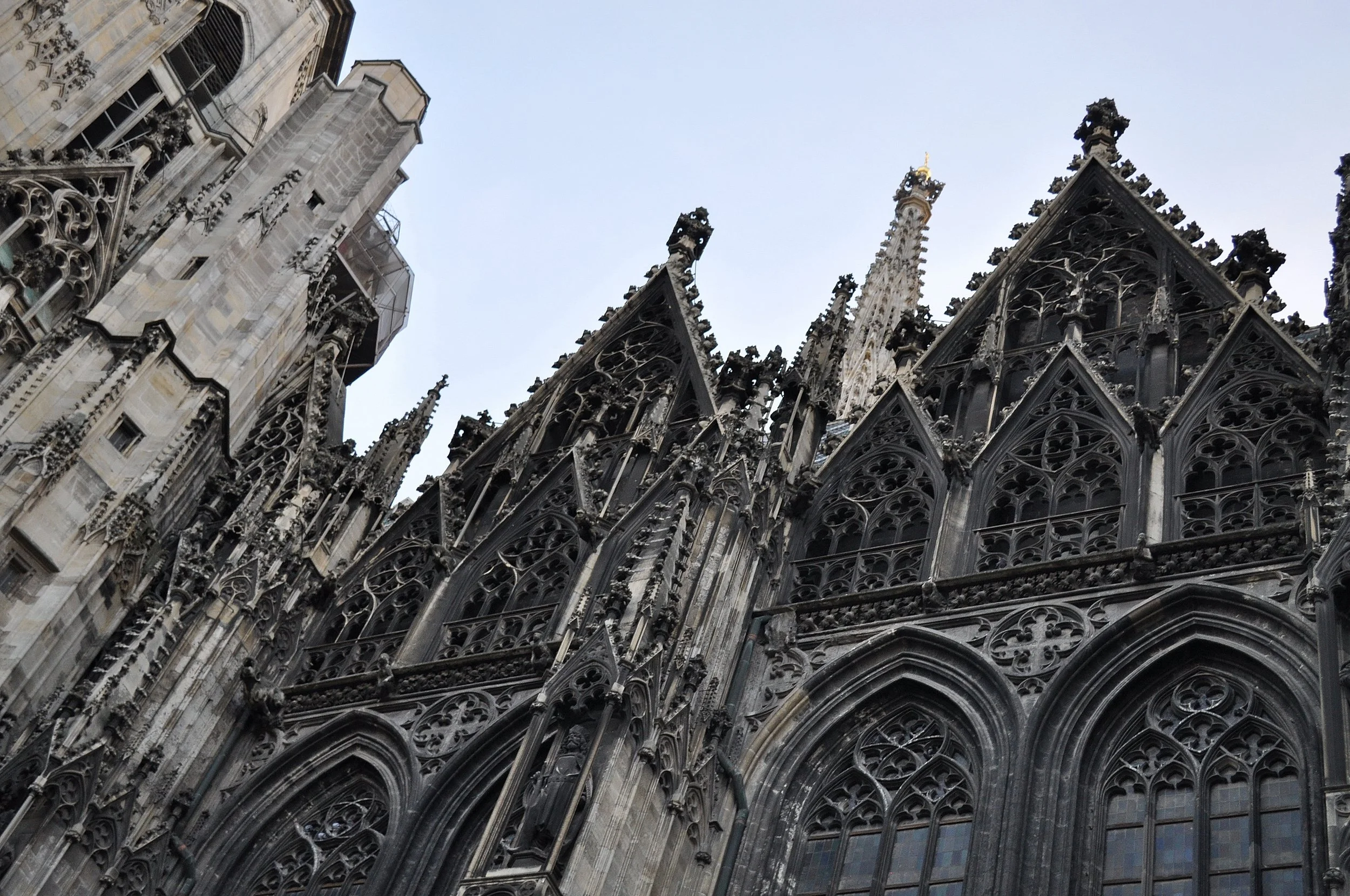


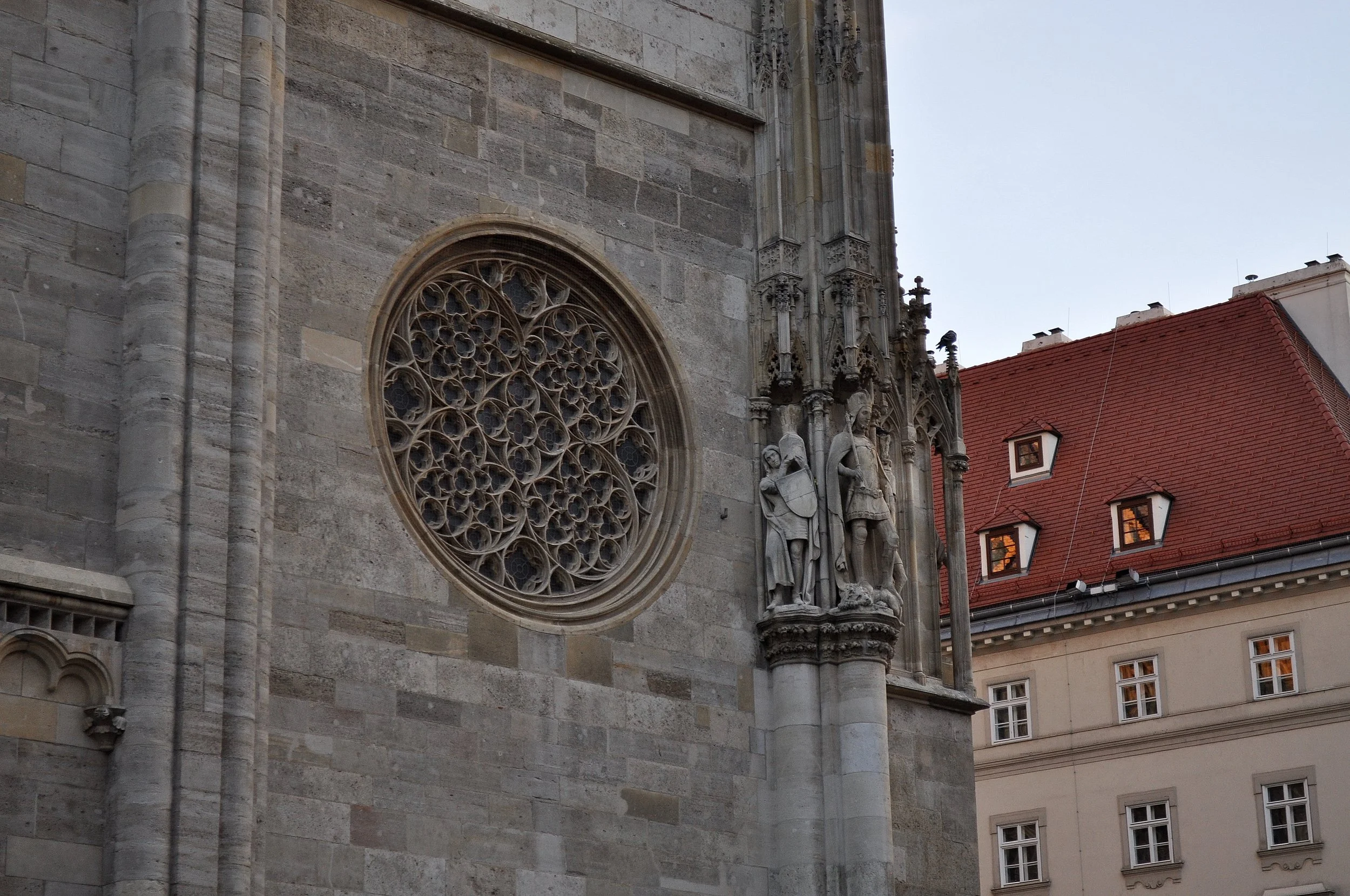


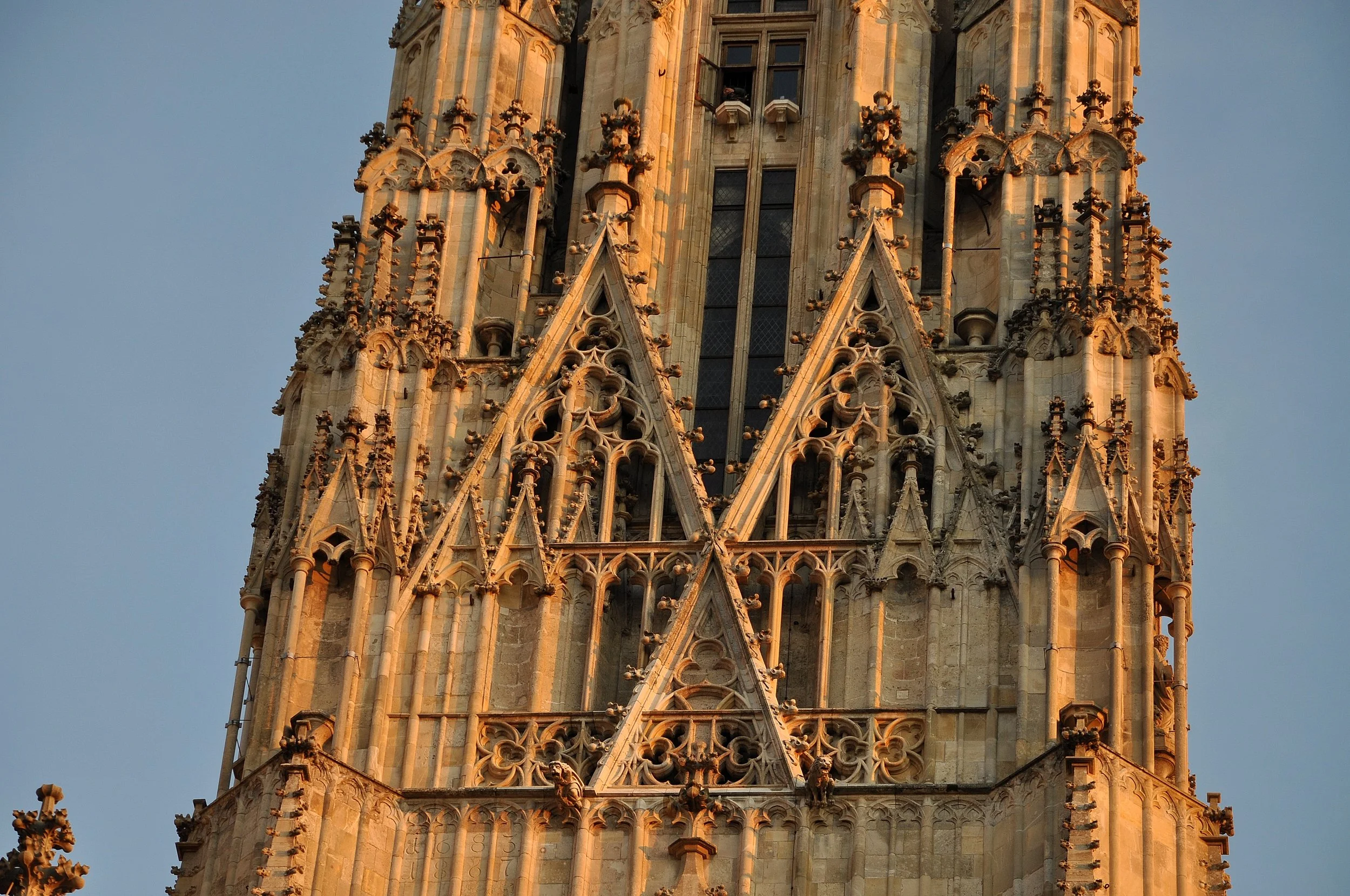

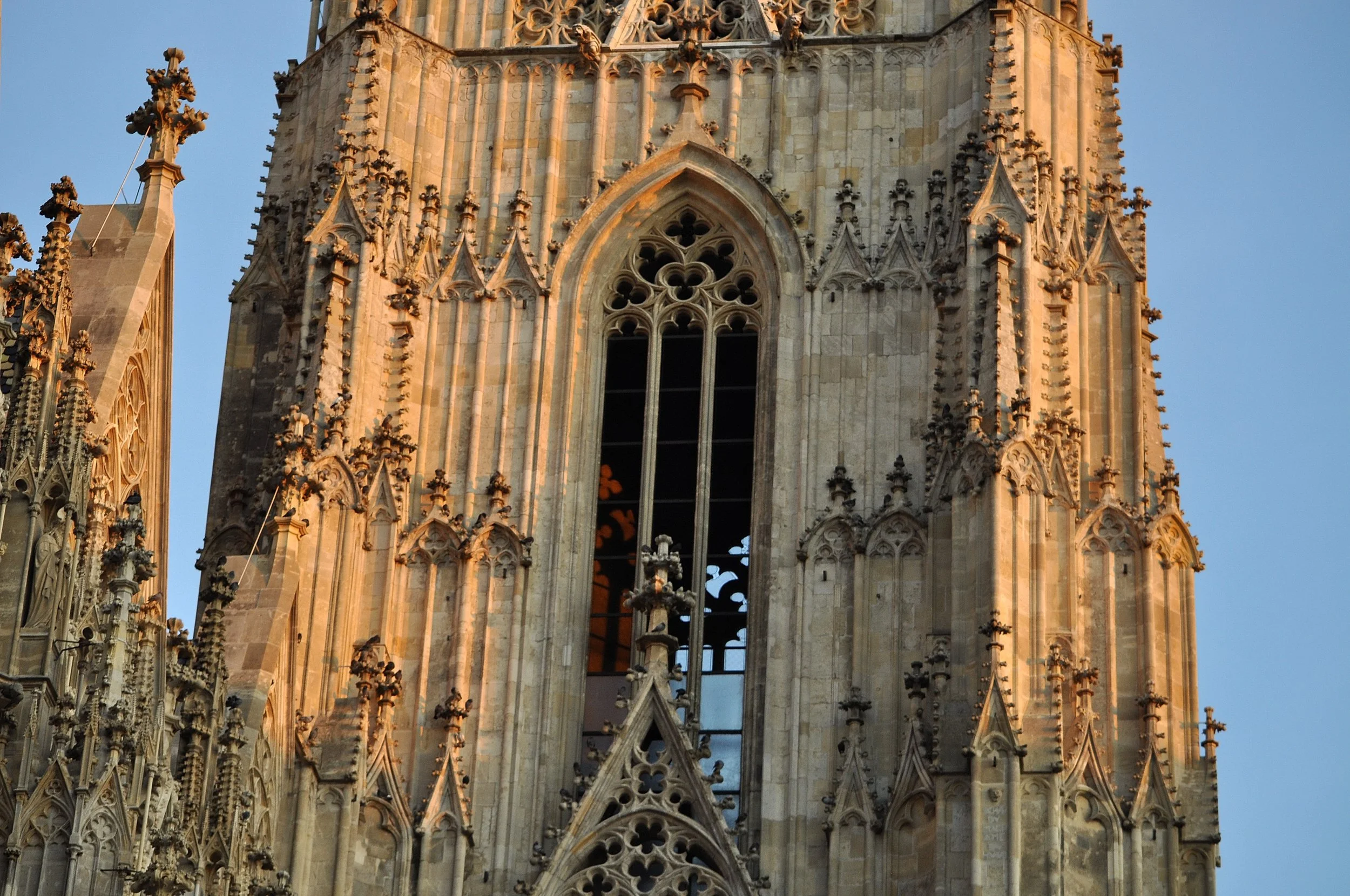


Angela: every stone tells centuries of history. The colourful roof, covered with its glazed tiles, looks like a work of art. In particular, the striking pattern of the double-headed eagle, the symbol of the Austrian Empire, is truly unique.


Piero: the interior is just as fascinating. The High Altar and the magnificent Gothic stained-glass windows are truly spectacular. It's a pity, though, that to admire them up close you have to purchase an additional ticket.
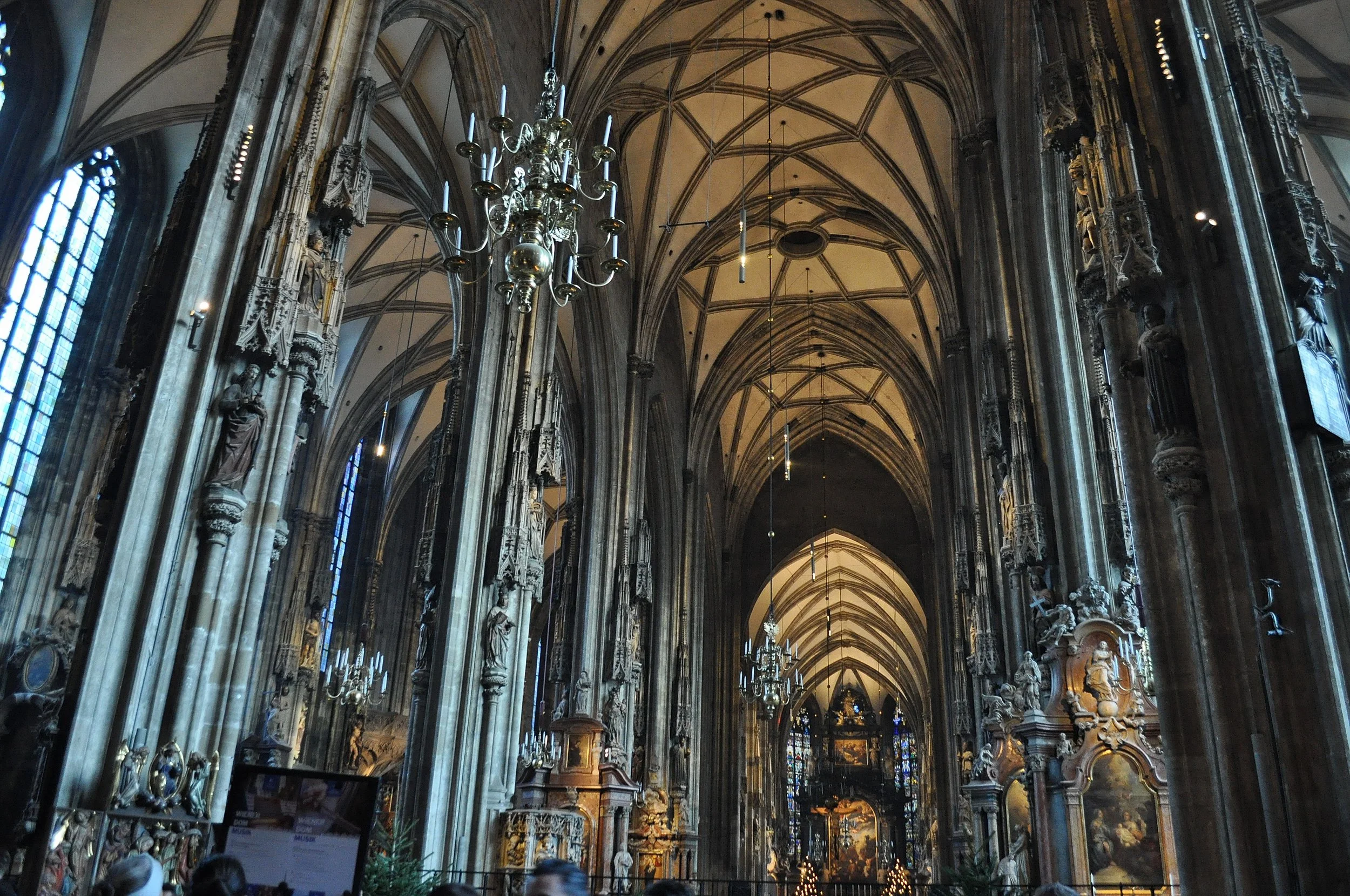

Angela: the North Tower is also home to the Pummerin, one of the largest church bells in Europe. Tired but delighted, we end our first day here.
Piero: our second day begins early with a visit to another of Vienna's greatest landmarks: Schönbrunn Palace.
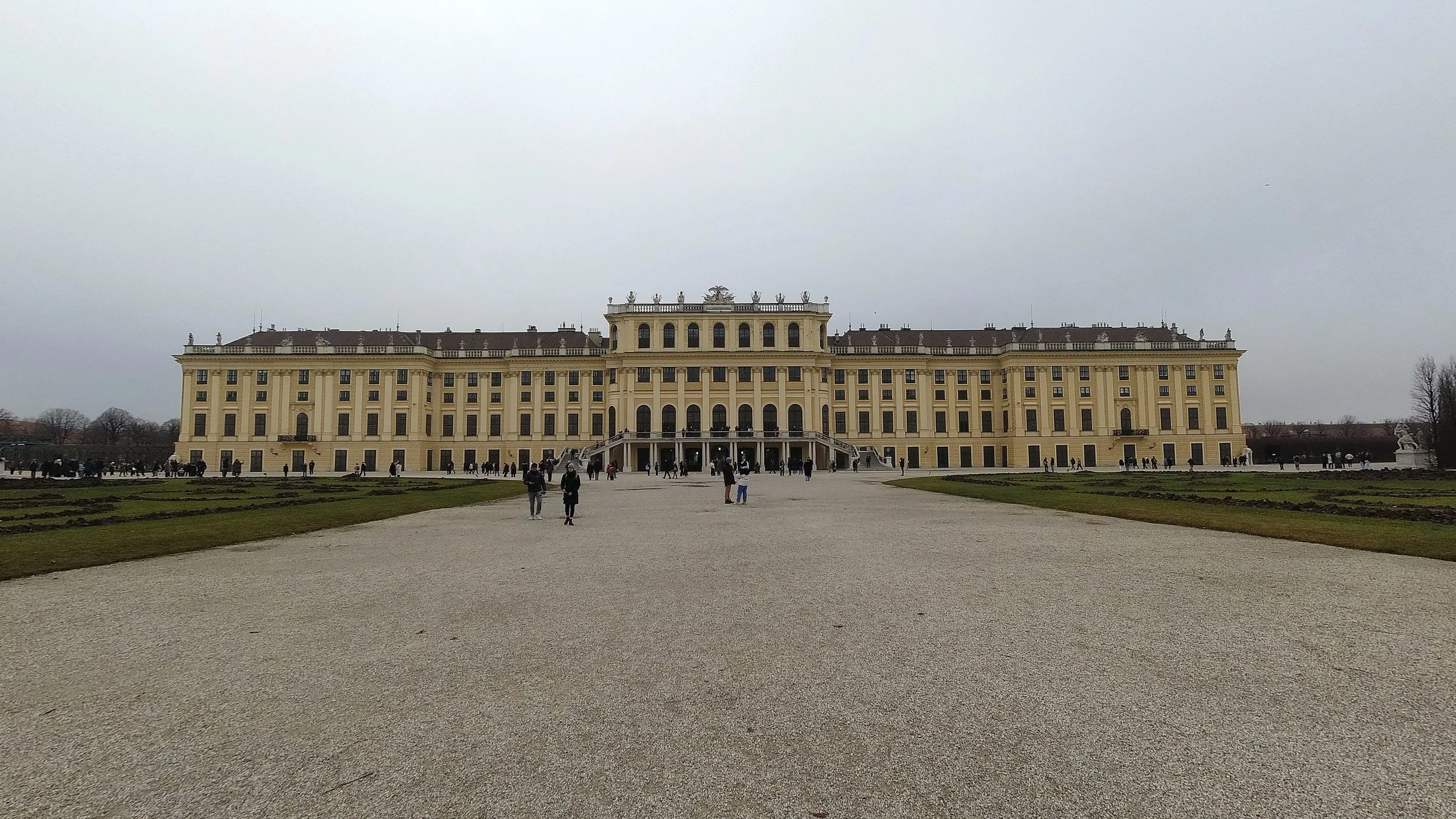
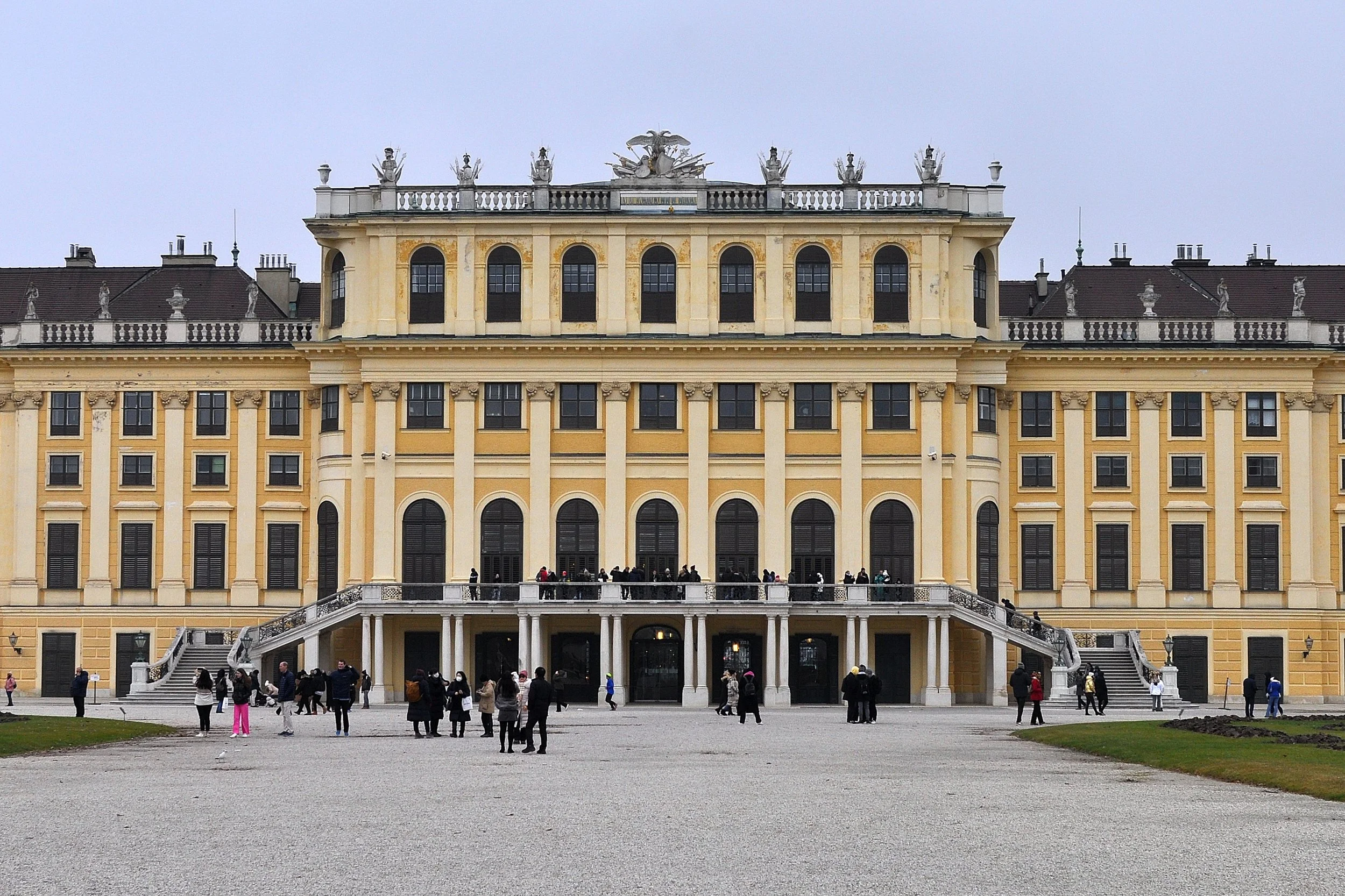
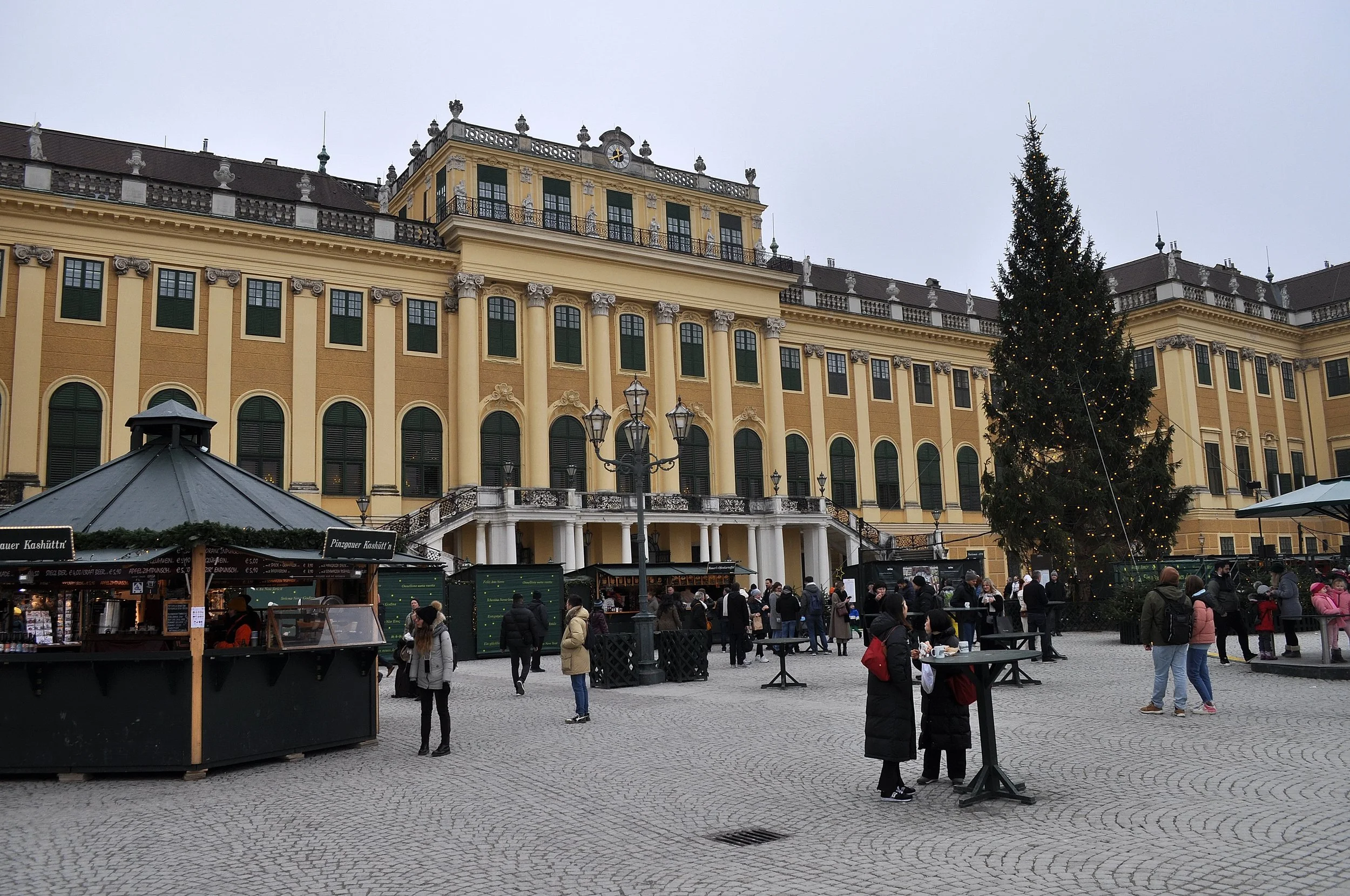
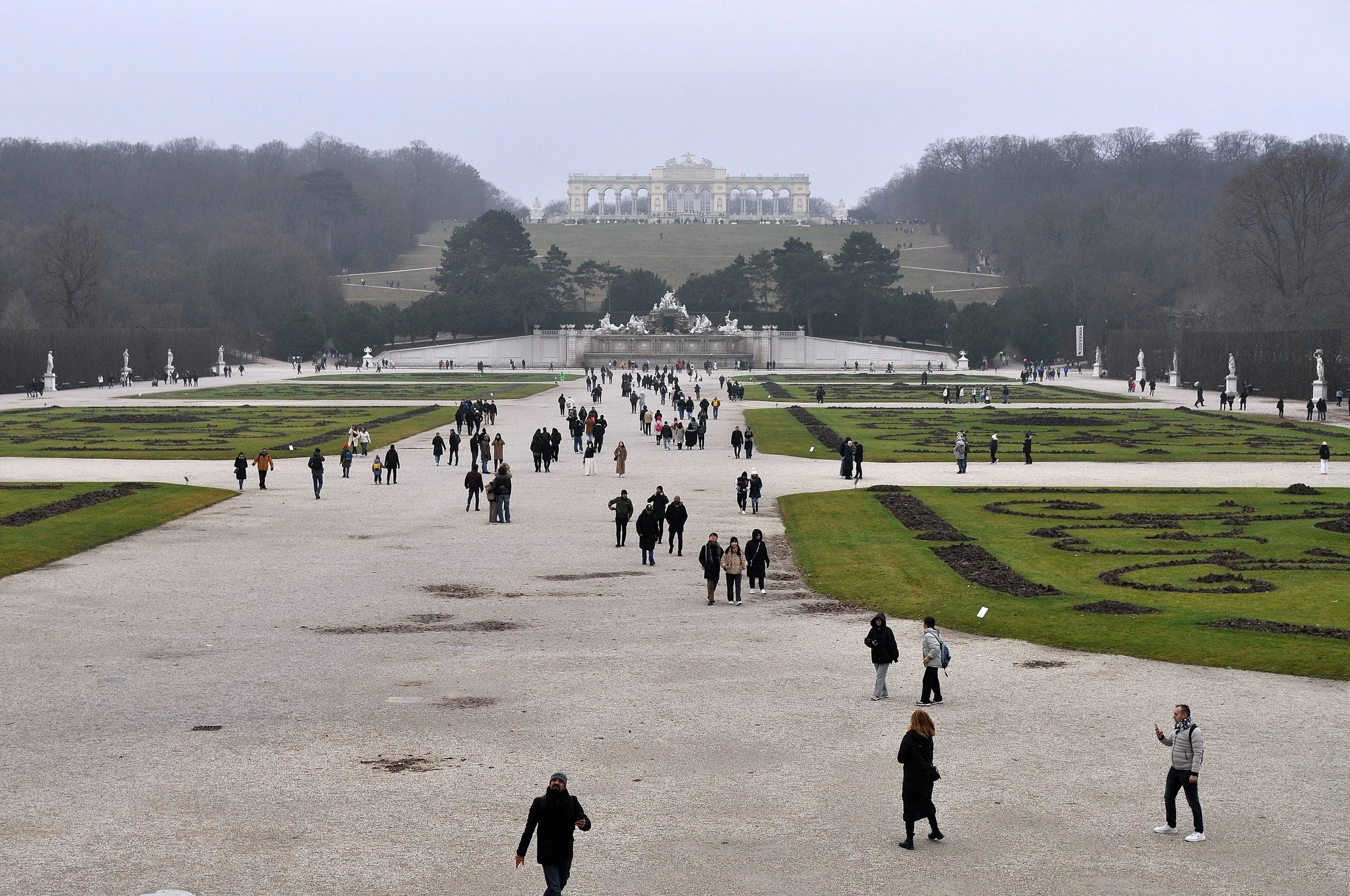
Angela: this is perhaps the ultimate symbol of Habsburg grandeur—the imperial family's magnificent summer residence. I can already imagine Empress Maria Theresa strolling through these vast gardens. It's a pity that, in winter, the flowers and plants cannot display their usual splendour, but the charm of the place remains completely untouched.
Piero: the palace is enormous, and its Rococo interiors are absolutely breathtaking. I can't wait to see the Hall of Mirrors, where the young Mozart performed for Empress Maria Theresa for the very first time. It's incredible how every corner of Vienna seems to be connected to a remarkable moment in history or to a great artist.
Angela: you're right—the sense of history here is overwhelming. It was Maria Theresa who transformed Schönbrunn into the magnificent residence we see today. The influence of the Habsburg dynasty can be felt in every room.
Piero: visiting the Imperial Apartments really gives you an understanding of how the imperial family lived. The Hall of Mirrors was one of the highlights of our visit. And then there's the magnificent Great Gallery, where lavish imperial balls were once held—it truly leaves you speechless. Unfortunately, photography is strictly forbidden here as well, so once again we had to leave with only our memories.
Angela: walking through the gardens is an unforgettable experience. The perfectly symmetrical avenues, elegant fountains, and finally the Gloriette standing proudly on top of the hill, offering an unforgettable panoramic view over Vienna. And let's not forget the maze, a playful feature that Maria Theresa had built for the enjoyment of her family.




Piero: and then there's the zoo, the oldest continuously operating zoo in the world. Founded in 1752, it is yet another remarkable piece of history nestled within Schönbrunn.
Angela: Schönbrunn truly has it all: history, art, nature, and entertainment. You simply can't visit Vienna without coming here. It's like stepping back in time, with the privilege of experiencing it in the present day.
Piero: after indulging in so much beauty, what we really need is a traditional lunch—a huge Wiener Schnitzel, accompanied by a glass of Grüner Veltliner, one of the finest white wines produced in the region.
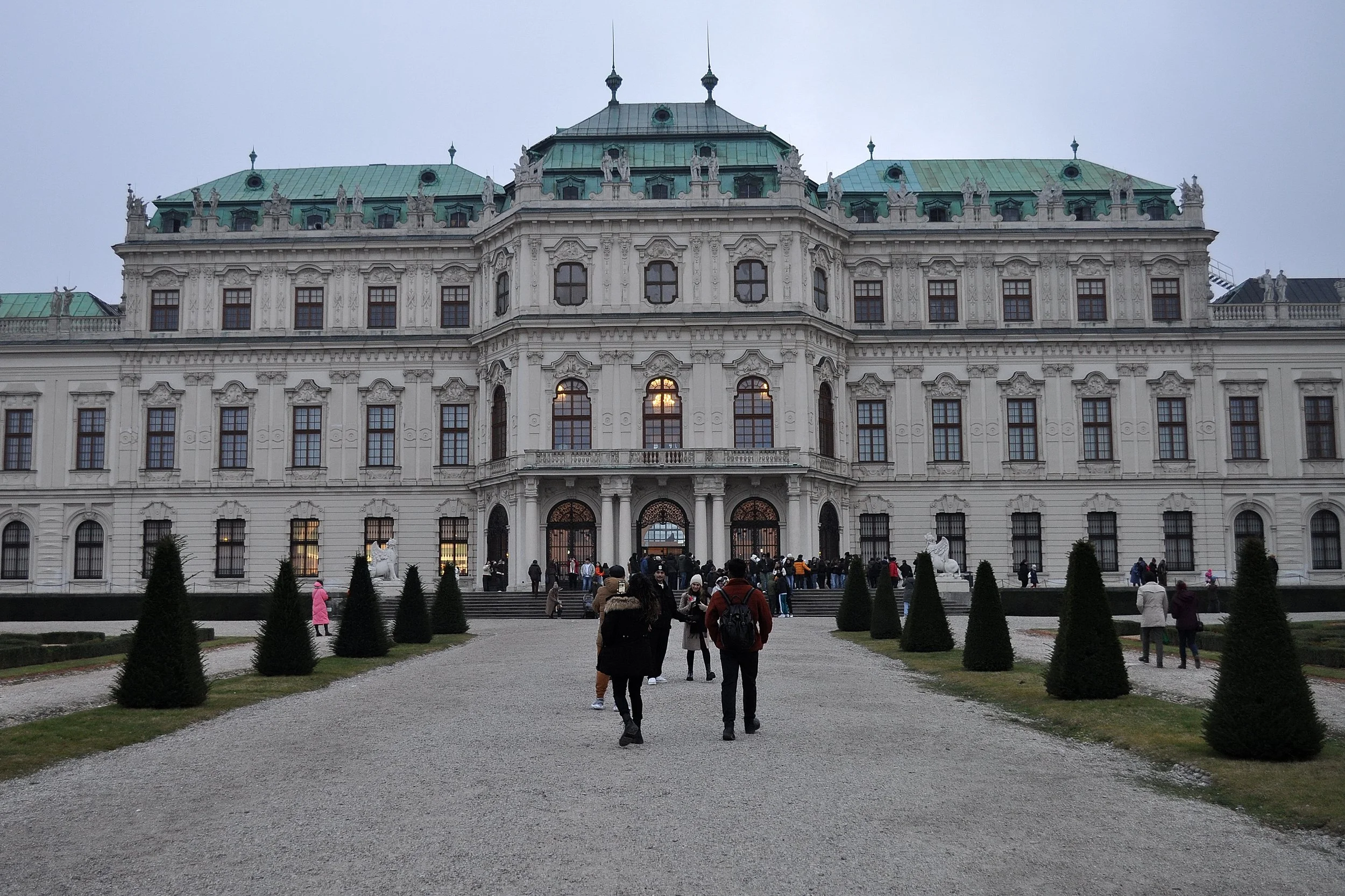
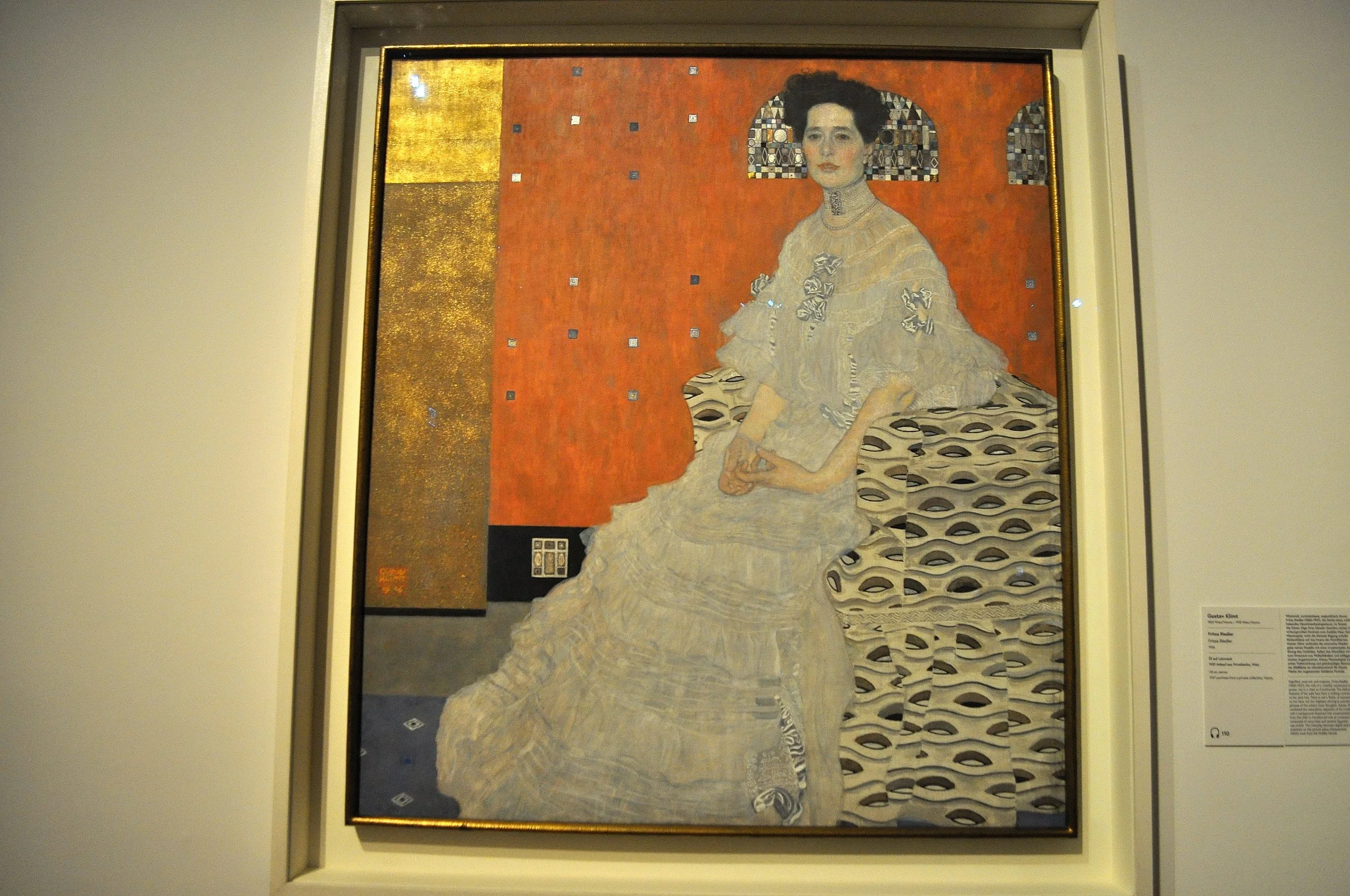
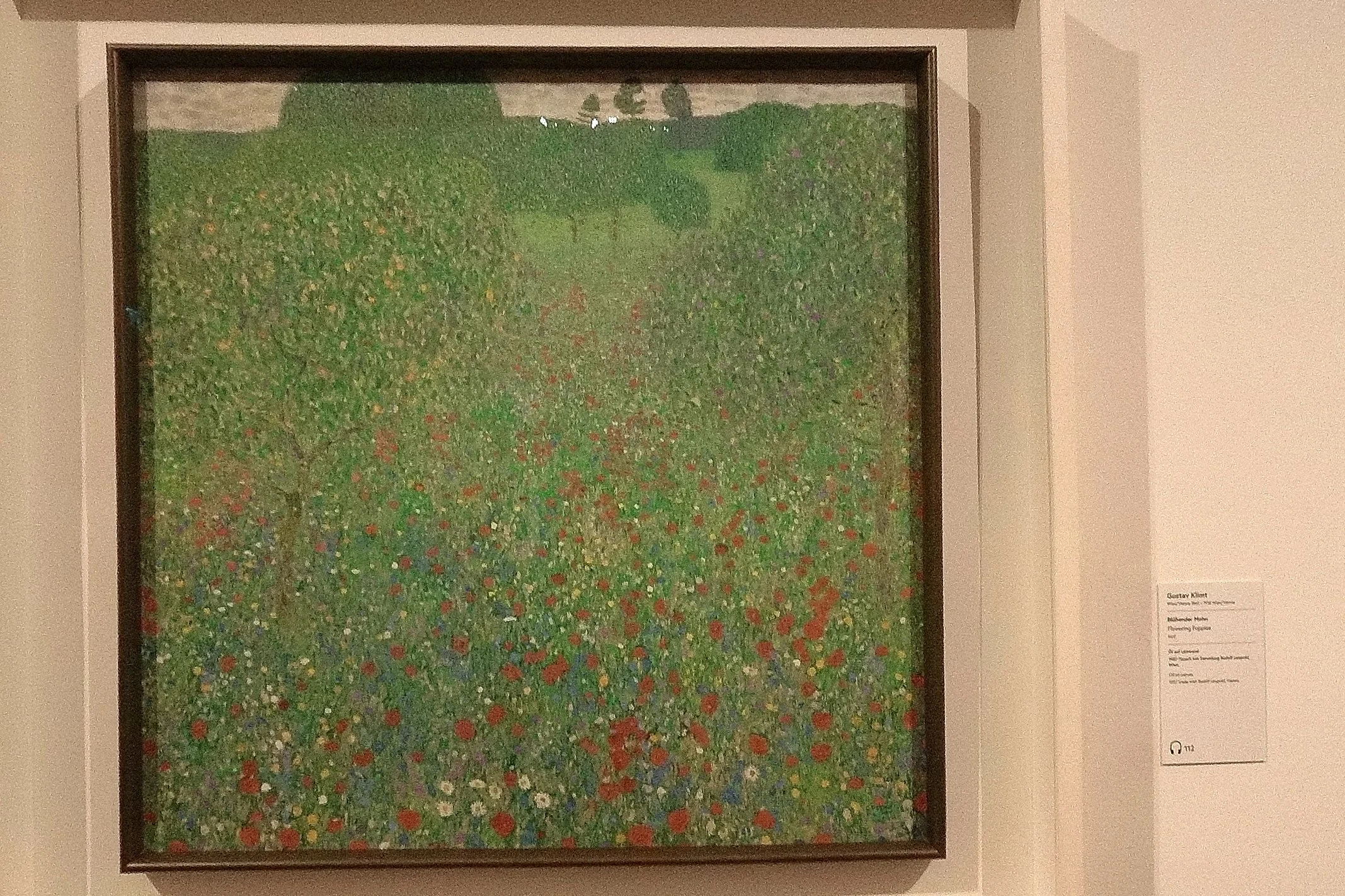
Angela: we dedicate the afternoon to art. We booked our visit to the Belvedere—make sure to reserve your tickets well in advance—as it is one of Vienna's most important museums, especially for its masterpiece, The Kiss by Gustav Klimt. Do you know it?
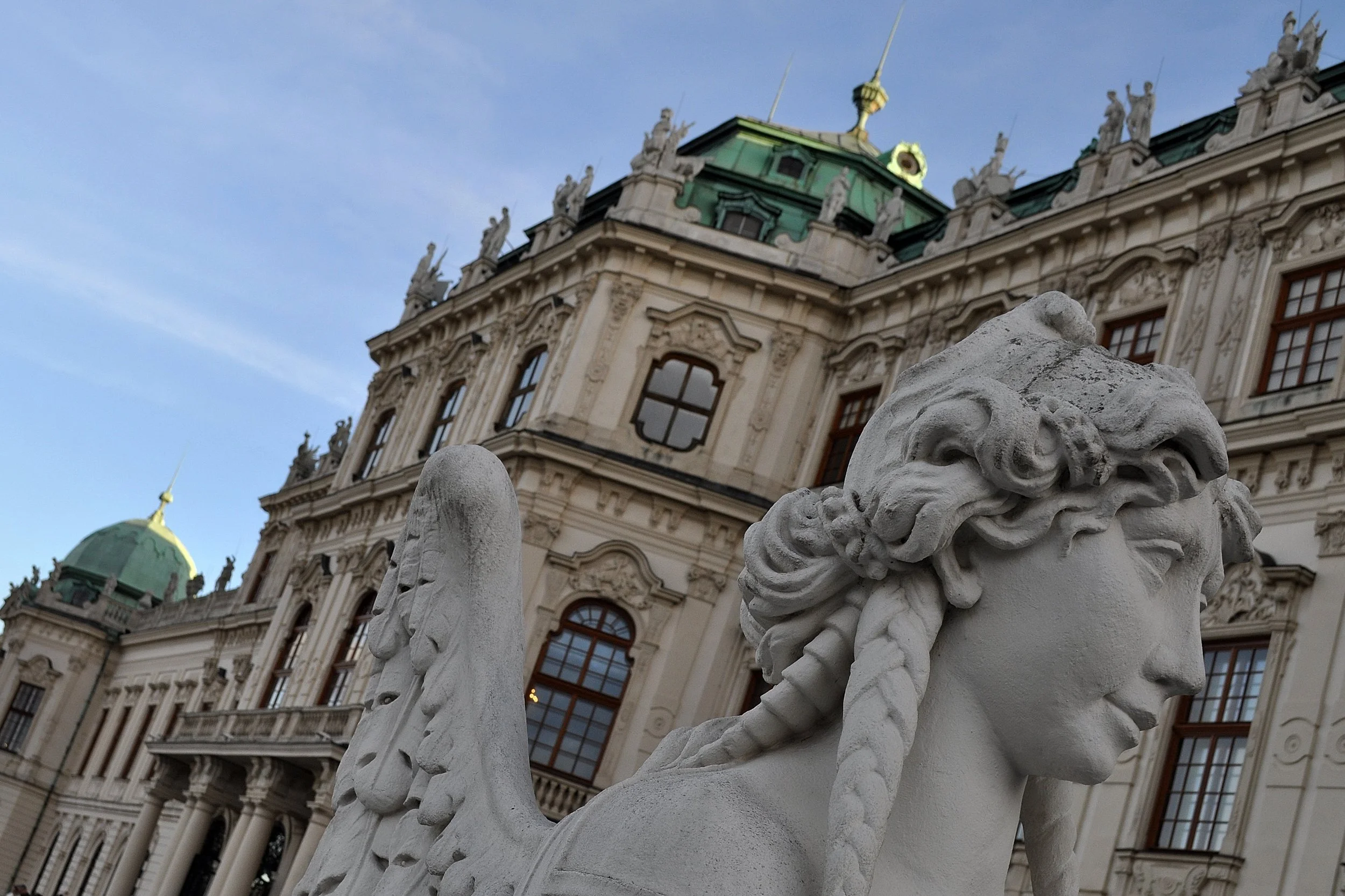
Piero: who doesn't know Klimt? He is the very symbol of Viennese Art Nouveau. And the Belvedere itself is a masterpiece, with its magnificent Baroque gardens overlooking the city. Seeing Klimt's works up close is an unforgettable experience, but so is discovering the paintings of Egon Schiele and Oskar Kokoschka. Viennese art had a profound influence on the entire European cultural landscape.






Angela: we've reached our last day. So, where are we going today?
Piero: today we're heading to the Danube Tower (Donauturm), Vienna's iconic panoramic tower.
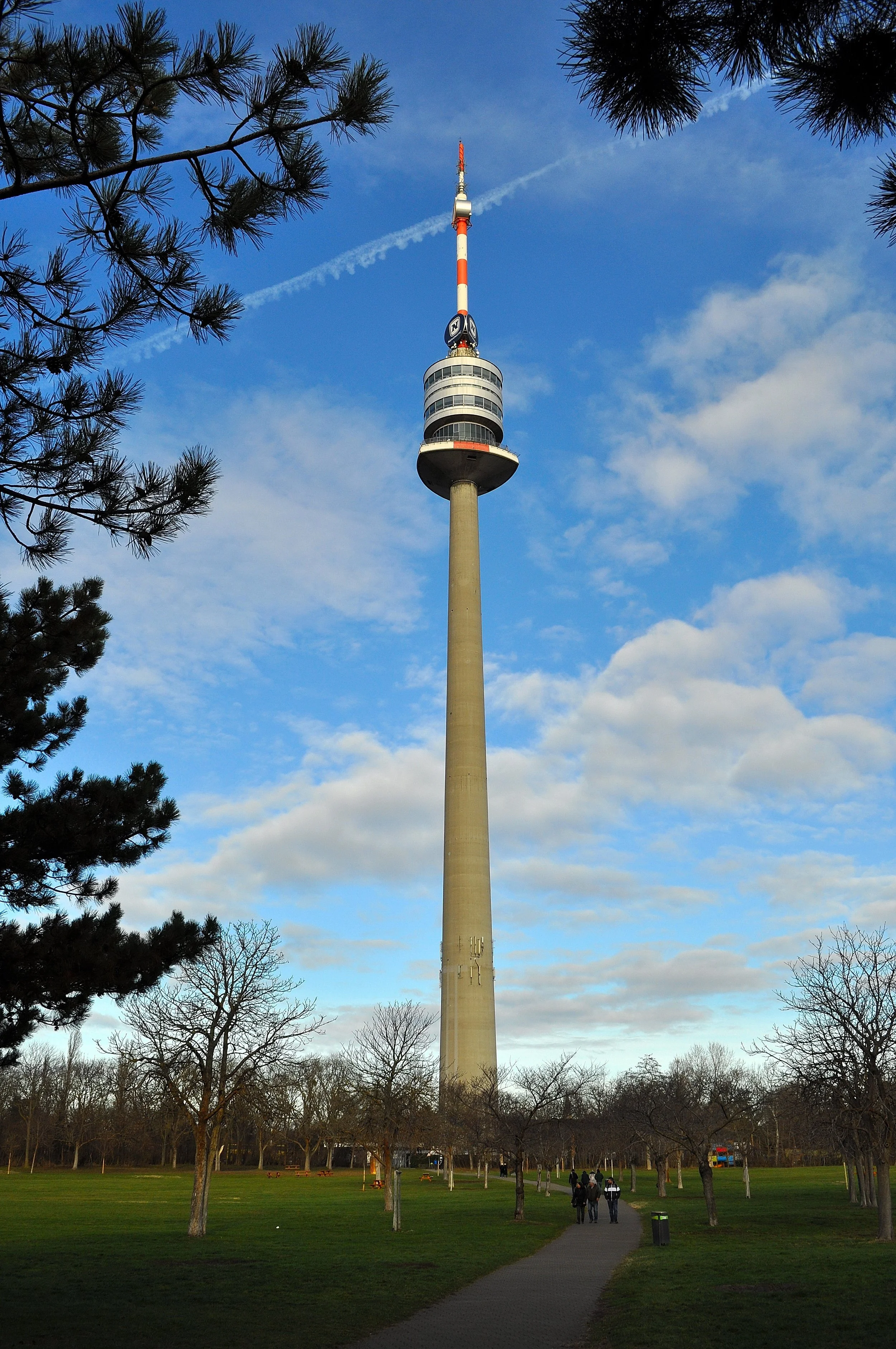
Angela: the view from Vienna's Danube Tower is incredible, don't you think? From up here you can see the entire city! I never expected the panorama to stretch so far—from the historic centre all the way to the Danube. It really is a unique perspective on Vienna.


Piero: exactly! And with the elevator taking you up to 150 metres in just a few seconds, you immediately get a spectacular panoramic view. I also loved the revolving restaurant: having a meal while the scenery slowly changes all around you was a truly special experience.
Angela: a few souvenirs, and then a lovely walk through the park along the Danube.


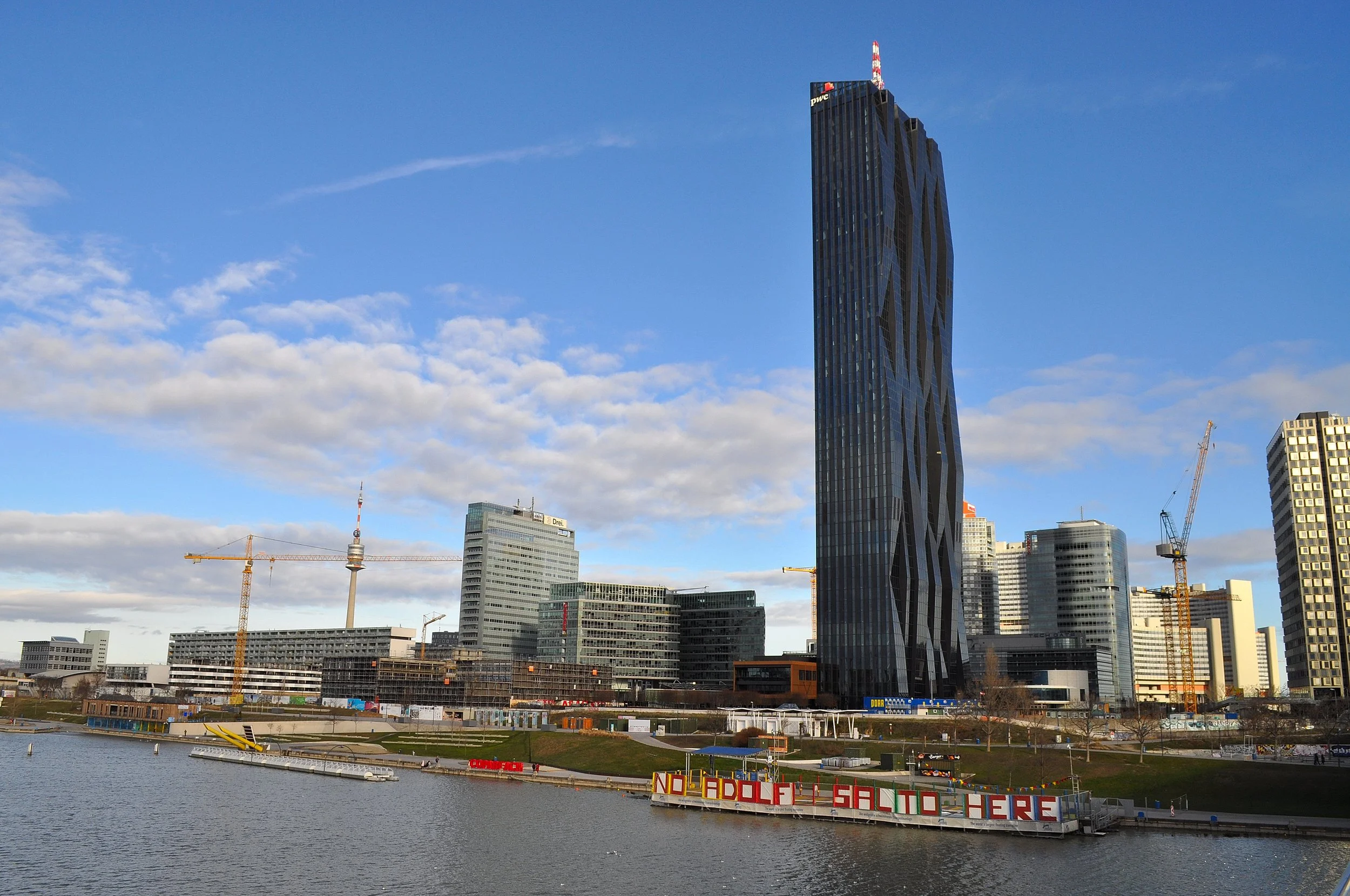

Piero: this afternoon, we head to the Prater with its iconic historic Ferris wheel. Taking a ride on the Wiener Riesenrad is one of those unforgettable experiences you simply have to bring home from Vienna.
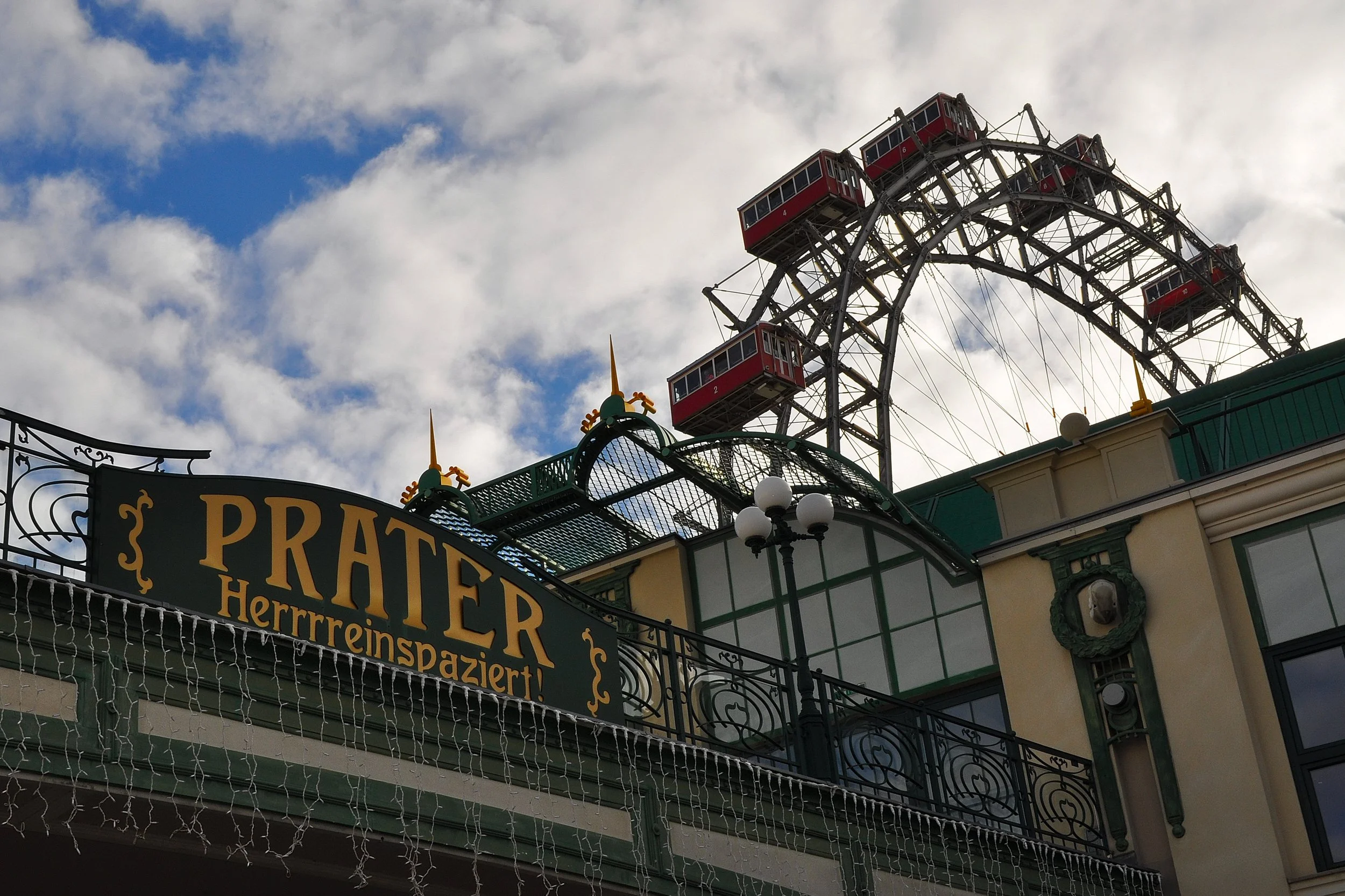
Angela: the Prater Ferris wheel is one of the true symbols of Vienna. Built in 1897, it still offers that wonderful nostalgic view over the city. The park itself has a unique atmosphere too: historic rides and modern attractions existing side by side. The Prater is not just an amusement park, but also a place to relax and enjoy nature, walking along its tree-lined avenues.


Auf Wiedersehen Wien
Piero: Vienna is a city that knows exactly how to enchant you, whether you are passionate about history, art, or simply want to enjoy life at a slower pace. These three days have been truly unforgettable.
Angela: I couldn't wait to tell the story of our Viennese adventure. It felt like travelling back in time while still keeping our eyes on the future. Vienna really is a magical city. And I'm sure we haven't seen everything yet: this city will still have many more surprises waiting for us the next time we return.
Piero: I completely agree. And I almost forgot… one last piece of advice for anyone planning to follow our journey: add one extra day to your trip and visit Bratislava. It is only about 50 kilometres away and can be easily reached by train from Vienna.
Angela: who knows, maybe our next journey will take us to discover another European capital… But for now, let's enjoy one last view of Vienna, the City of Dreams, in this short video.