
Volterra: ancient memory and winter light
Volterra is one of the most fascinating towns in Tuscany, with over 3,000 years of history. In this itinerary, we explore the Roman Theatre, the Etruscan Necropolis, the ancient aqueduct, Piazza dei Priori, and the Medici Fortress. A walk through Etruscan heritage, the Middle Ages, and panoramic views over the Tuscan hills, concluding with an unforgettable sunset.
Angela: we set off again! We start the van for a new Tuscany road trip. We won’t have to drive many kilometers, but we’ll change province, from Siena to Pisa. The road gently climbs through rolling Tuscan hills and winter countryside landscapes; it almost feels like stepping into another era.
Piero: we arrive in Volterra in the early afternoon, after the perfect compactness of Monteriggioni and the fairy-tale towers of San Gimignano. From the hills of Chianti and the Val d'Elsa we head toward the Pisan hinterland, with Volterra perched on a hill between the Val di Cecina and the Val d’Elsa, a perfect destination for lovers of medieval towns, Etruscan history, and authentic Italian travel experiences.
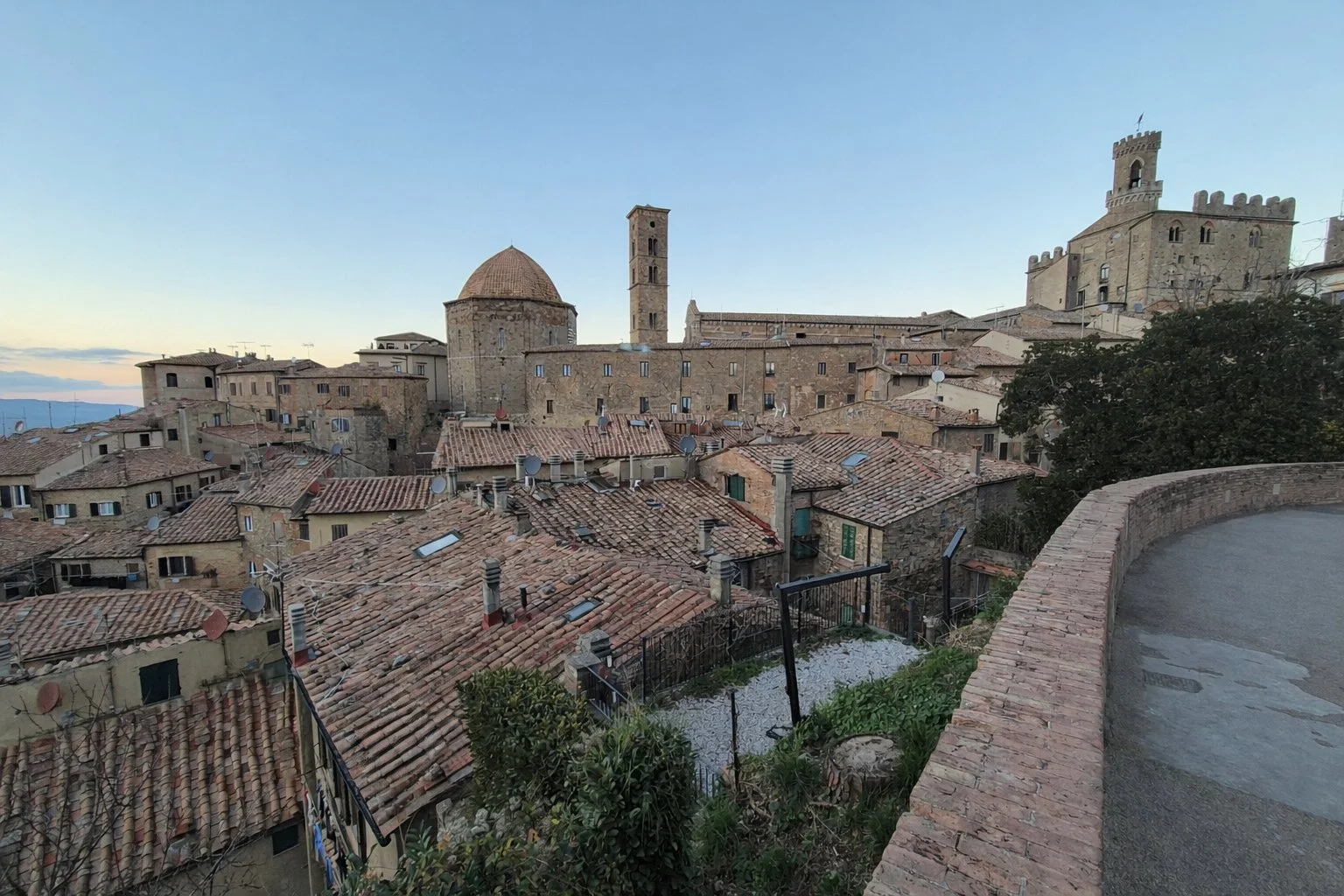
Angela: as I was telling you, the atmosphere changes here. There’s something more austere, more ancient. The city walls appear suddenly, massive and imposing, and the city seems suspended between sky and earth. It feels less polished, more authentic. More Etruscan, I would say.
Piero: even from the parking area you can sense that Volterra is not only beautiful: it is profound. Every stone tells centuries of history, every glimpse seems to hold memory.
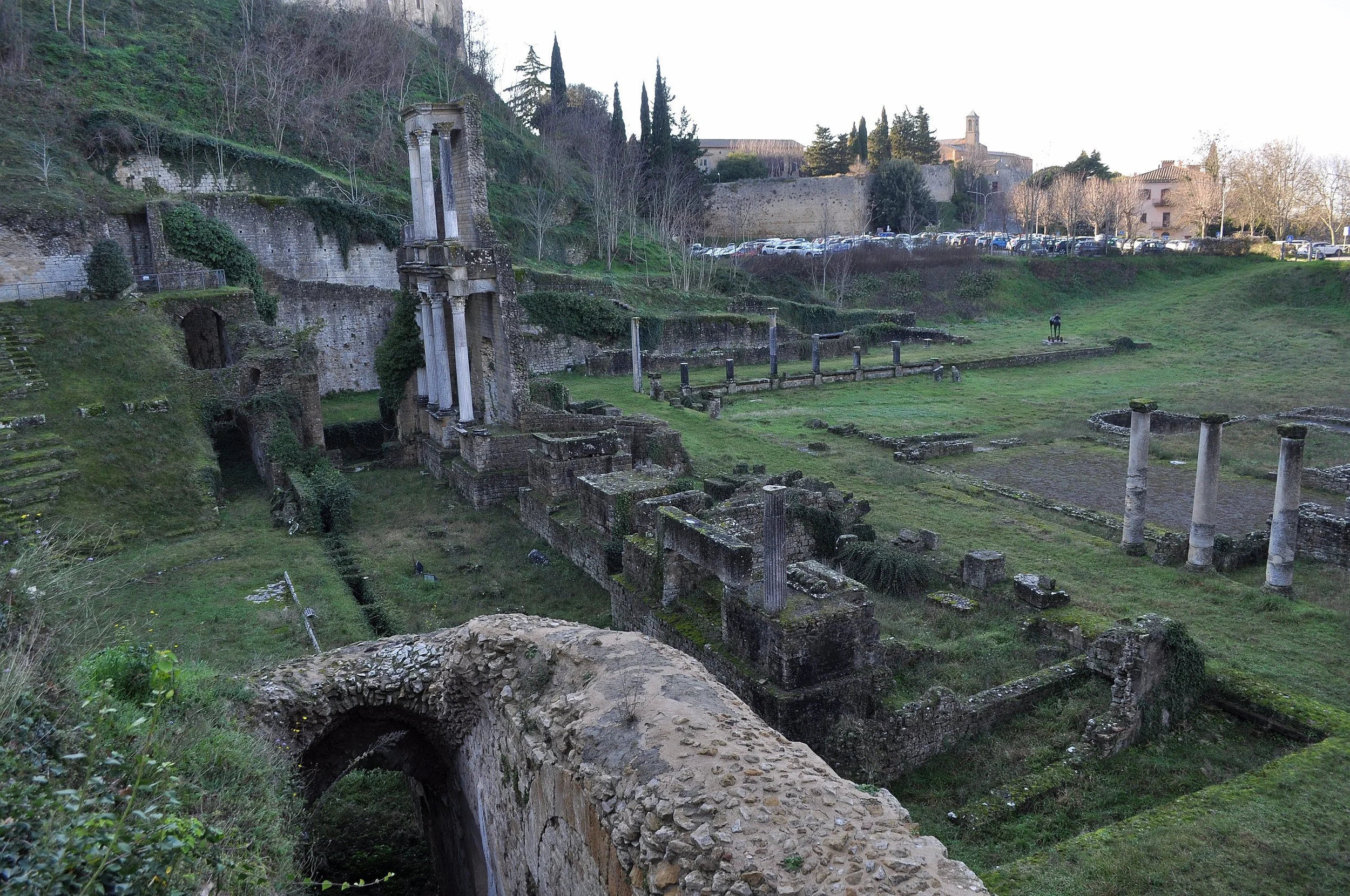
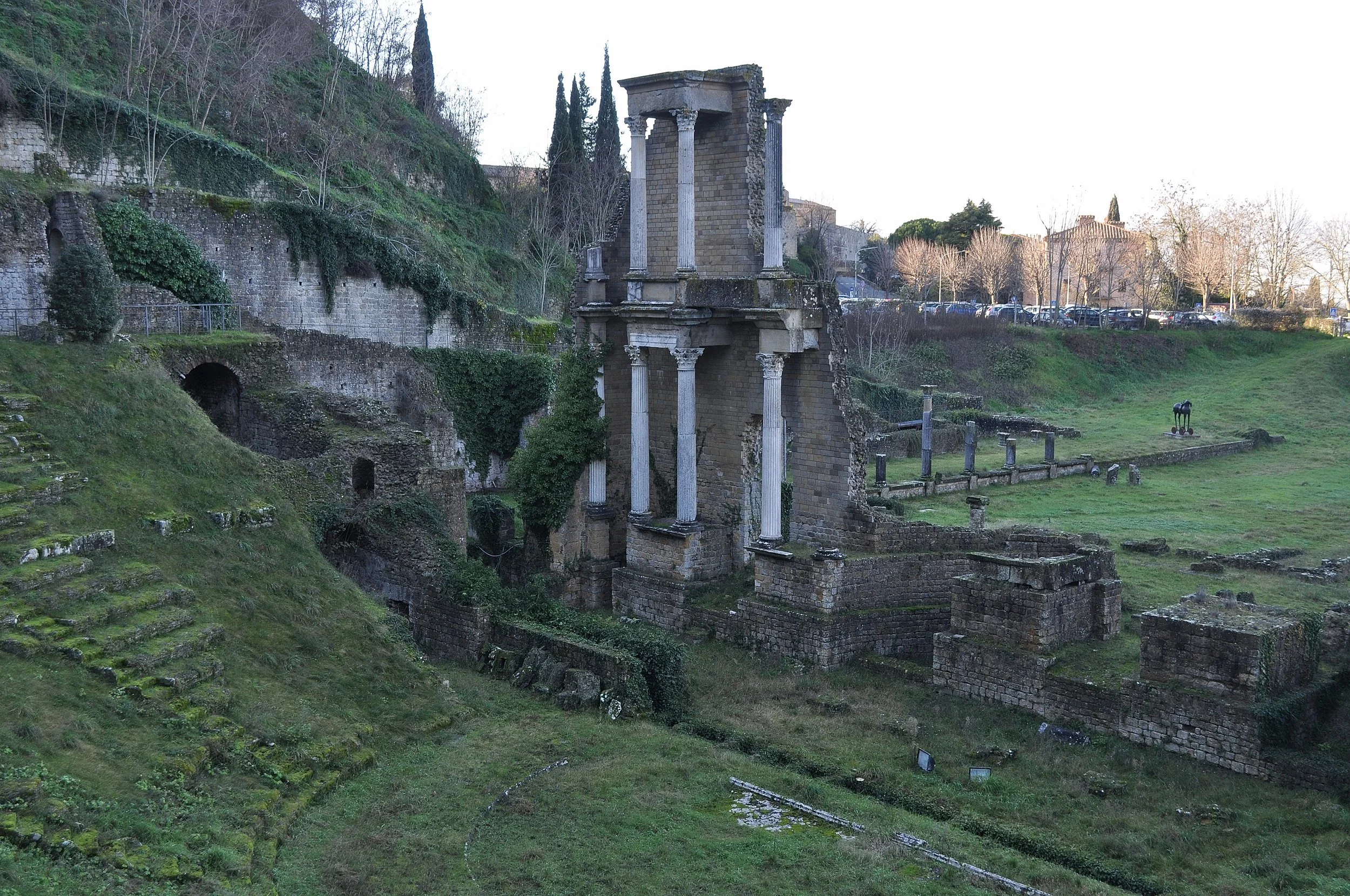
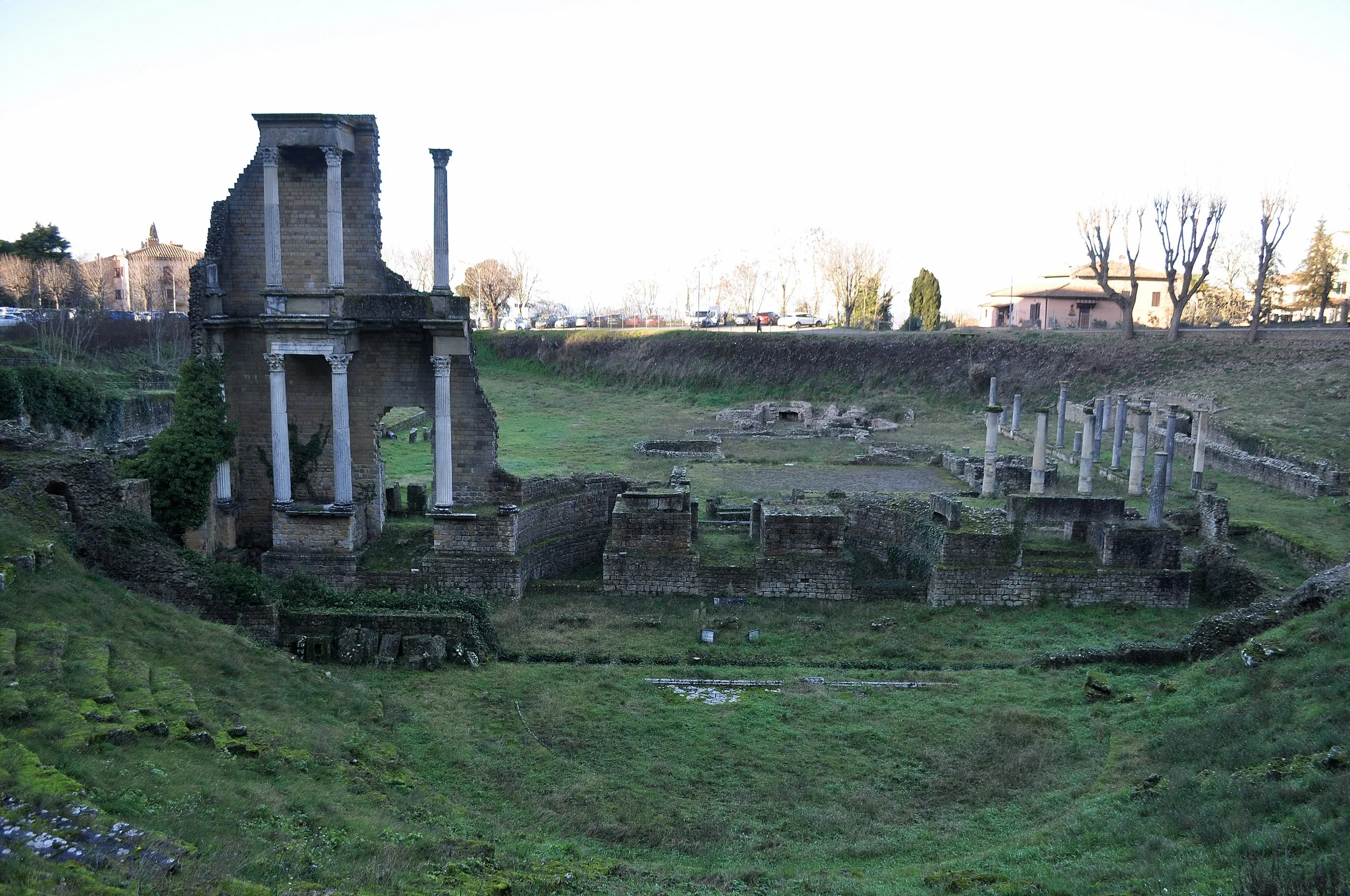
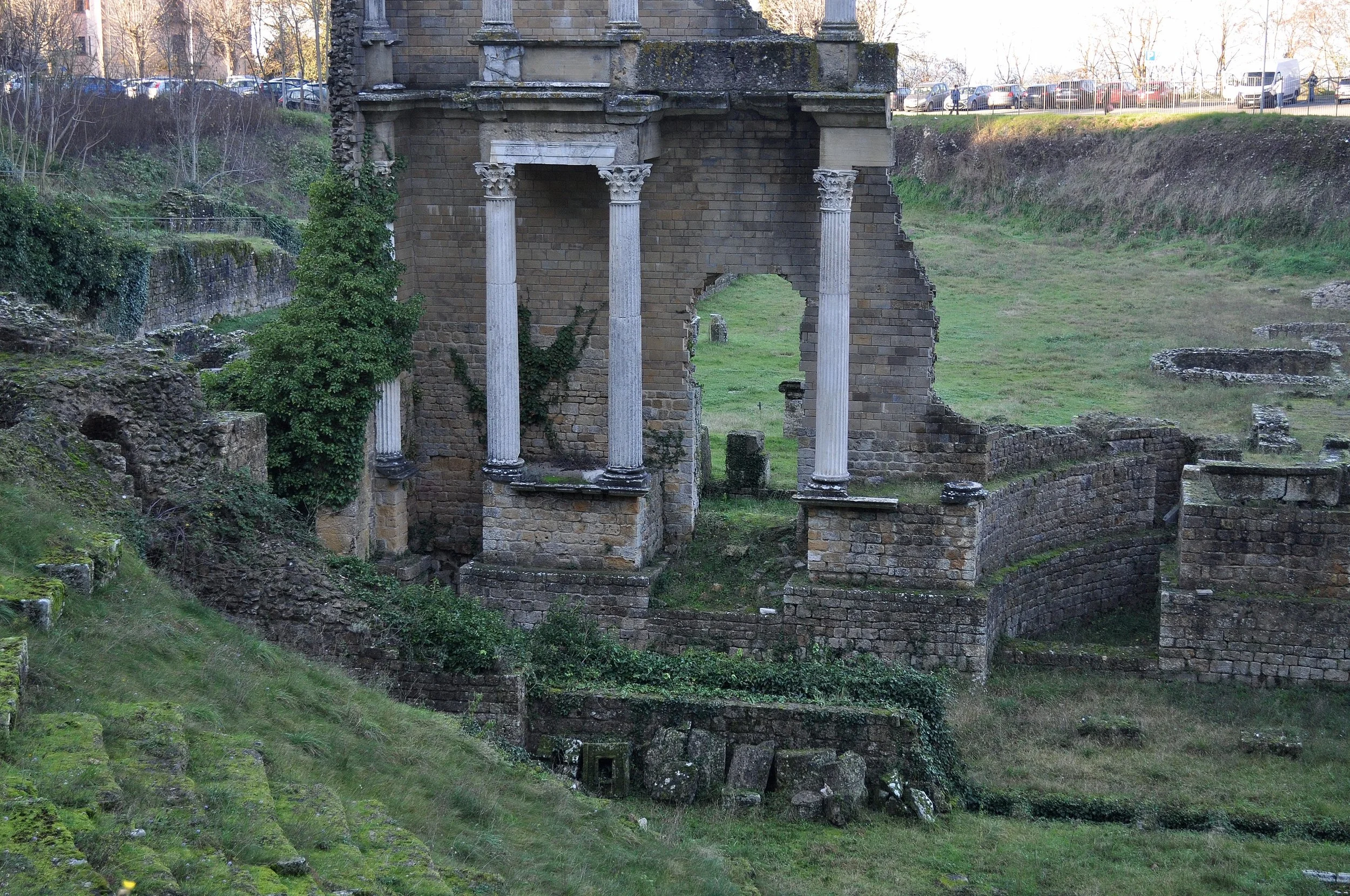
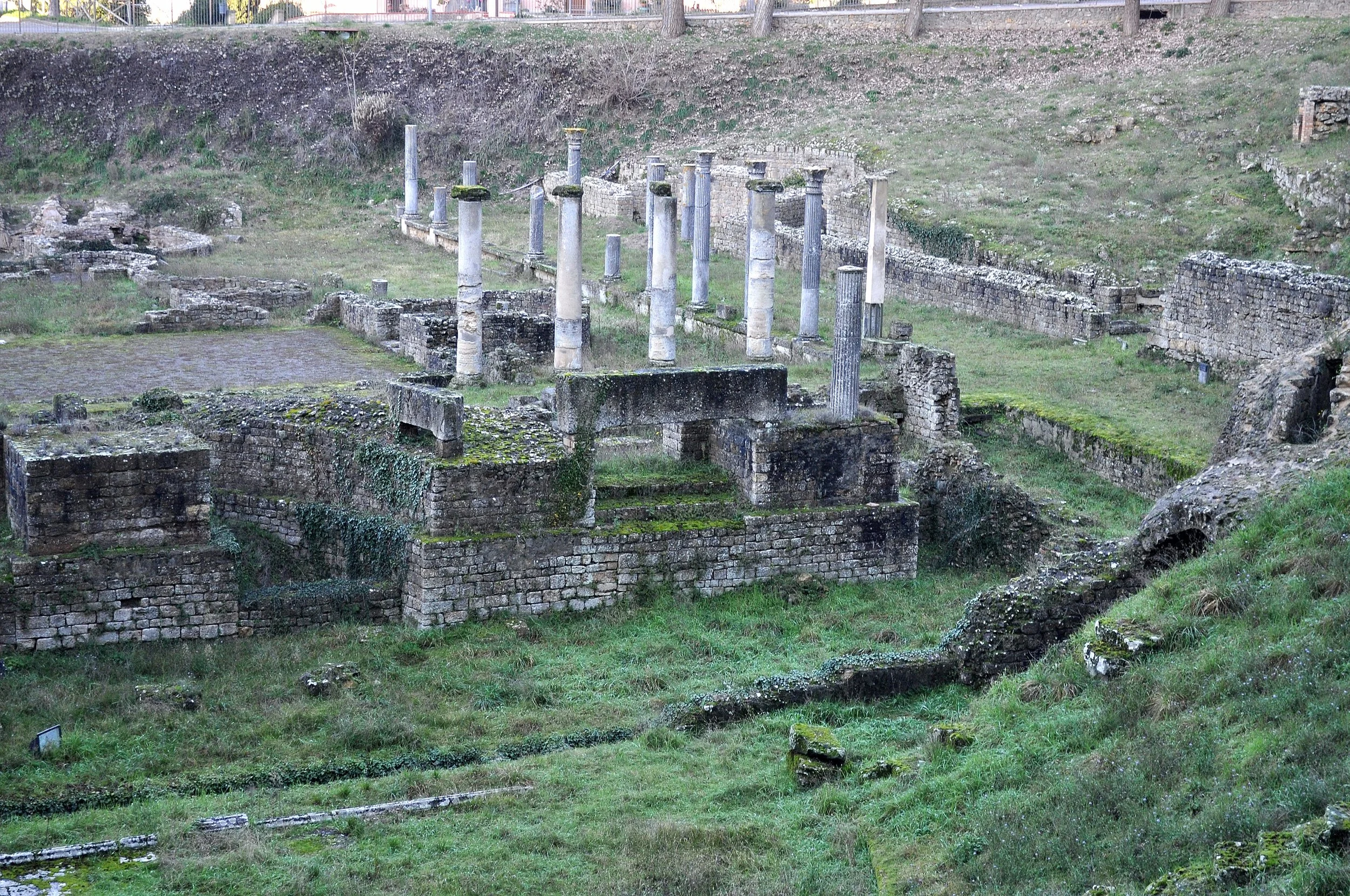
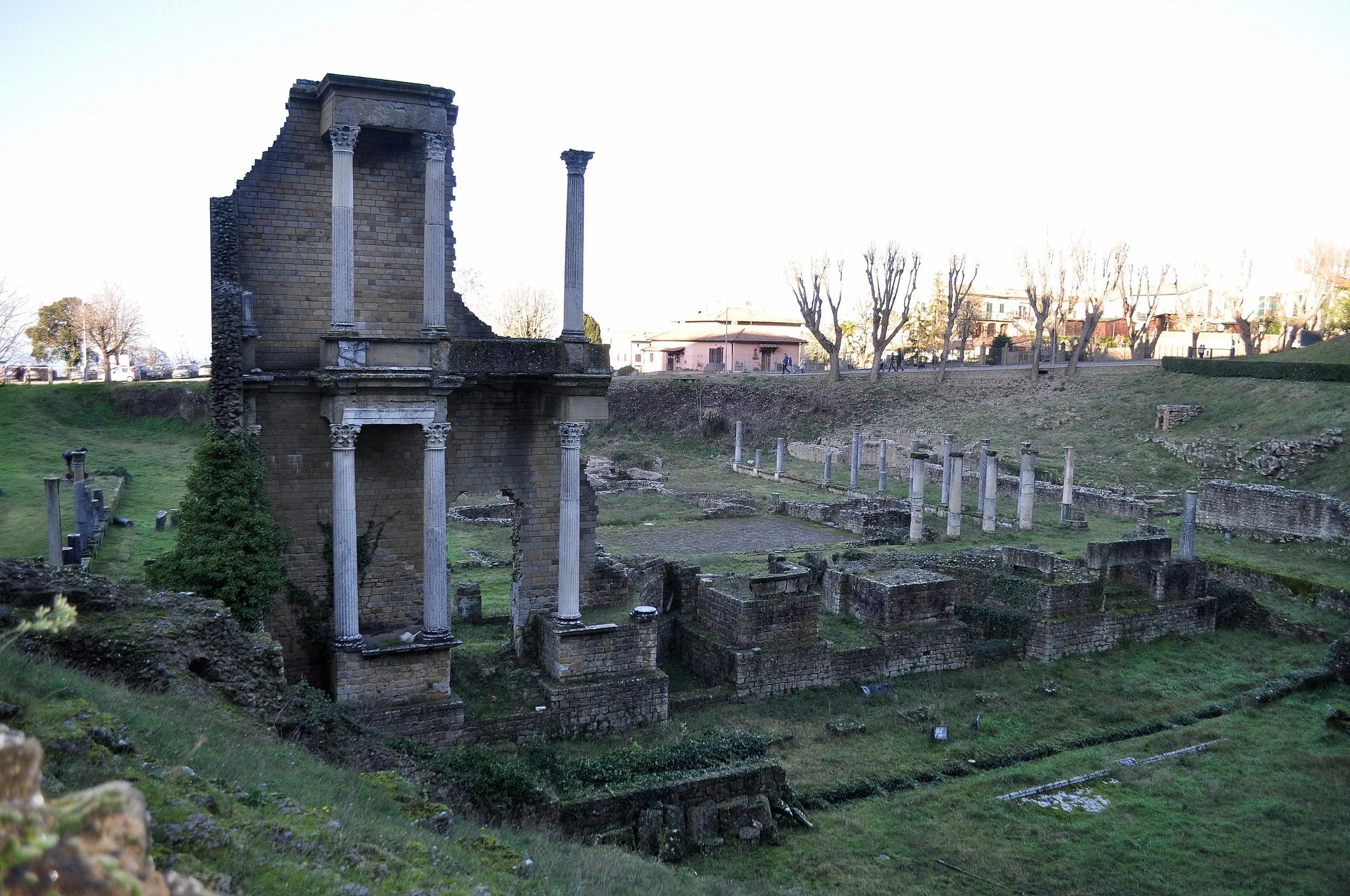
Piero: we park near the Teatro Romano di Volterra and it’s immediately clear that Volterra won’t ease you in gently: it doesn’t begin with an elegant square or a street full of shops, but with two thousand years of history right before your eyes.
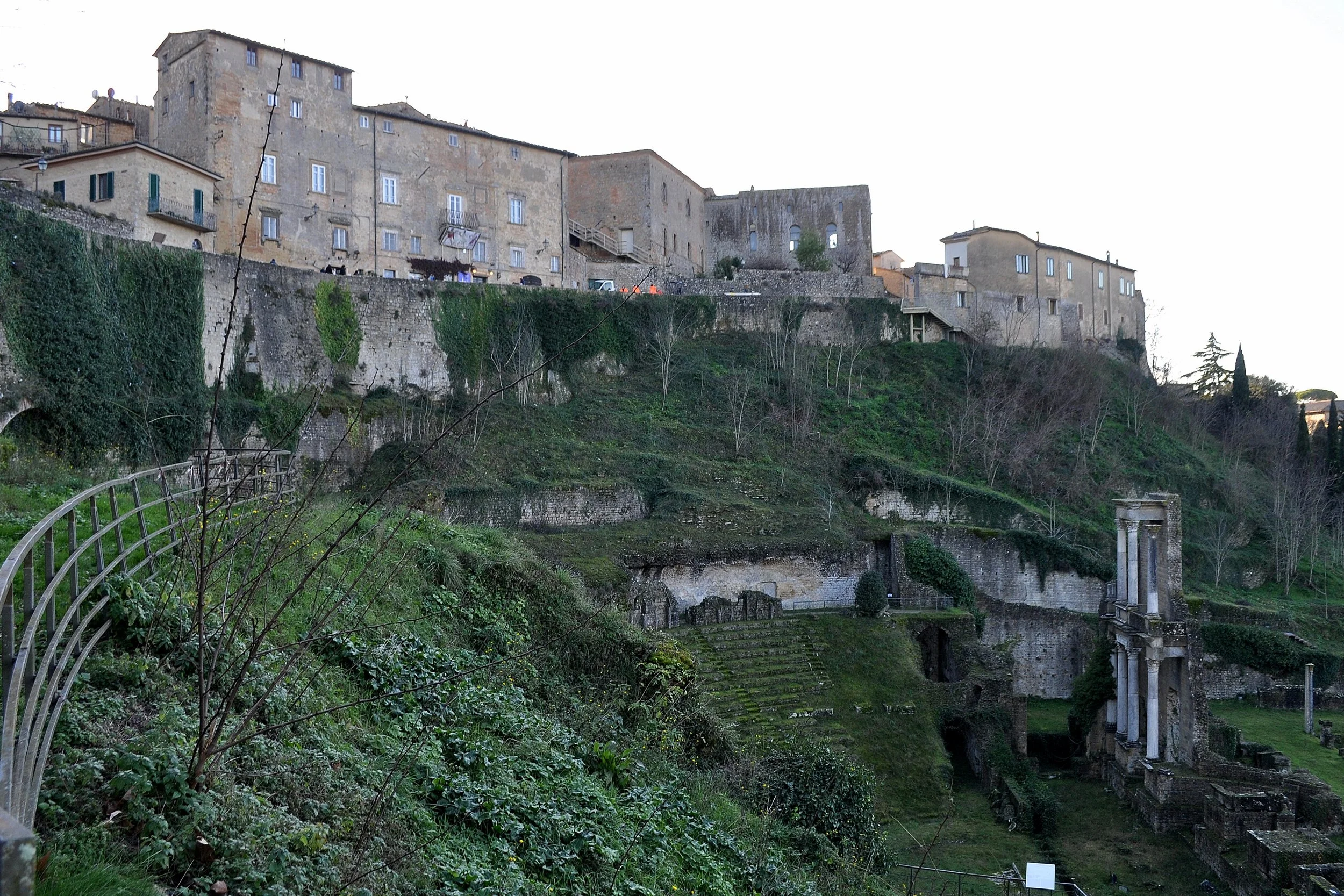
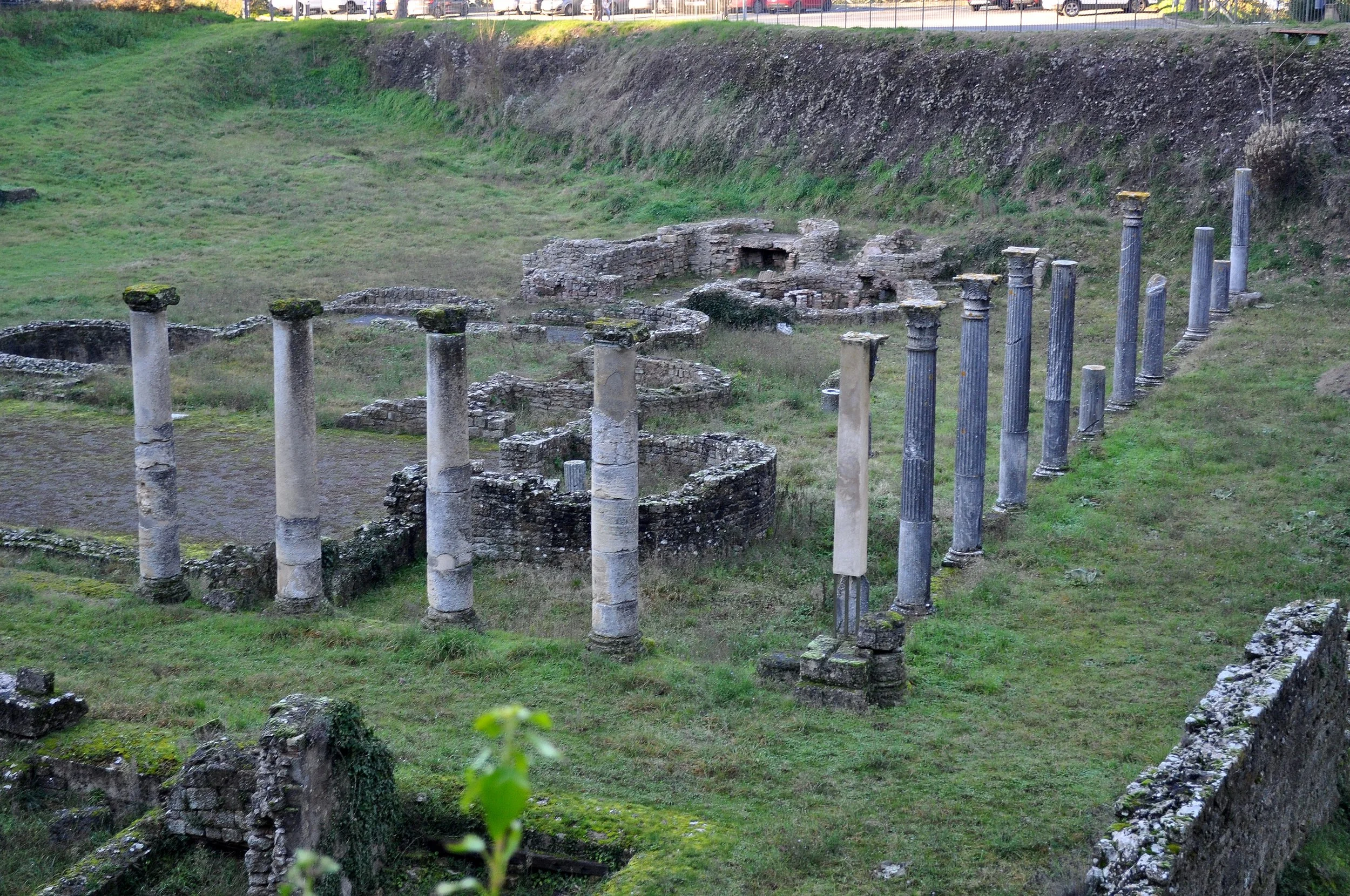
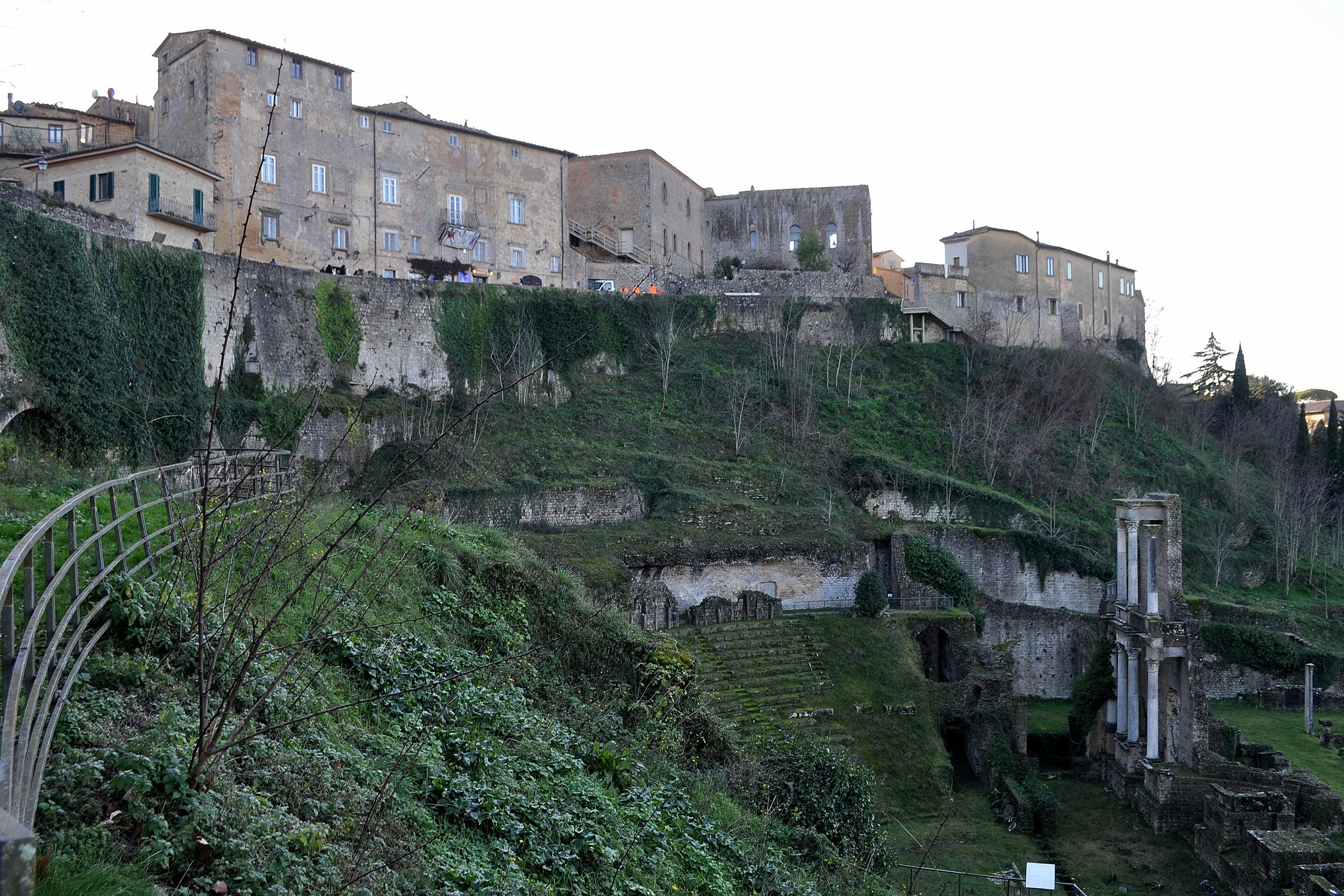
Angela: it’s a powerful entrance. We step forward and see the semicircular cavea, the stone tiers, the stage, and the columns of the scaenae frons. It’s not just an archaeological site: it’s a place that still preserves a clearly readable structure, almost alive.
Piero: it was built between the end of the 1st century BC and the 1st century AD, in the heart of the Roman Imperial age. Behind the theatre stand the Roman baths, with their articulated rooms. A sign that Volterra, in Roman times, was an organized, prosperous city, fully integrated into the networks of the Roman Empire.
Angela: but when the Romans arrived here, Volterra was already ancient. Much more ancient.
From Etruscan period to the Medieval Volterra
Piero: the Etruscan walls already tell us how important Volterra was in that era: over seven kilometers of defensive walls, built with enormous interlocking blocks, a monumental work for the time.
Angela: and the Porta all’Arco is the most powerful symbol. Dating back to the 4th century BC, with its majestic arch and the three carved heads that still watch those who enter. Perhaps protective deities, perhaps sacred symbols. In any case, an impressive sign of continuity.
Piero: before being called Volterra, it was Velathri, one of the twelve cities of the Etruscan Dodecapolis, the city-state system that dominated central Italy before Roman expansion.
Angela: between the 8th and 4th centuries BC, it was a powerful, strategic center, rich thanks to the territory’s resources and trade. Its dominant position on the hills allowed control and defense.
Piero: the Etruscans left more than just walls. The necropolis and alabaster funerary urns tell of a cultured, evolved society with a strong sense of ritual and the afterlife. The alabaster, quarried nearby, already became a distinctive trait of the city.
Angela: when Rome conquered Velathri in the 3rd century BC, it didn’t erase it but integrated it. Volterra became a municipium and continued to prosper, maintaining economic and political importance.
Piero: after the fall of the Roman Empire, the city went through complex centuries. But in the Middle Ages, it reborn as a free commune. It’s in this period that the urban face we walk today took shape.
Angela: towers, public palaces, Romanesque churches. And above all, Piazza dei Priori, the civil heart of the city.
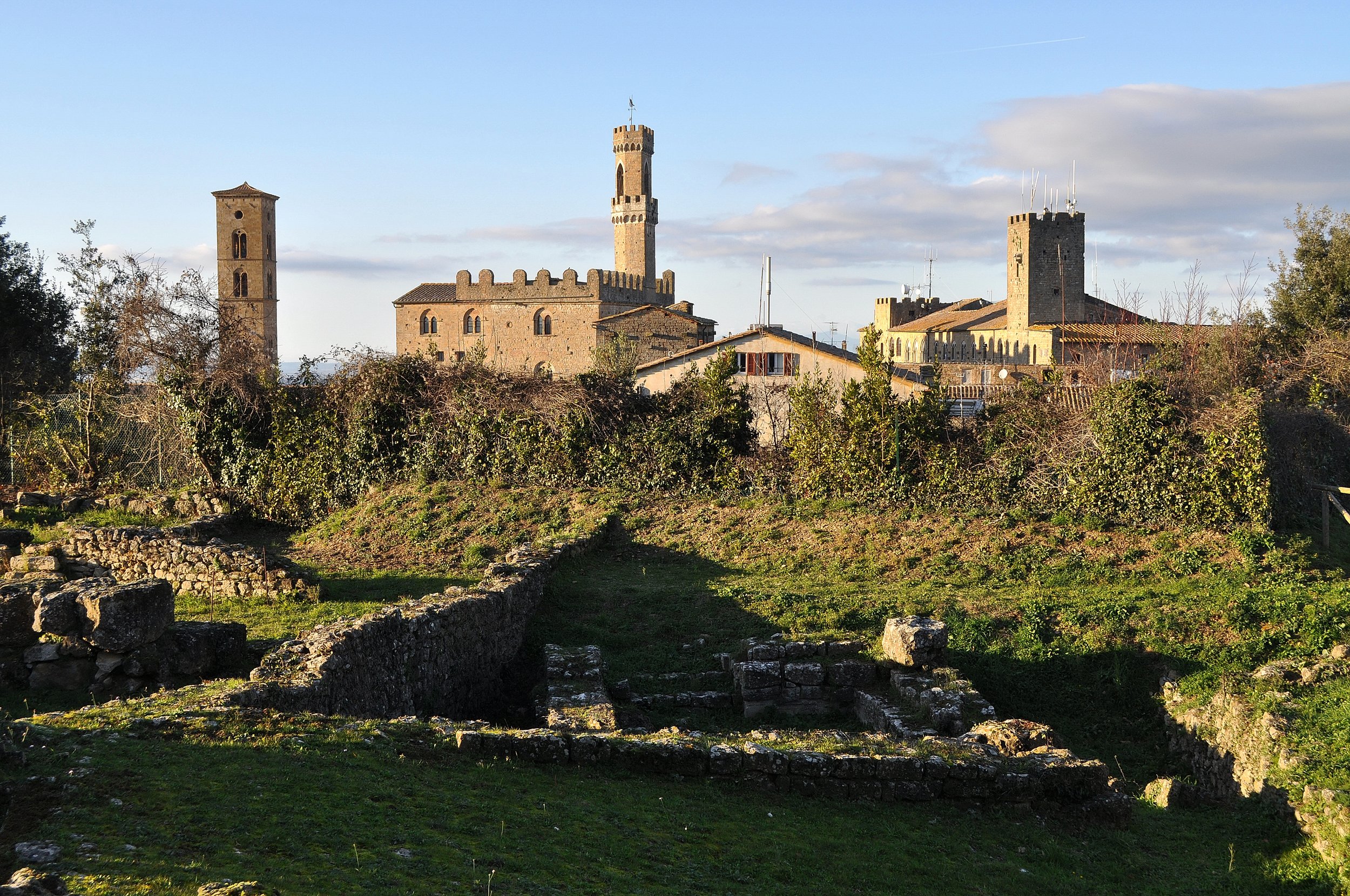
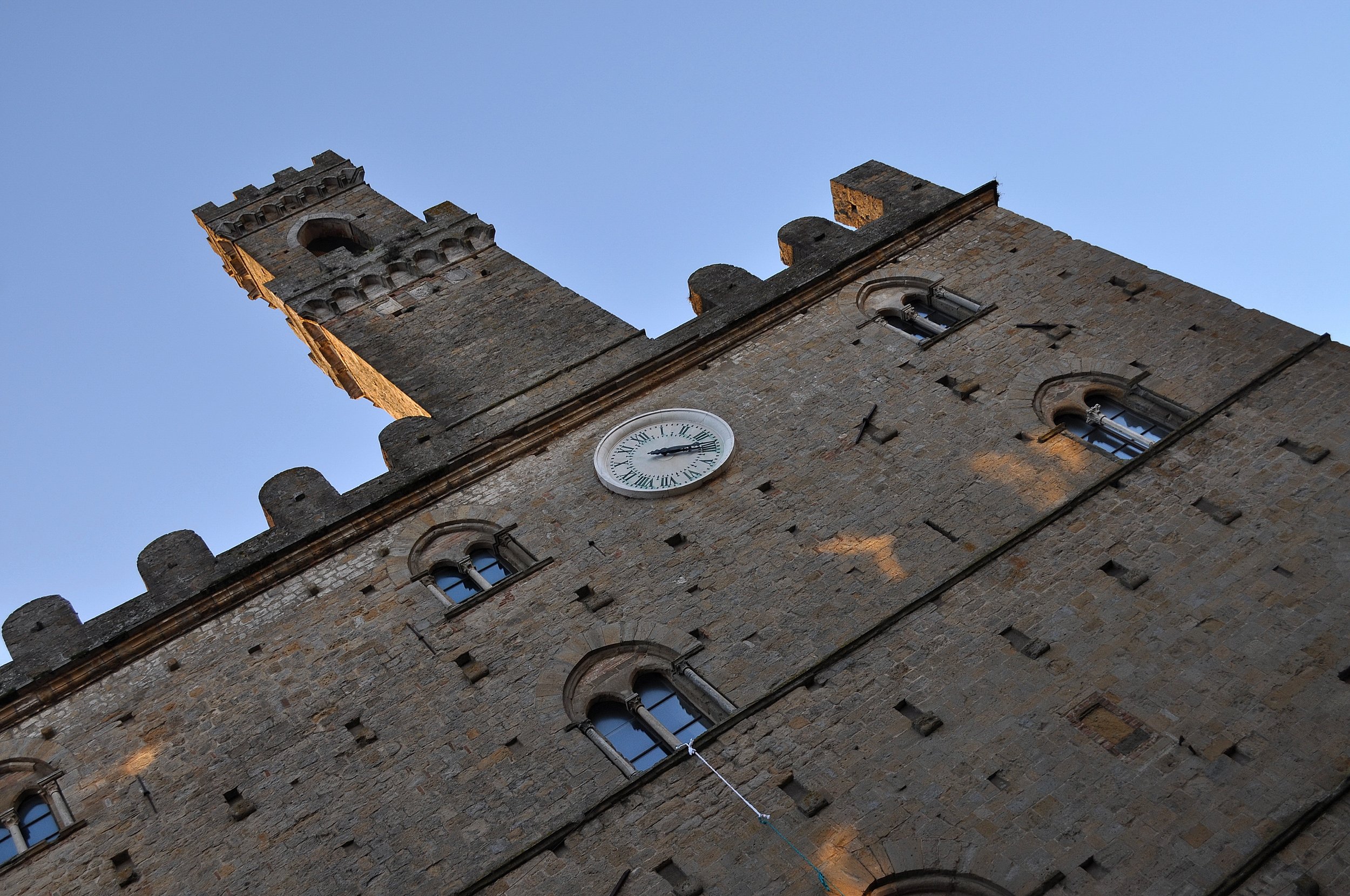
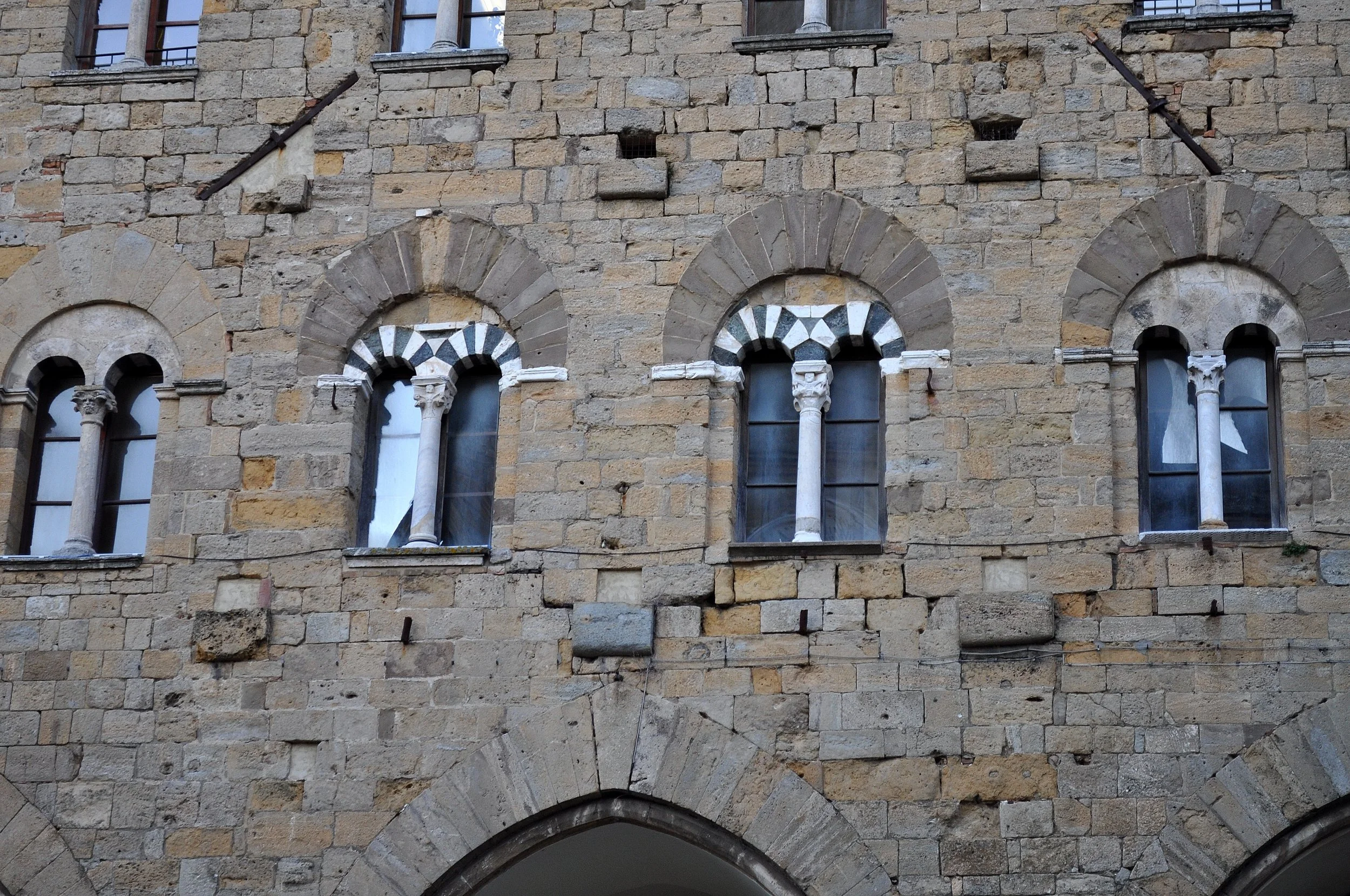
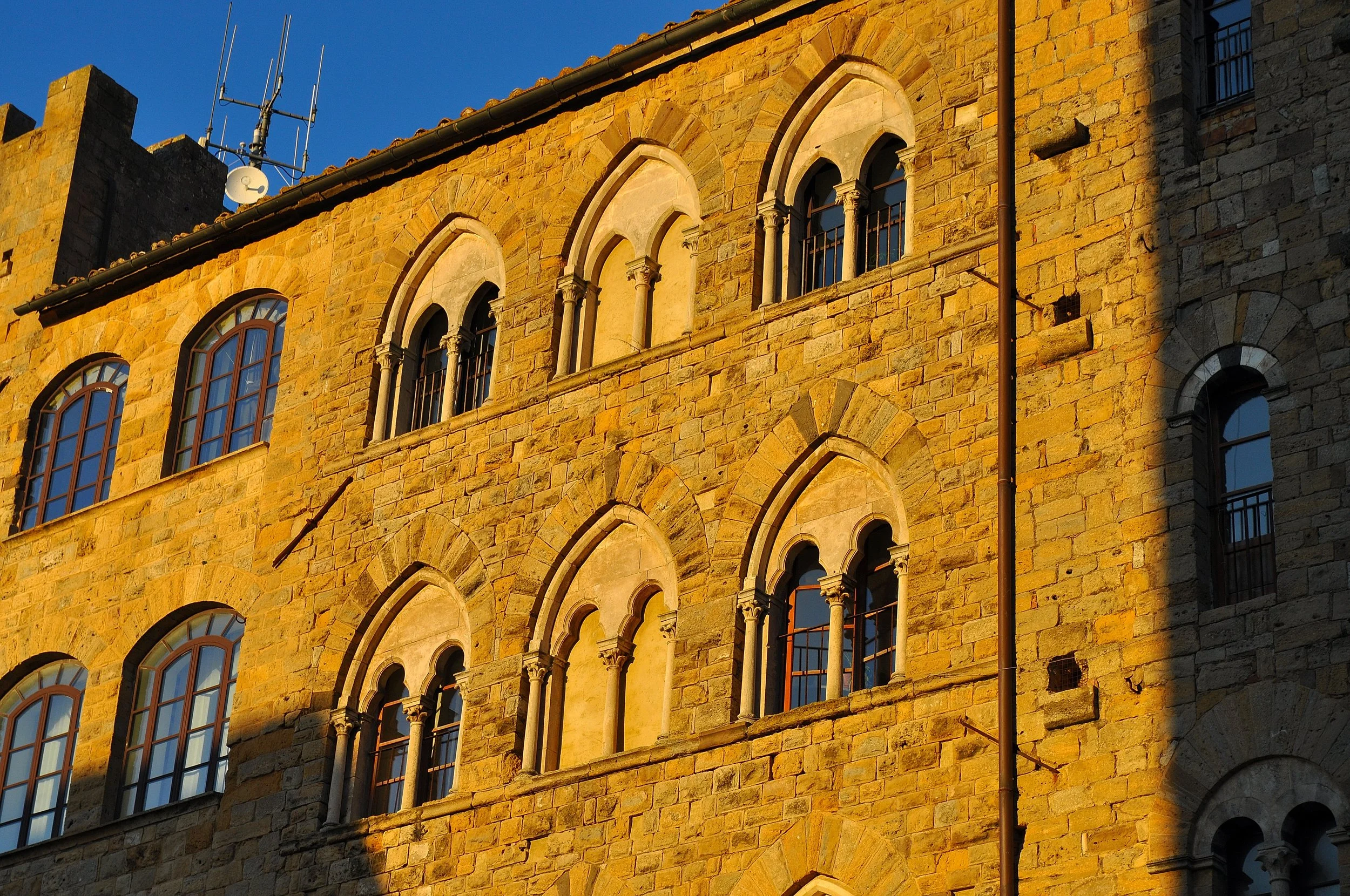
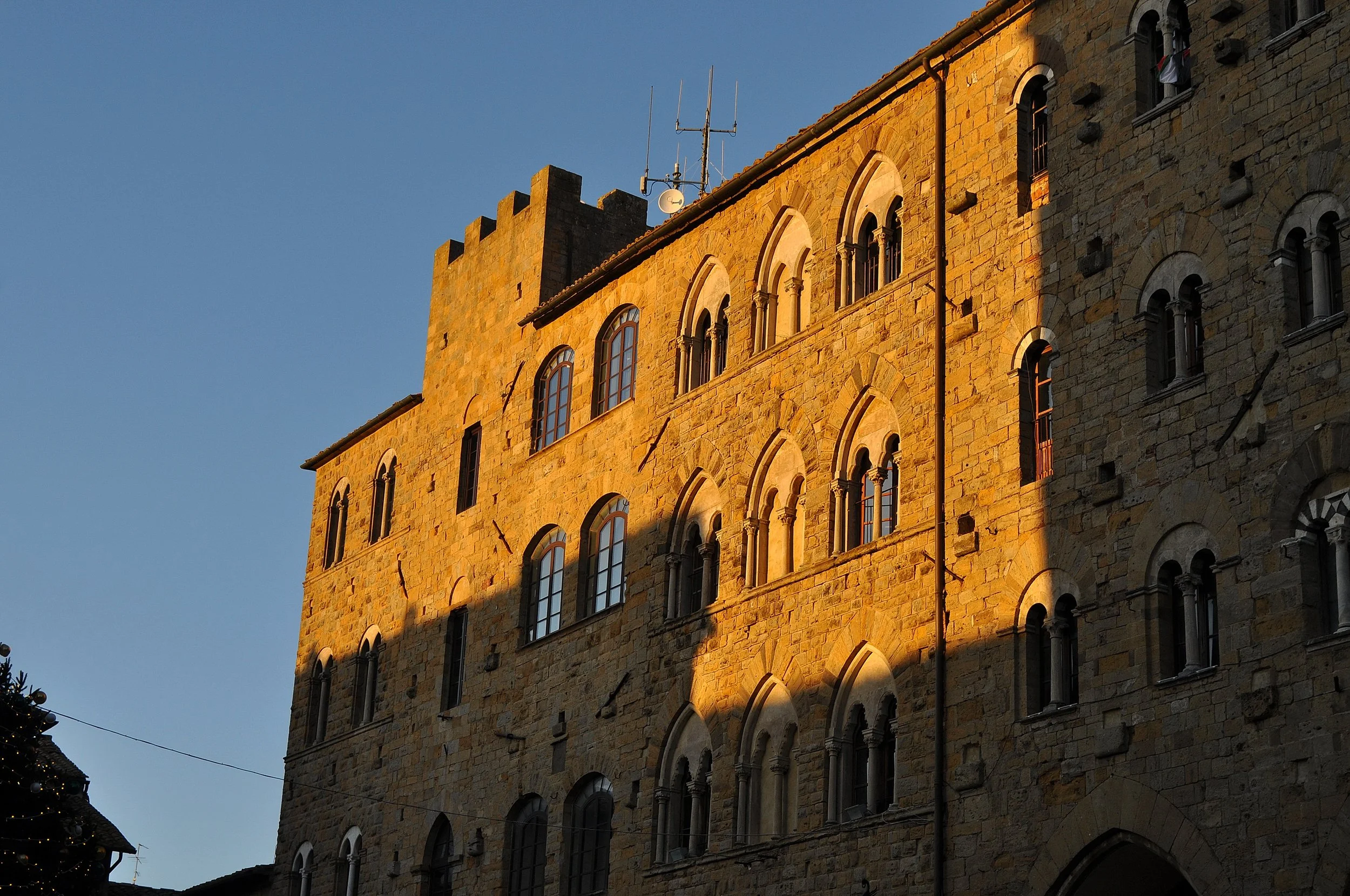
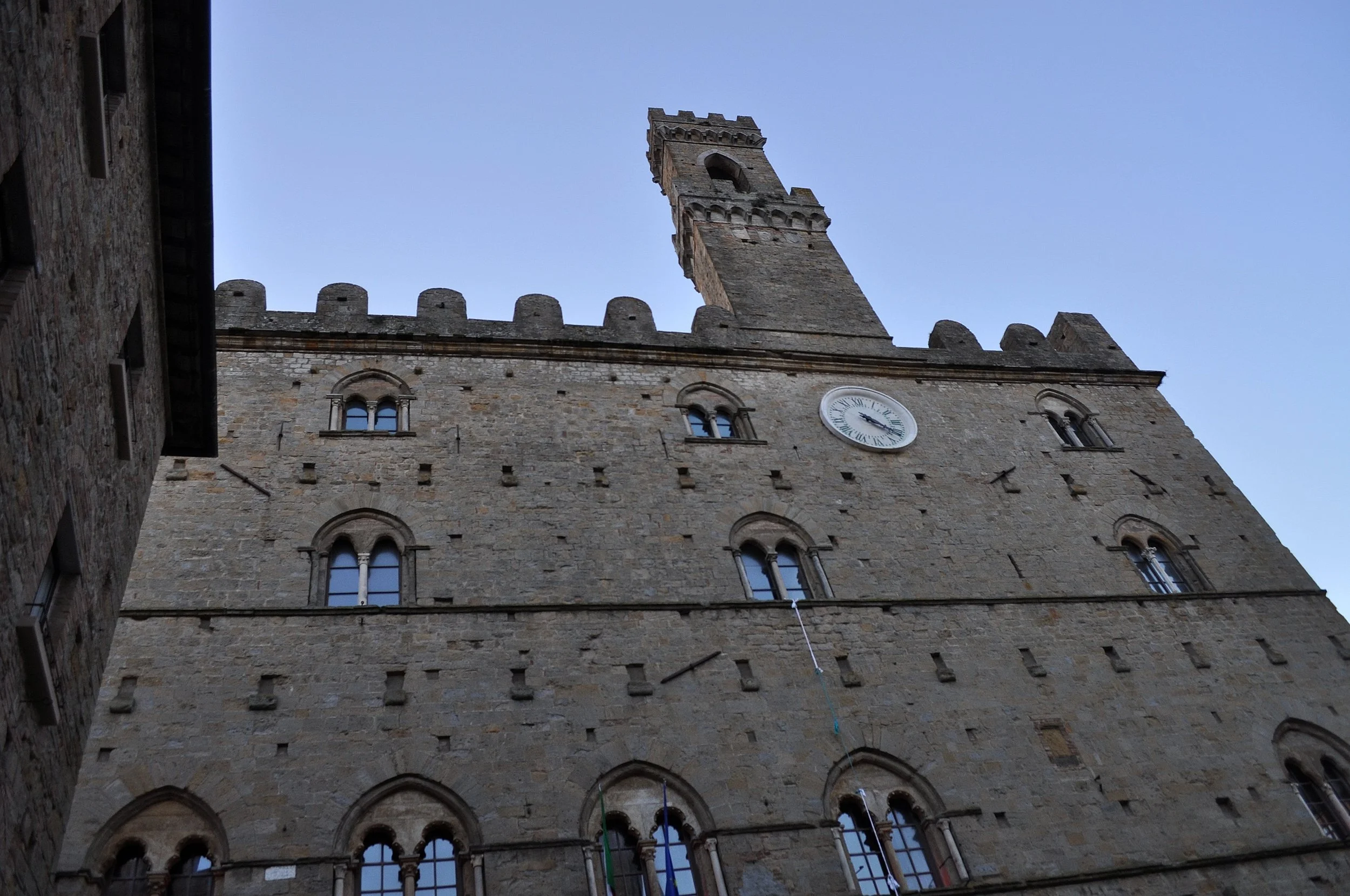
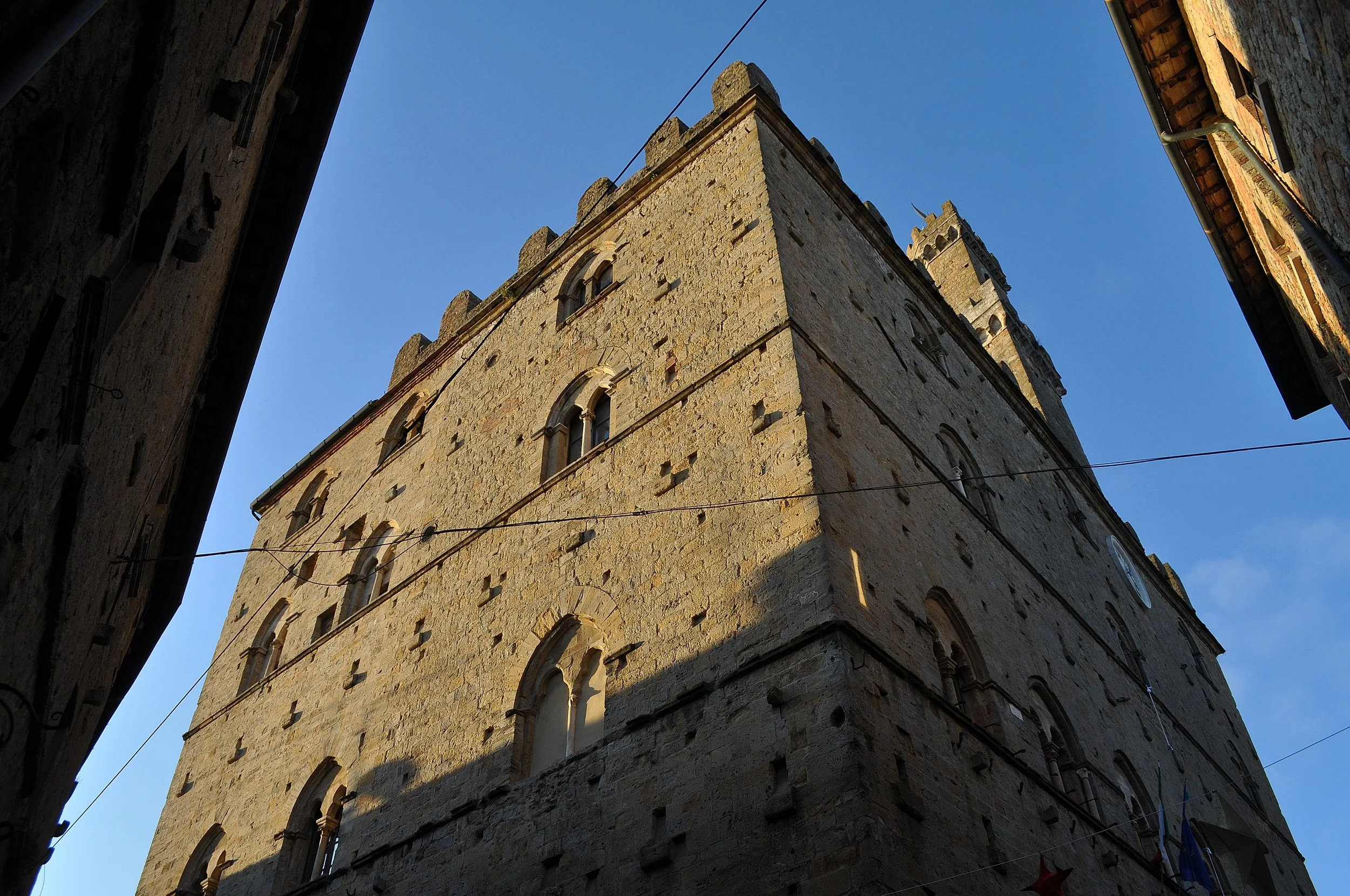
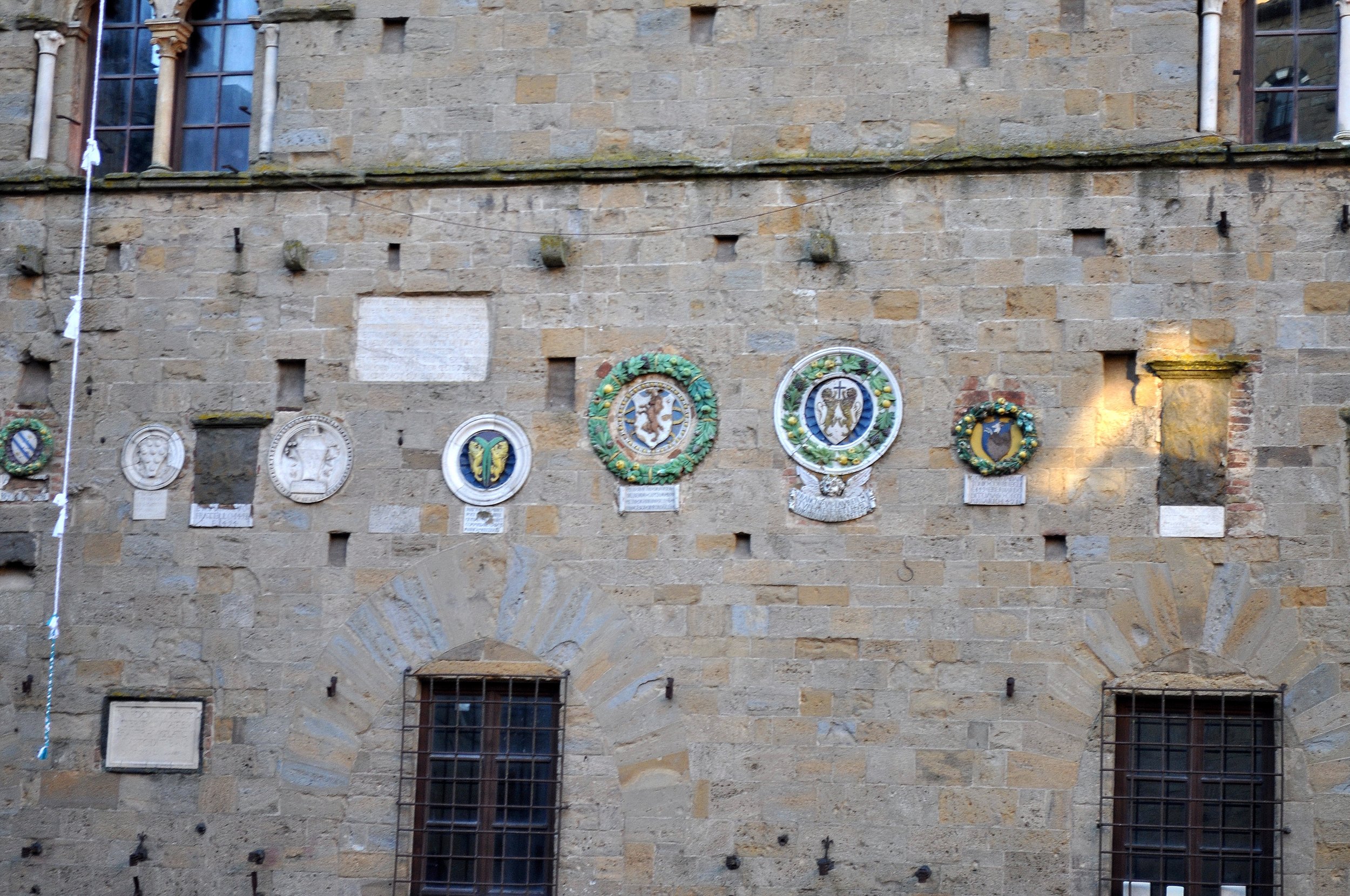
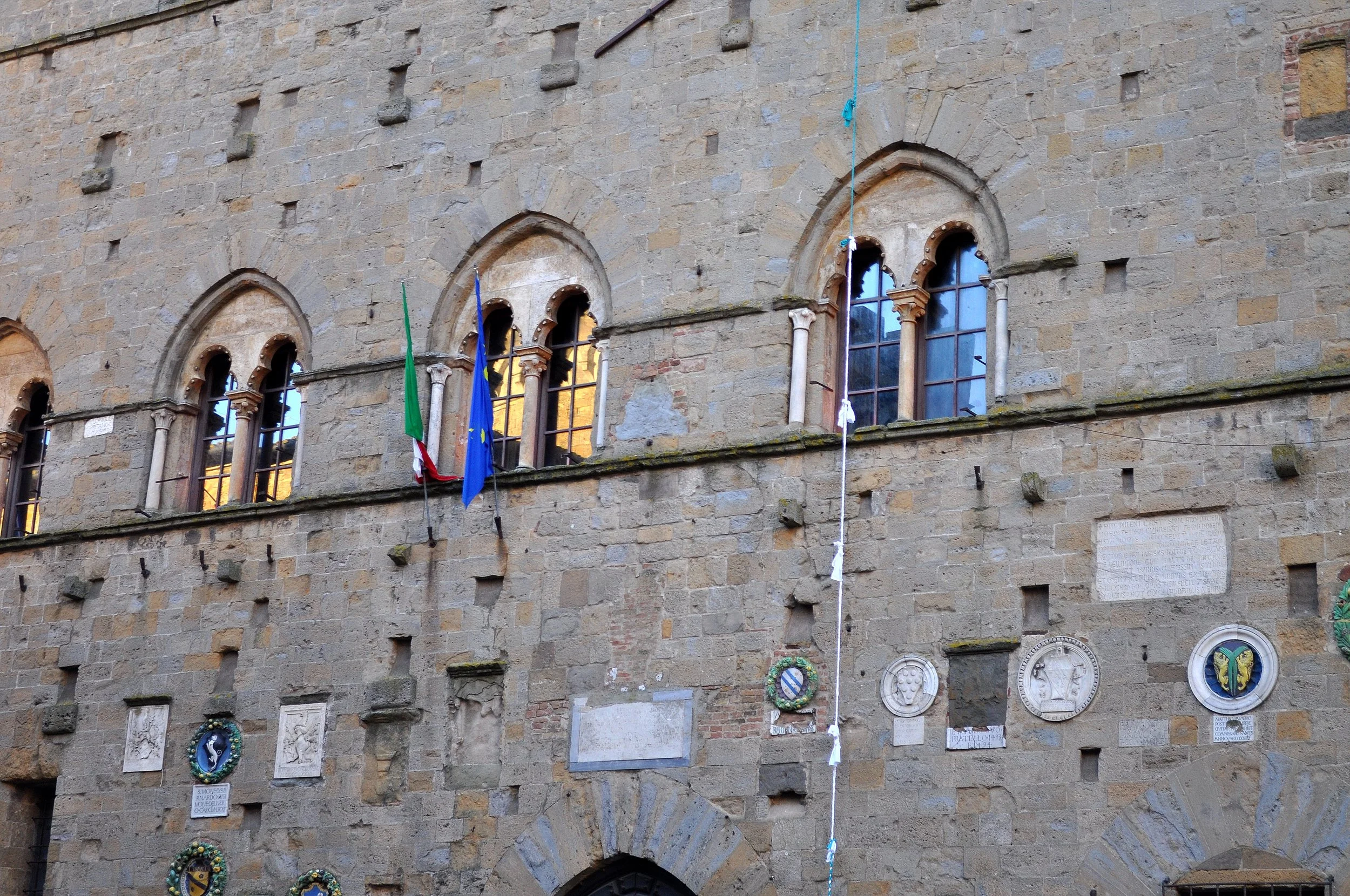
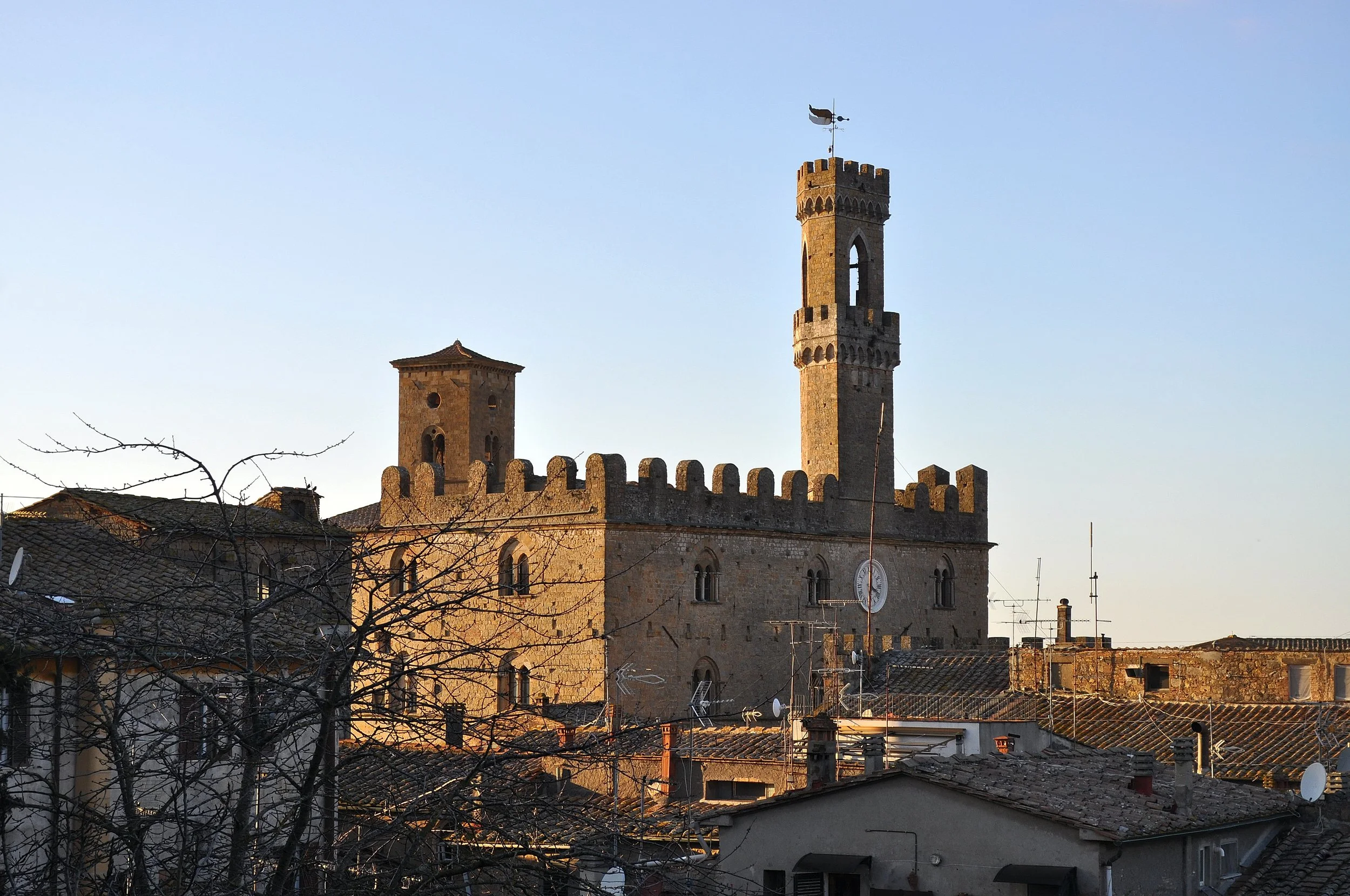
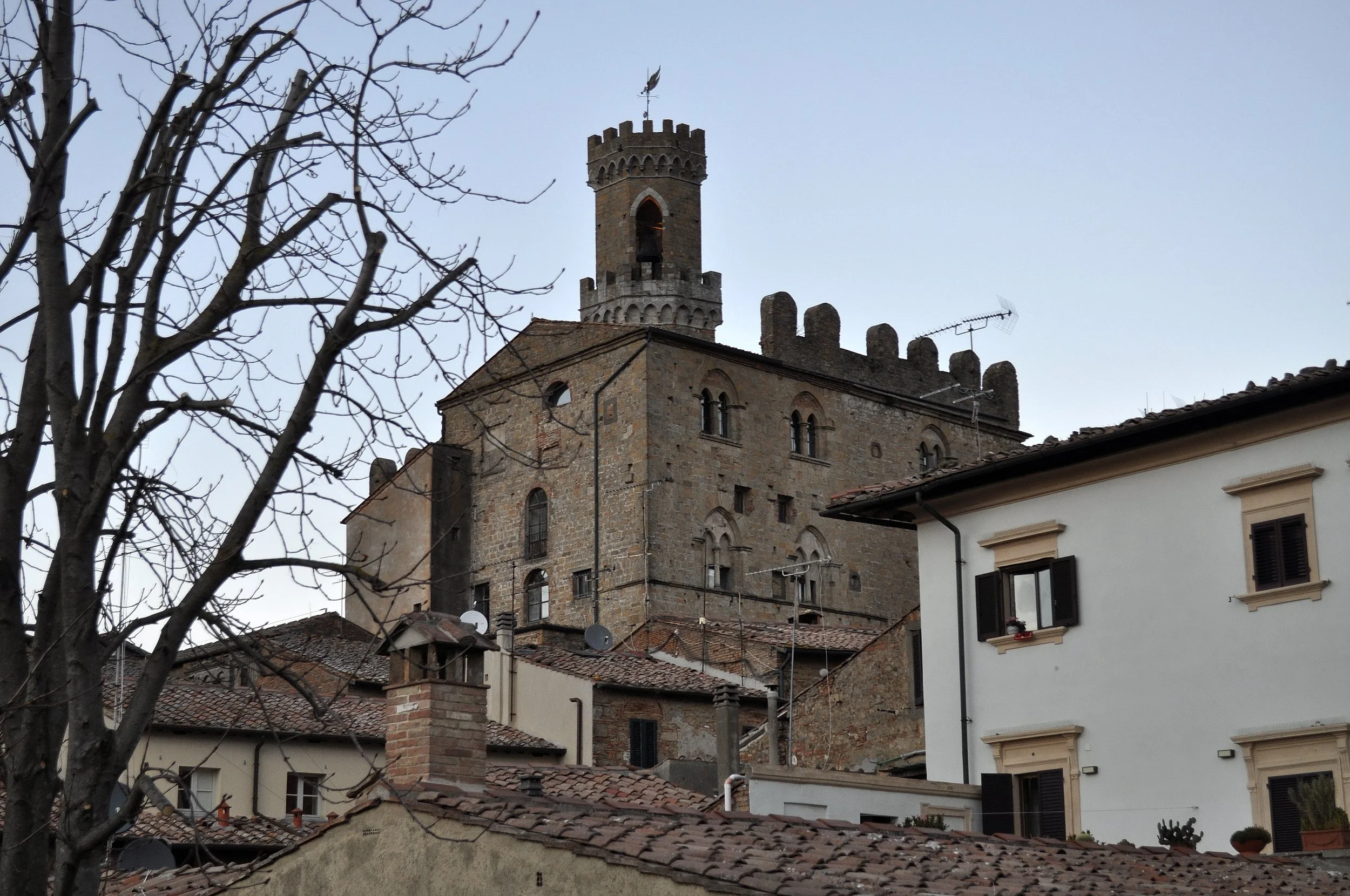
Piero: the Palazzo dei Priori, built in 1208, is considered the oldest town hall in Tuscany. Its slender tower, battlements, and the family crests on the façades tell of an era of autonomy, rivalry, and civic pride.
Angela: but communal freedom didn’t last forever. In 1472, Volterra was conquered by Florence, also attracted by the alum mines in the area. It was a traumatic passage, but the city retained its identity.
Piero: in the following centuries, the alabaster tradition continued and became ever more refined. Even today, it remains one of Volterra’s distinctive features.
Angela: what strikes you is the continuity: Etruscans, Romans, Middle Ages, Florentine rule. Each era adds a layer, but none truly erases the previous one.
Our walk through hills and quiet
Piero: from the road, we can clearly see the Roman Theatre: its preservation could definitely be better, but it is certainly a wonderful preview of Volterra.
Angela: we buy the ticket to access the walkway around the theatre to get a more complete perspective. It’s not strictly necessary, as it adds little to what we’ve already seen from the road, but since we’re here…
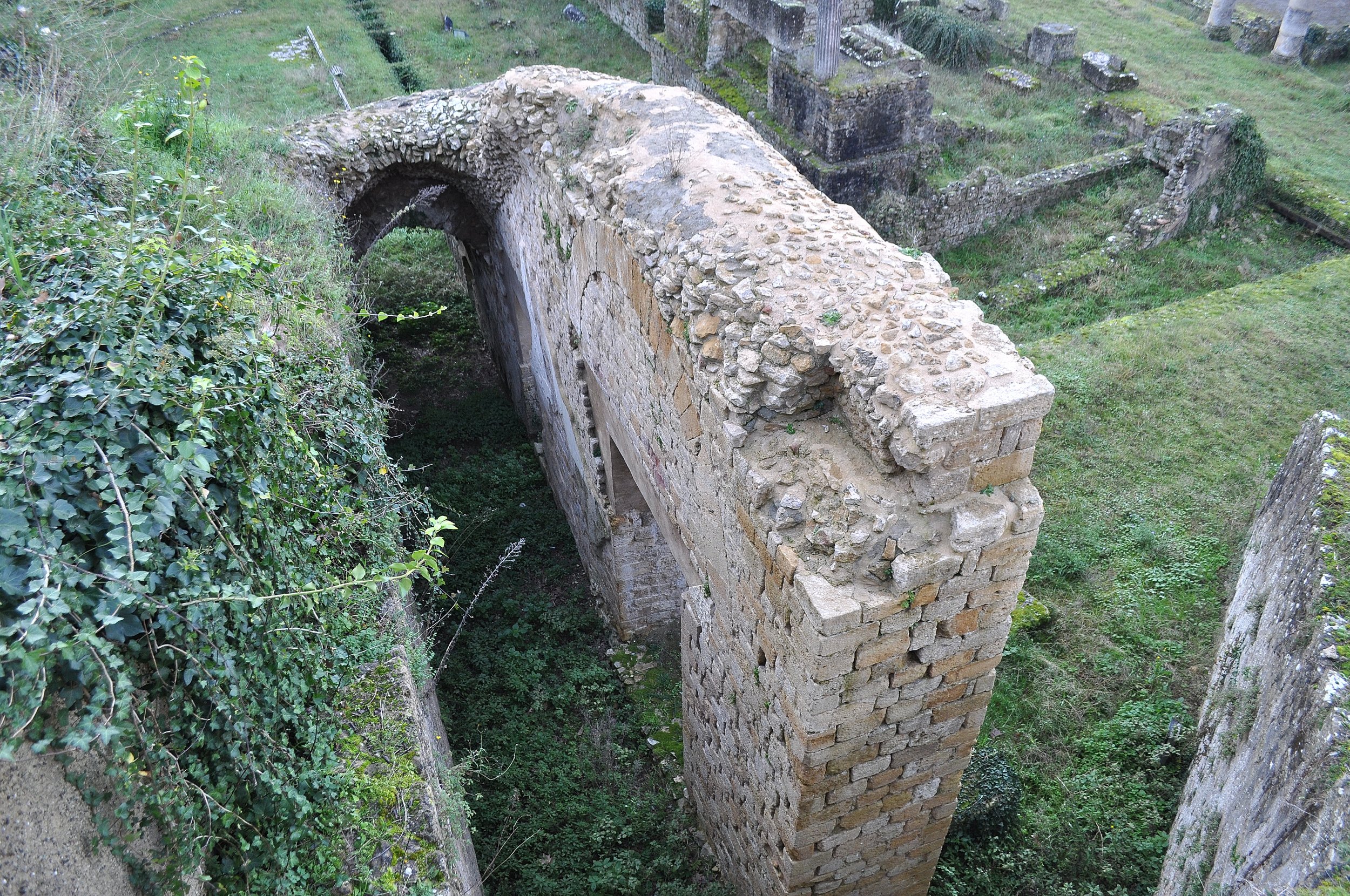
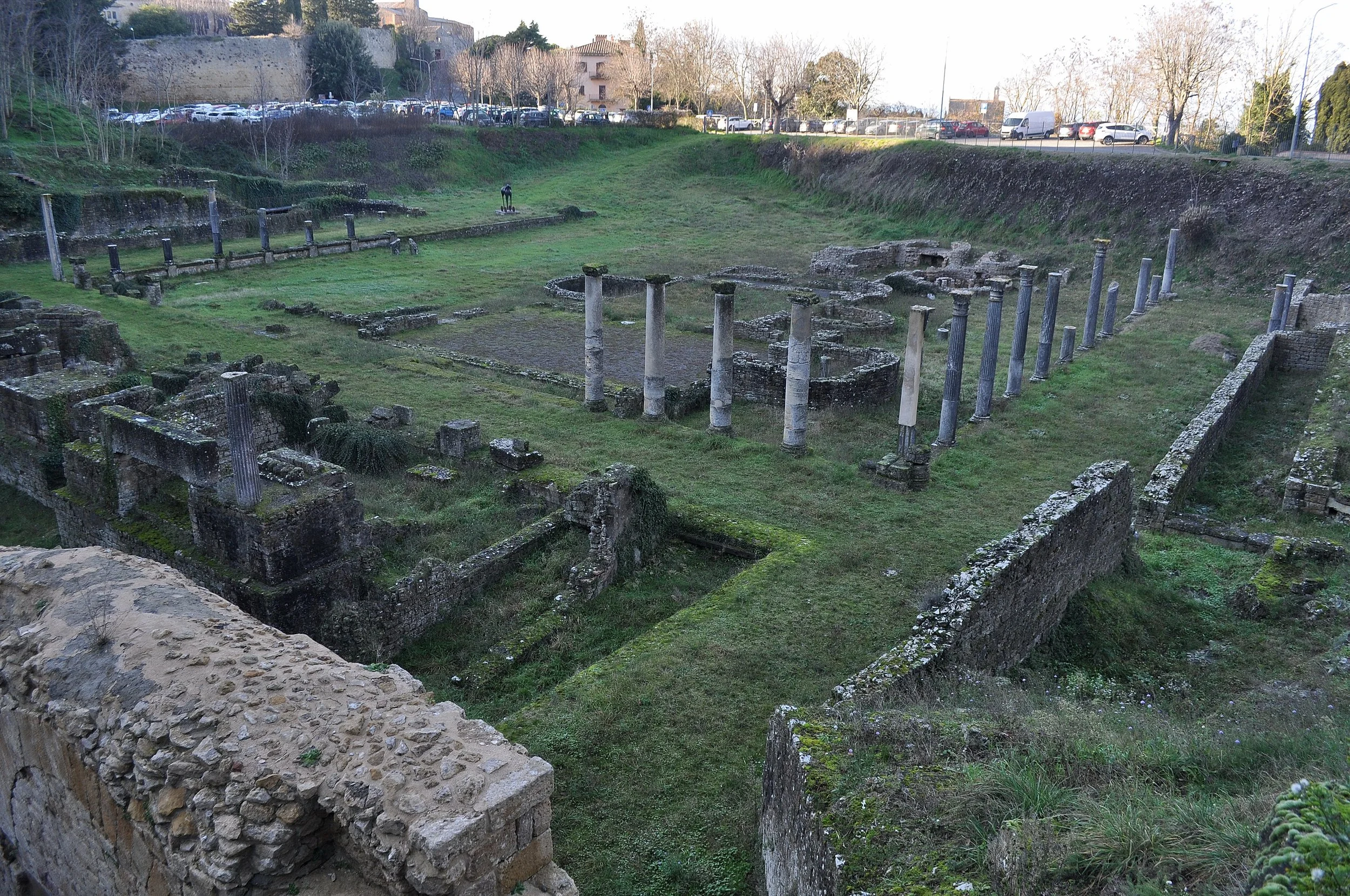
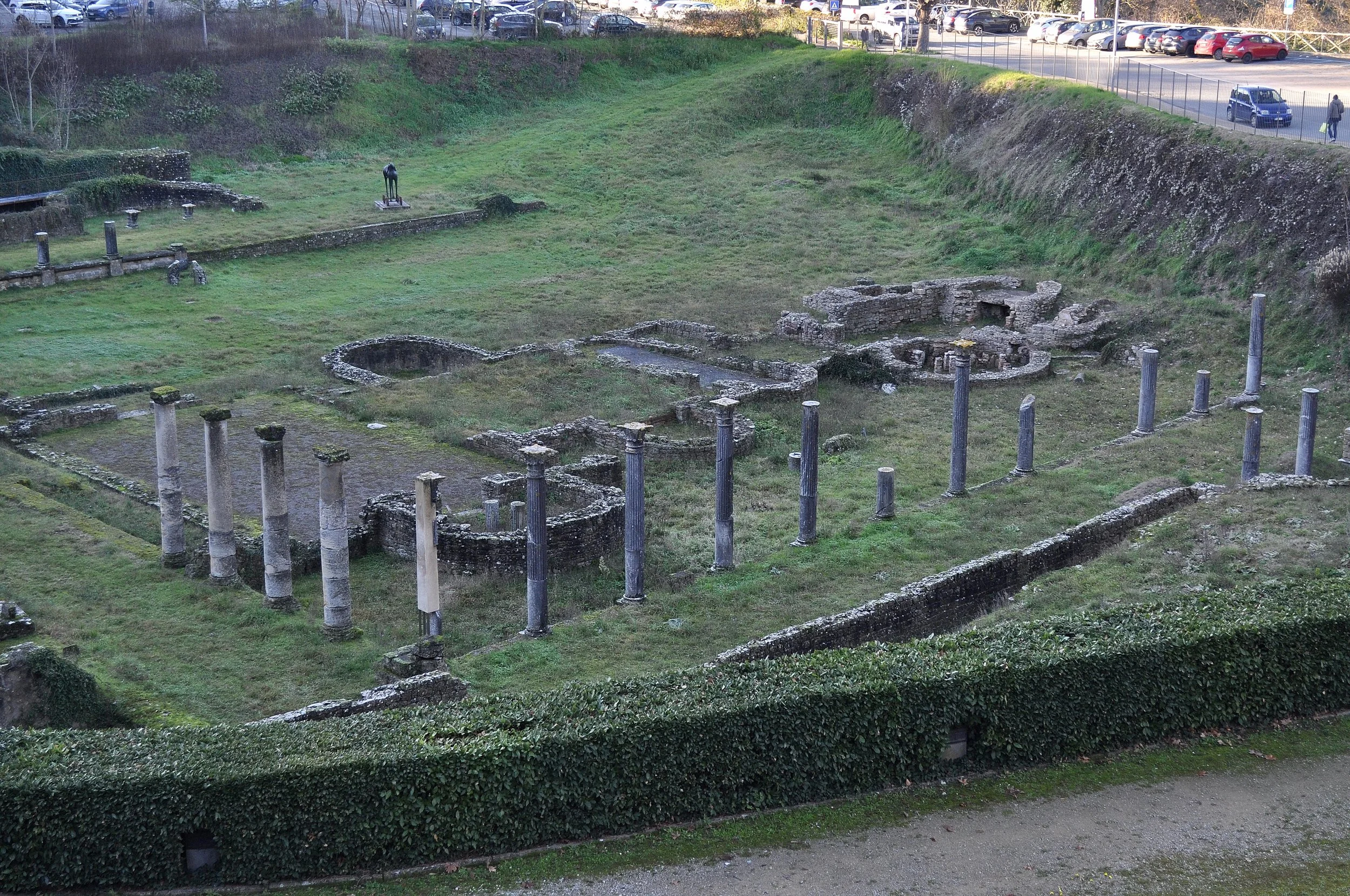
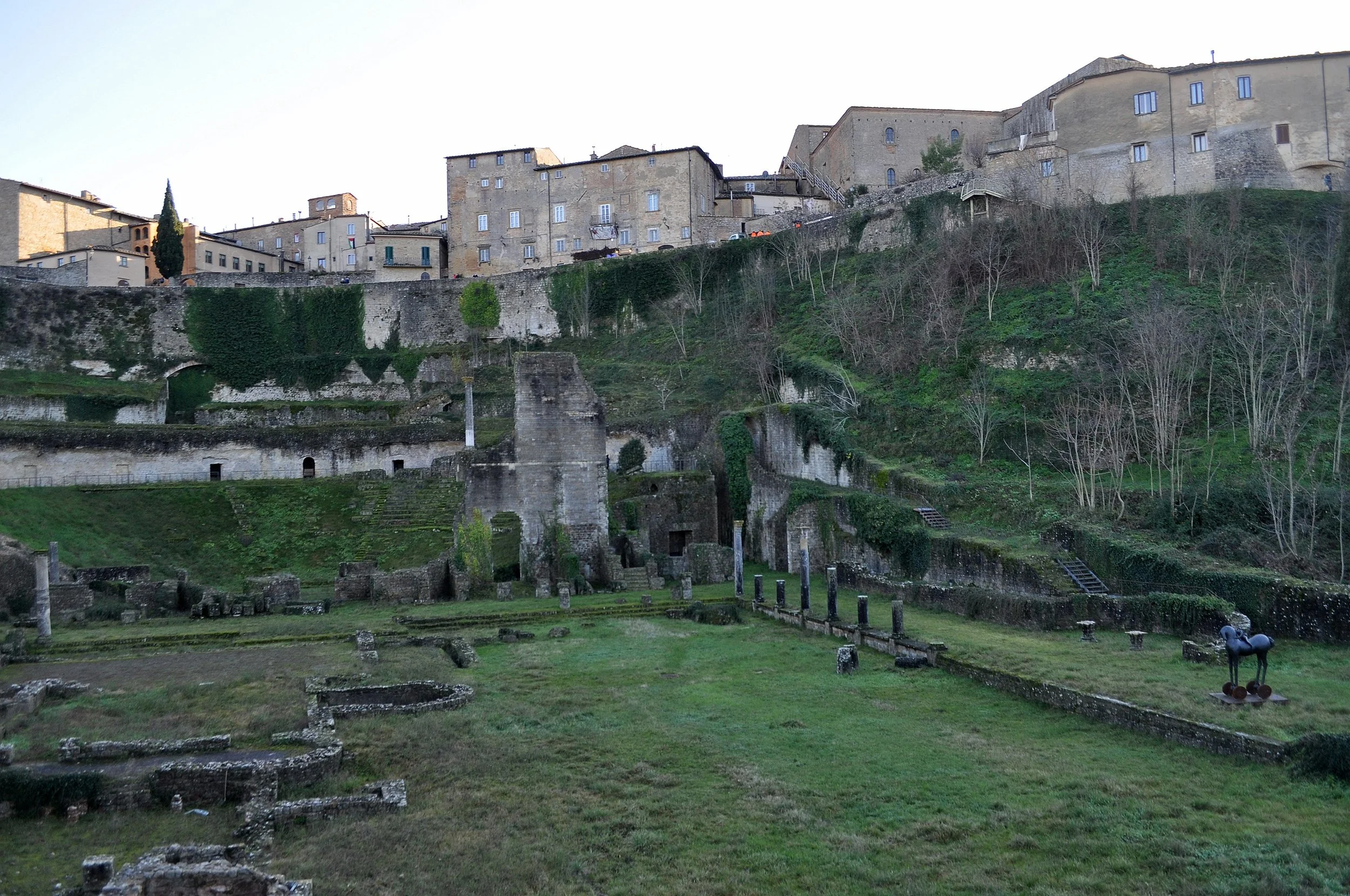
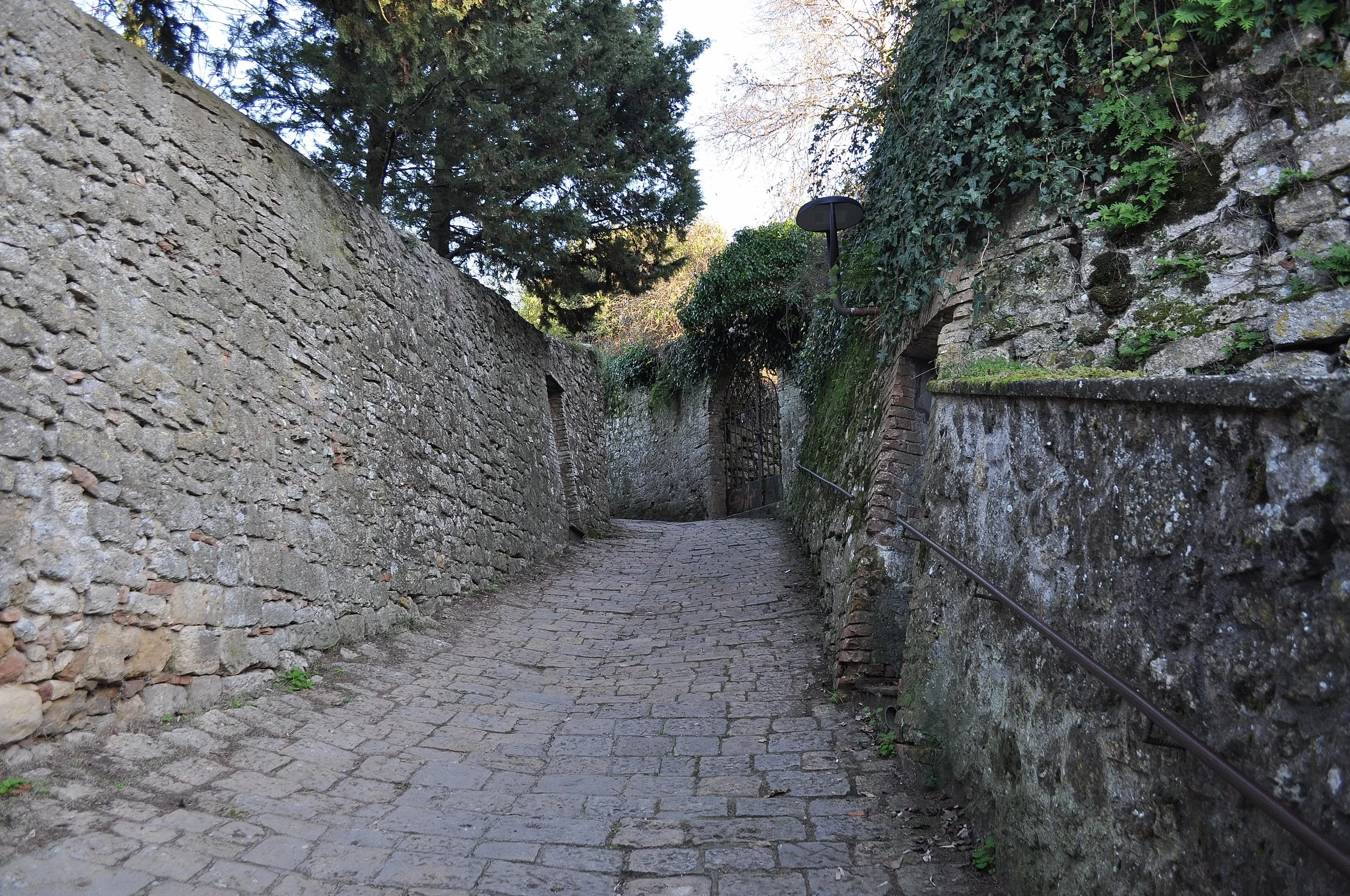
Piero: we leave the Roman Theatre and climb towards the monumental Porta all’Arco: now the three sculpted heads above also watch us; they don’t inspire fear, rather they invite us to enter. The road slopes upward, paved, with sudden views over the hills.
Angela: I love this gradual entrance. There isn’t a moment when you truly “enter”: you are already inside, from the moment you start walking, and the city slowly envelops you.
Piero: we pass through narrow alleys, houses in warm colors, windows overlooking the void. Volterra is less picturesque than San Gimignano, less compact than Monteriggioni, certainly more austere and intense.
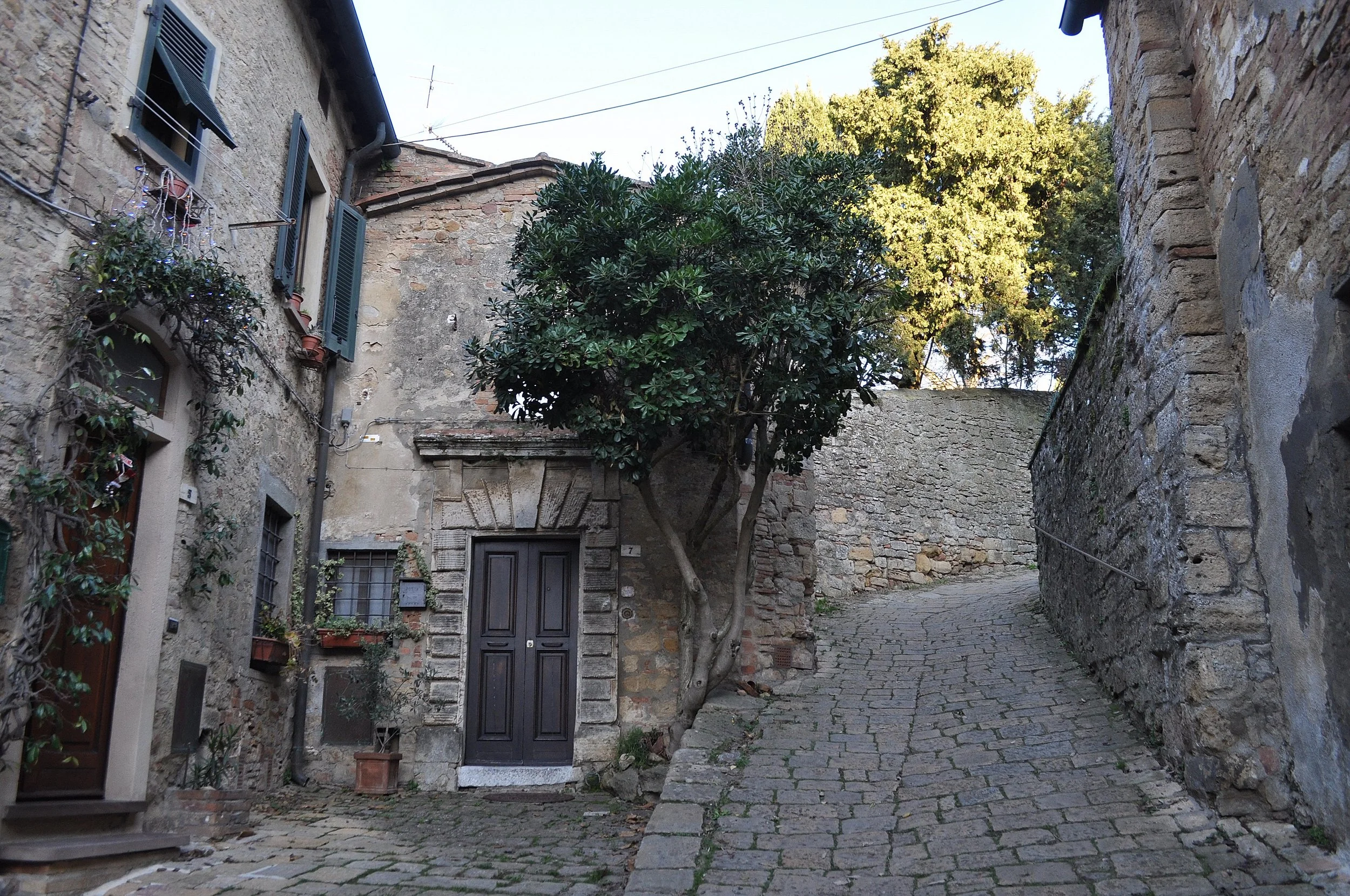
Angela: instead of heading straight for the square, we decide to step slightly outside the center to visit the Etruscan Necropolis: pay attention to the opening hours, especially in winter, as it closes fairly early.
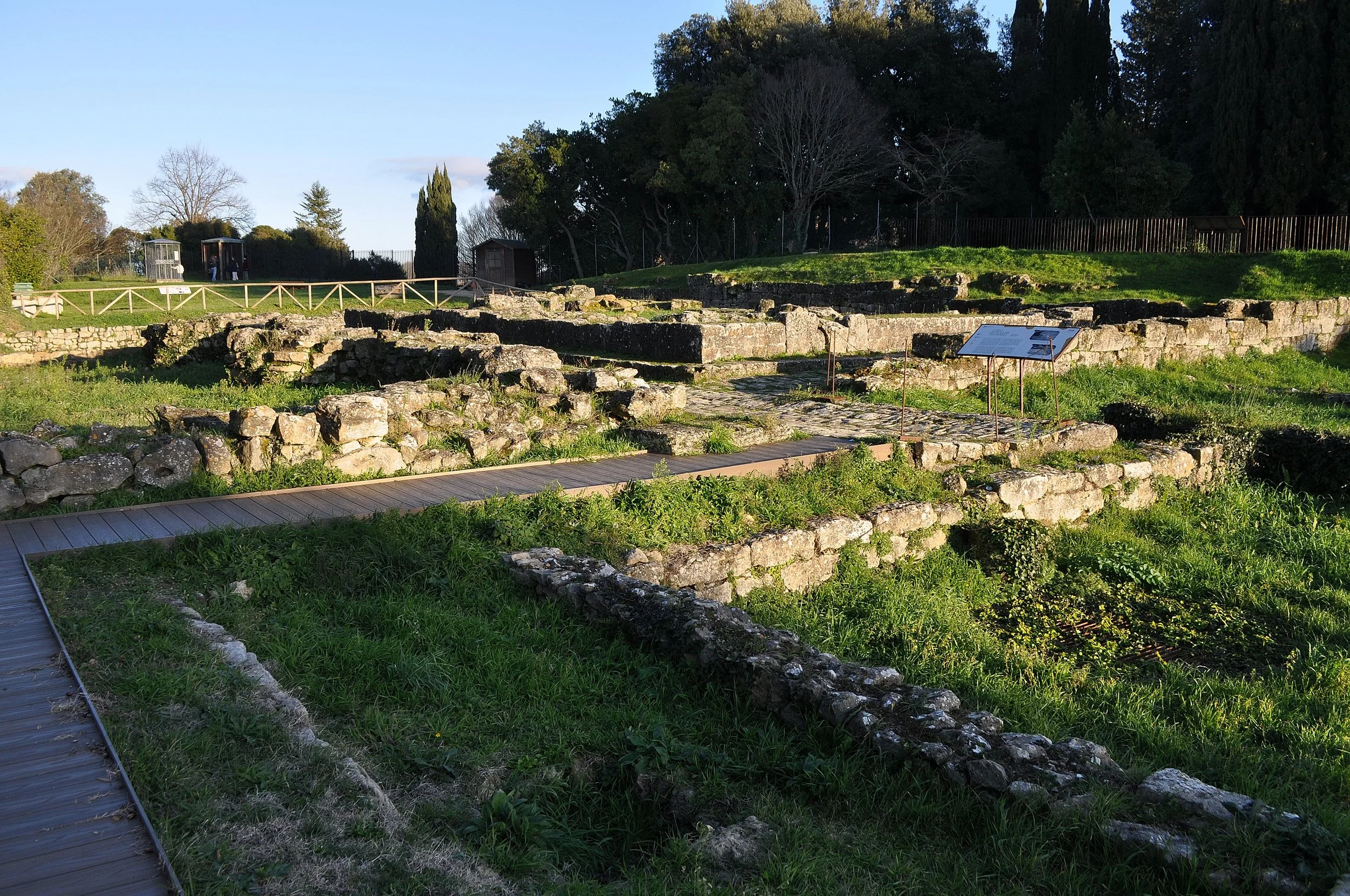
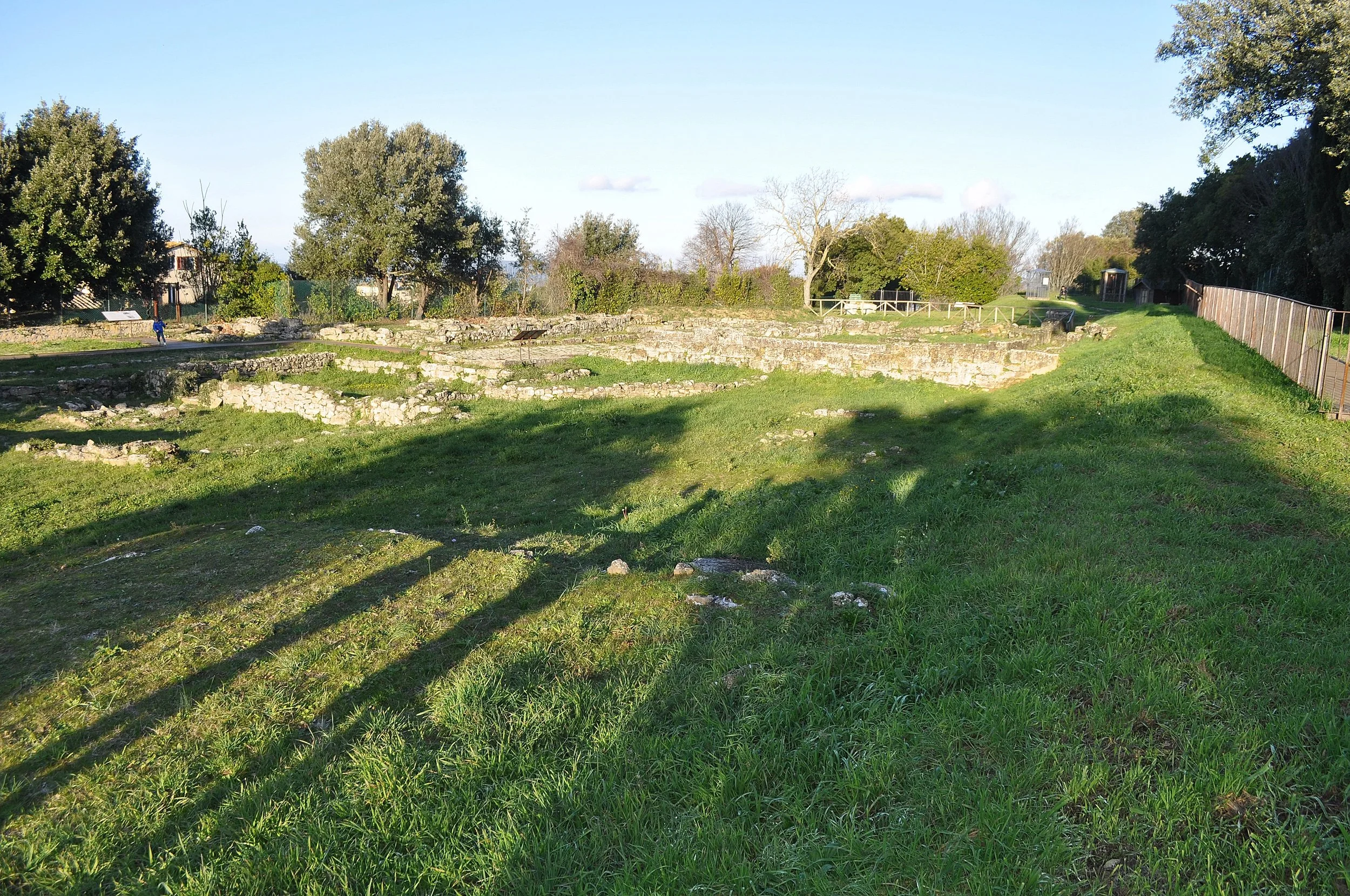
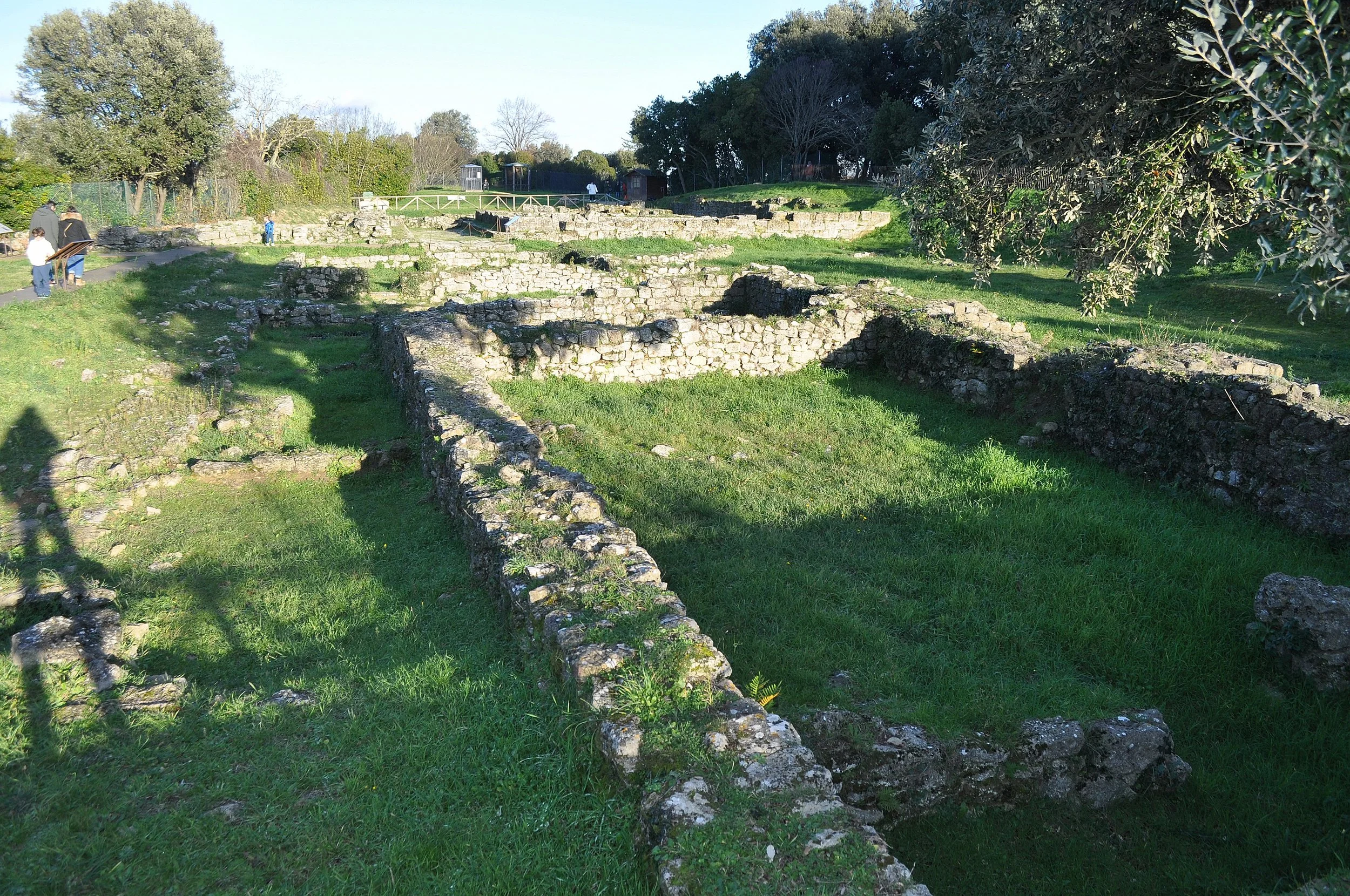
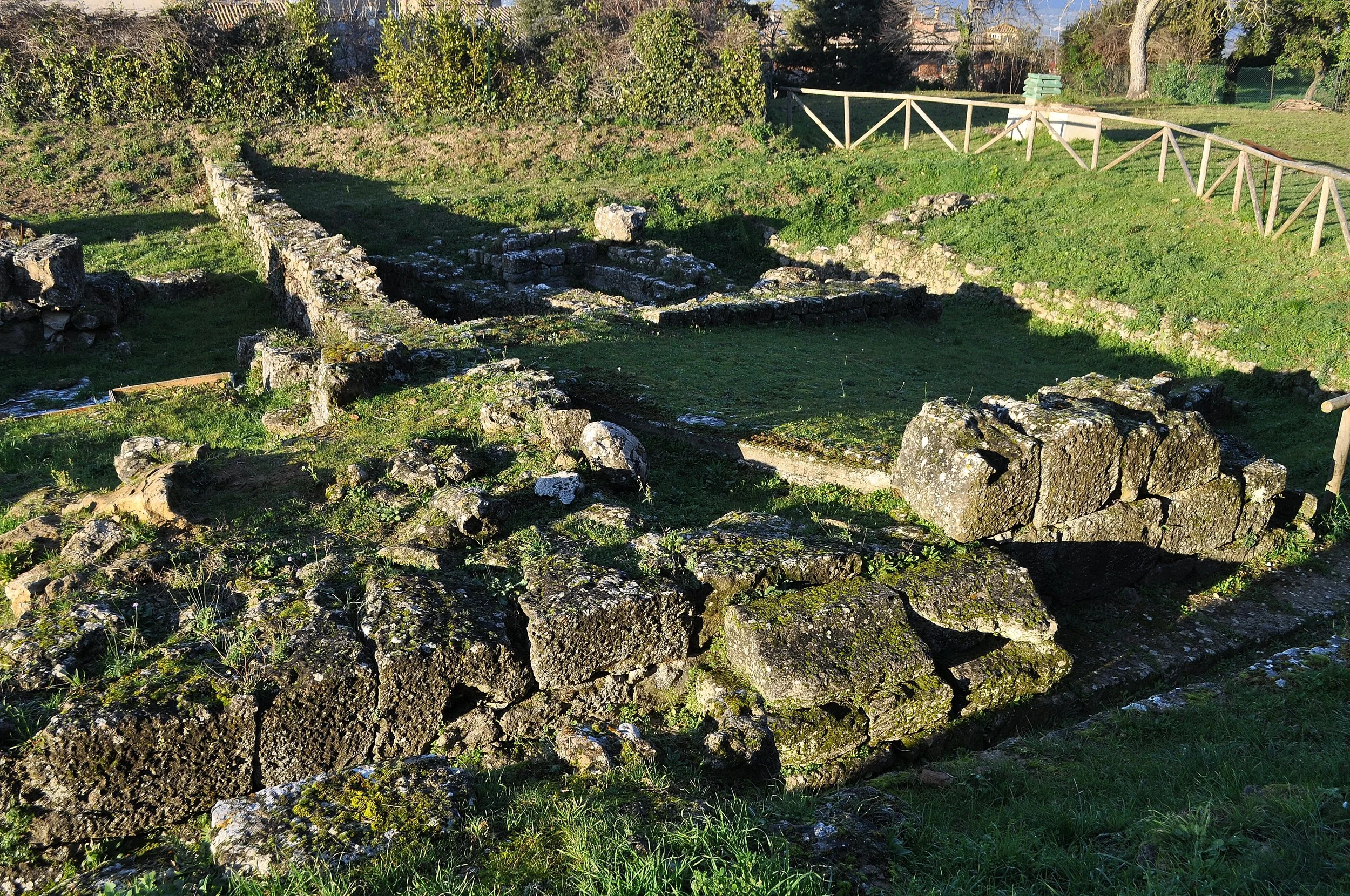
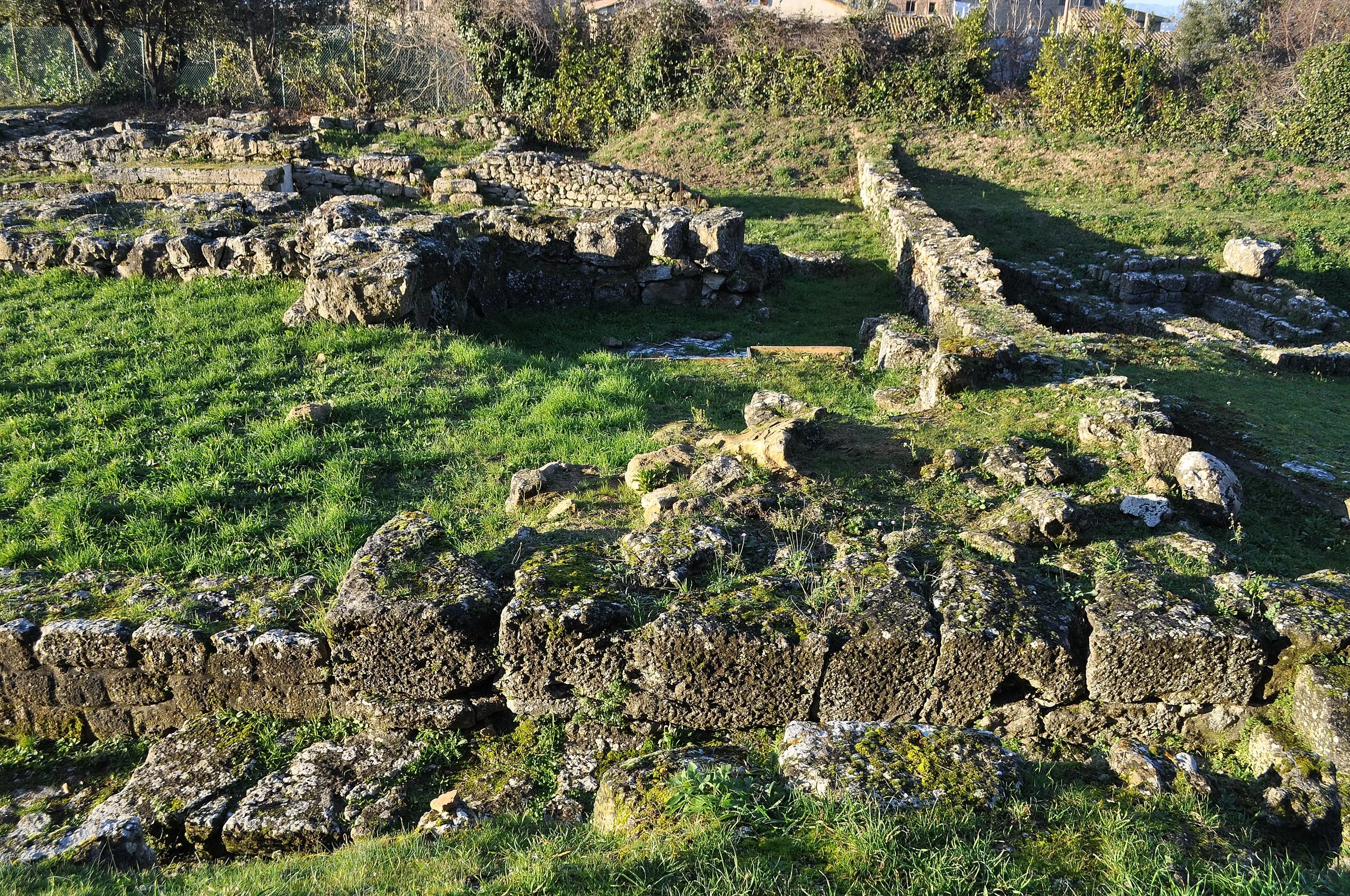
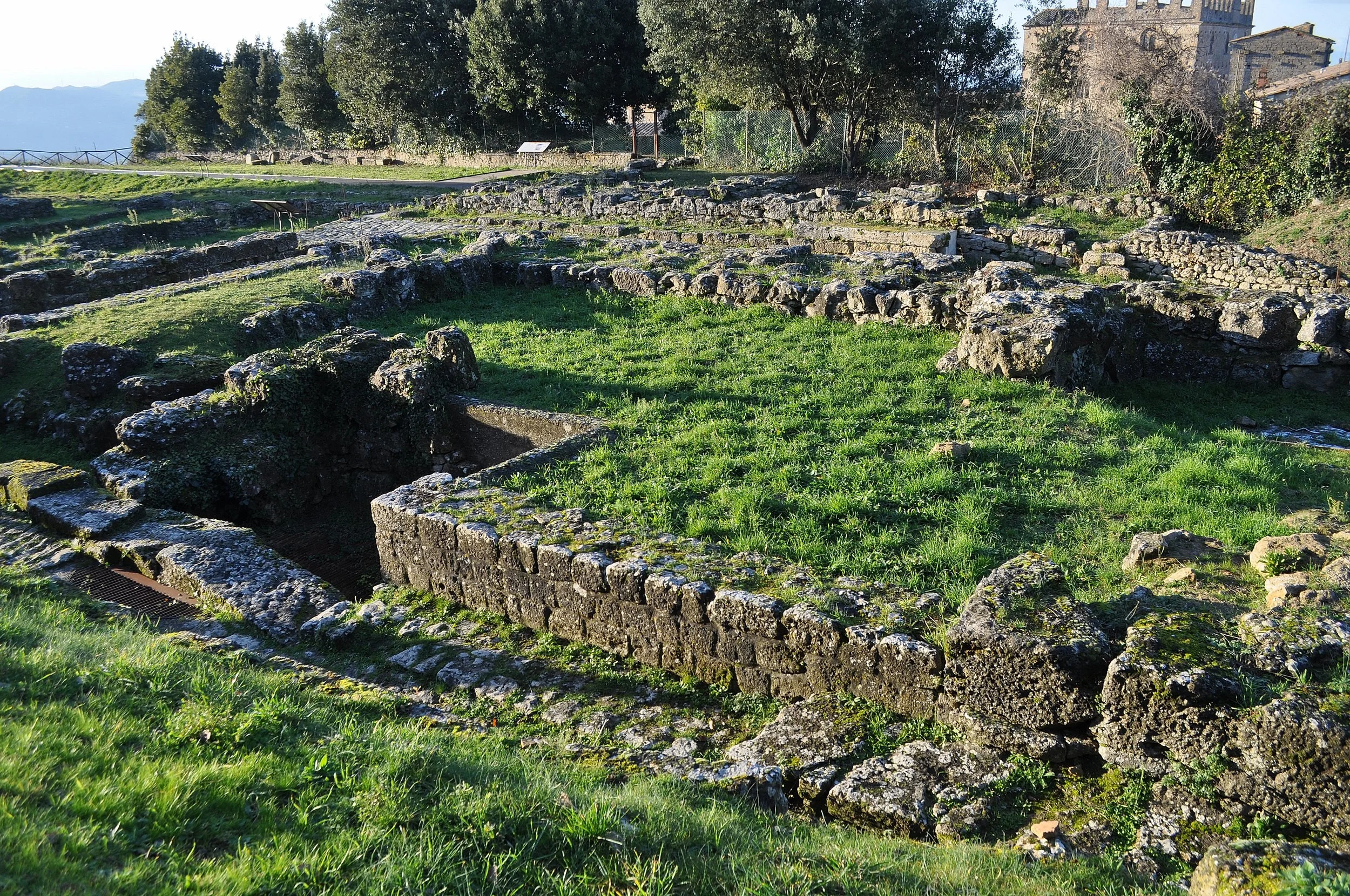
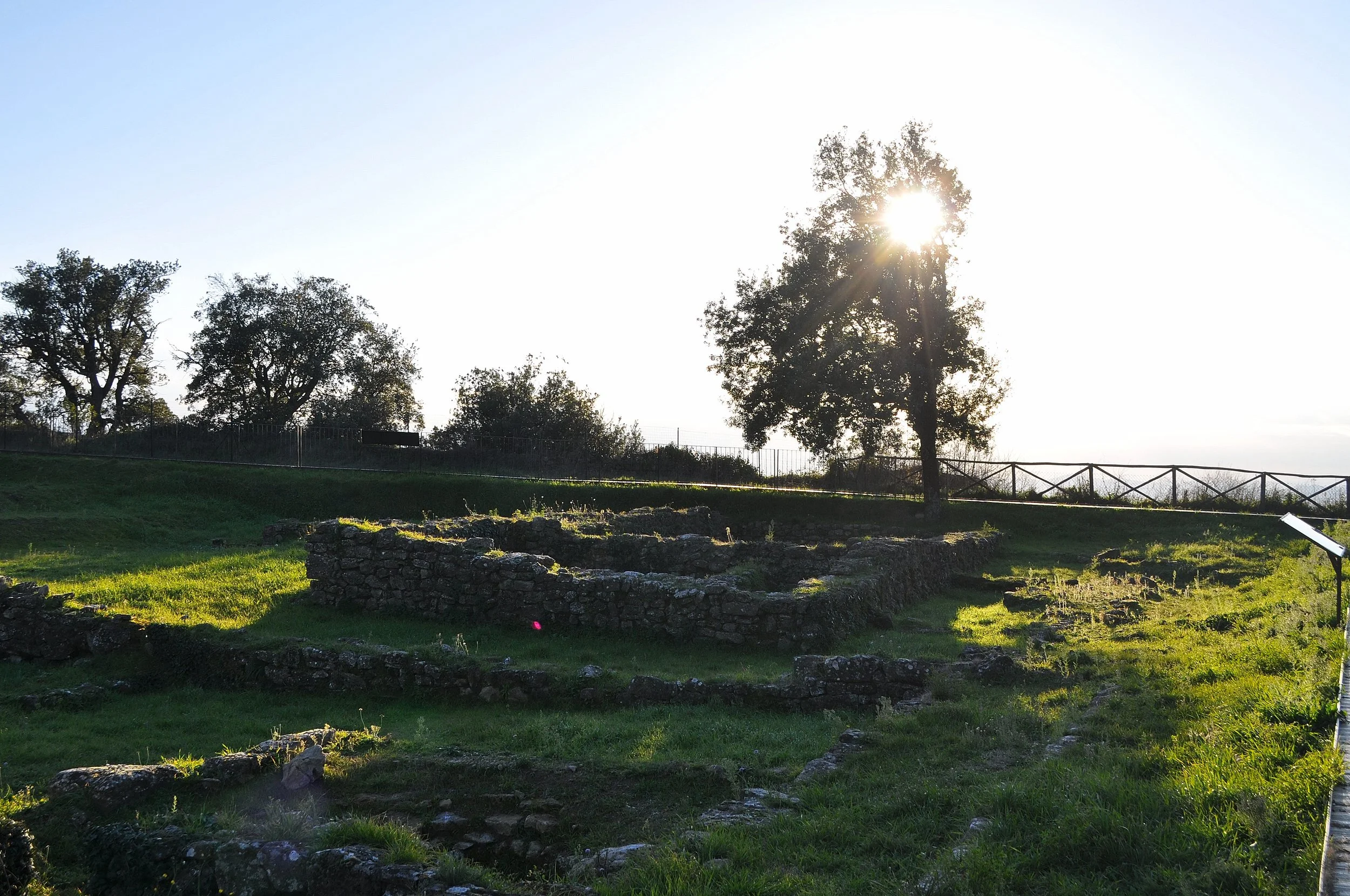
Piero: we descend along a path that takes us to a quieter area. The tombs, some chambered, carved into the ground, tell of an ancient and solemn world.
Angela: walking among the Etruscan tombs is a different experience compared to the city monuments. Here you sense the meaning of ritual, memory, and family. The alabaster urns, now in museums, once held the ashes of the deceased.
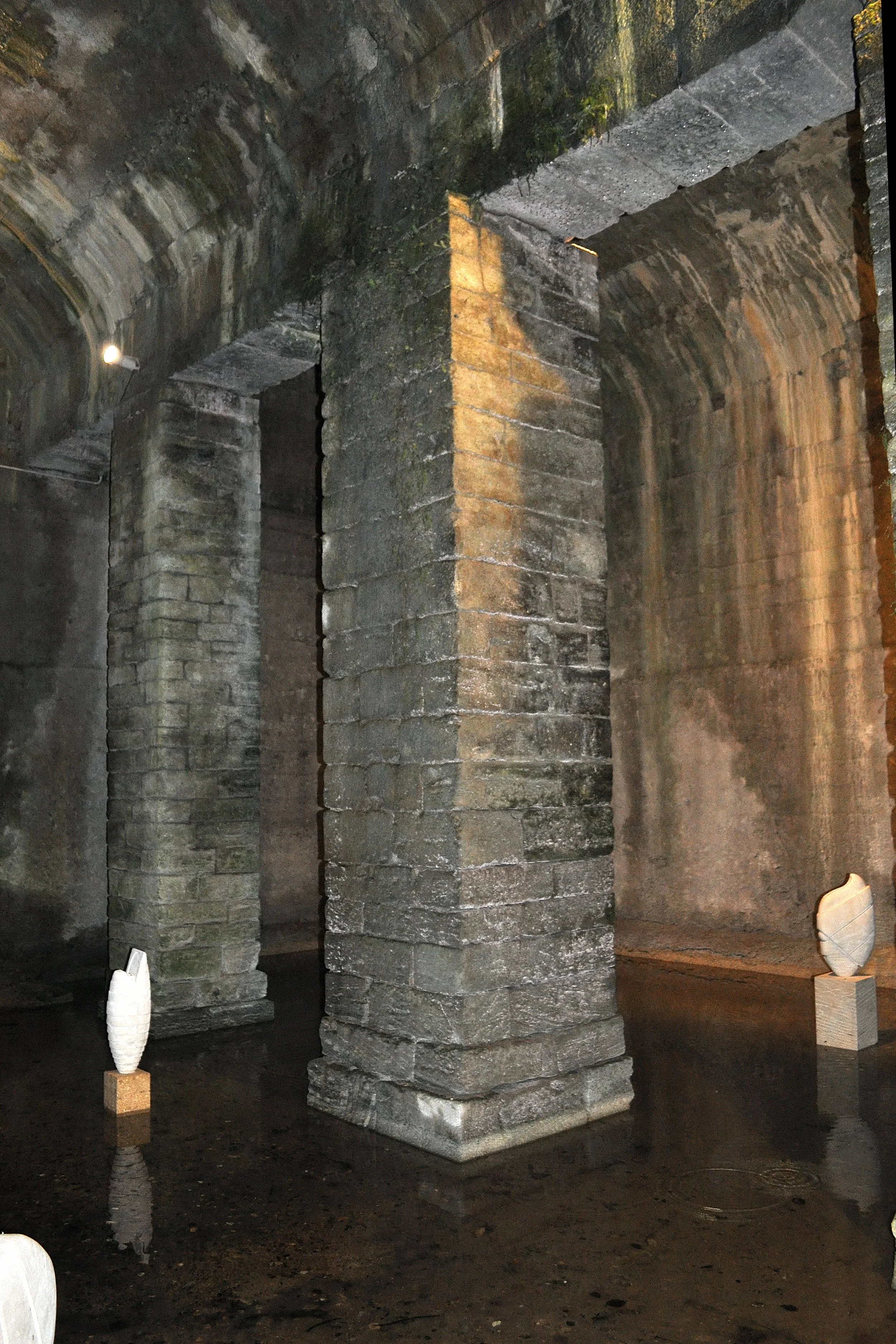
Piero: and then a surprising moment: the descent into the ancient aqueduct. We go down a narrow, damp, almost hidden passage, and find ourselves inside an extraordinary engineering work.
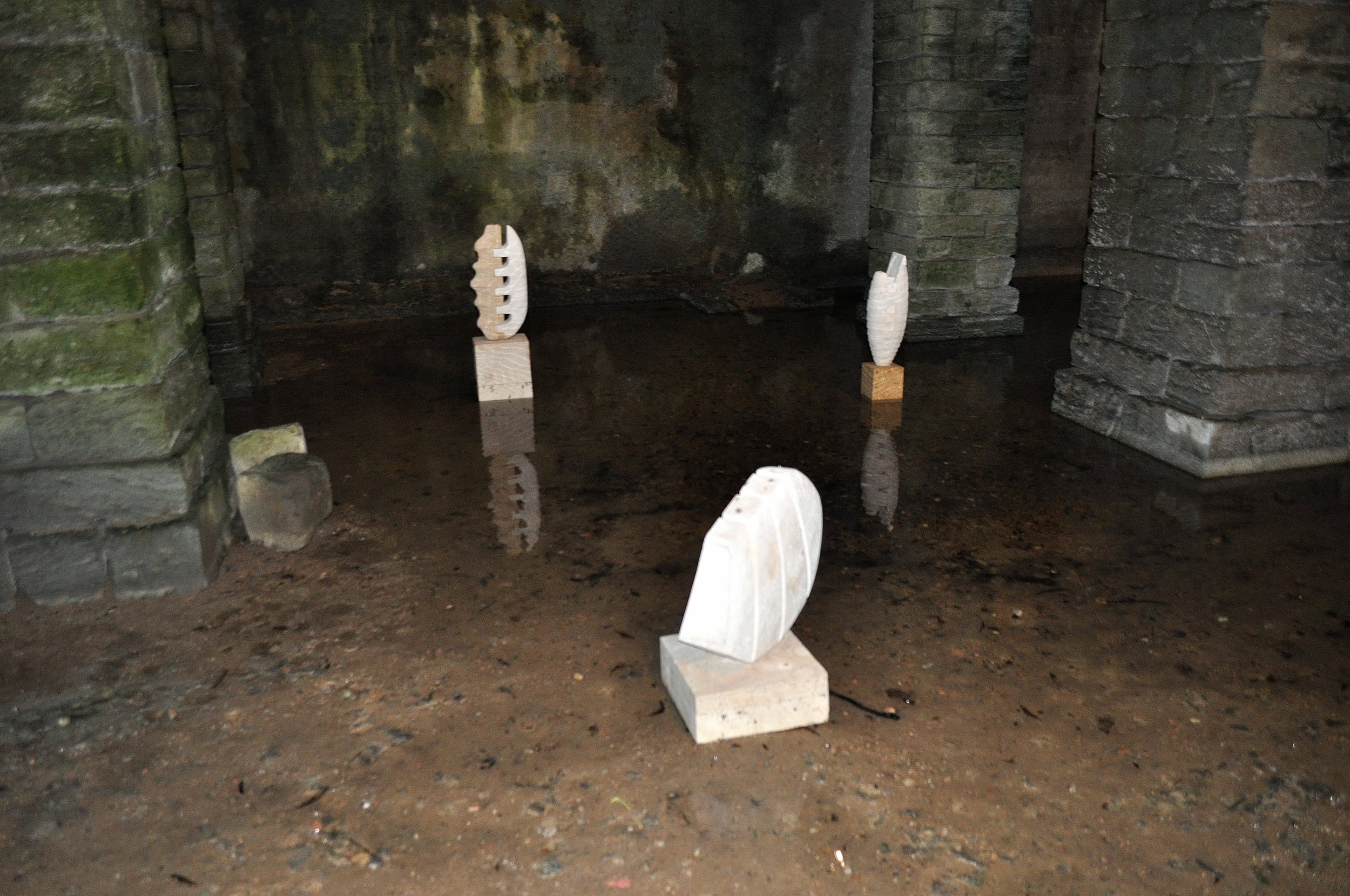
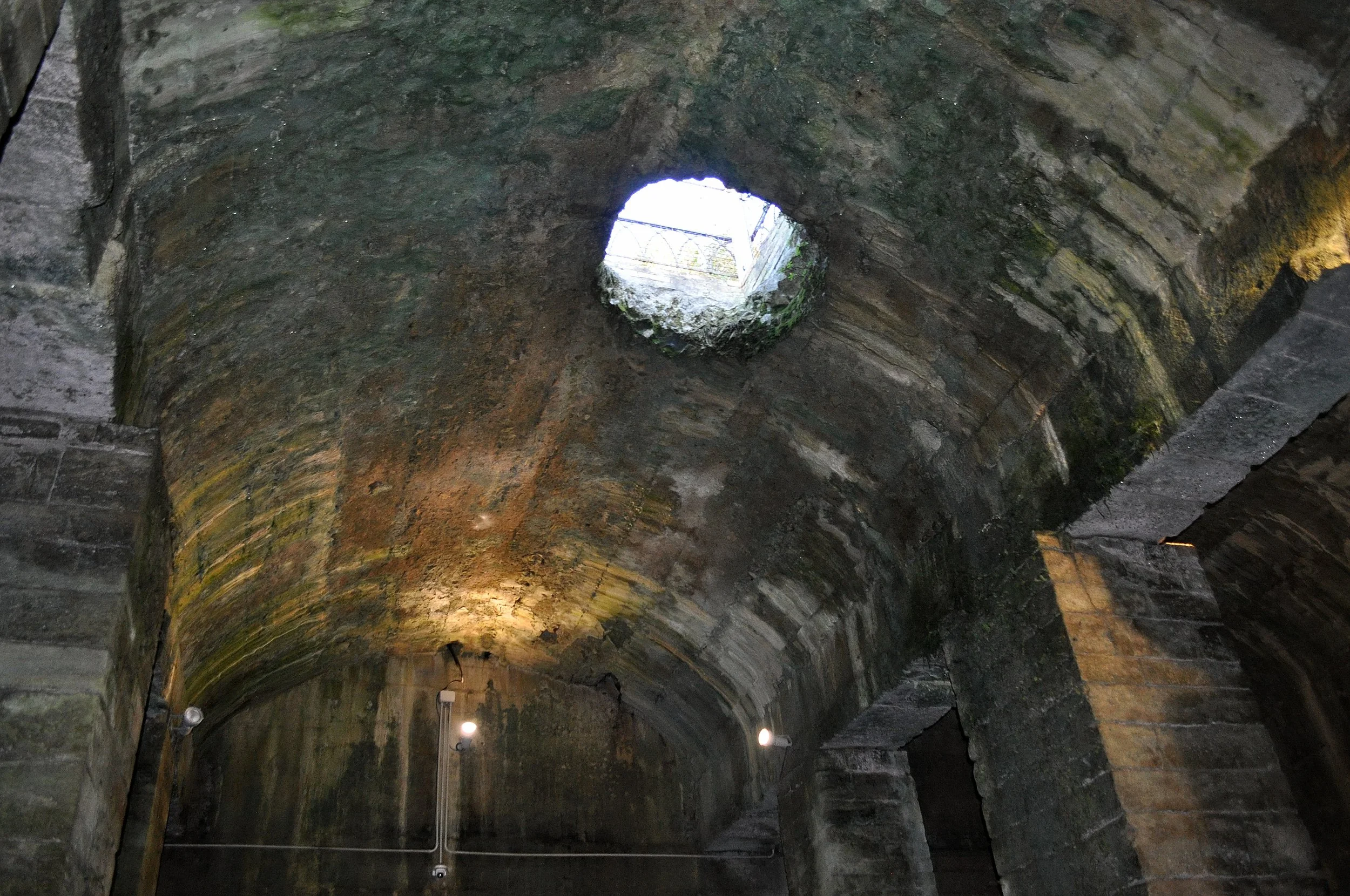
Angela: the close walls, the echo of our steps, the feeling of entering the hidden heart of the city: an interesting experience. Even the water, over the centuries, has helped shape the history of Volterra.
Piero: we ascend back to the light and return to the historic center. The streets are a constant up and down, with sudden views of the Tuscan hills, and houses in warm colors.
Angela: leaving the necropolis, we take the opportunity for a pleasant walk in the park.
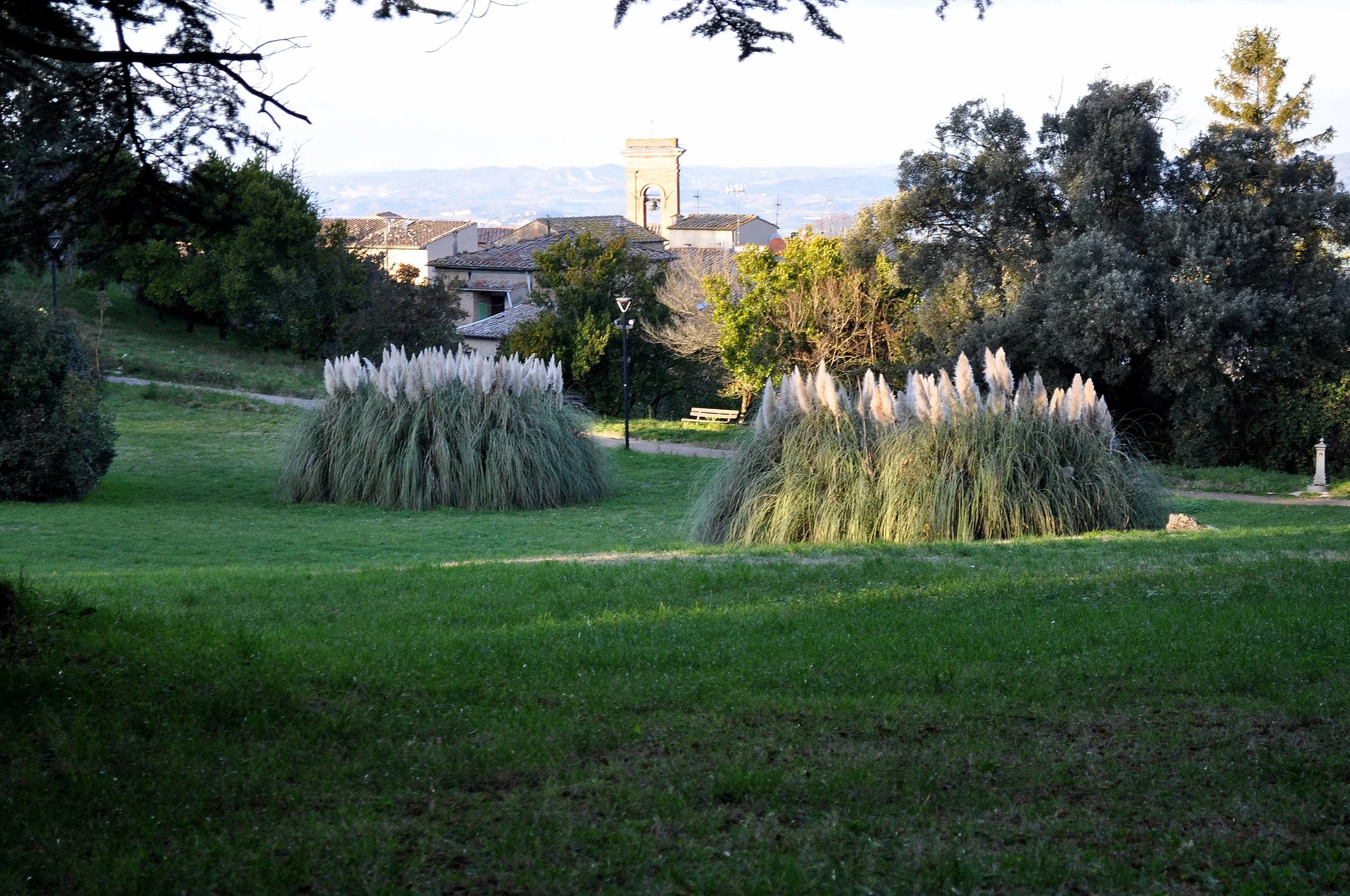
Piero: this green area offers us wide views of the city and the hills, when, suddenly, the massive silhouette of the Medici Fortress emerges.
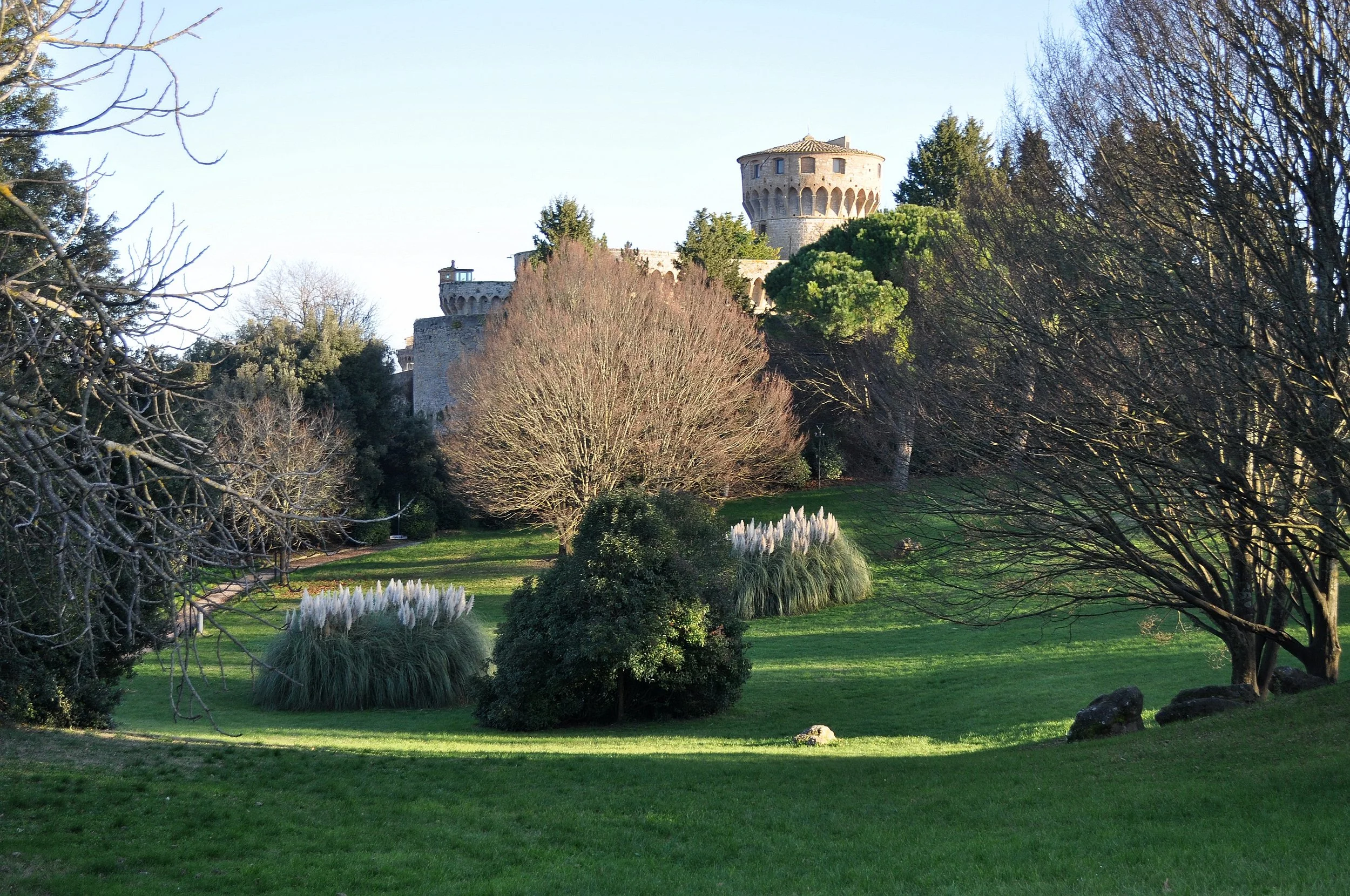
Angela: built after the Florentine conquest of 1472, the fortress is a symbol of Florence's control over Volterra. Today it houses the prison and, clearly, cannot be visited inside.
Piero: seeing it from the outside is striking. It is austere, closed, imposing, and tells a less romantic chapter of the city's history: the loss of autonomy.
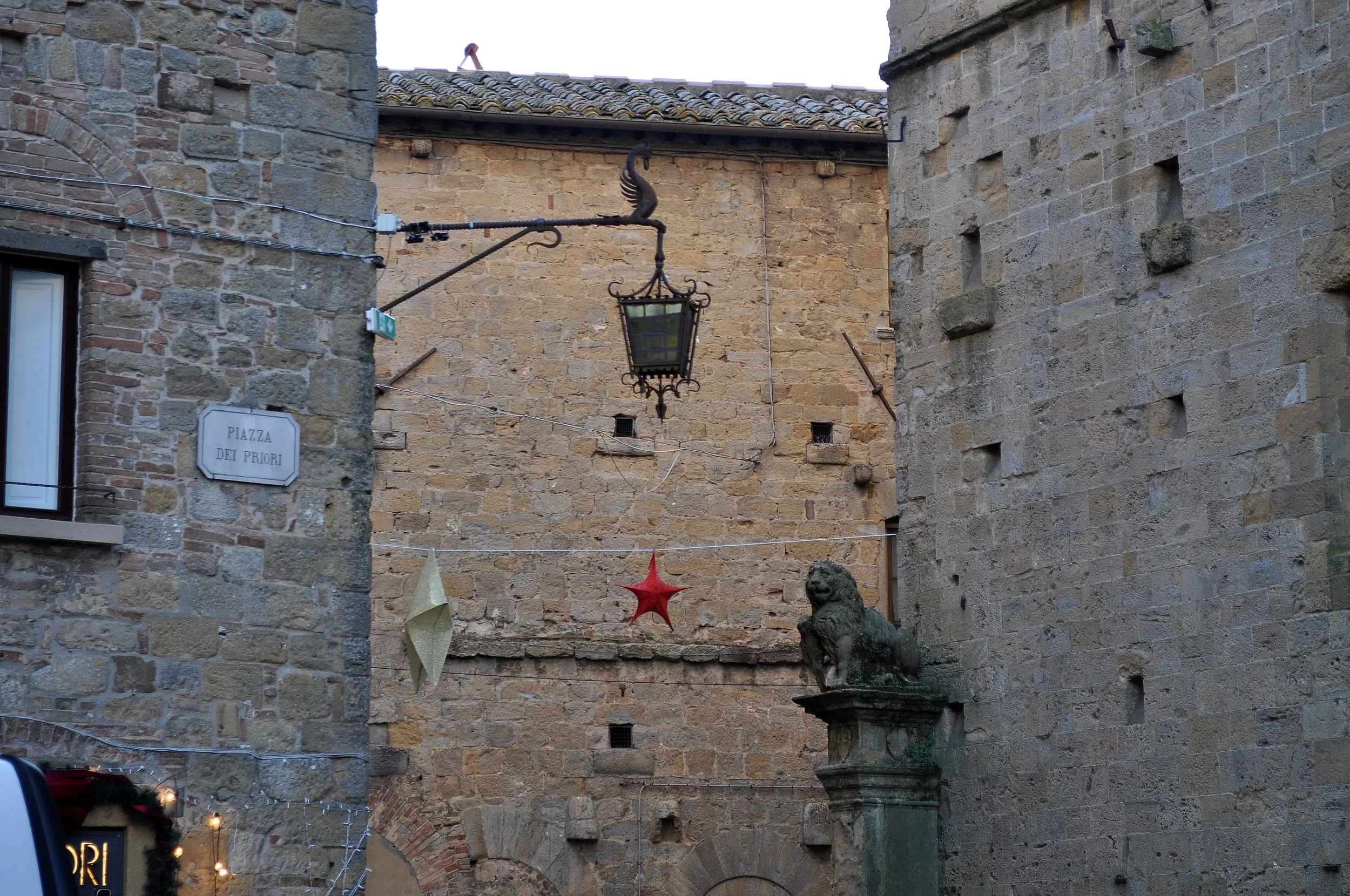
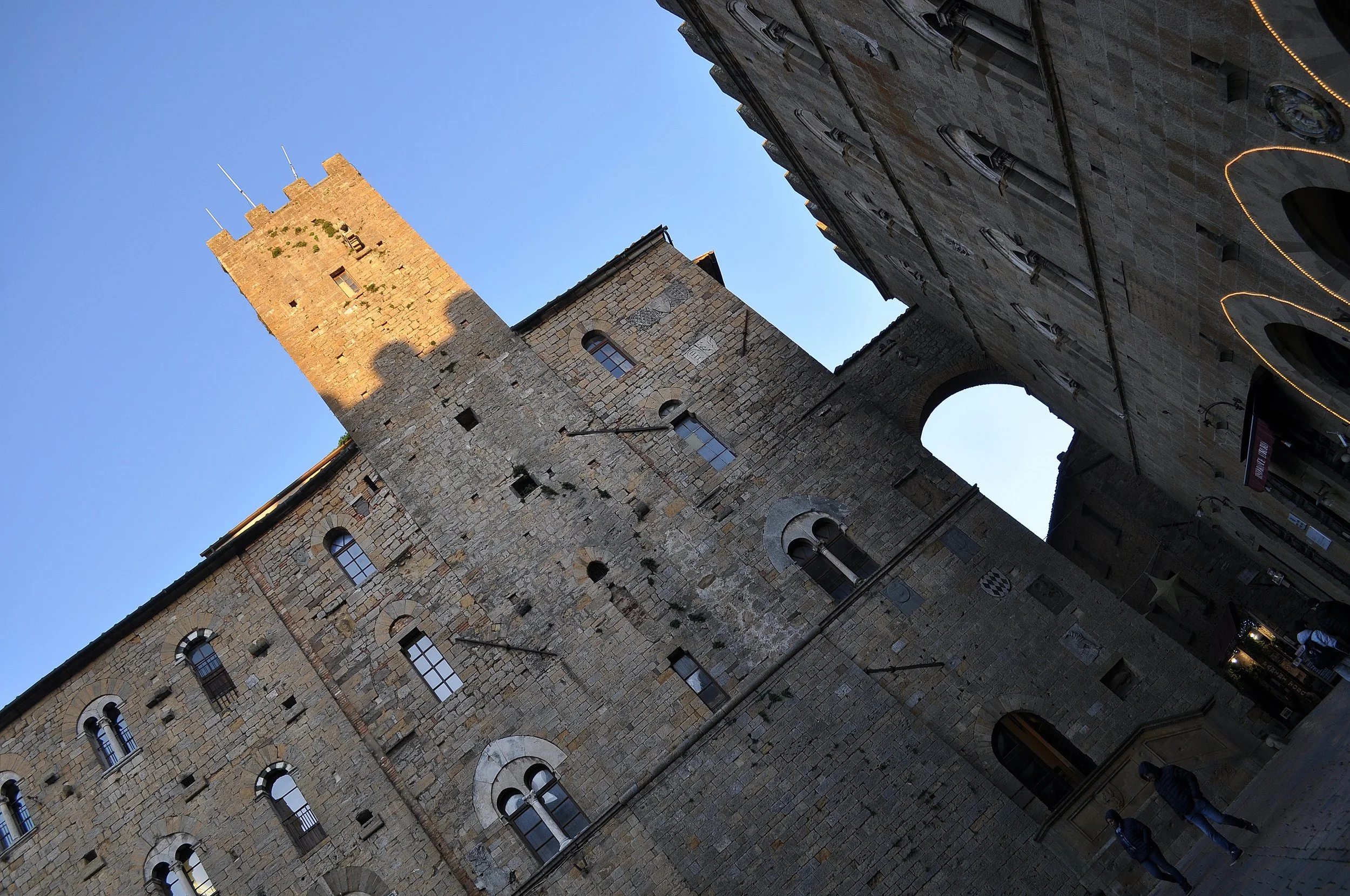
Angela: we arrive at Piazza dei Priori and pause for a moment of silence. The square is intimate yet solemn. The Palazzo dei Priori dominates, but does not overwhelm. Everything is proportioned, balanced.
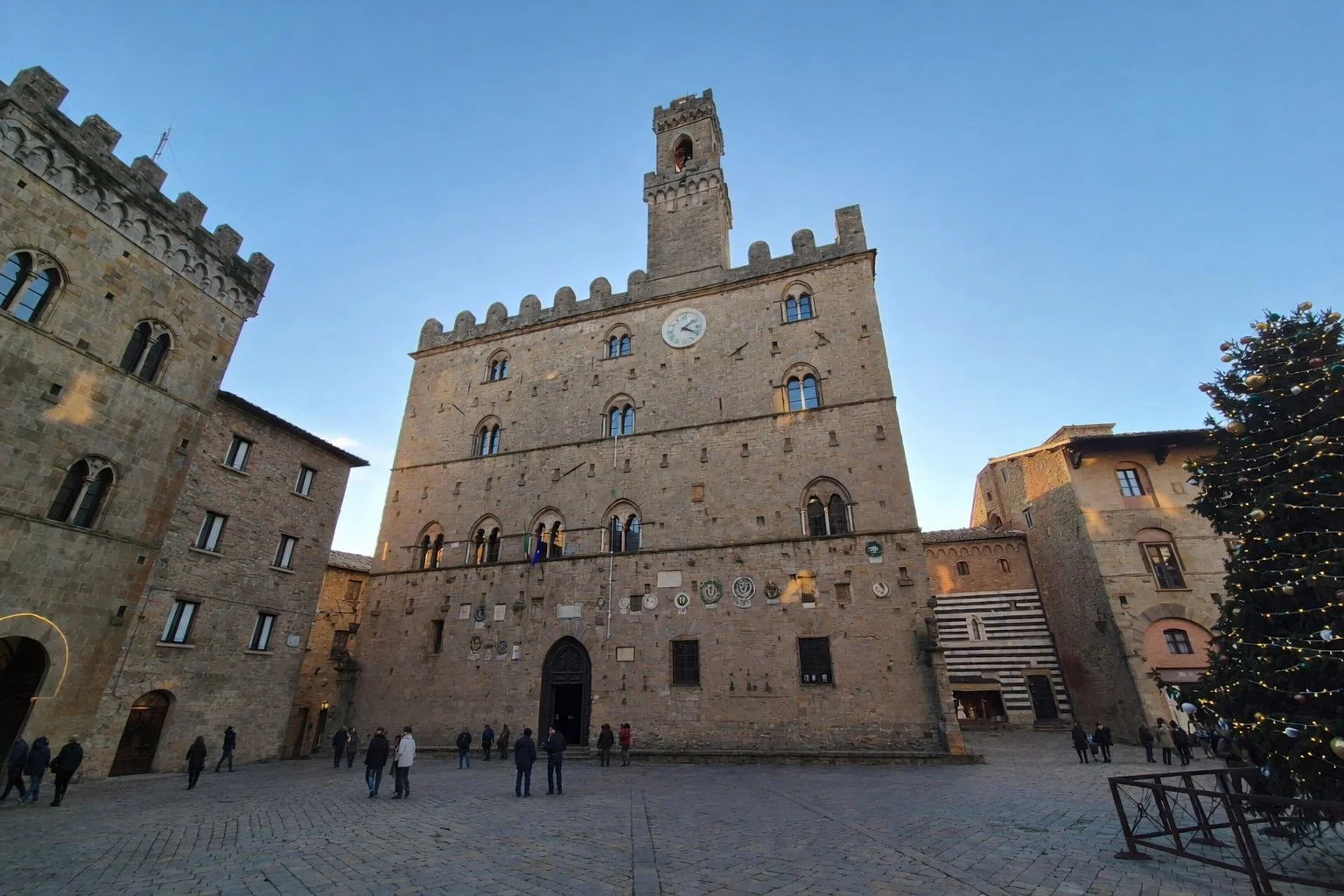
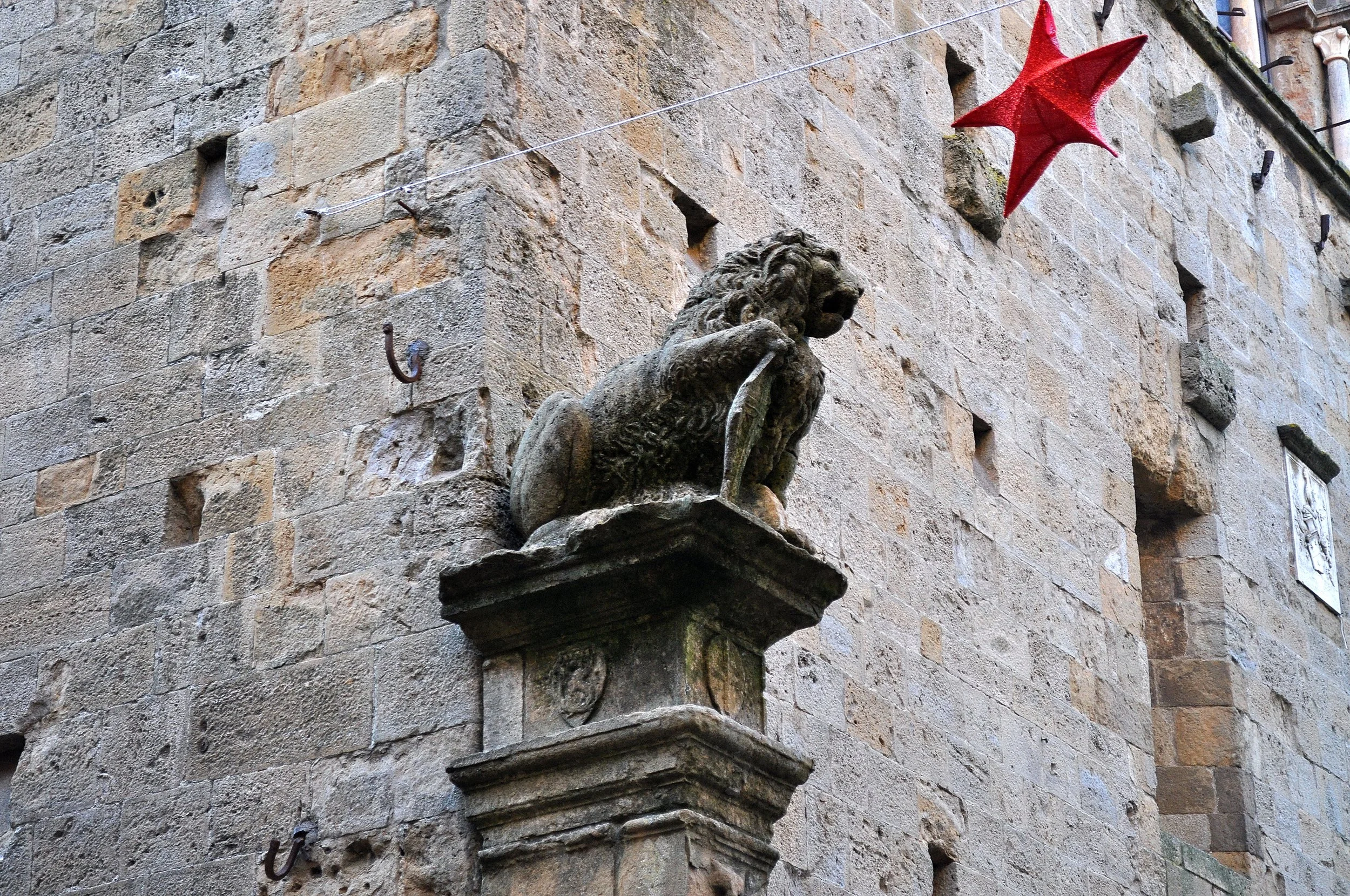
Piero: I enjoy observing the details: the coats of arms on the facades, the vertical lines of the towers, the shadows stretching in the winter afternoon.
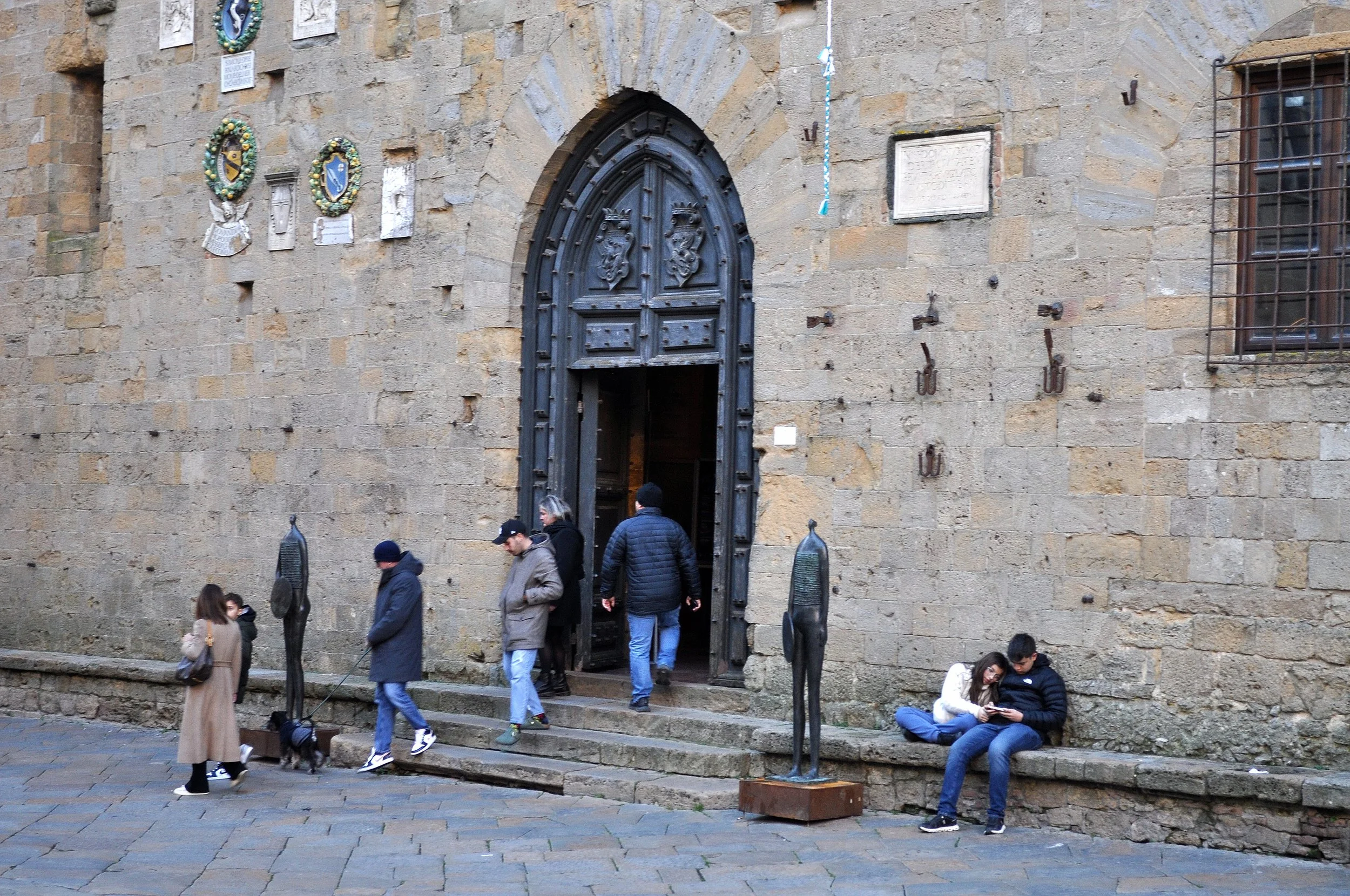
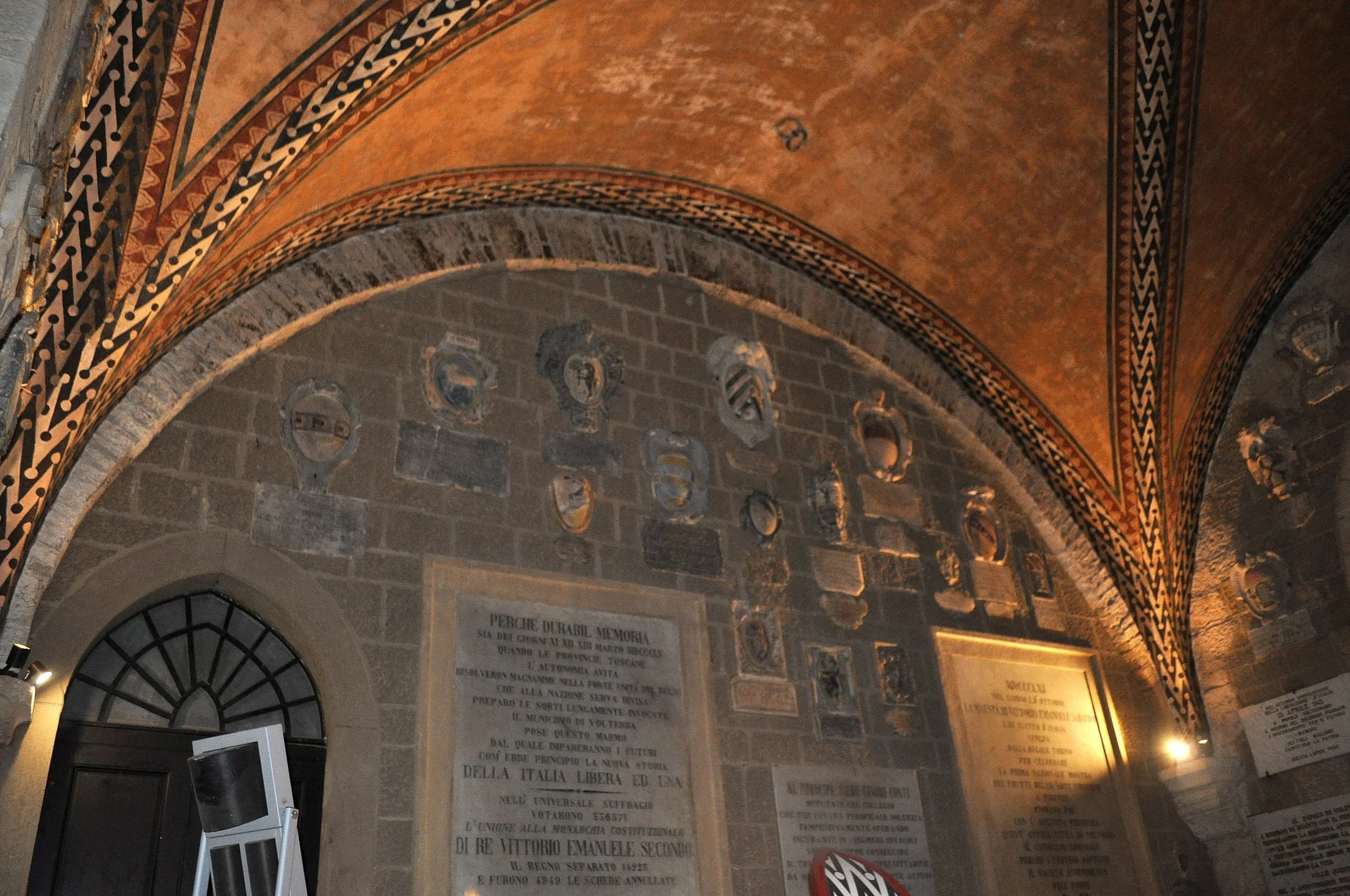
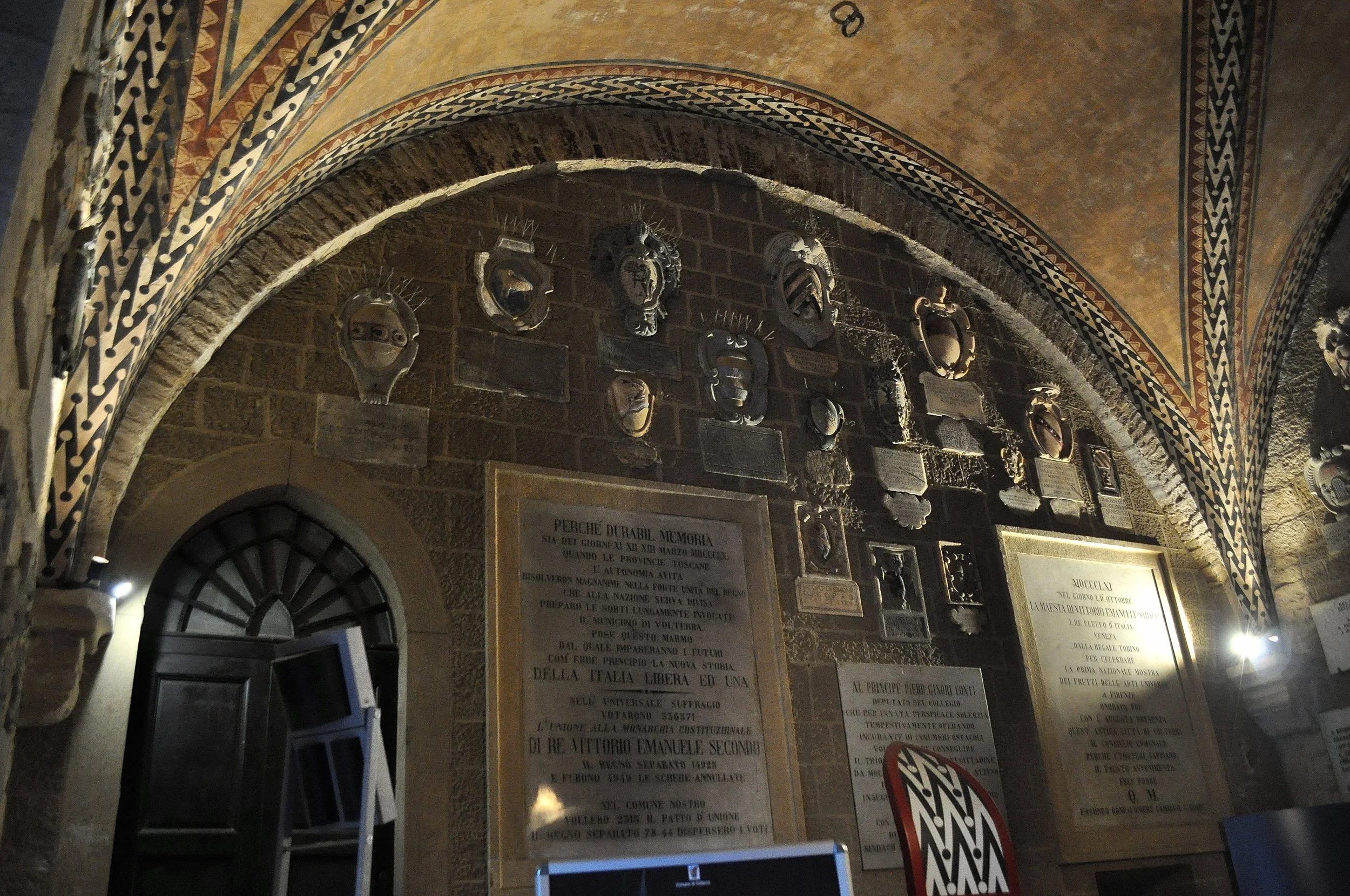
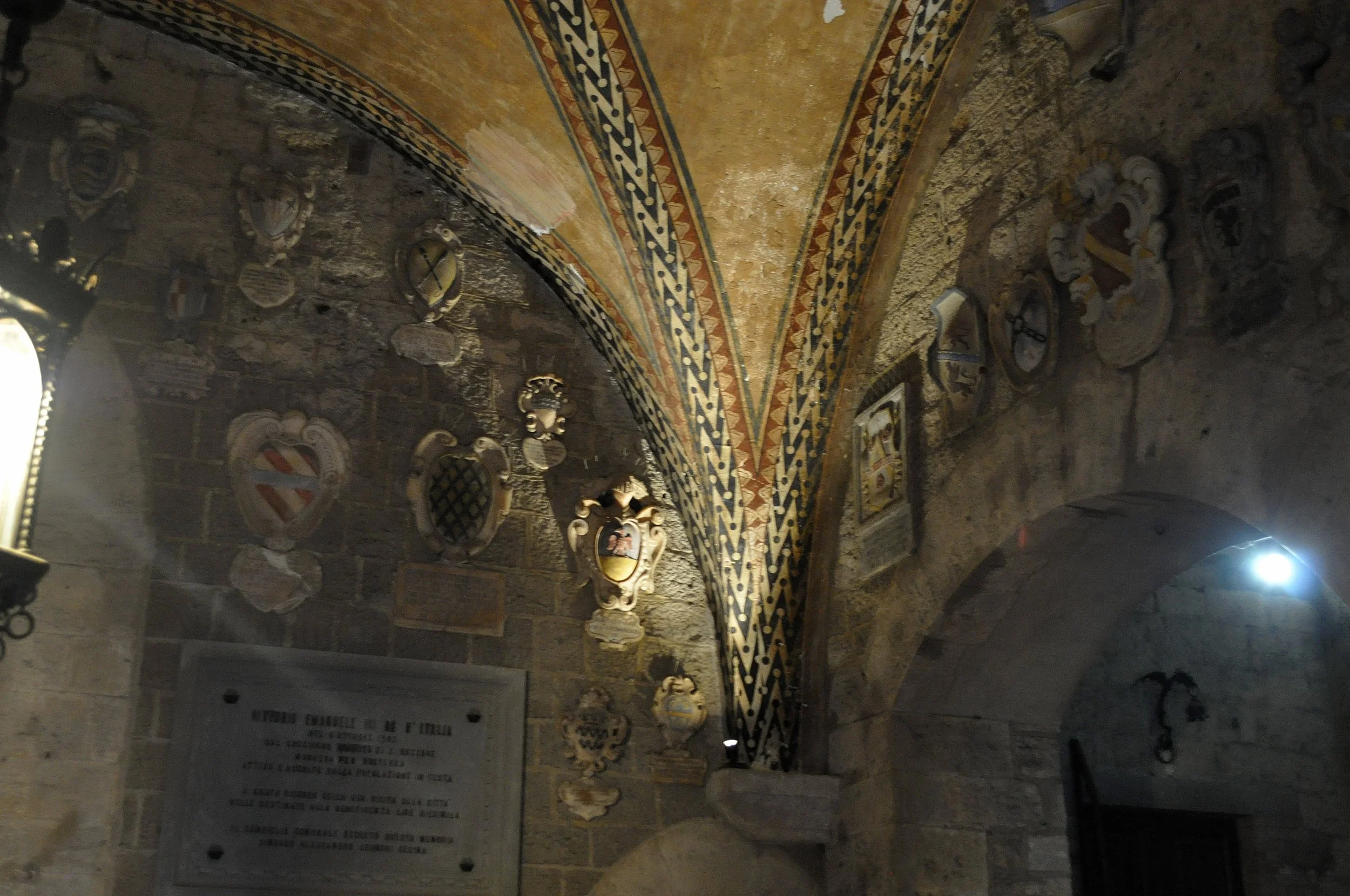
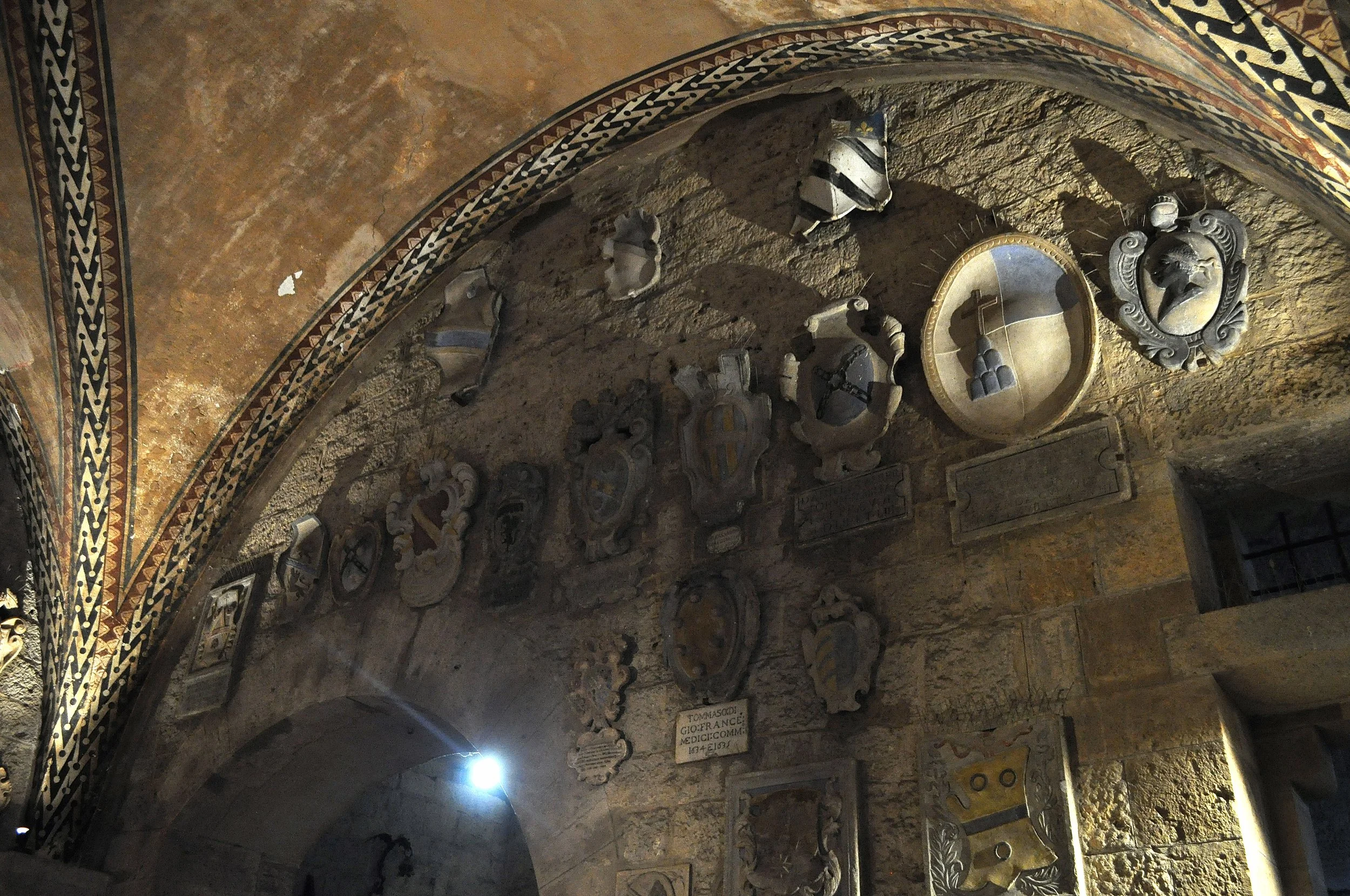
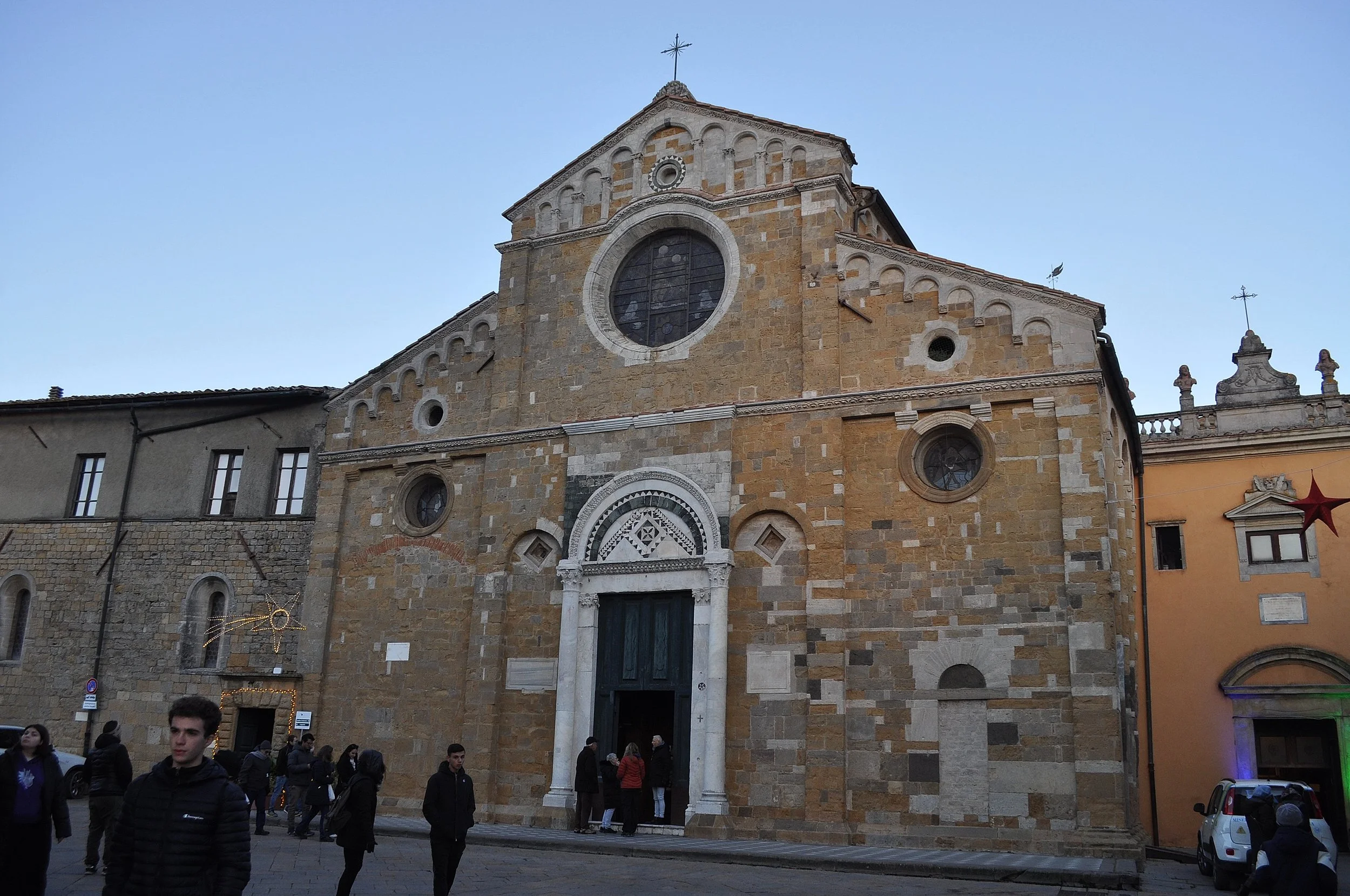
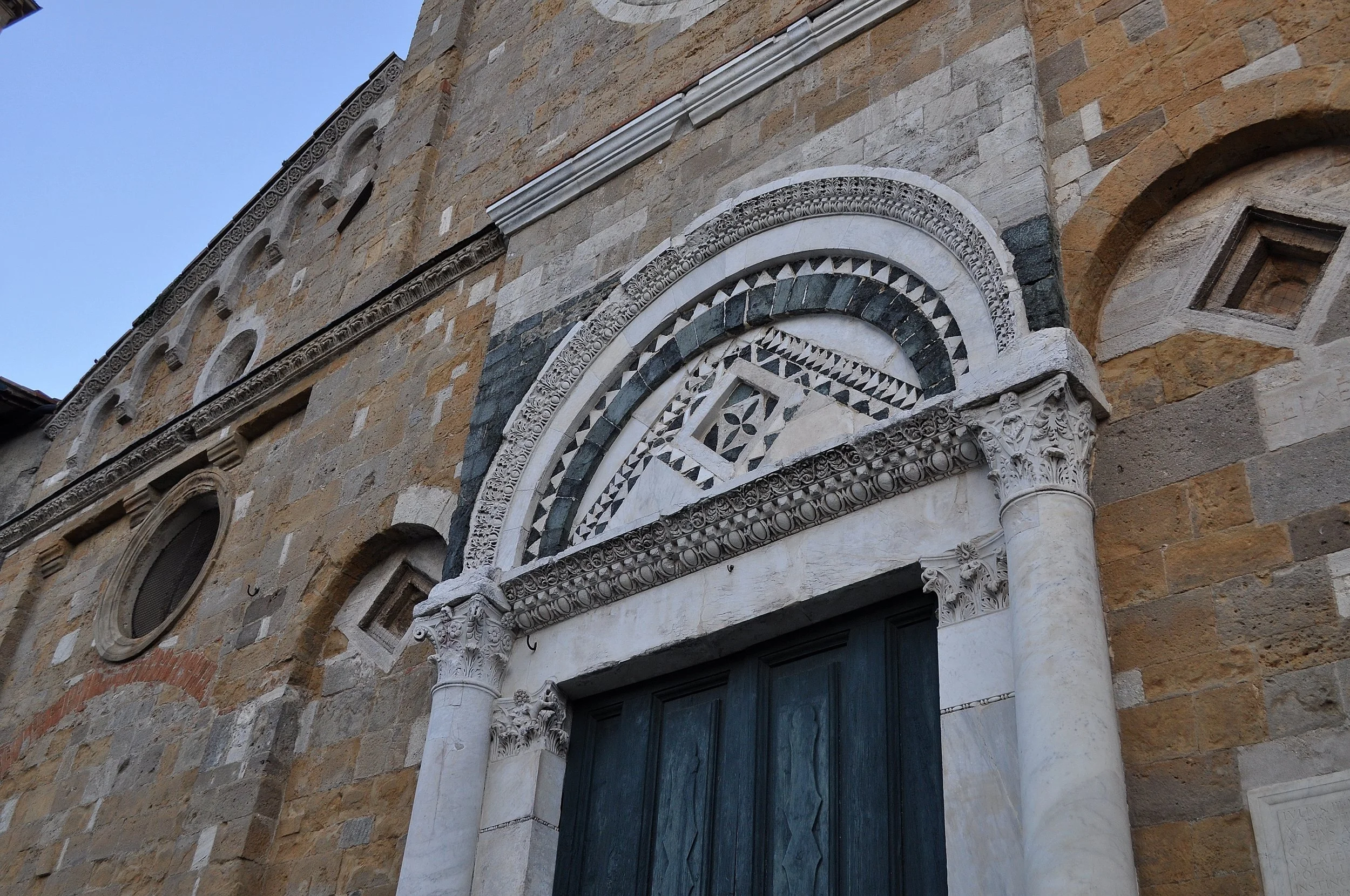
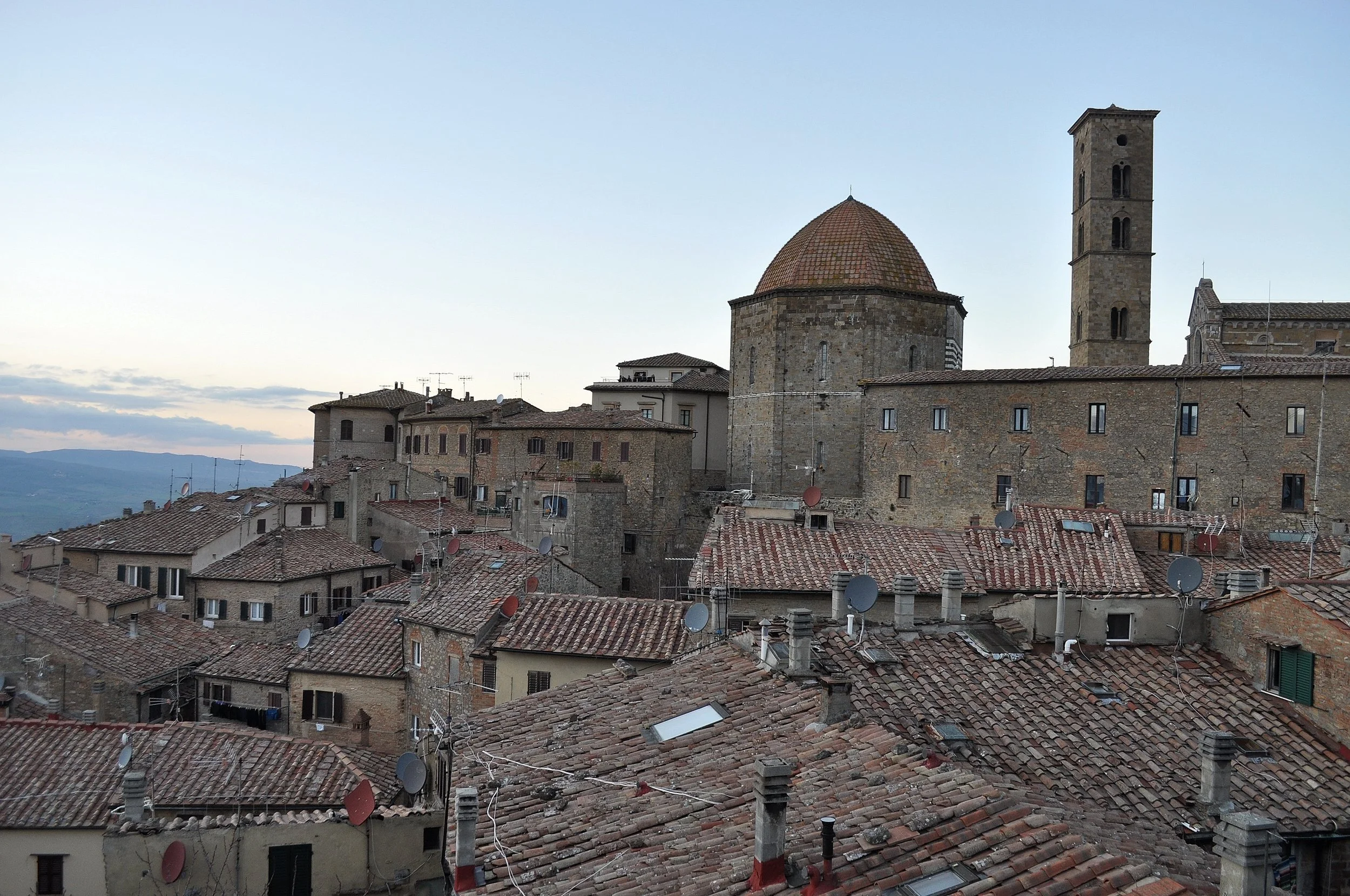
Angela: then we head towards the Volterra Cathedral, dedicated to Santa Maria Assunta. The exterior is Romanesque, simple, almost severe. Inside, the decorated ceiling and the chapels are filled with artworks, all within an intimate atmosphere.
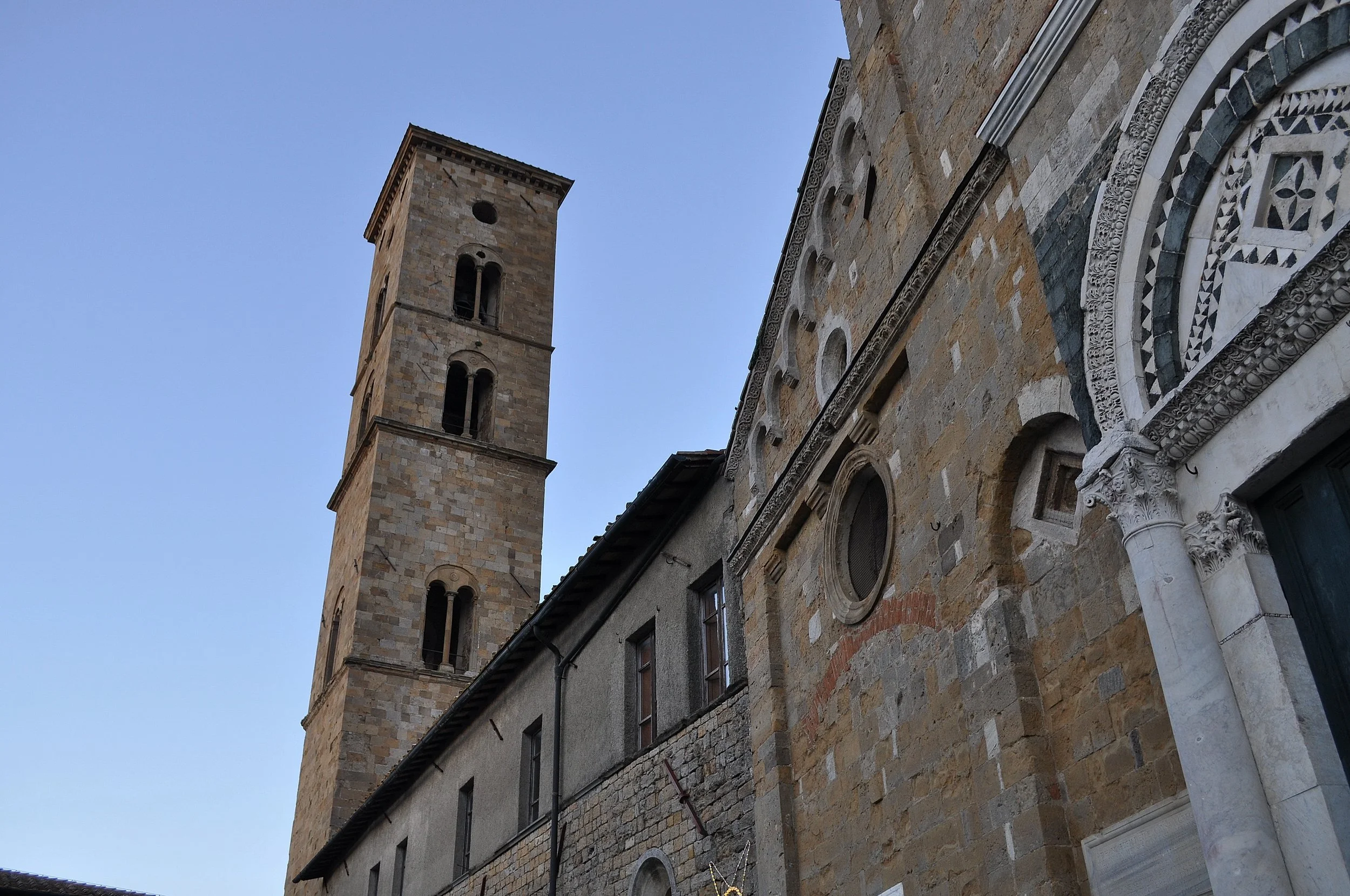
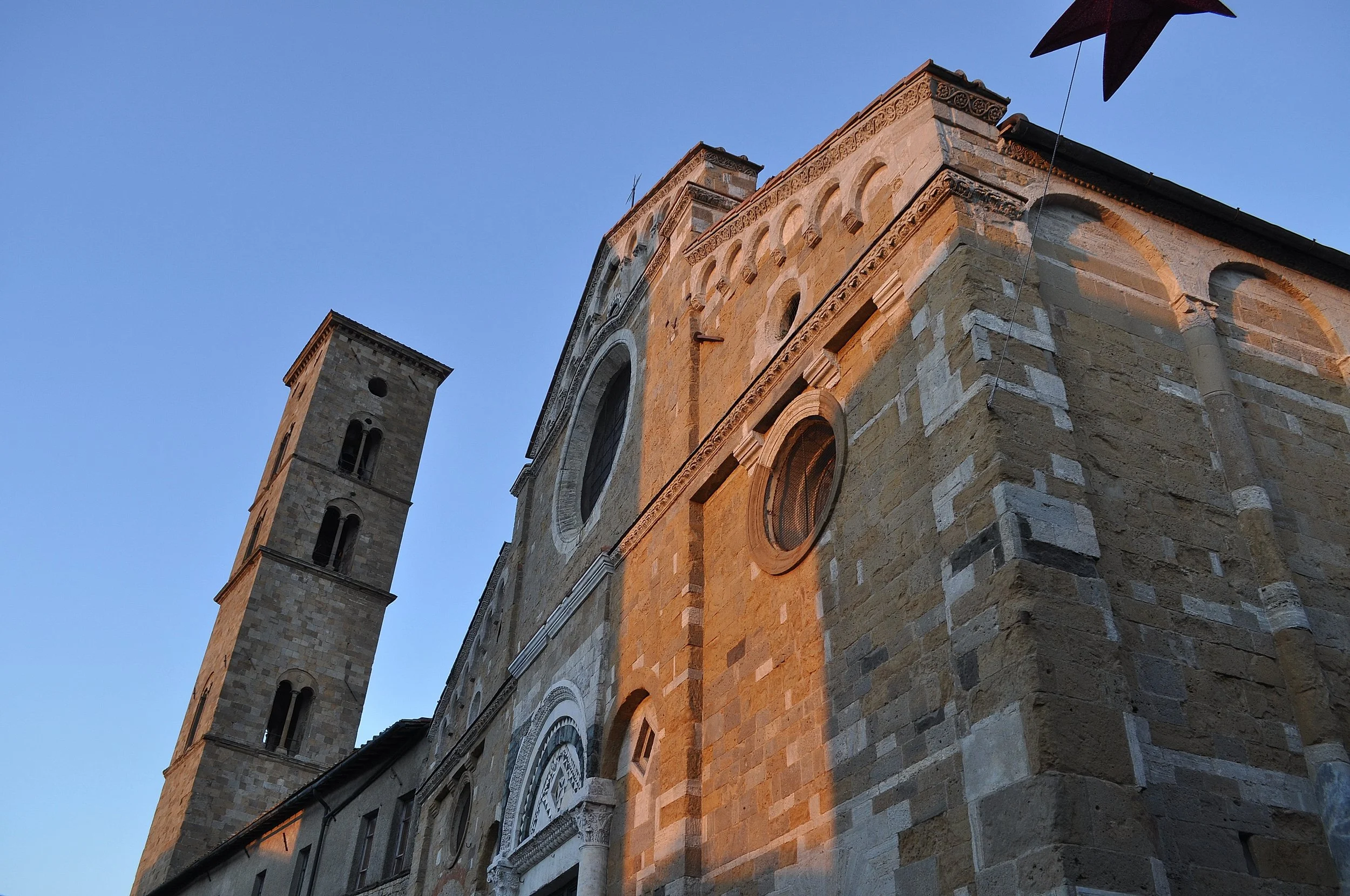
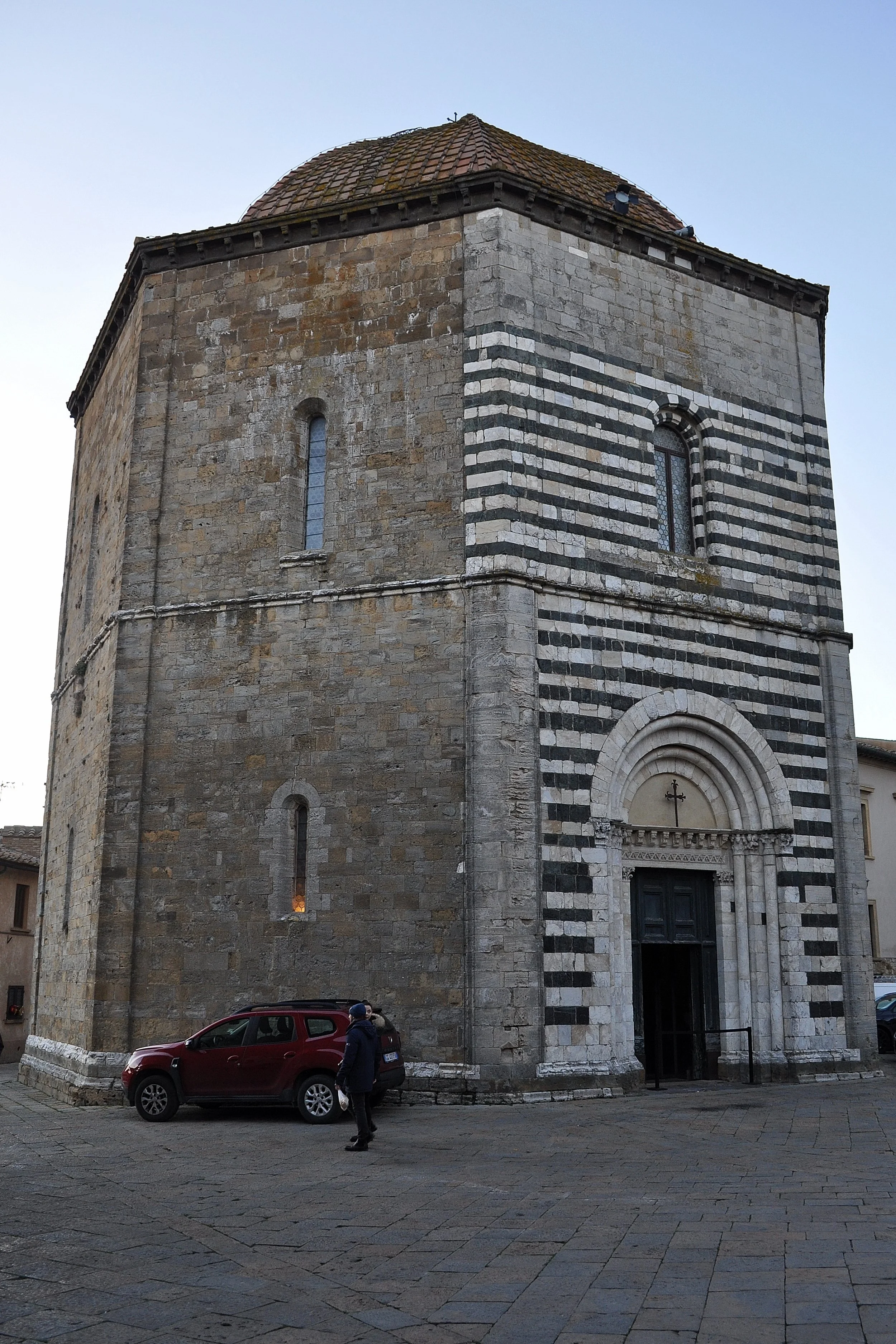
Piero: in front, the Baptistery, with its octagonal shape. It’s an architectural dialogue that tells the story of centuries of faith and community.
Angela: we continue walking without a specific destination. We enter a few alabaster workshops, admiring lamps, sculptures, objects that seem to capture the light. Here, alabaster isn’t just a souvenir: it’s tradition. We take the chance for a coffee and a good vinsanto: it’s cold, so why not…
Piero: what strikes me is the silence. Even during the Christmas season, Volterra keeps a slow pace. It’s not a city that reveals itself easily: it must be explored calmly.
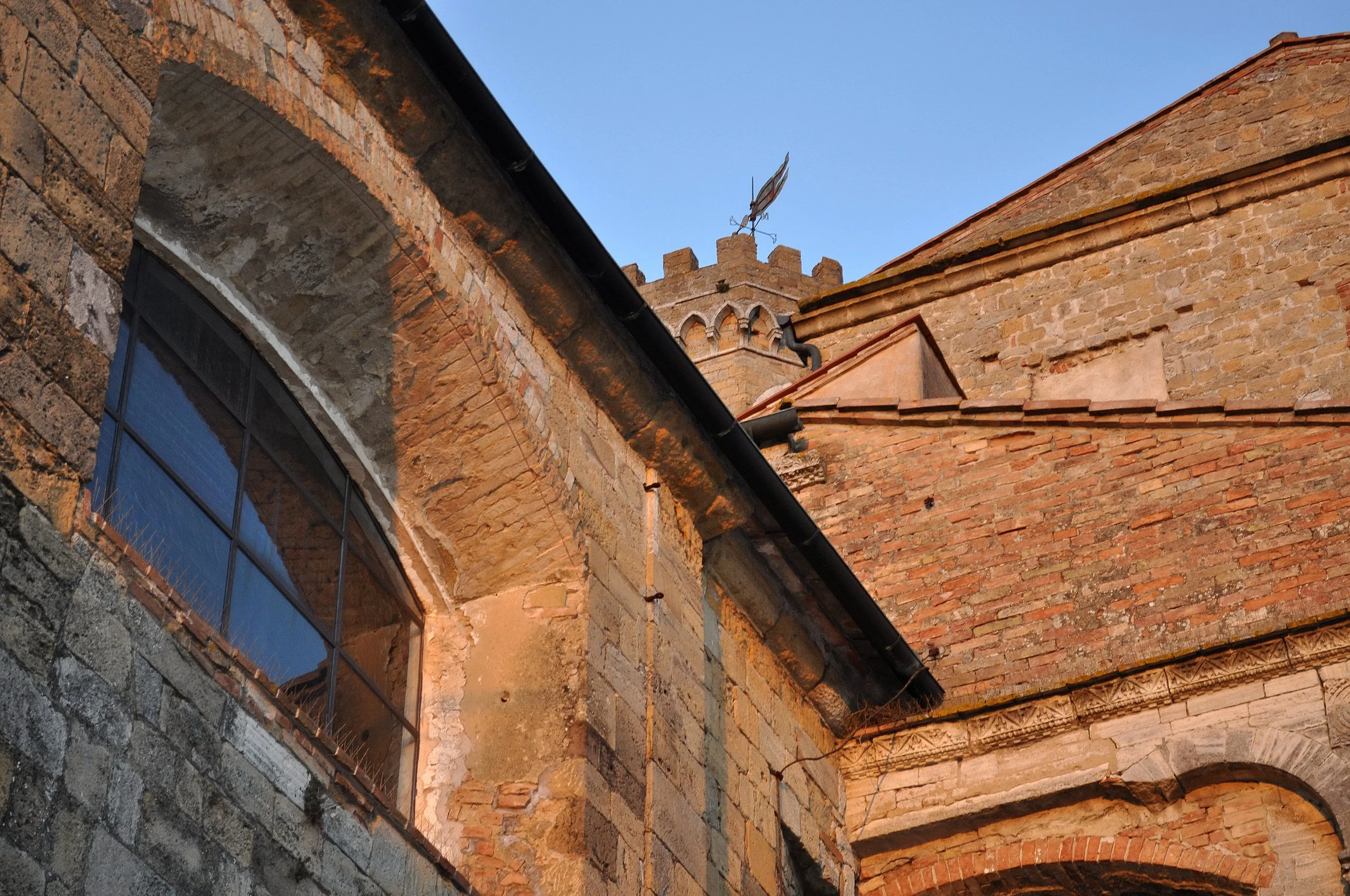
Angela: and every now and then, sudden views open up over the Tuscan hills, soft, endless, dotted with isolated farmhouses.
The sunset that closes the day
Piero: towards evening, we approach a panoramic point along the walls. The sun is setting.
Angela: the light changes quickly. First deep orange, then pink, then purple hues. The outlines of the buildings come alive.
Piero: the façades seem golden, shadows stretch, and the countryside transforms into a still sea of hills.
Angela: after Monteriggioni and San Gimignano, Volterra gives us something different: not just beauty, but depth, millennial memory, a sense of continuity that spans the centuries.
Piero: we stay there until the sun completely disappears. We don’t need to add anything else.
Angela: just one afternoon, yet so full. Volterra doesn’t just show itself: it invites you to understand.
Piero: and as the sky turns deep blue and the first lights come on, we realize this year-end sunset will be one of the most intense memories of our journey. Here, history is not a backdrop: it is a living presence, accompanying every step.
Angela: and speaking of steps, retrace all the ones we took in this short video.