Taormina
Alberto: it’s time to start the van, guys! We need to continue our journey discovering Sicily.
Angela: we’re ready! What’s our next destination?
Alberto: we’re moving from one symbol of Sicily to another: from the iconic mountain, Mount Etna, to perhaps the most famous seaside town in Sicily in the world.
Piero: I imagine you’re referring to Taormina.
Angela: exactly. It may not be the most original destination, but you can’t go to Sicily without taking a stroll through Taormina.
Alberto: you’ll see, it won’t disappoint you; Taormina isn’t just about glamour—there you’ll find all the elements you look for in your travels!
Angela: let’s go then! I’m starting the engine…

Taormina, here we come!
Alberto: once again, we’re heading towards Catania: it will take just over an hour to reach Taormina. We’ll travel almost the entire route on the motorway: the A20 towards Messina, then the A18 towards Catania, and we exit right at Taormina.
Angela: how should we plan our day?
Alberto: before reaching Taormina, I was thinking about a stop at the beach. Not just any beach, though—one of the most beautiful of all: the one facing Isola Bella!
Angela: fantastic! I can’t wait to get there…
Alberto: you’ll need a little patience: getting there isn’t difficult, but parking can be quite a challenge. Illegal parking is not advisable (a fine is almost certain!), so it’s better to rely on one of the many private parking areas (and not exactly cheap) along the road.
Isola bella
Angela: the view from the road is already enchanting: a wonderful little island, lush with vegetation, surrounded by crystal-clear sea.

Piero: it’s a very unique island: depending on the tides, a thin strip of sand can directly connect it to the mainland.
Alberto: we reach Isola Bella by walking along the short path from the beach. Today the water level is particularly low and allows us to walk on dry sand. On days of high tide, however, the water rarely rises above the knees.


Piero: the island owes its name to the German baron Wilhelm von Gloeden, who introduced this “pearl,” as he called it, and all of Taormina to the world through his photography.
Angela: to access the island, you pay a modest entrance ticket: it’s absolutely worth it!
Piero: the first historical references to the islet date back to 1806, when Ferdinand I of Bourbon, King of the Kingdom of the Two Sicilies, donated it to the Municipality of Taormina. Around 1890, the island was purchased by a wealthy English noblewoman, Florence Trevelyan, who had been exiled to Sicily by Queen Victoria of the United Kingdom because of her relationship with her cousin, the future King Edward VII. It is precisely to Florence Trevelyan that the island owes its present beauty: she introduced various species of exotic and tropical plants, which blended with the native Mediterranean vegetation, creating a unique environment and landscape. From Mrs. Trevelyan’s heirs, the island was sold in 1938 to the Bosurgi family, well-known industrialists from Messina. Circumventing a building ban imposed by the municipality, they managed to construct a house nestled among the rocks and covered with dense vegetation. Following the bankruptcy of the family businesses, the island was put up for auction and, after several legal disputes, in 1992 it was purchased by the Sicilian Region, becoming part of the public state property.
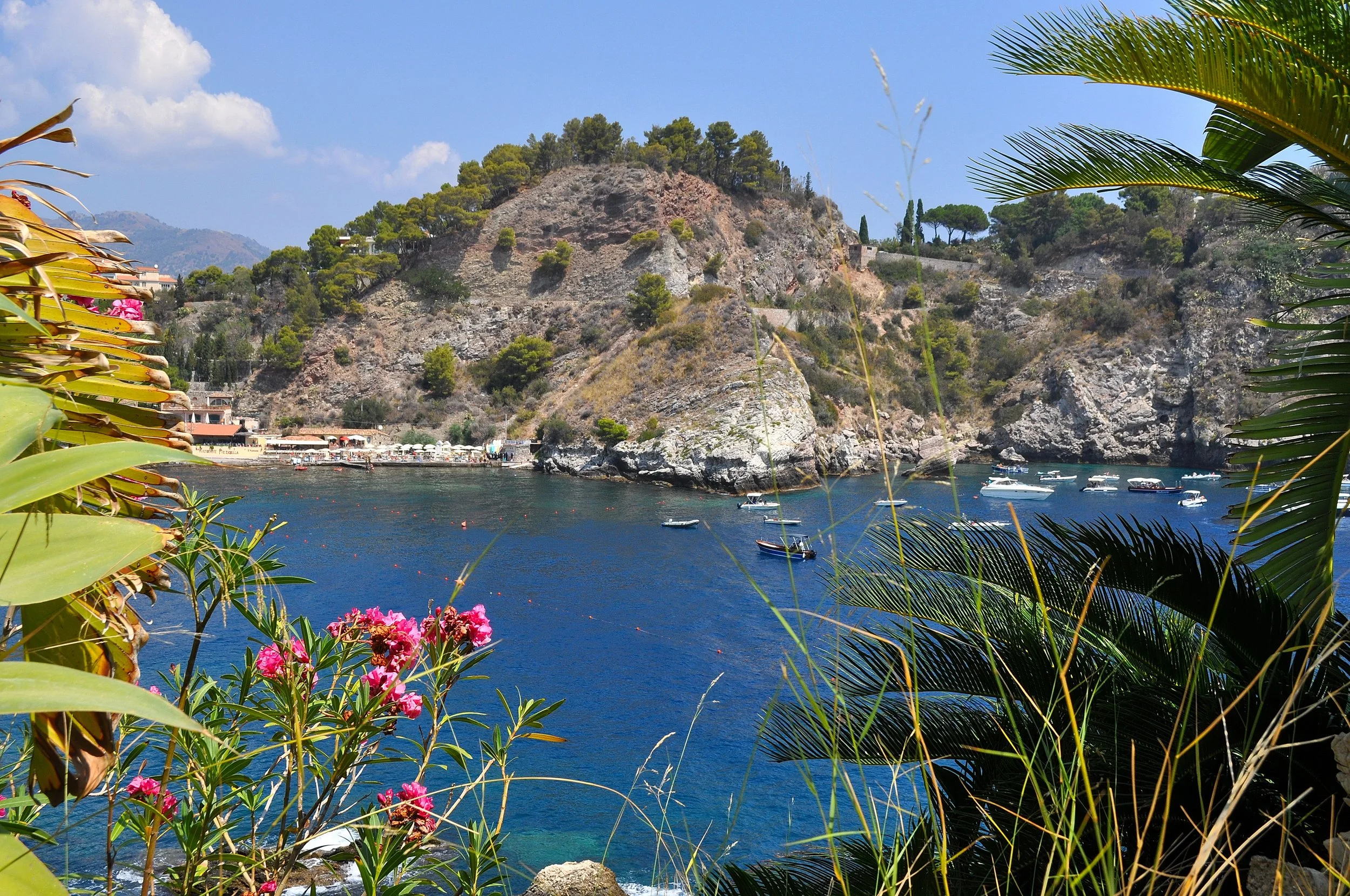
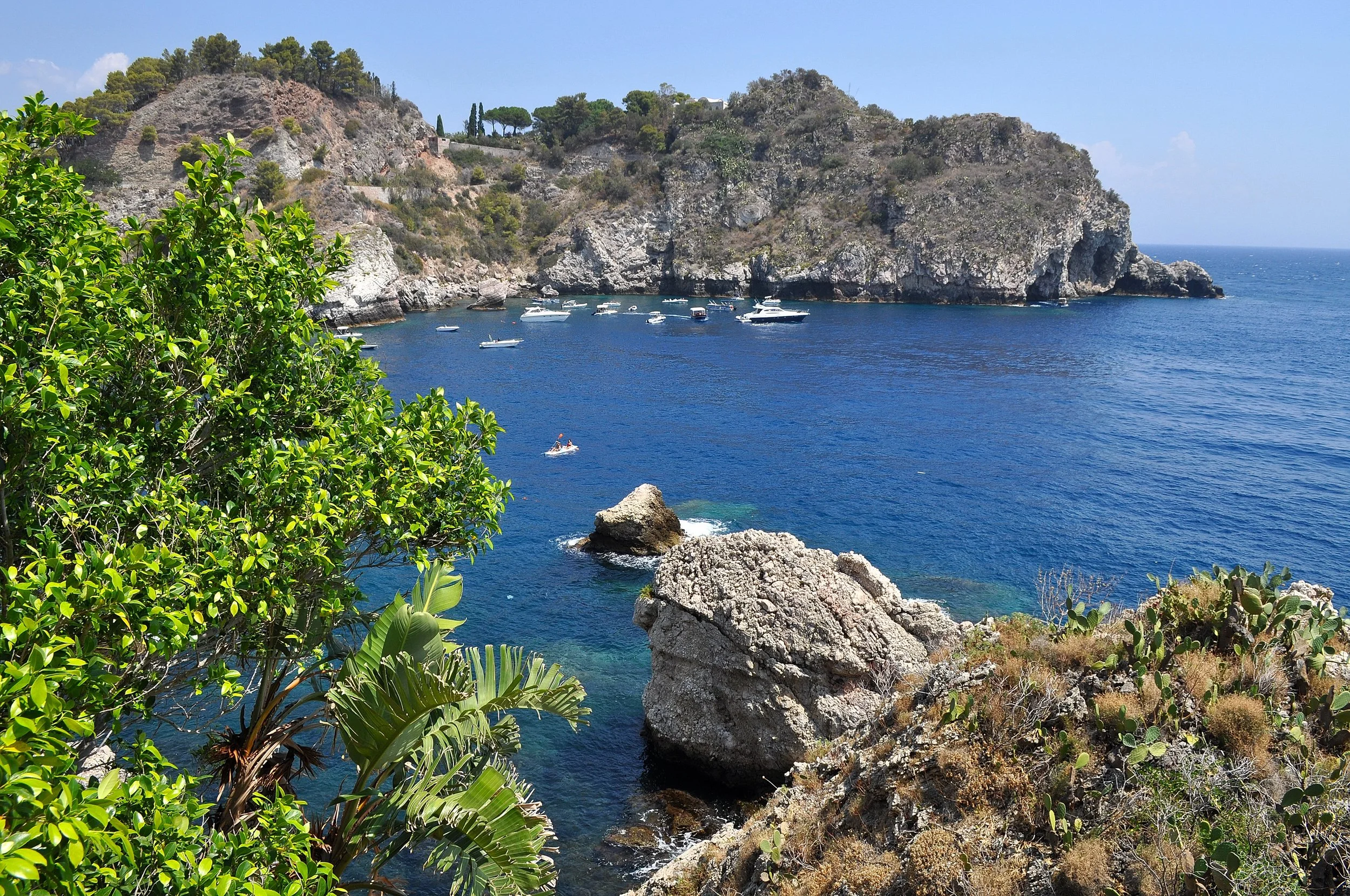


Angela: during our visit, we can truly admire all its splendor as the result of its history: on one side, the richness of the flora with the stunning crystal-clear sea as a backdrop; on the other, this maze of structures carved into the rock, with a series of overlapping rooms and terraces, connected by internal and external staircases, vaults, and hidden passageways lined with stone. All of it in perfect harmony between nature and architecture.

Alberto: once our visit to the island is over, we cool off with a fantastic swim in this wonderful sea.
Piero: while we soak up some sun on the beach, we’re drawn to the many signs offering short boat tours along the coast and around the island. The prices are relatively low, and the promise of seeing the beauty of this sea from another perspective easily wins us over.
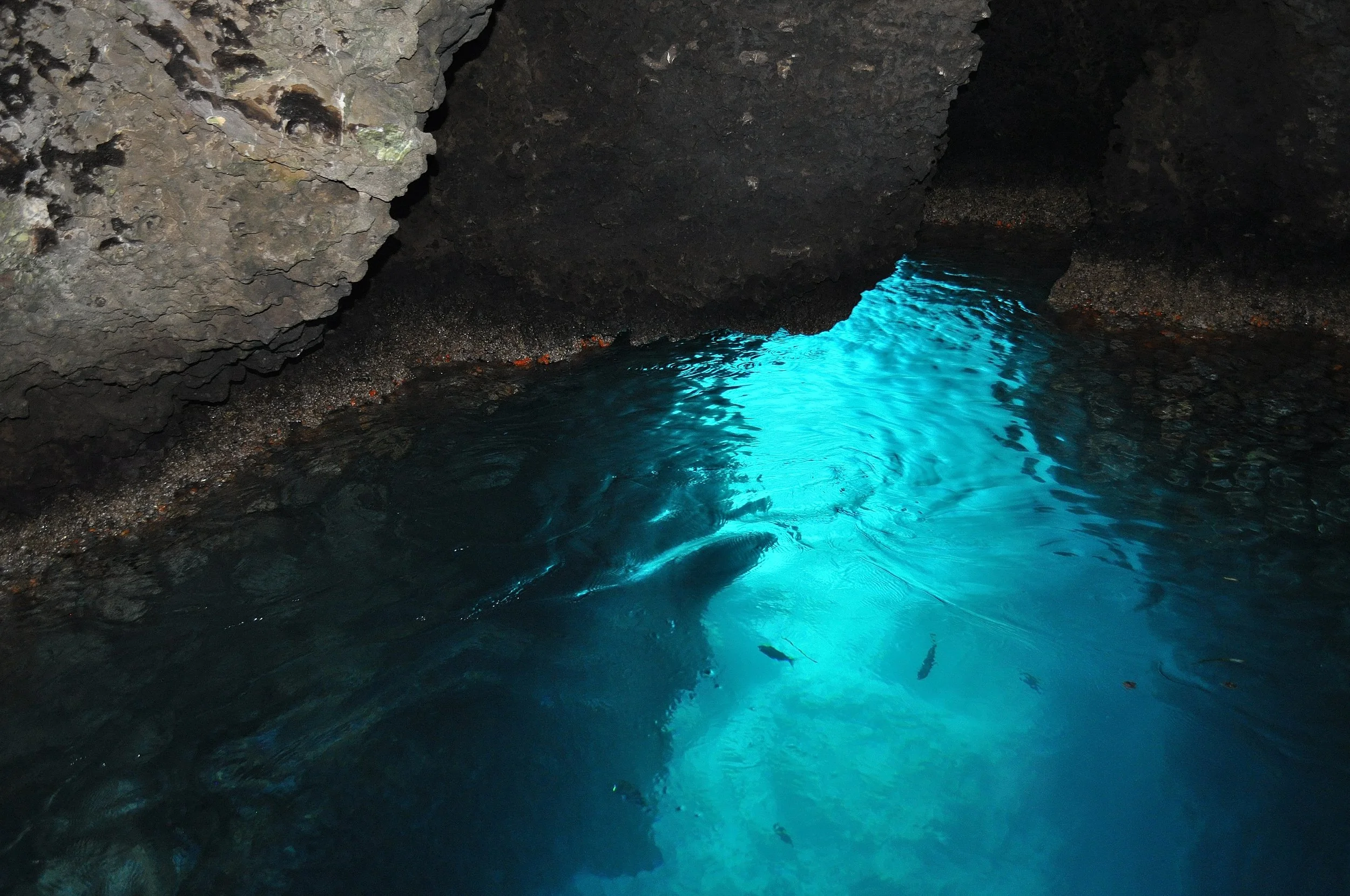
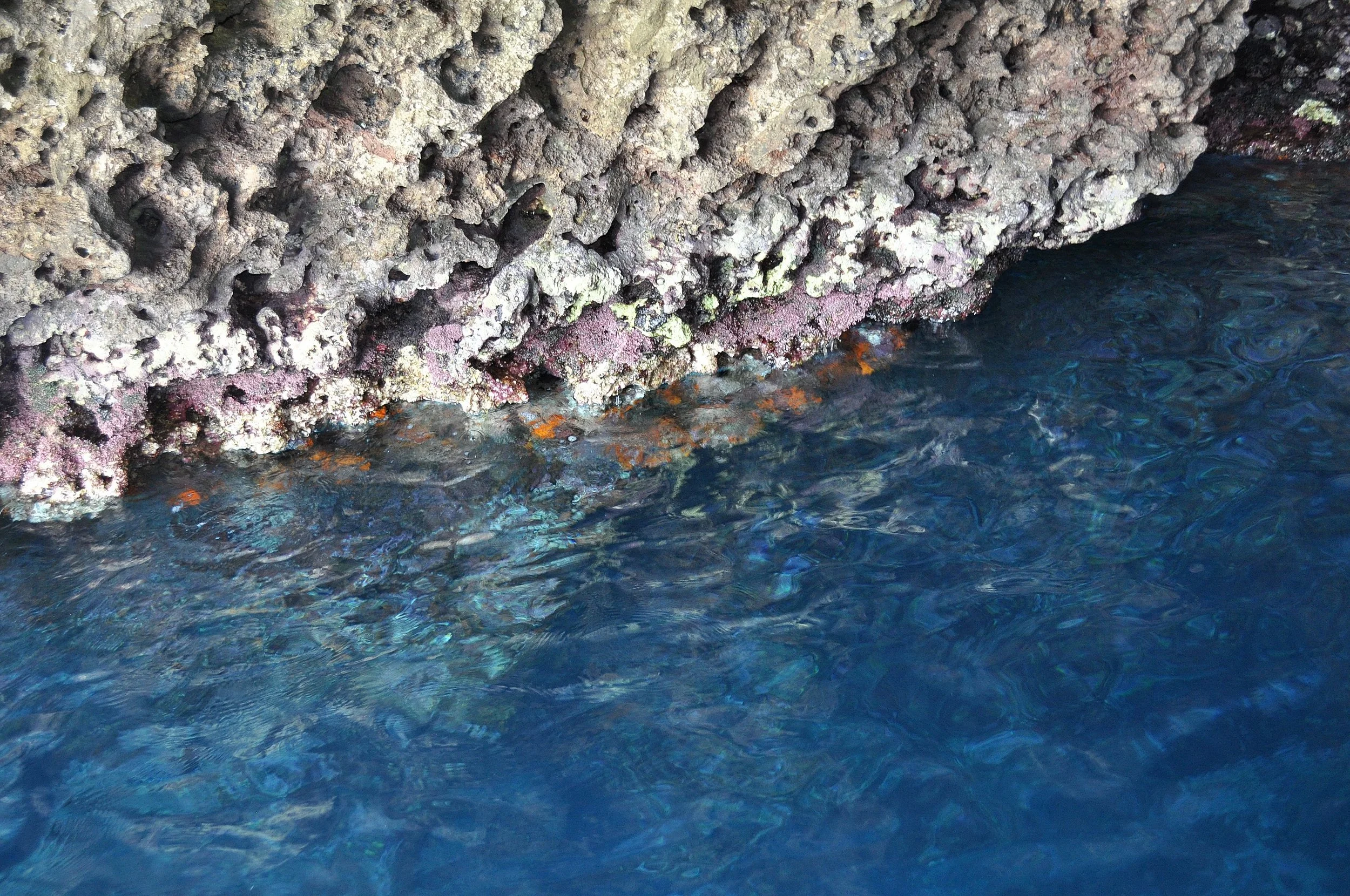
Angela: a small boat takes us to discover the surrounding caves, such as the Blue Grotto and the Shell Grotto, as well as the entire Bay of Naxos. Sailing around the island is a truly wonderful experience, especially combined with a refreshing swim near the sea stacks. Once again, it’s absolutely worth it!




And now Taormina…
Alberto: it’s time to leave the beach and the sea behind and head towards Taormina to spend our afternoon there.
Piero: this gem, perhaps one of the most famous tourist destinations in Sicily, stands on a hill 200 meters above sea level, like a natural terrace on Mount Tauro, on the southern slopes of the Peloritani Mountains along the Ionian coast. Suspended between rocks and sea, an enchanting landscape awaits us—unique for its variety and contrasts—together with a historical and cultural heritage of the highest value.
Alberto: Taormina is truly one of a kind: a beautiful medieval village that takes your breath away simply by strolling along its streets and alleys, admiring the stunning panorama with the crystal-clear sea and Mount Etna in the background.
Piero: it’s precisely because of this sense of wonder that Johann Wolfgang von Goethe described it as “a strip of paradise on earth,” while Guy de Maupassant spoke of Taormina as a place where “you find everything that seems created on earth to seduce the eyes, the mind, and the imagination.”
Angela: here’s our first useful tip: Taormina is practically a pedestrian area, so parking in the town itself is impossible. Visitors can use two paid public parking lots. The first, closer to the motorway, is Lumbi; from there, a staircase leads directly into town near Porta Messina. The second parking area is called Porta Catania: from Lumbi, you pass through the tunnel under Mount Tauro and reach the town from the opposite side, right at Porta Catania. This second parking lot is much larger and is also equipped with spacious elevators that take you directly into the city center.
Taormina through history
Piero: beauty and culture, as we said. There are many traces and testimonies of a past long before Taormina became an important center of Magna Graecia. At Naxos, by the sea, the Greeks founded their first settlement; after being expelled by Dionysius, they took refuge on this bull-shaped rock. From this and the toponym given to it, Tauromenion, the name Taormina likely originates. It remained under Hellenistic influence until the Roman conquest. After the Arab domination, Taormina followed the fate of the Kingdom of the Two Sicilies.
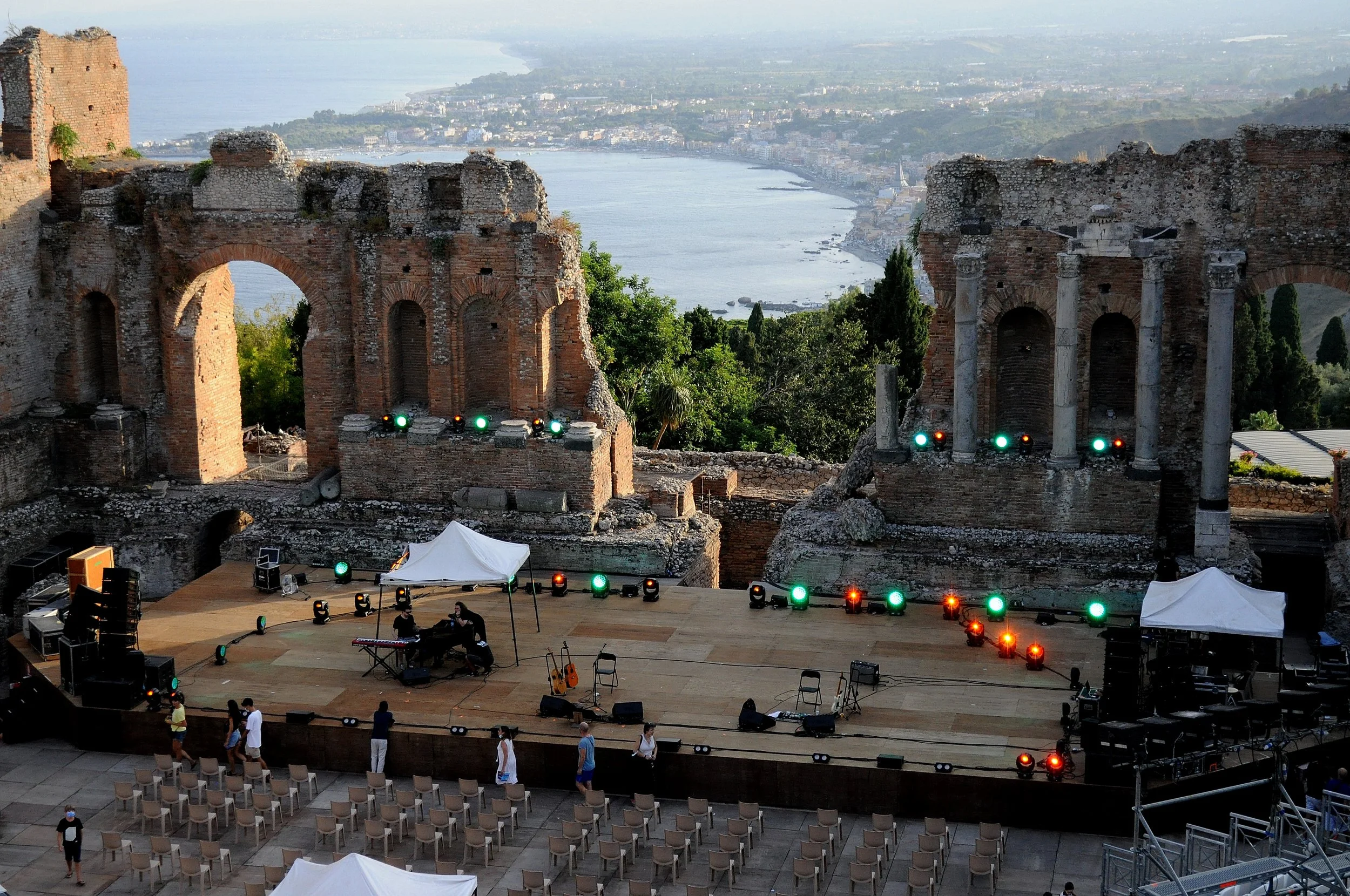
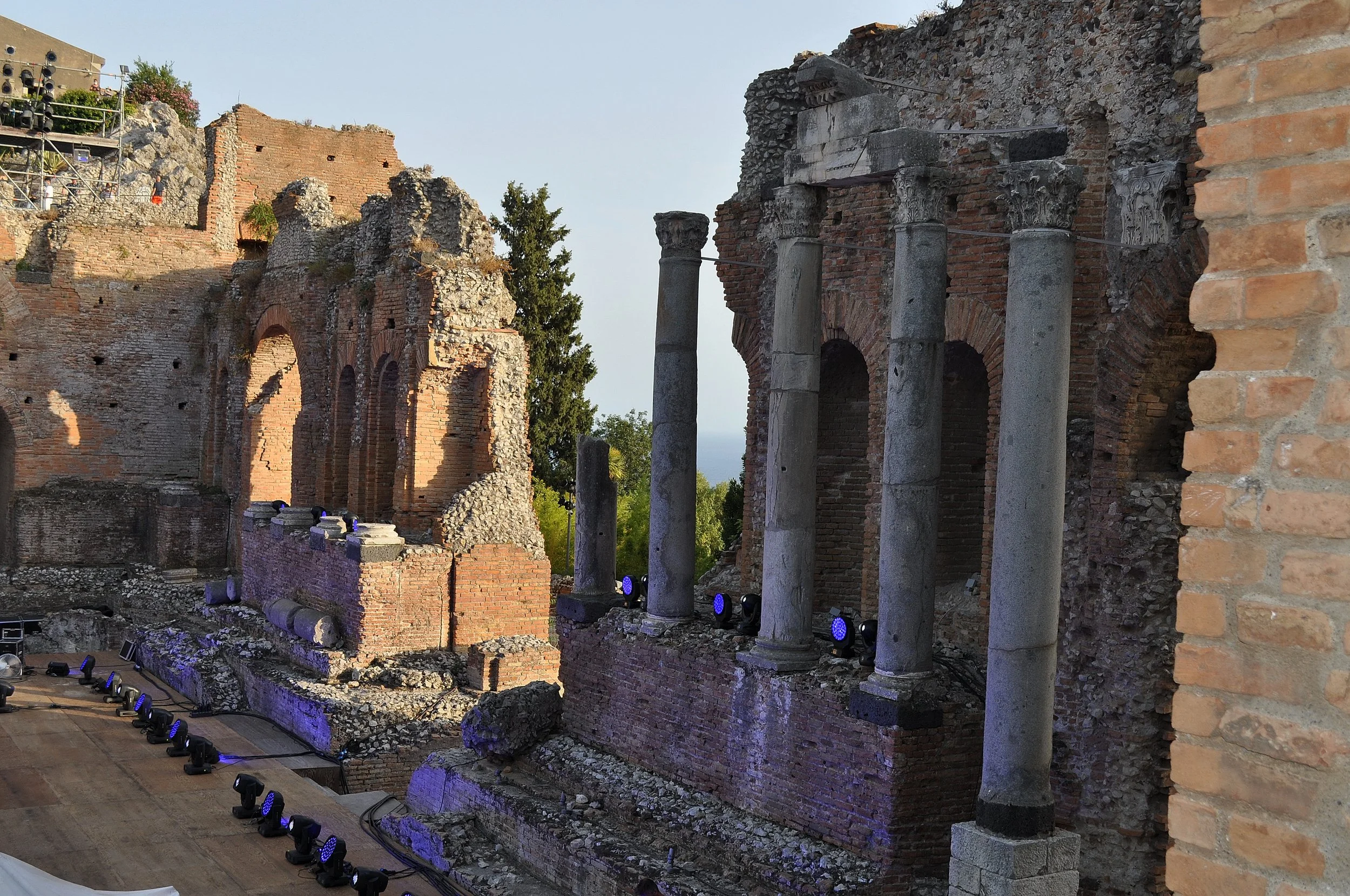
Angela: the most important testimony of its past is undoubtedly its ancient theater, the second largest in Sicily, after the one in Syracuse. This is exactly where our excursion begins.

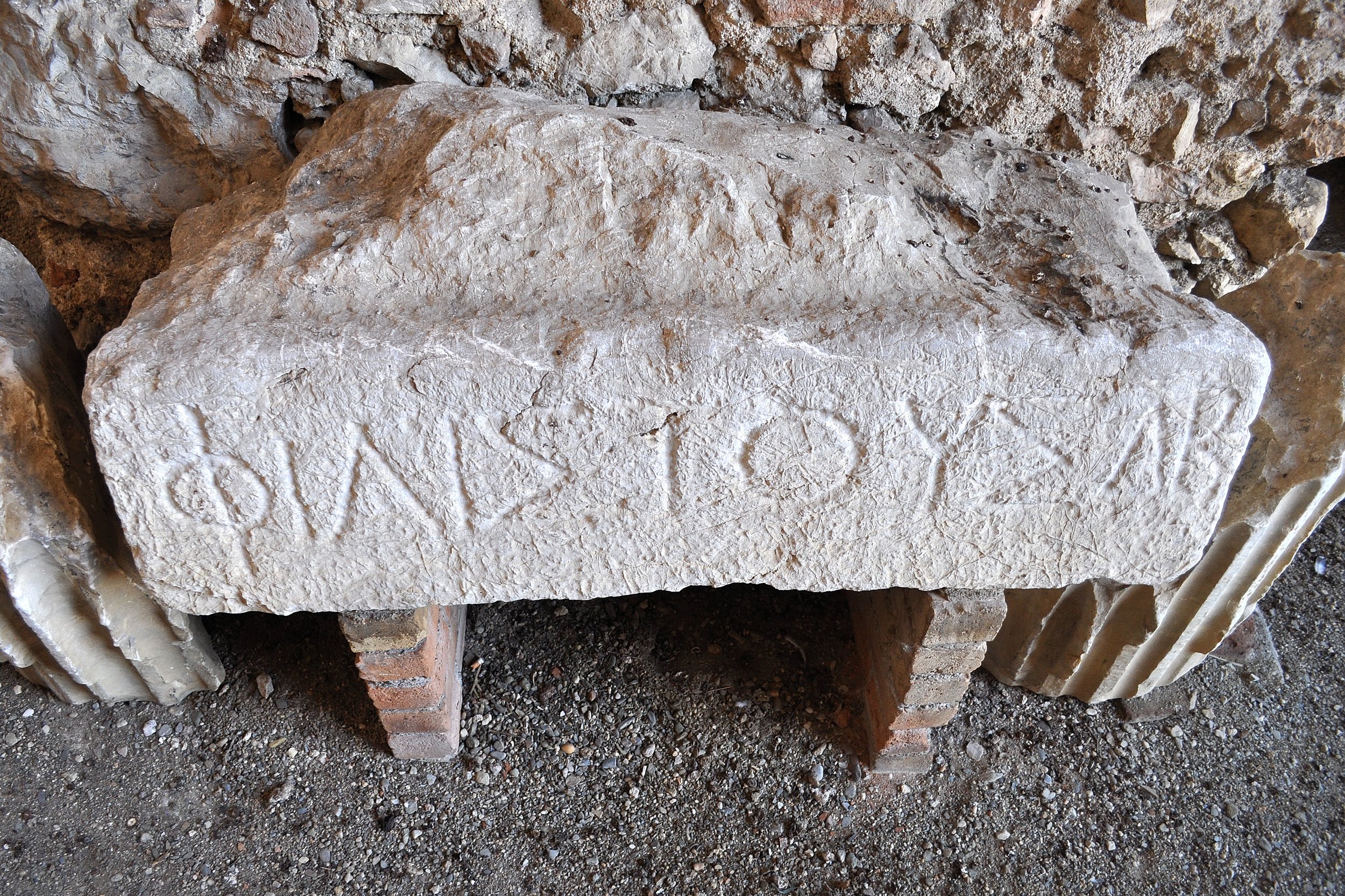
Piero: the original structure dates back, like in Syracuse, to the 3rd century BC, when the Greeks chose this dramatic promontory for their dramatic and musical performances. The theater was later modified and expanded by the Romans in the 2nd century AD, transforming the stage and orchestra into an arena where gladiator combats took place.
Angela: walking inside the theater is a truly unique experience, so much so that you feel suspended between heaven and earth, fully savoring the historical significance of this ancient architectural marvel. From the top of the stone-carved seating, following the natural concavity of the hill, you enjoy a magnificent panorama of the coast with Mount Etna in the background. Its perfect acoustics still allow it to host various concerts and cultural events during the summer season.




Walking through Taormina
Alberto: after finishing our visit to the theater, we head back towards Porta Messina; from here begins Corso Umberto I, the main street of Taormina.

Piero: the Corso connects the city from north to south, from Porta Messina to Porta Catania. It follows a route dating back to the Greco-Roman era and crosses the entire historic center.
Angela: walking along this elegant street, always crowded with tourists, it’s easy to get lost among the many shops: from luxury brands to beautifully displayed local gastronomy, from souvenirs to ceramics, from handicrafts to jewelry.
Piero: the buildings along the street are examples of the different architectural styles that have succeeded each other over time. It’s truly enjoyable to admire the splendid facades and balconies decorated with ceramics and plants of all kinds. Adding to this are medieval churches, ancient ruins, and breathtaking views.


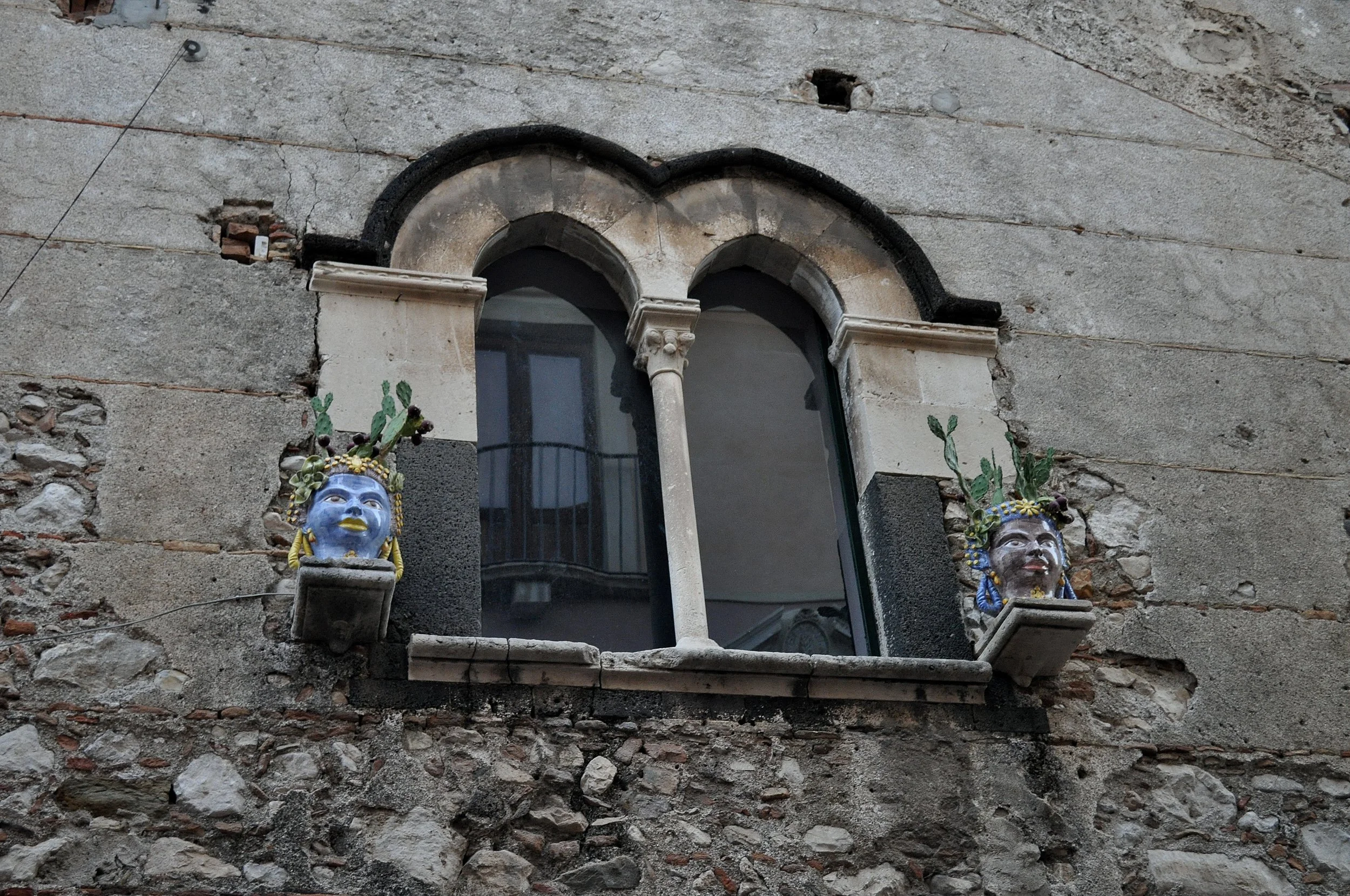

Angela: on either side of the main street, there are numerous alleys, many of them truly picturesque. Along the Corso, you also come across three squares: Piazza IX Aprile, Piazza Duomo, and Piazza Vittorio Emanuele.

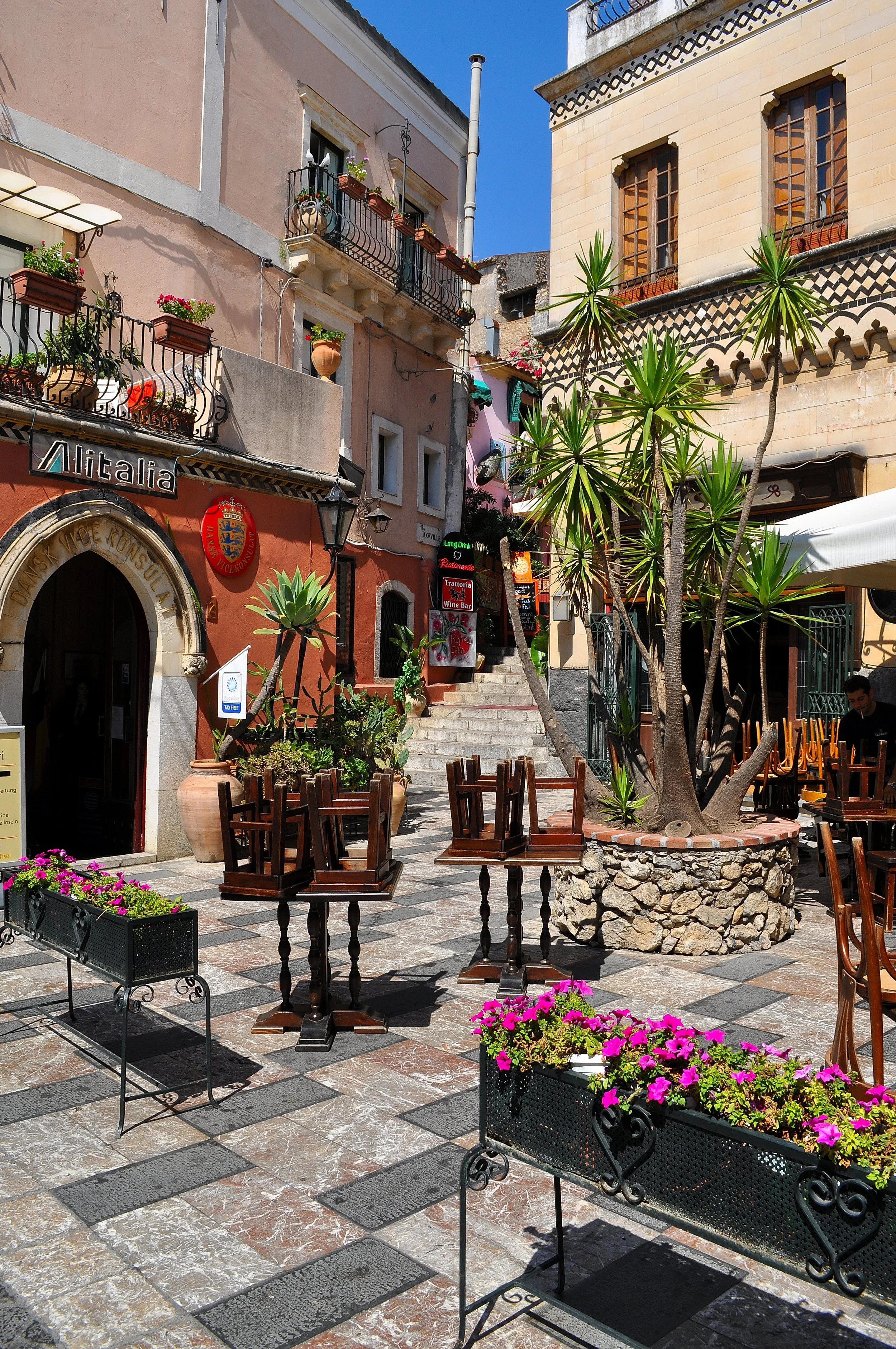
Piero: Piazza Duomo houses the city’s cathedral, dedicated to Saint Nicholas, with an appearance so austere that it resembles a fortress. Opposite stands the Baroque fountain, featuring at its center the symbol of Taormina: the crowned centaur, holding the world in its left hand and the scepter of authority in its right.

Angela: Piazza IX Aprile is instead the symbol of Taormina’s social life; it is truly a terrace overlooking the sea, offering a unique panorama of the coast, Giardini Naxos, and Mount Etna. It is certainly the most famous square, lined with numerous outdoor cafés, the Baroque church of San Giuseppe, the Gothic church of Sant’Agostino, and the Clock Tower, or Porta di Mezzo, whose arch leads into the old town. There are also many portrait artists creating true works of art on the spot.

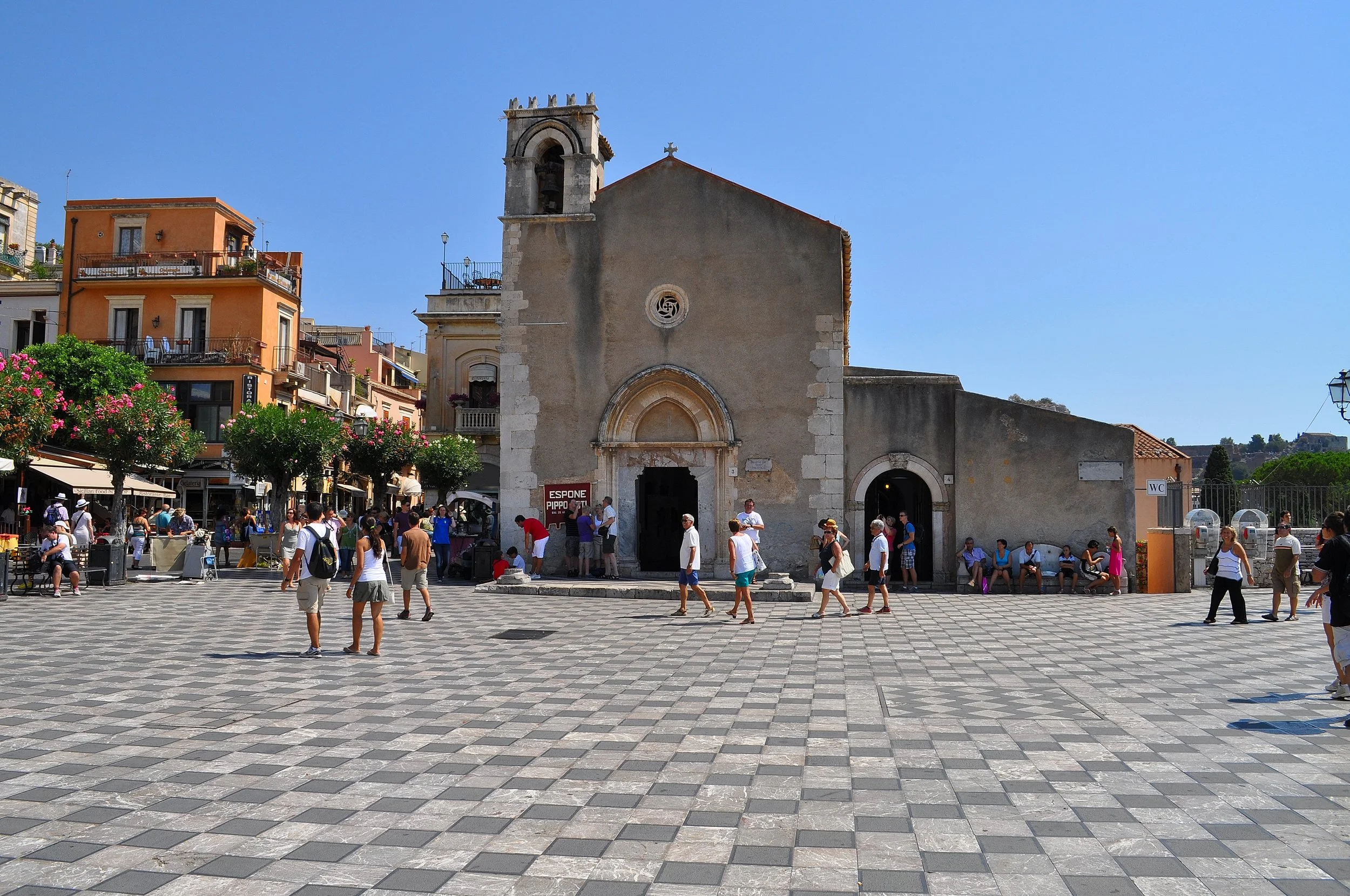


Piero: a curiosity: the square was originally dedicated to Sant’Agostino; the current name refers to the Garibaldian epic. On April 9, 1860, the news of Garibaldi and the Thousand landing at Marsala to liberate Sicily from the Bourbons reached Taormina. The news was obviously false, as the landing took place a month later, but Taormina chose to dedicate its most beautiful square to the memory of that date.
Heading home…
Alberto: our long day in Taormina ends here. But before heading back home, why not enjoy a typical Sicilian dinner?
Piero: Taormina is full of restaurants where you can eat really well. The risk of overspending is high, as is the risk of finding overly touristic restaurants that offer little authentic local cuisine.
Angela: we decide to move a little away from the town center and find a charming place to enjoy our dinner.
Alberto: it’s the Trattoria Chicchirichì, located along the road to Castelmola, above Taormina. It’s not the easiest to find, but it’s definitely worth the visit.
Piero: the location is carefully curated, and the menu is very interesting, reflecting the entire culinary culture of the area. The husband-and-wife team runs it skillfully, welcoming guests with great friendliness. The quality-to-price ratio is exceptional.
Angela: the almond wine tasting is an absolute must!
Piero: at this point, it’s truly time to head home. Surely tired, but happy and satisfied.
Angela: Taormina truly lives up to its reputation as a gem of Sicilian tourism! You certainly can’t say you know Sicily without visiting it at least once…
Piero: let’s try to relive all its beauty in this short video.