Menorca
Hola!
Piero: after the Cyclades, the Dodecanese, and Sicily, why not continue exploring the islands of the Mediterranean?
Angela: where are we heading this time?
Piero: I was thinking of the Balearic Islands — somewhere peaceful.
Angela: that sounds like a great idea. But if we're looking for peace and quiet, we can rule out Ibiza and Formentera. That leaves Mallorca and Menorca.
Piero: I'd start with Menorca. It's beautiful and easy to get to!
Angela: that's right. The flight from Milan takes just over an hour, and the island isn't very large, so it's easy to explore. It's also known as the Island of Calm, perfect for families like ours who are looking for a relaxing and peaceful holiday.
Piero: and of course, it's surrounded by a stunning sea, with around eighty beaches and coves, many of them unspoilt and nestled among the greenery of the Mediterranean scrubland. There's also excellent food and plenty to see.
Angela: so let's spend a week there, staying in a small holiday resort near Ciutadella. The island enjoys a wonderful climate for much of the year. Naturally, the summer months are the busiest, but May, part of June, and September are simply fantastic. We chose the last week of May: very few crowds and already glorious weather.

Discovering Menorca
Piero: Menorca is a relatively small island, measuring less than 50 kilometres in length and just 16 kilometres across. Its extraordinary natural beauty earned it recognition as a UNESCO Biosphere Reserve. The island has probably been inhabited since the Bronze Age, as evidenced by several archaeological sites. Thanks to its strategic position, together with the other Balearic Islands, between the Iberian Peninsula and Italy, it has long been a land of conquest. First came the Phoenicians, who named it "Isla de Nura", meaning Land of Fire; then the Greeks, who called it "Meloussa", or Place of Cattle. The Carthaginians followed, founding the city of Mahón in 205 BC, naming it after their commander, General Mago. About a century later, the Romans transformed Portus Magonis into an important strategic harbour, and Mahón became a prosperous city. After the fall of the Roman Empire, Menorca passed first to the Vandals from North Africa and then to the Byzantines.
Angela: in 903 AD, the Arabs of the Caliphate of Córdoba conquered the island and made Ciutadella its new capital. The Arab period lasted for four centuries and had a profound influence on Menorca's history, culture and place names. The island later came under the rule of the Crown of Aragon, before becoming part of the Kingdom of Spain in the 15th century. This first Spanish period was marked by frequent pirate raids, the most famous being that of the pirate Barbarossa. After a long succession of British and French occupations, Menorca finally returned to Spanish rule at the beginning of the 19th century.
Piero: like many similar places, the beginning of the 20th century was marked by widespread emigration, until the arrival of tourism, which quickly became the island's main source of wealth. Many Menorcans, however, have never looked favourably on such rapid tourist development, considering it — often with good reason — too aggressive and insufficiently respectful of the island. The designation of Menorca as a UNESCO Biosphere Reserve has encouraged a more sustainable form of tourism, one that is far more mindful of preserving its exceptional natural and ecological heritage.
Angela: alongside tourism, craftsmanship is also one of Menorca's best-known traditions, particularly its jewellery and footwear. The island is especially famous for its avarcas, also known as Menorcan sandals — traditional sandals made from leather or fabric.
Ciutadella and Mahon
Piero: we've already mentioned the island's two main towns, Mahón and Ciutadella. Both are small and beautiful, each with its own distinctive character: Mahón with its unmistakable British charm, and Ciutadella with its elegant, aristocratic architecture.
Angela: Mahón, or Maó as the locals call it, is the capital of Menorca and also the easternmost municipality in Spain. It is home to the island's airport, the main gateway to Menorca. The town overlooks a natural fjord, one of the largest natural harbours in Europe. Thanks to this unique setting, it has long been, as we've already seen, the point of arrival for countless civilisations. In effect, it is a natural fortress open to the sea, sheltered from the northern Tramontana winds, the force of the sea, and above all from enemy attacks.
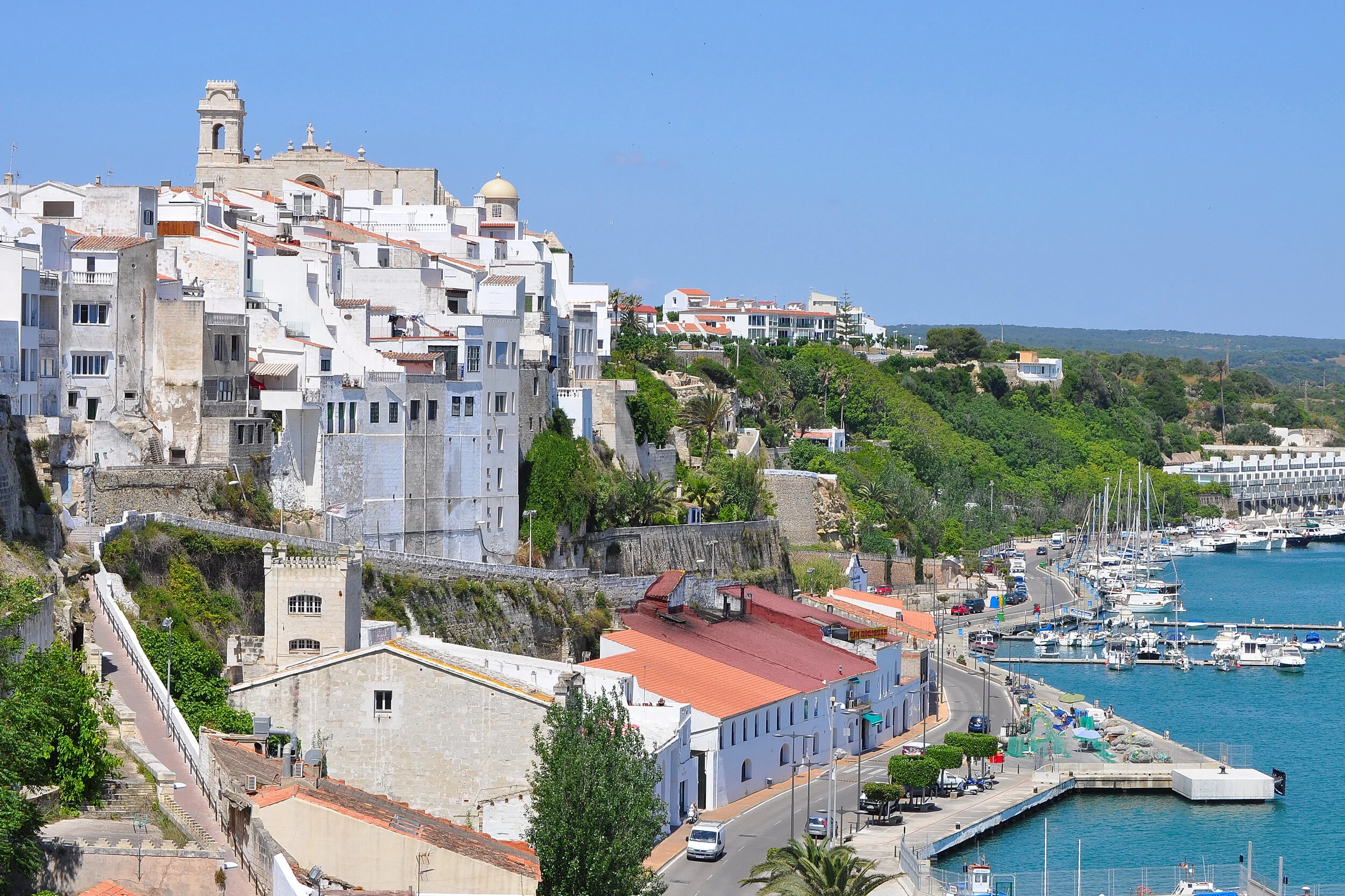
Piero: two interesting facts. Every year, from 6 to 9 September, Mahón celebrates the Festes de la Mare de Déu de Gràcia, famous for the jaleo, when horses and their riders, dressed in black and white, parade through the streets between cheering crowds. To the rhythm of traditional music, the horses rear up and balance on their hind legs, creating one of Menorca's most spectacular traditions. The celebrations are accompanied by the island's signature drink, the pomada, a refreshing mix of Menorcan gin and lemonade. The second curiosity concerns mayonnaise: according to one theory, its name derives from Mahón itself. Some believe the Phoenicians prepared a sauce similar to modern mayonnaise, while another theory suggests it originated from a sauce created by French chefs on the island.
Angela: Mahón is a fascinating blend of history, modern architecture and nature, with a southern coastline where cliffs plunge dramatically into the sea, reaching heights of up to 30 metres. The town still displays a strong British influence, reflected in its gin distillery and an English fortress. It's peaceful during the day but comes alive after sunset, with countless bars and restaurants—and it's impossible to resist a little shopping.
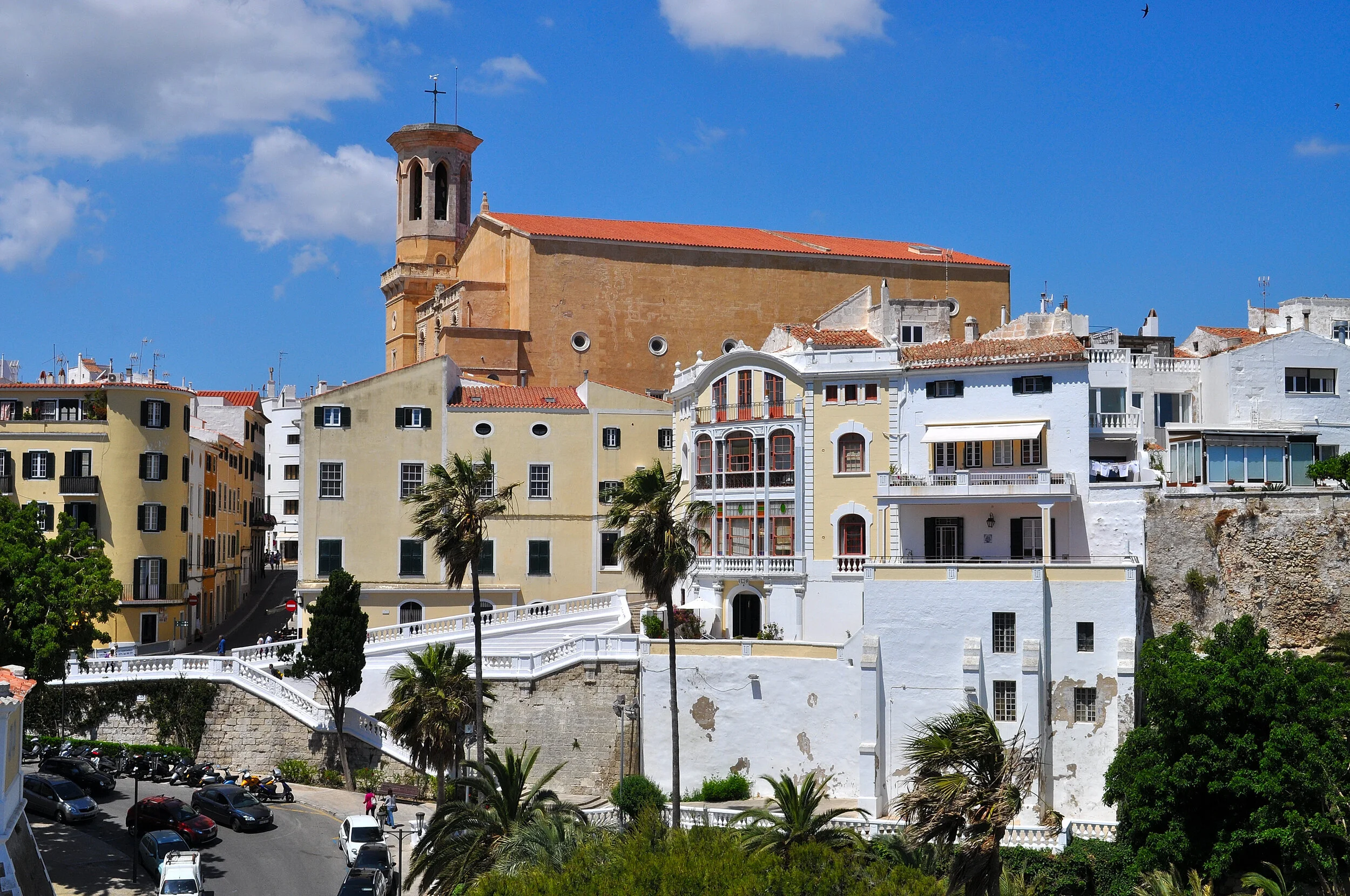
Piero: it's well worth visiting the churches of Santa Maria, San Francesco, Our Lady of Mount Carmel, and the Church of the Immaculate Conception. Another highlight is the Pont de Sant Roc, the monumental gateway flanked by two imposing towers, the only surviving section of the town's ancient defensive walls.
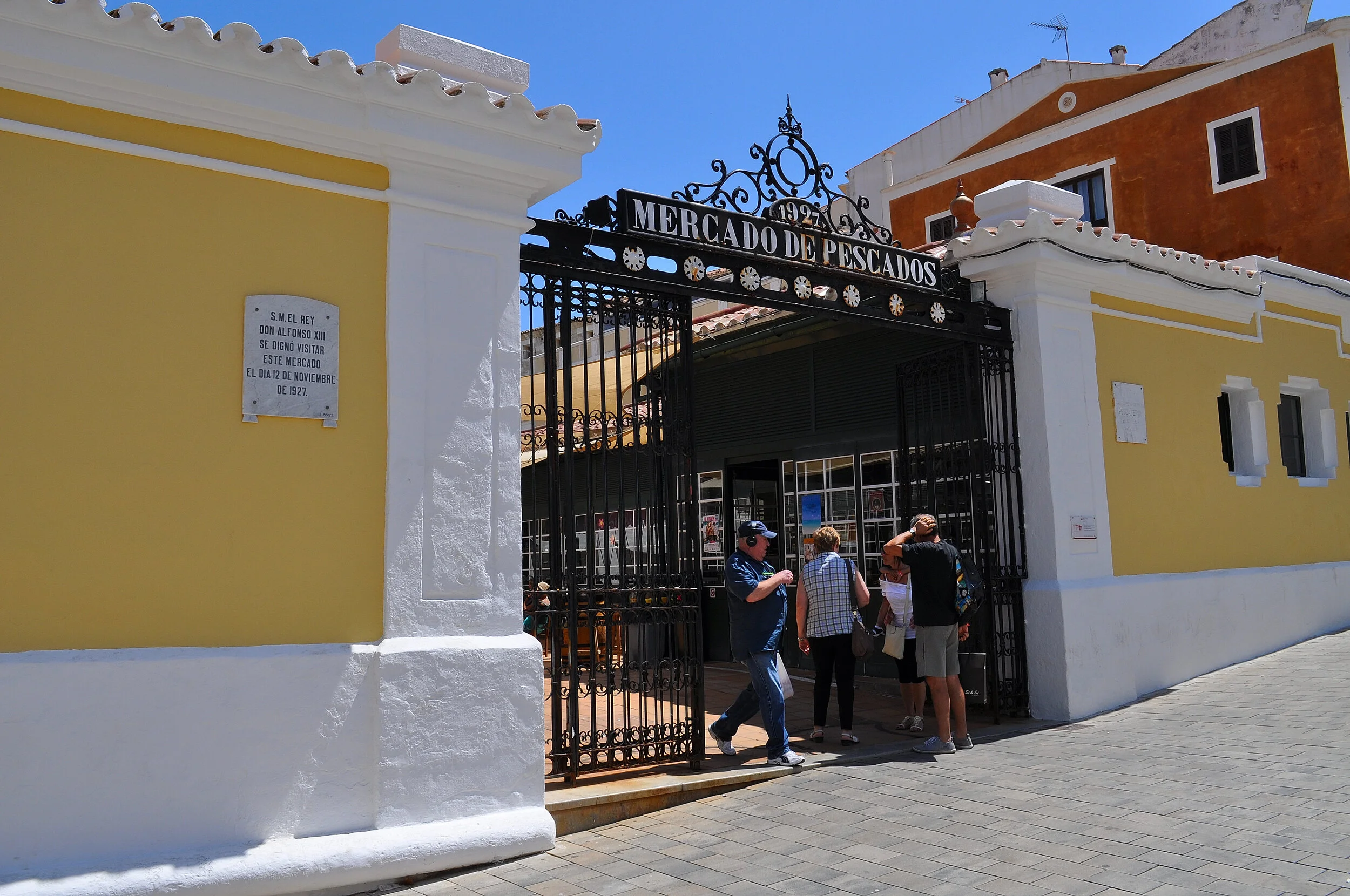
Angela: Mahón is easy to explore entirely on foot. The town centre is connected to the harbour by a long staircase leading down to Baixamar, the waterfront promenade lined with cafés, shops and restaurants. Don't miss a walk eastwards, where you'll find the most picturesque stretch of the harbour, with its old fishermen's houses distinguished by their large arched doorways.





Piero: if you enter the town from the harbour, you'll come across two islands along the fjord: Illa del Llatzeret and Illa Plana. Both were once used as quarantine islands. The larger of the two, Illa del Llatzeret, was originally a peninsula. It became an island only in 1900, when the Canal de Sant Jordi was dug to provide greater isolation for patients.
Angela: other places well worth visiting are the La Mola Fortress, guarding the entrance to the harbour, and the Town Hall Square, with its elegant building crowned by the clock brought by the British.
Piero: Ciutadella lies on the opposite side of the island, to the west. It's a refined and elegant town, rich in medieval character. It's well worth getting lost in the narrow streets of the historic centre to fully appreciate its captivating blend of Arab and medieval architecture.
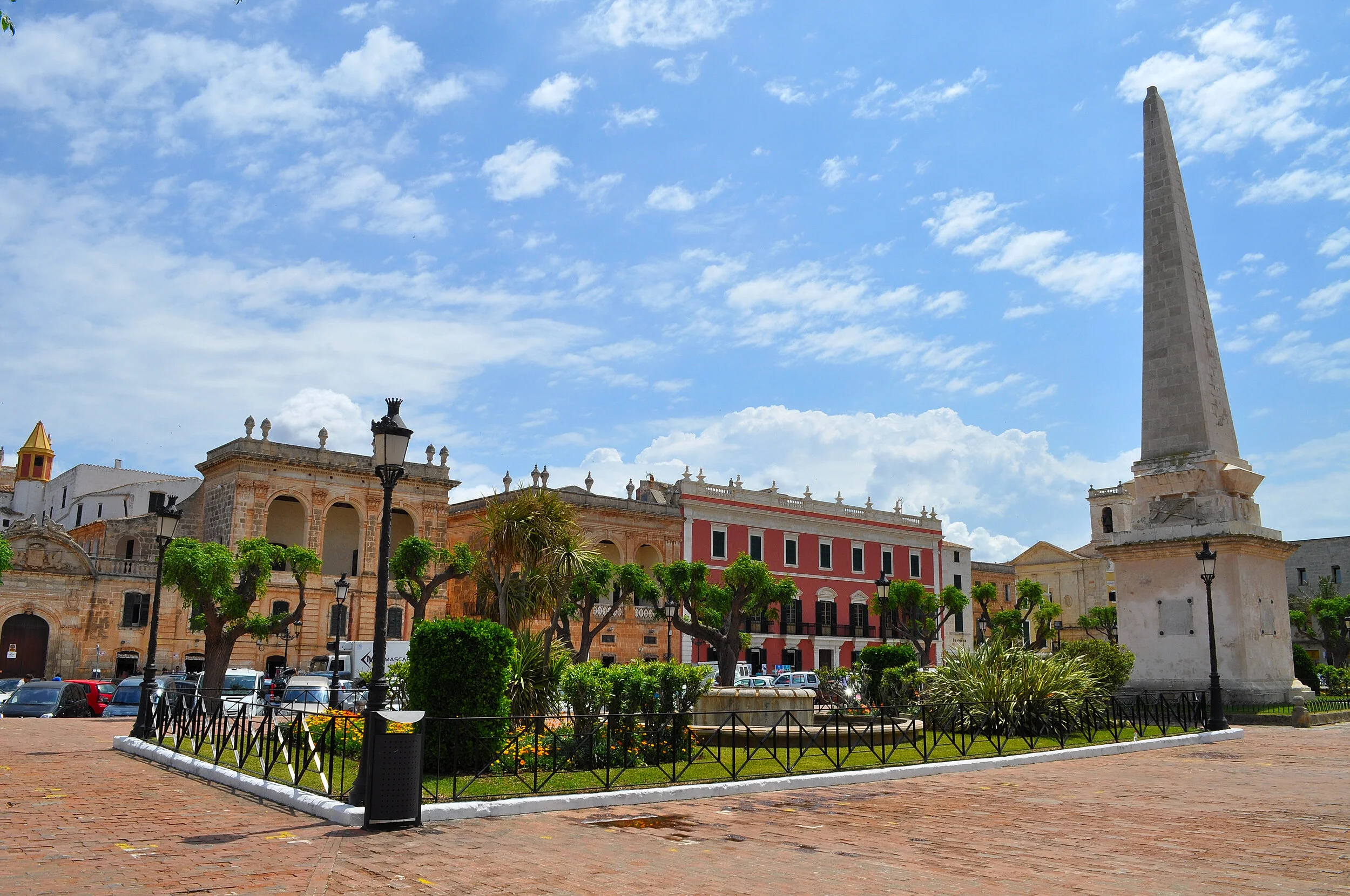
Angela: the perfect place to begin is Plaça des Born, the town's main square, with its obelisk at the centre commemorating the victims of the Turkish invasion. This is where the city's most important events and celebrations take place, starting with the famous Festival of Sant Joan. From here, Carrer Ses Voltes leads into the heart of the old town. It's Ciutadella's main shopping street and eventually takes you down to the picturesque harbour, lined with cafés, bars and restaurants.
Piero: one landmark you certainly shouldn't miss is the Cathedral of Ciutadella. Built between the 13th and 14th centuries on the site of an ancient mosque, it is the most important Gothic building on the island of Menorca.
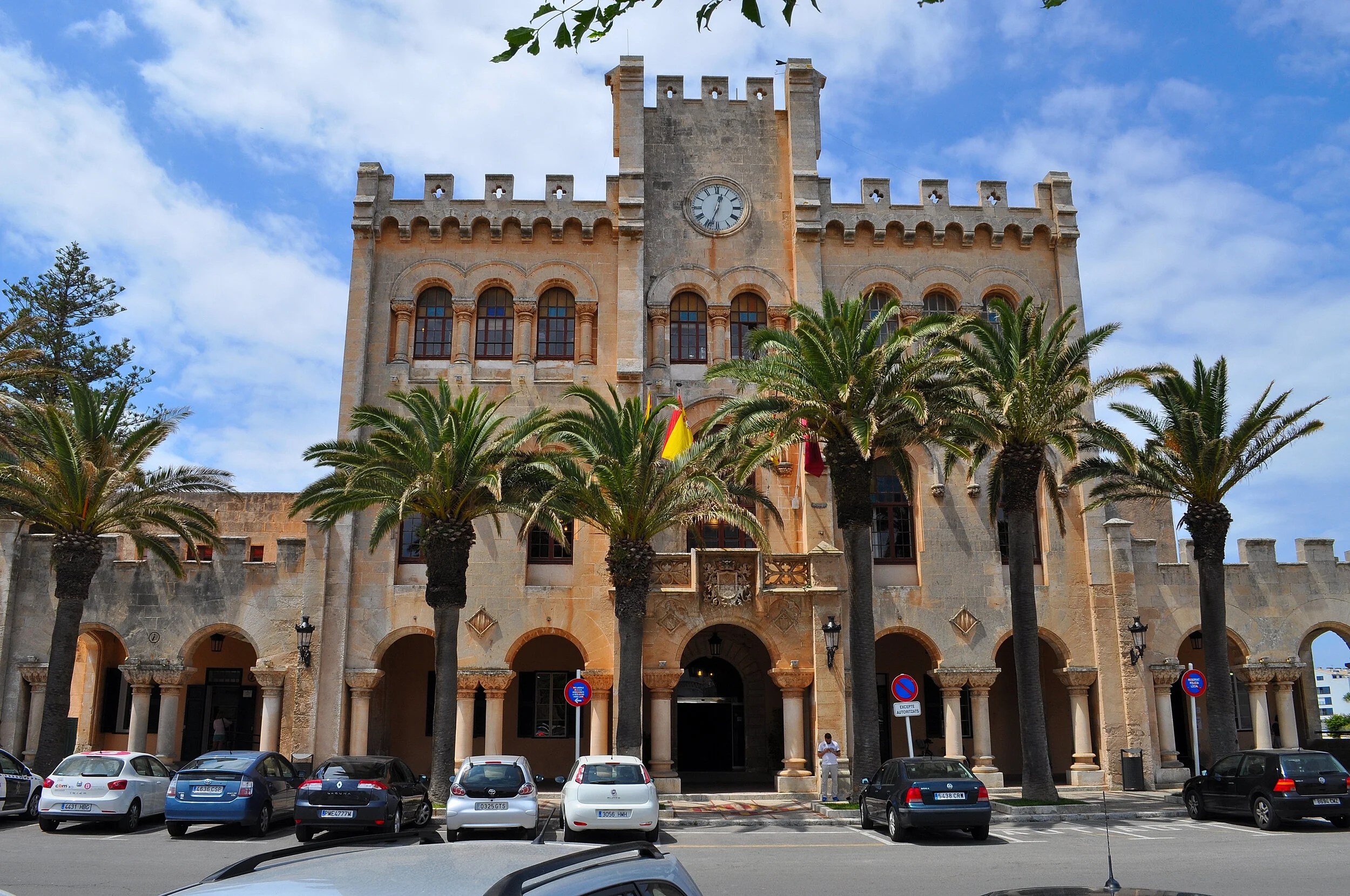

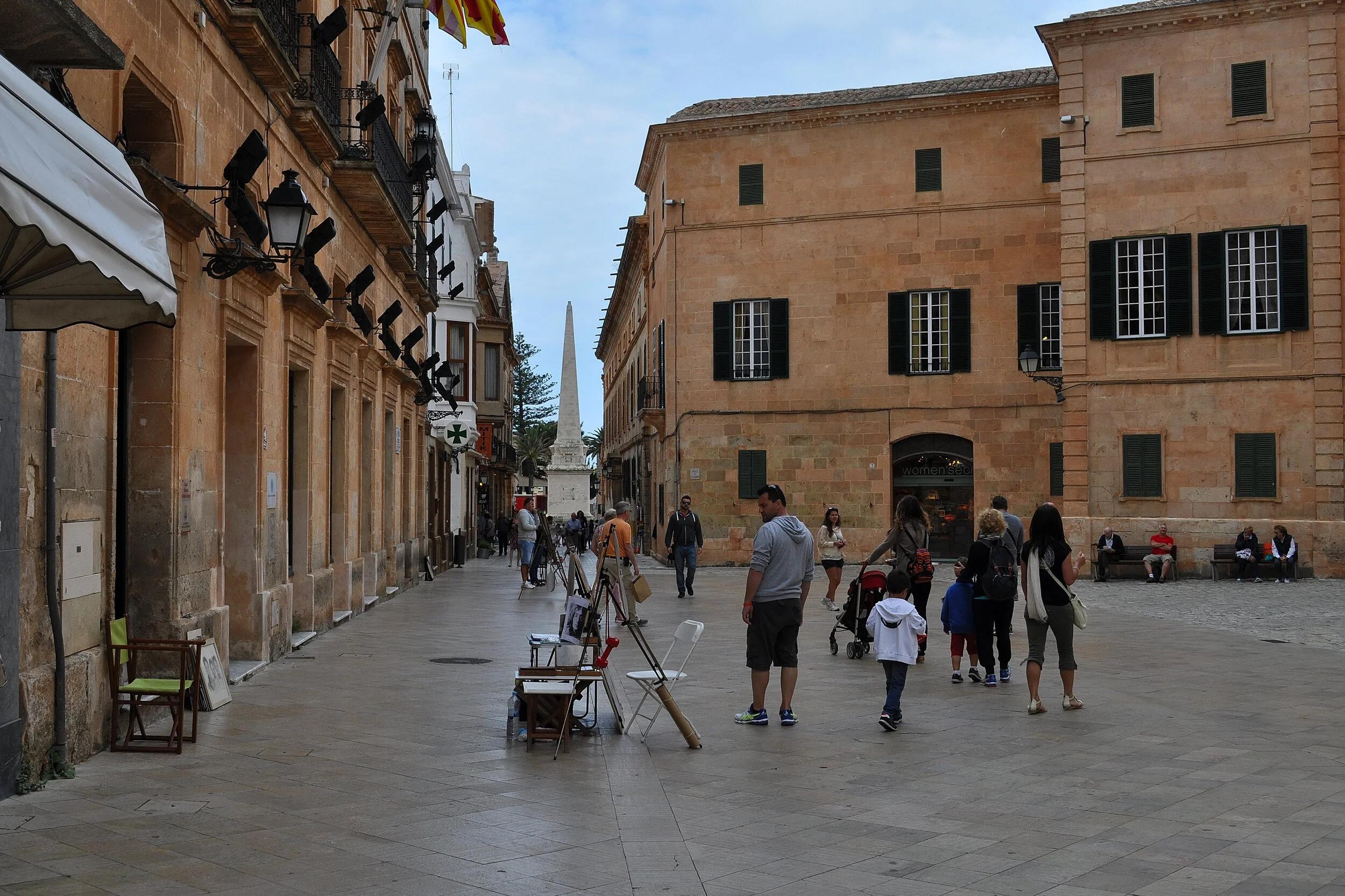

Angela: to take in the full beauty of Ciutadella at a single glance, it's well worth climbing up to the Mirador, which overlooks the town.

Piero: during the summer, under particular weather conditions, Ciutadella Harbour can experience a remarkable natural phenomenon known as the rissaga. The sea suddenly begins to oscillate at great speed until it overflows, causing the water level to rise dramatically. It's an extraordinary sight, as the boats appear to be riding a giant lift, rising several metres in just a matter of minutes.
Menorca’s beaches

Angela: of course, Menorca's main attraction is its beaches. Let's start in the north, with Arenal d'en Castell, a spectacular crescent-shaped bay: a long stretch of golden sand backed by lush greenery and then by cliffs overlooking crystal-clear waters. It's the perfect beach for families with children.
Piero: not far away, also on the north coast, lies Cavalleria Beach. It's undoubtedly one of the island's most beautiful unspoilt beaches, thanks above all to the absence of tourist facilities. It's ideal for a refreshing swim, and you can even reach the small islets in the middle of the bay. Just be careful of the sea urchins—there are plenty of them in these waters.
Angela: Cala Morell is equally beautiful. Rather than a traditional sandy beach, it's a charming rocky cove, not particularly suitable for children, but a wonderful spot for anyone who enjoys photography or diving.


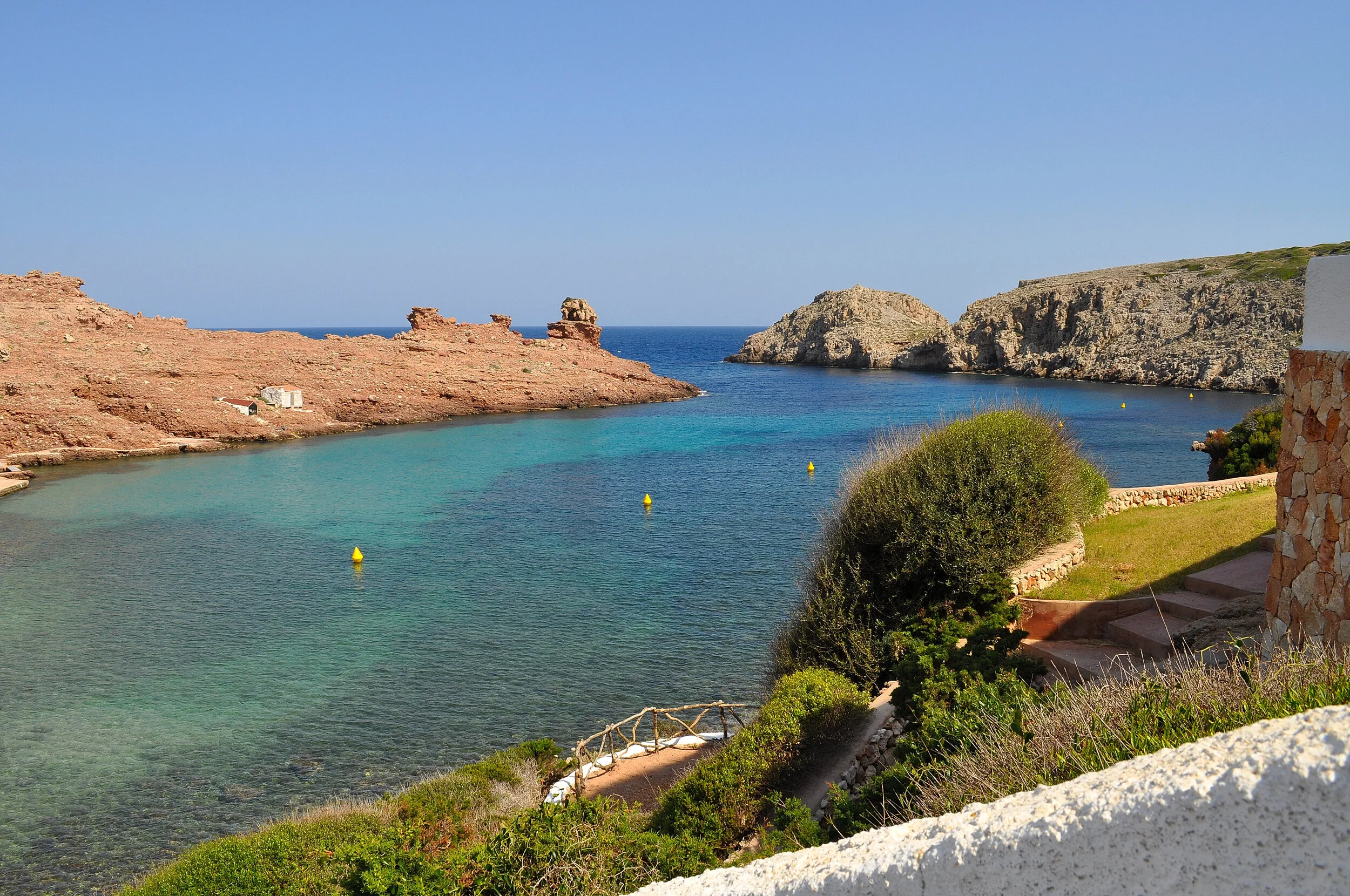
Piero: on the opposite side of the island, to the south-east, you'll find Binibeca. Here too you'll discover soft white sand framed by a beautiful pine forest. Just be aware that it's one of the busiest beaches on the island. A stop at Los Bucaneros is a must — a former fishermen's hut transformed into one of Menorca's trendiest beach bars.
Angela: further along the south coast lies Cala Galdana, with its striking white cliffs rising above crystal-clear waters. The beach itself is beautiful, although the construction of several hotels has somewhat altered the surrounding coastline.
Piero: Menorca's southern coast is also home to Santo Tomás Beach. Surrounded by a magnificent pine forest, it's a favourite with local residents.
Angela: continuing west along the southern coast, you reach Son Bou, the longest beach in Menorca, stretching for more than two kilometres.
Angela: and now we come to what are undoubtedly some of the island's finest beaches. Cala Turqueta is certainly one of them. As its name suggests, the water here is an extraordinary shade of turquoise—clear, crystal-clear and simply stunning. It's often crowded, but it's absolutely worth a visit.
Piero: not far away lies Son Saura, a beautiful and unspoilt beach with soft white sand, pristine waters and a magnificent pine forest offering welcome shade during the hottest hours of the day. Although it's not the easiest beach to reach and there are no facilities, it remains one of the most sought-after spots on the island.

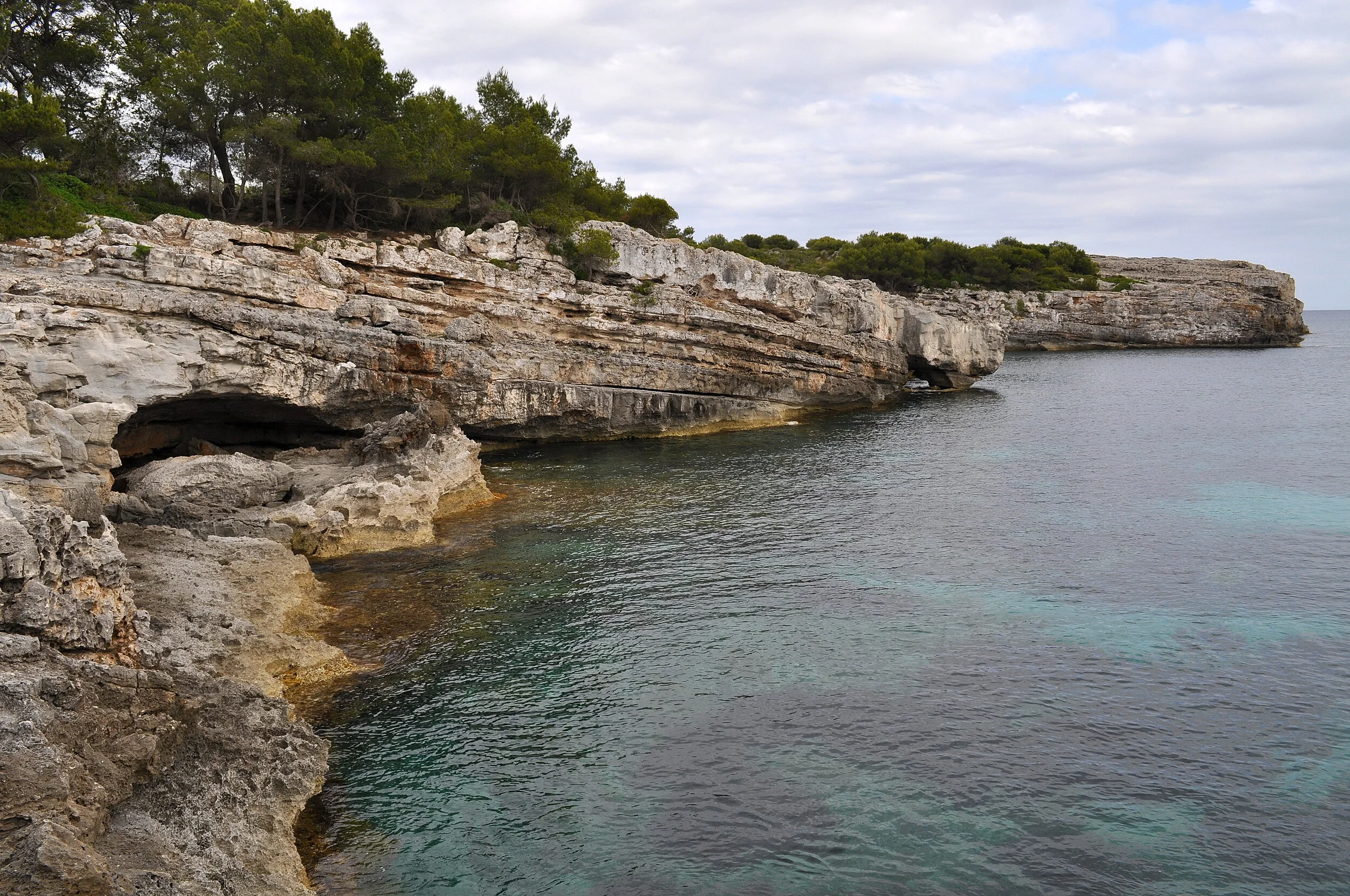


Angela: and now we come to the two most famous and beautiful beaches on the island: Macarella and nearby Macarelleta. These are two relatively small coves, washed by turquoise, crystal-clear waters and surrounded by white limestone cliffs. Macarella, the larger of the two, is perfect for the whole family, although it can become quite crowded because of its popularity and breathtaking beauty. The smaller and quieter Macarelleta can be reached with a 15-minute walk along the cliffs and through the pine forest. If you suffer from vertigo, take care: some sections of the path are steep and unprotected. The beauty of the beach, however, makes the effort more than worthwhile. Just one thing to keep in mind if you're travelling with children: this small cove is a popular spot for naturists.

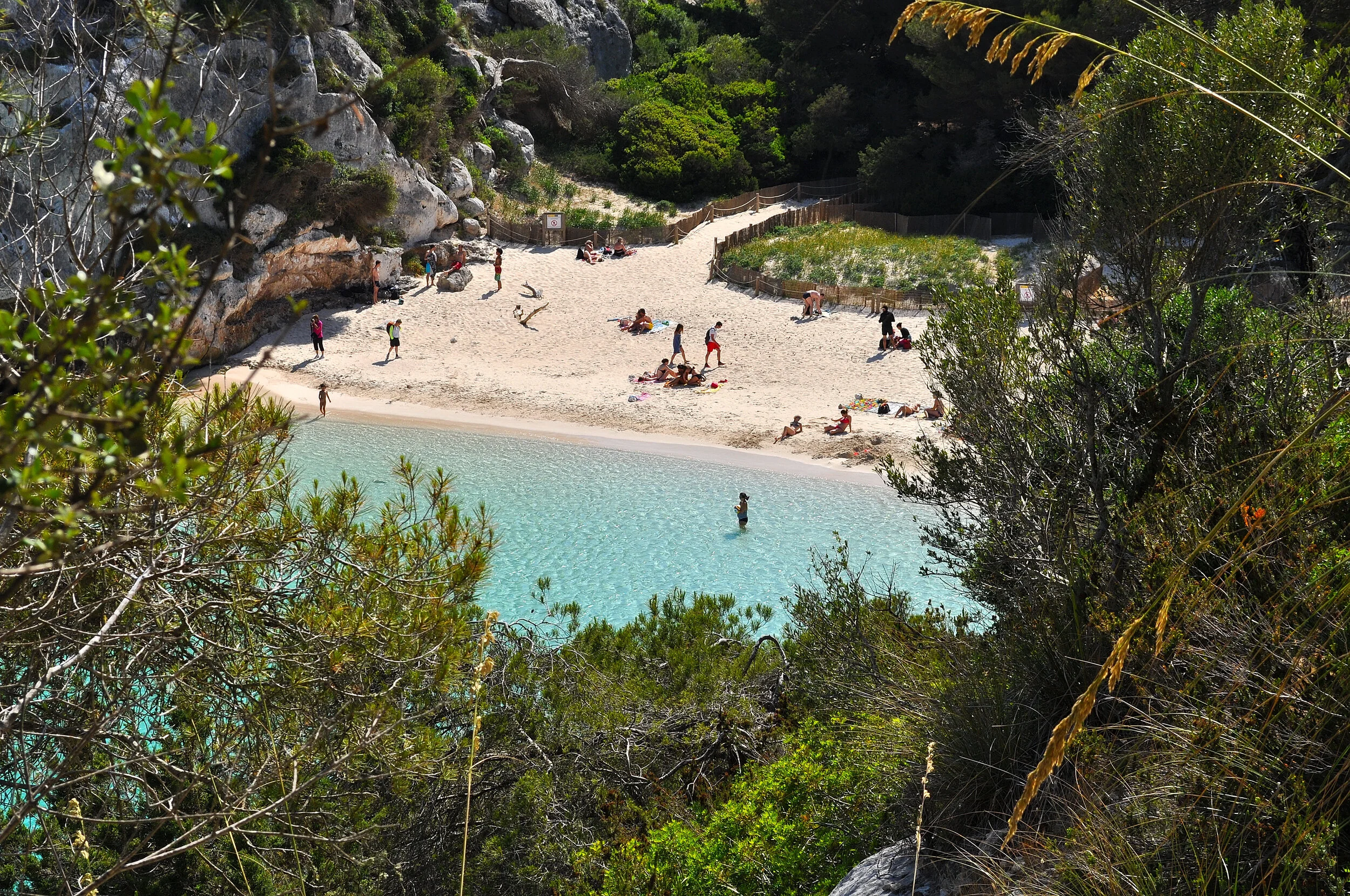


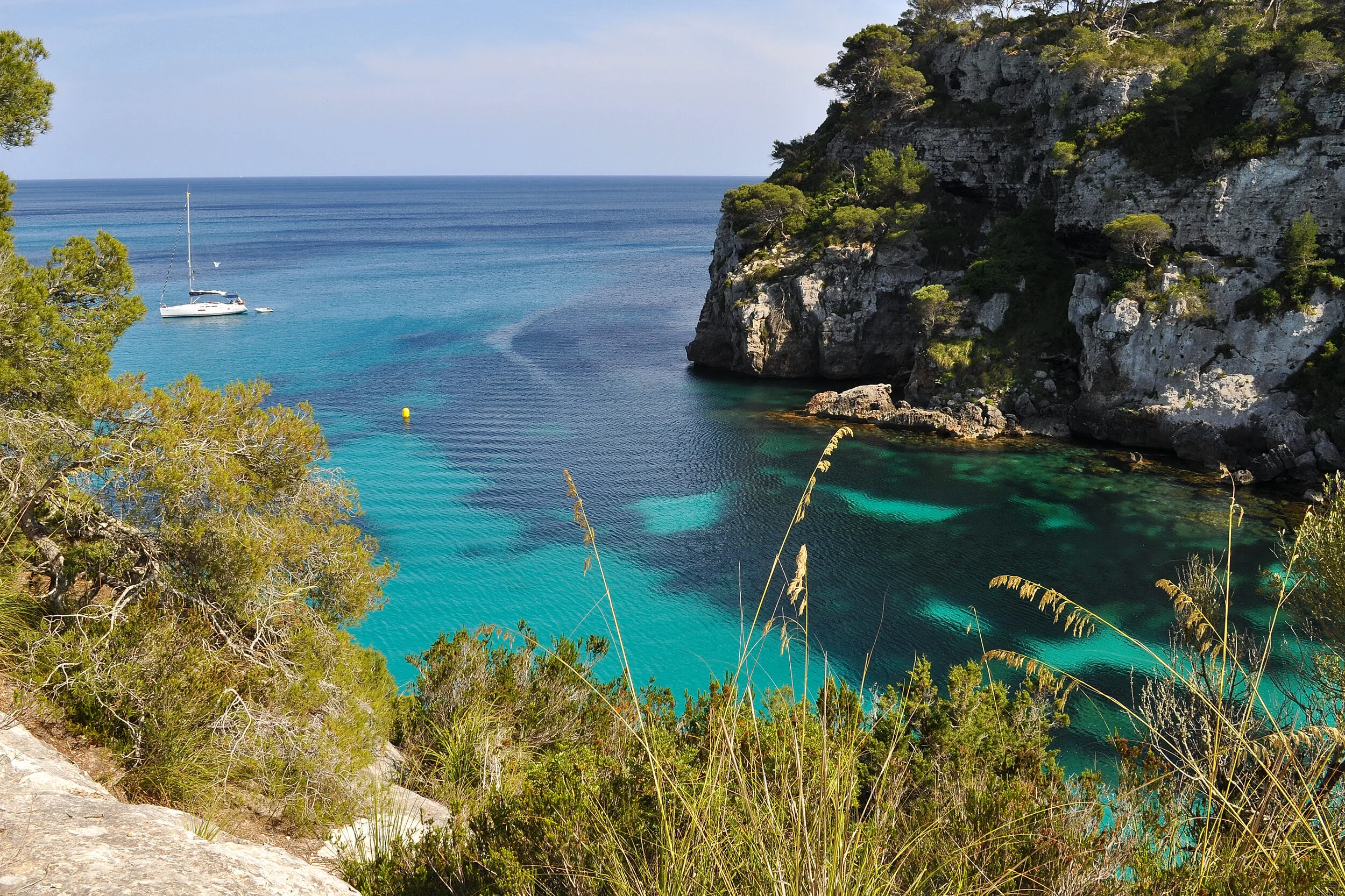
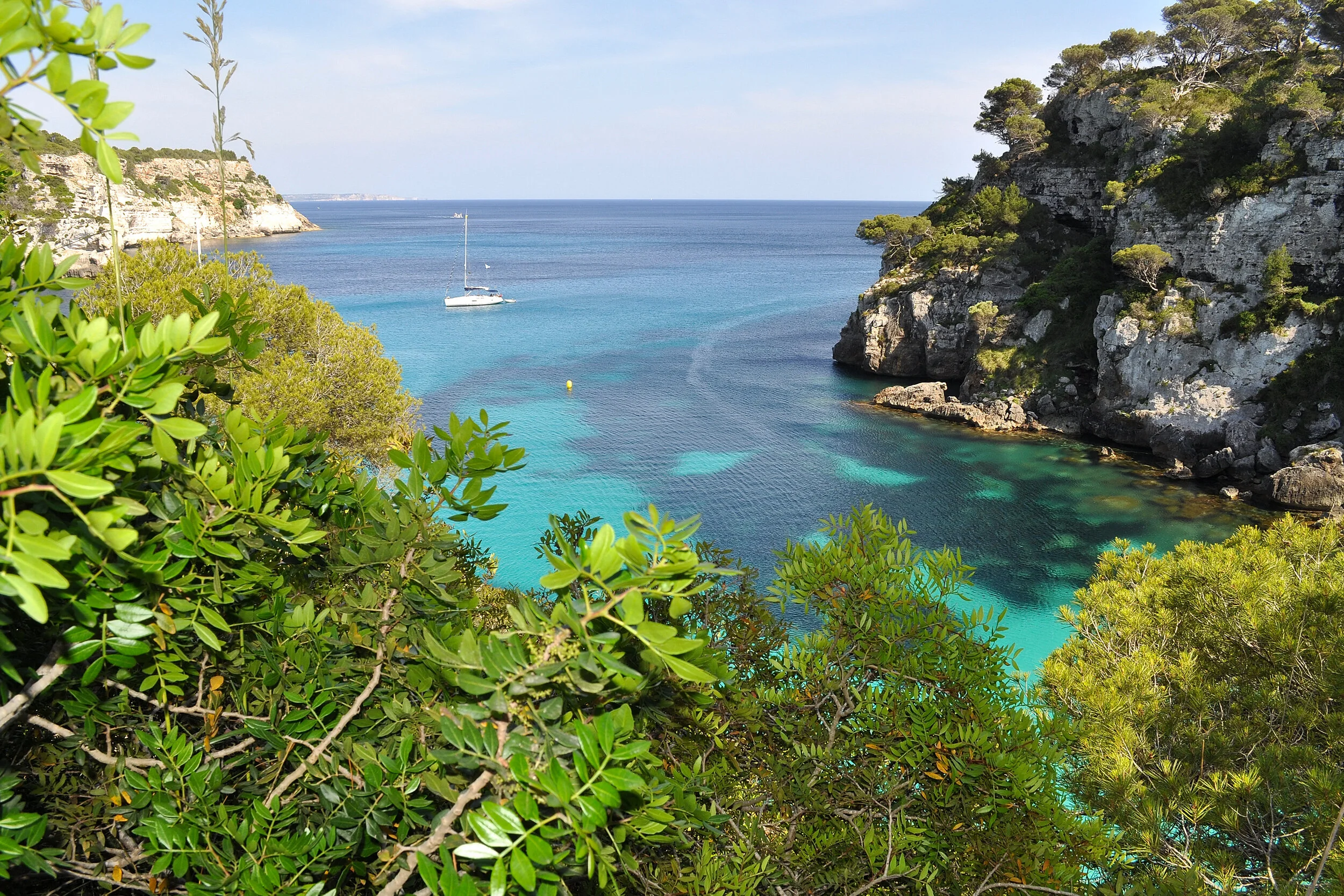


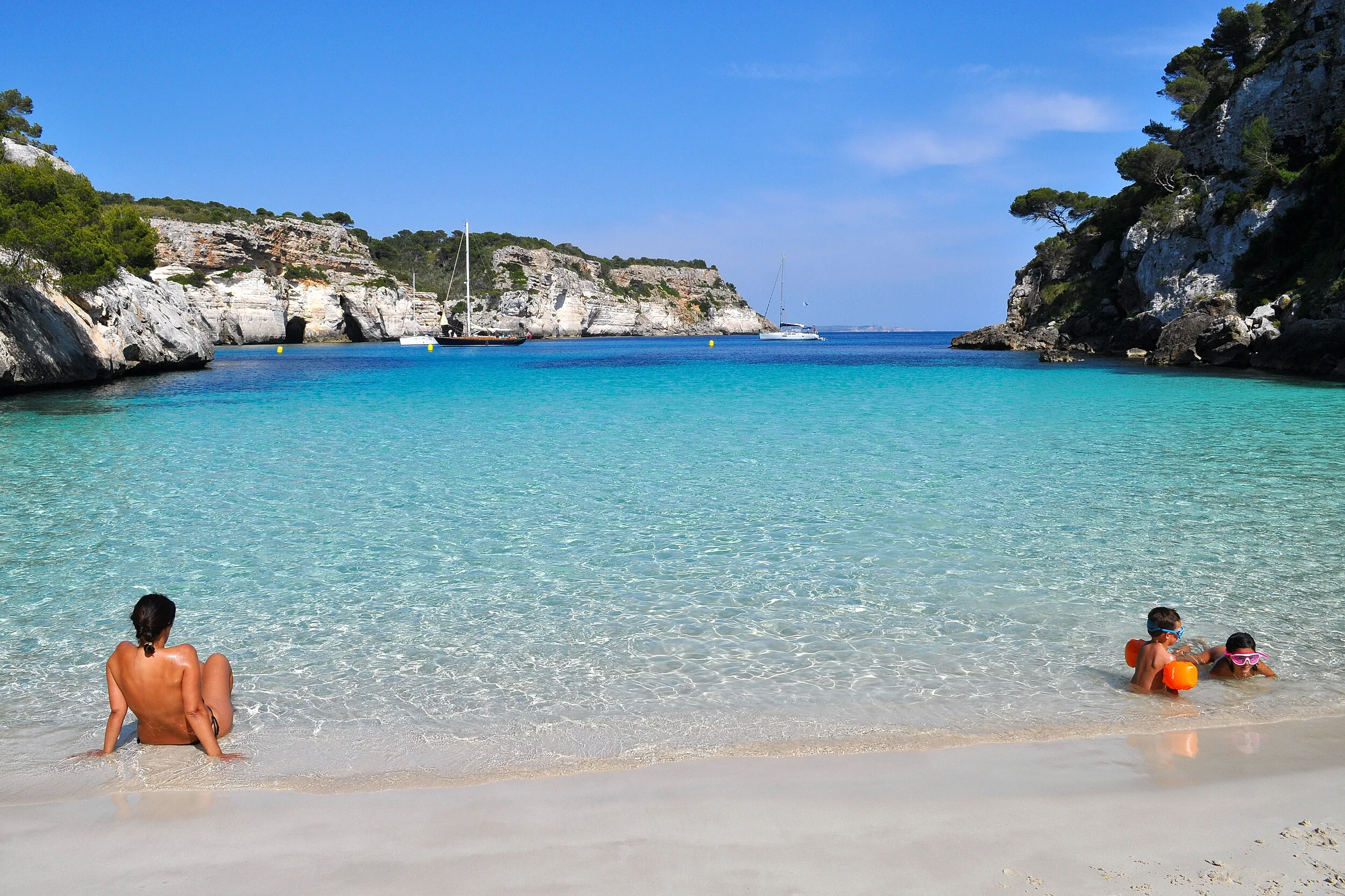

Piero: although it isn't usually included among Menorca's most famous beaches, one beach certainly deserves a mention: the peaceful and charming Cala en Bosch, just a short walk from our resort.
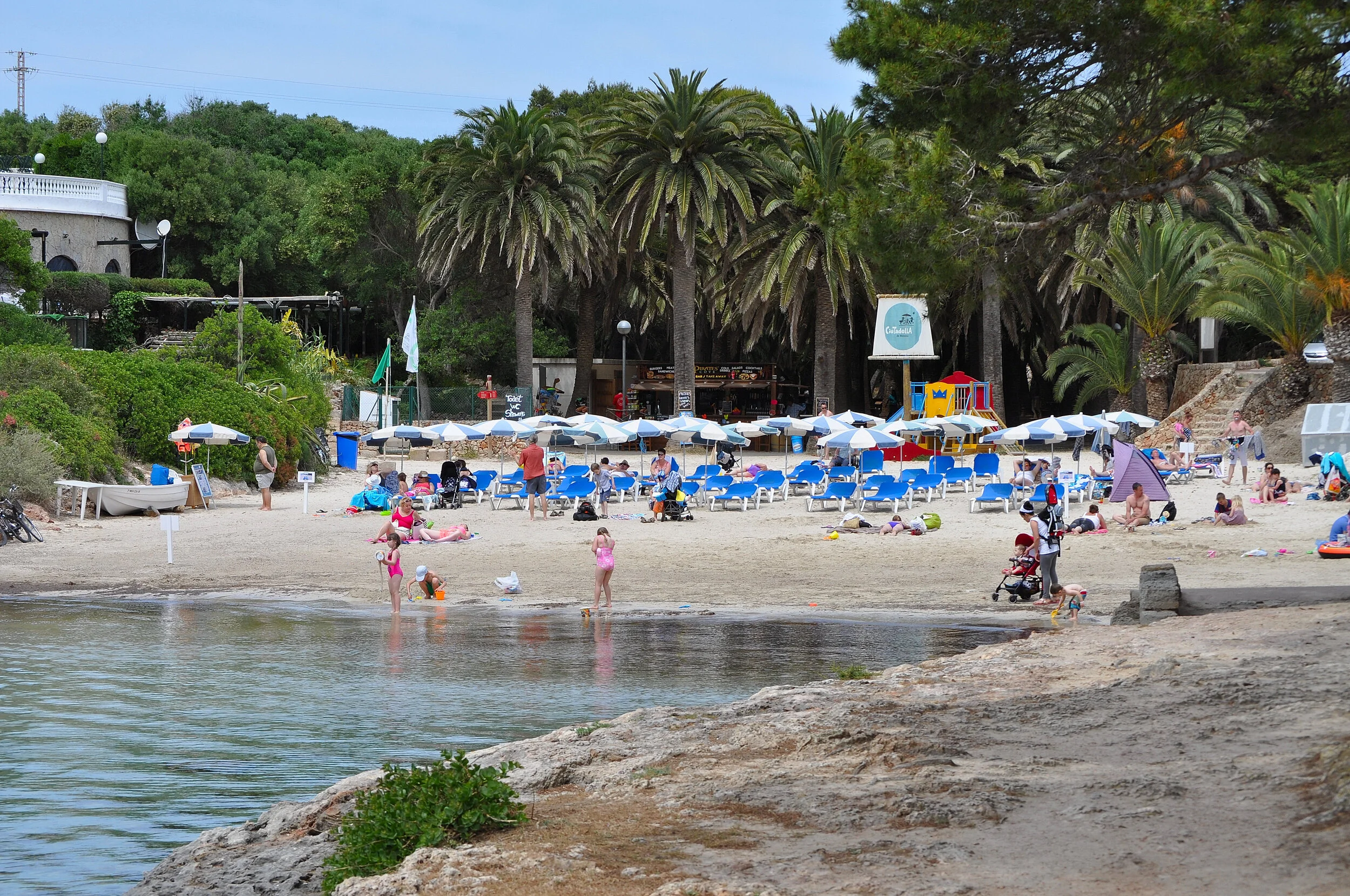
Angela: and what about the nearby Cala en Brut? Its name might suggest otherwise, but the pictures speak for themselves — it's an absolute gem!


Menorca: not only sea
Piero: of course, we couldn't be satisfied with just Menorca's spectacular beaches, so we set out to discover some of the island's other hidden gems.
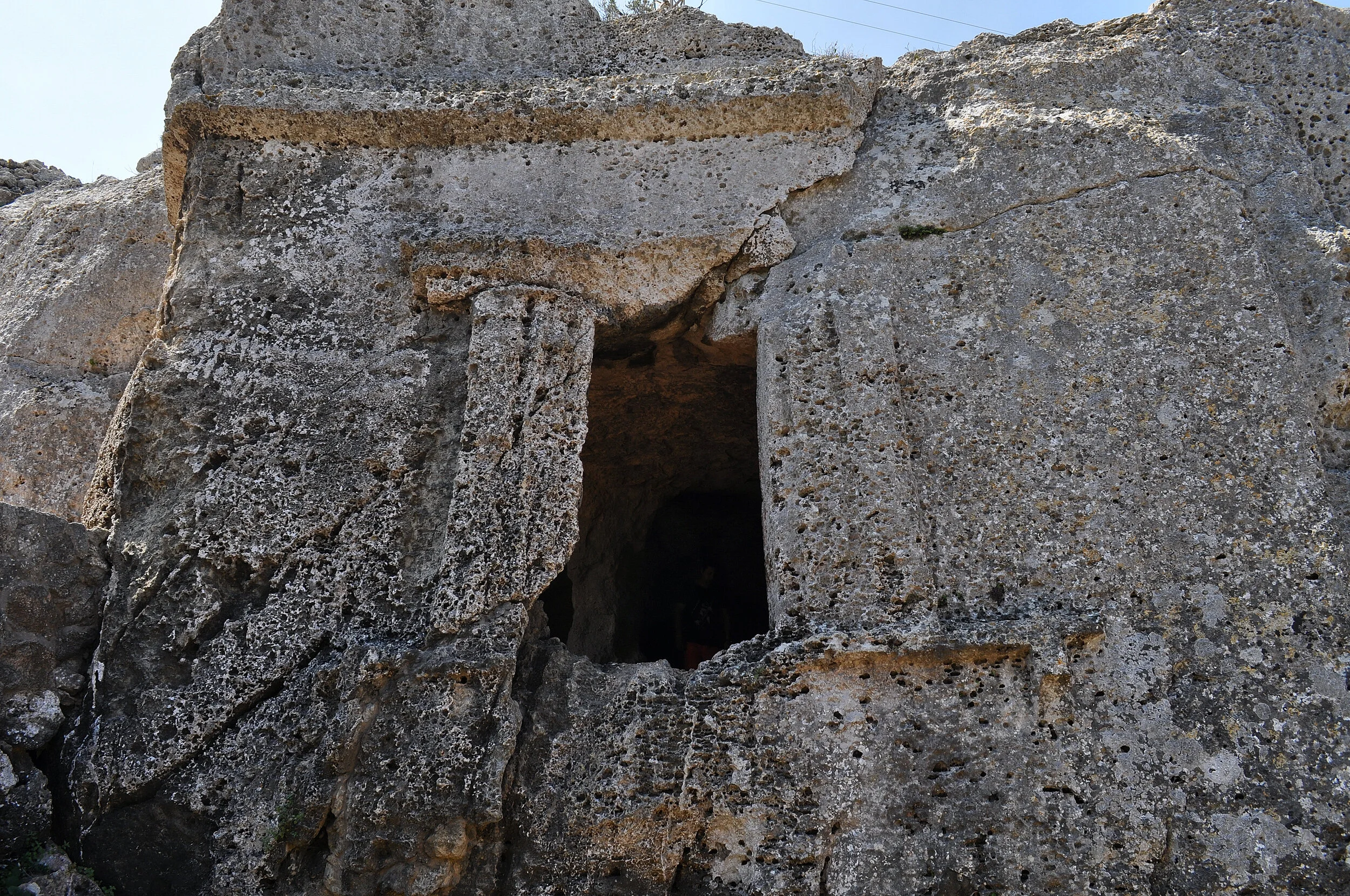
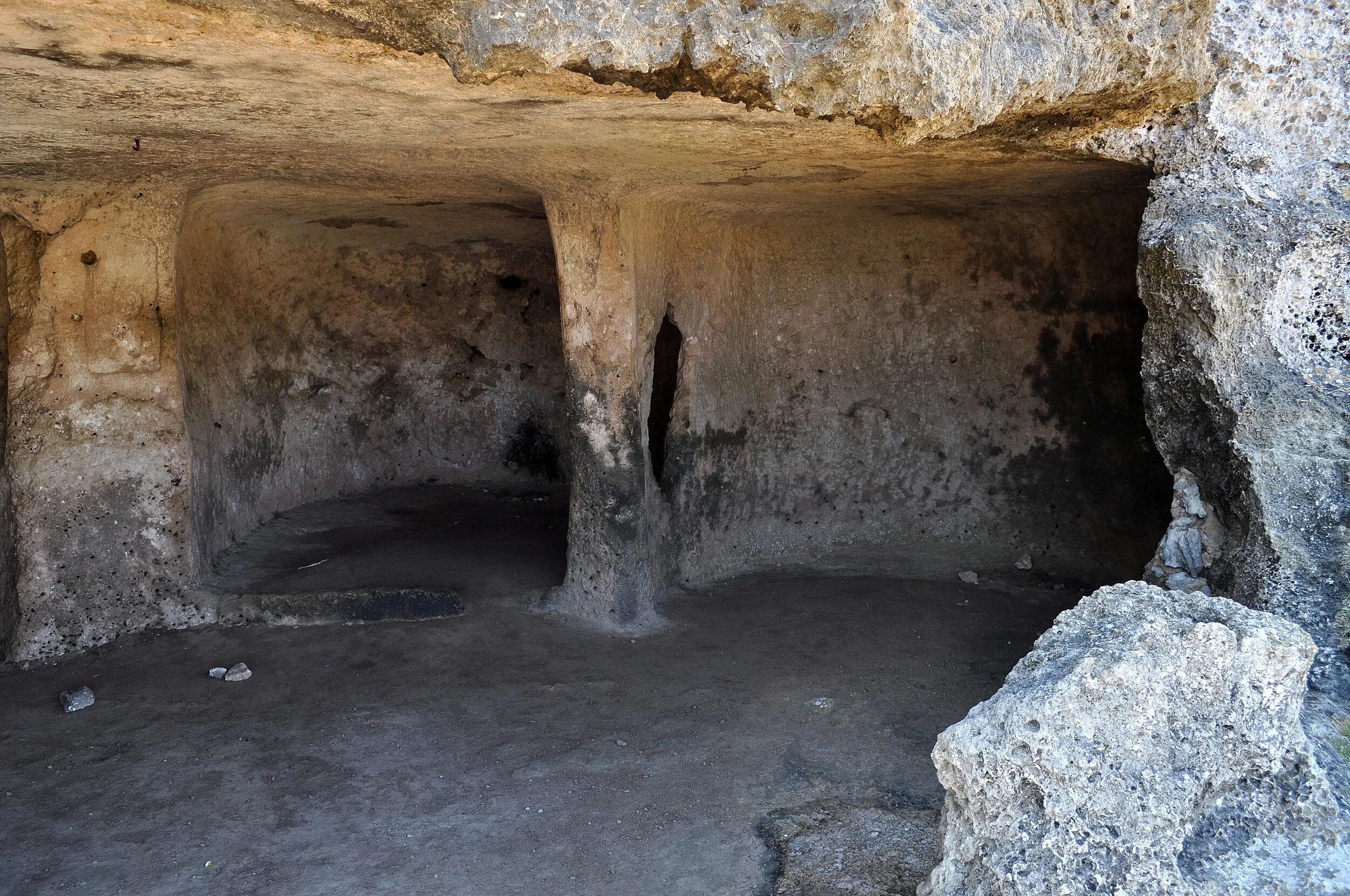
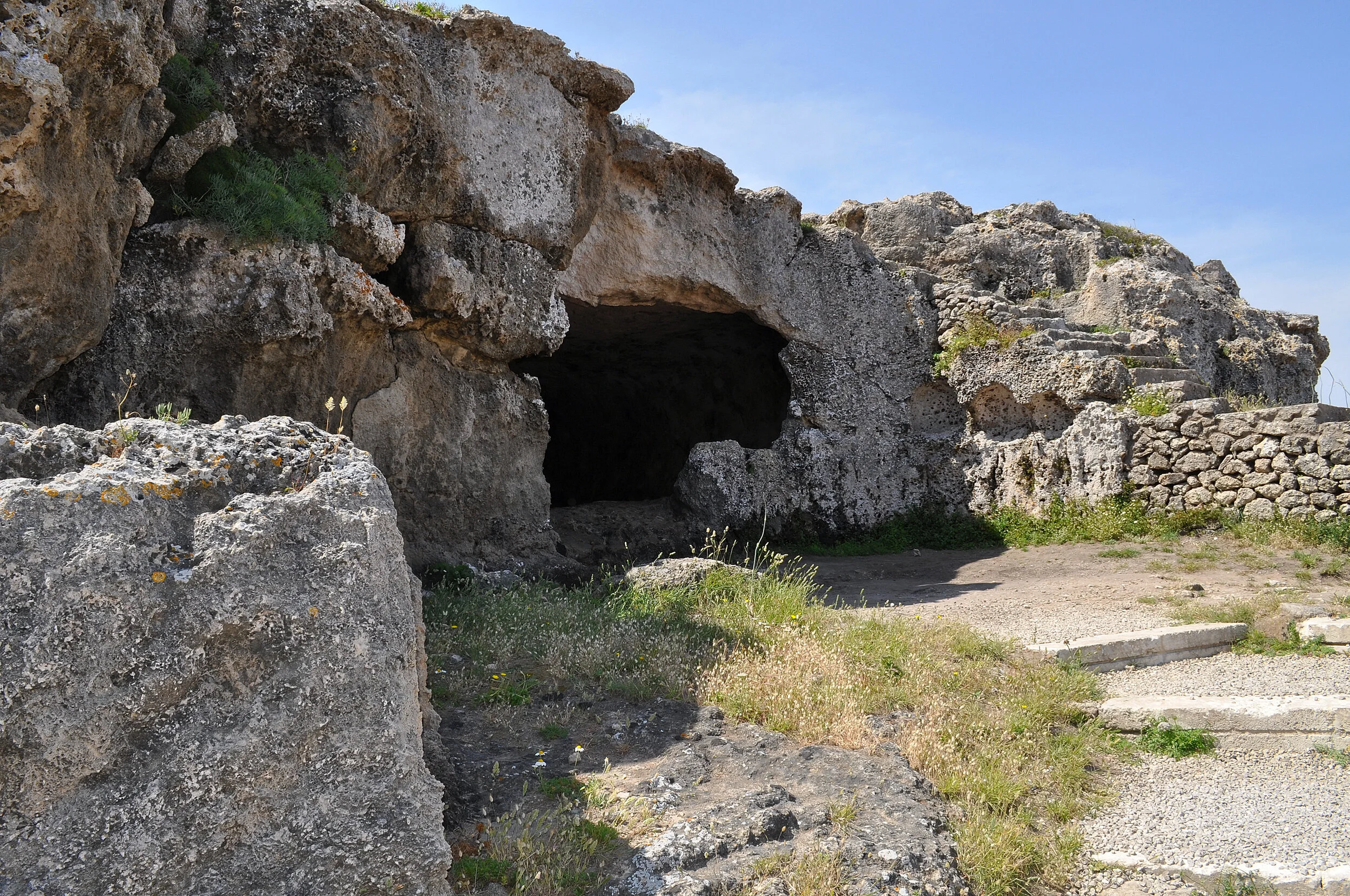
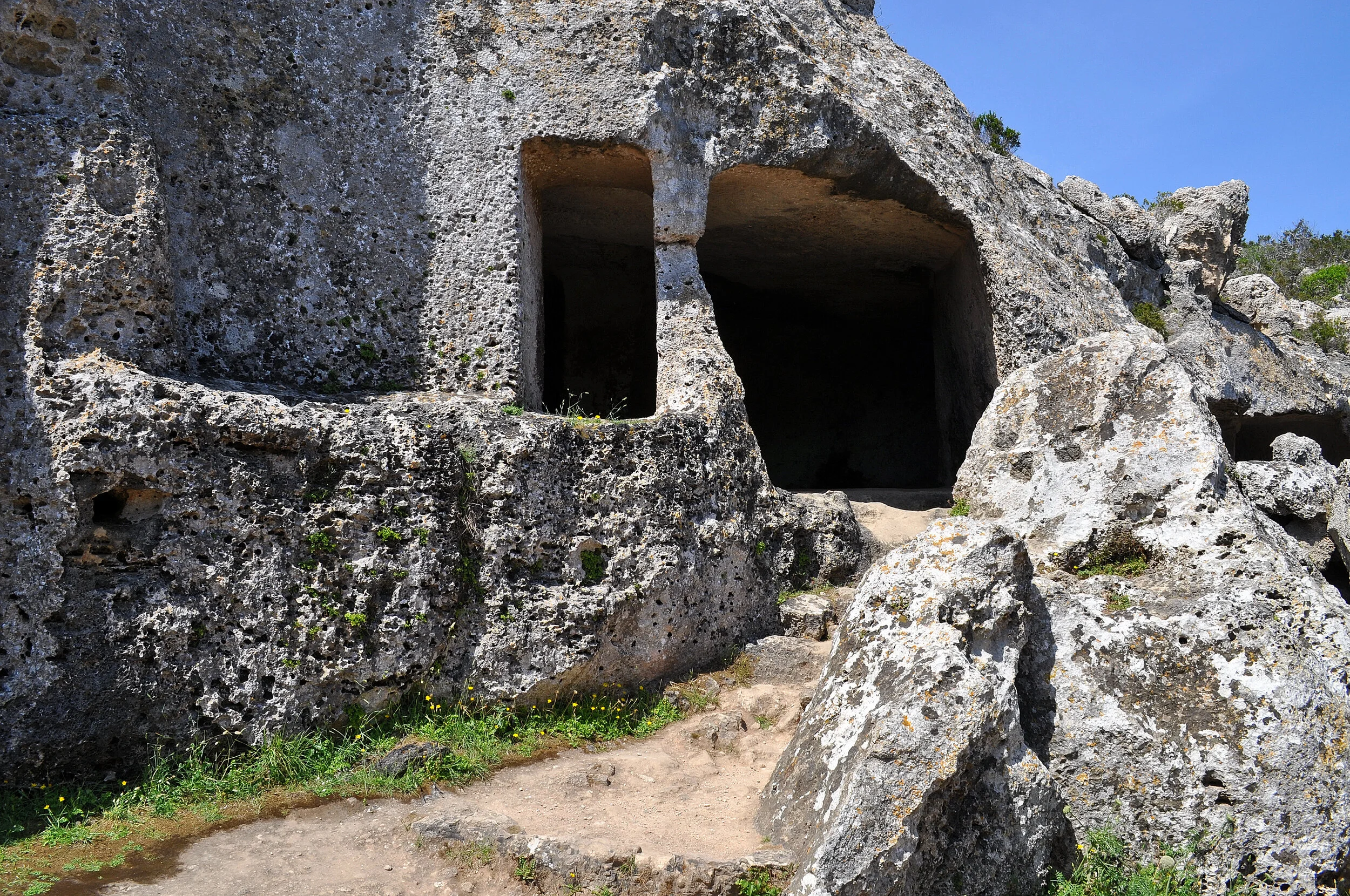
Angela: to begin with, if you're visiting Cala Morell, it's well worth taking the time to explore the nearby necropolis. It's a fascinating complex of caves used as burial chambers, which can easily be explored on foot.




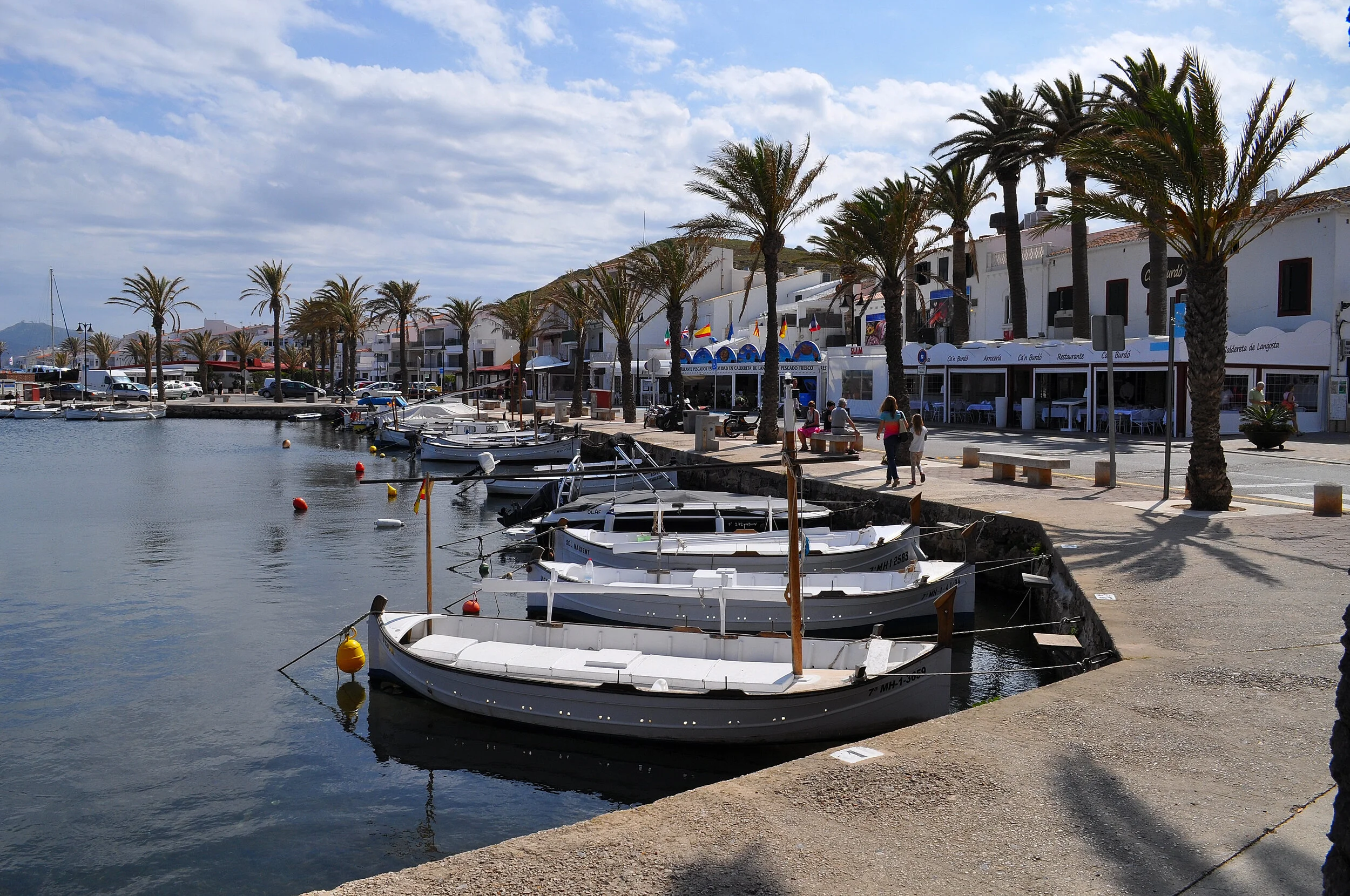
Piero: also on the north coast lies the village of Es Fornells, a charming fishing village where, even today, many of the locals still make their living by catching lobsters.


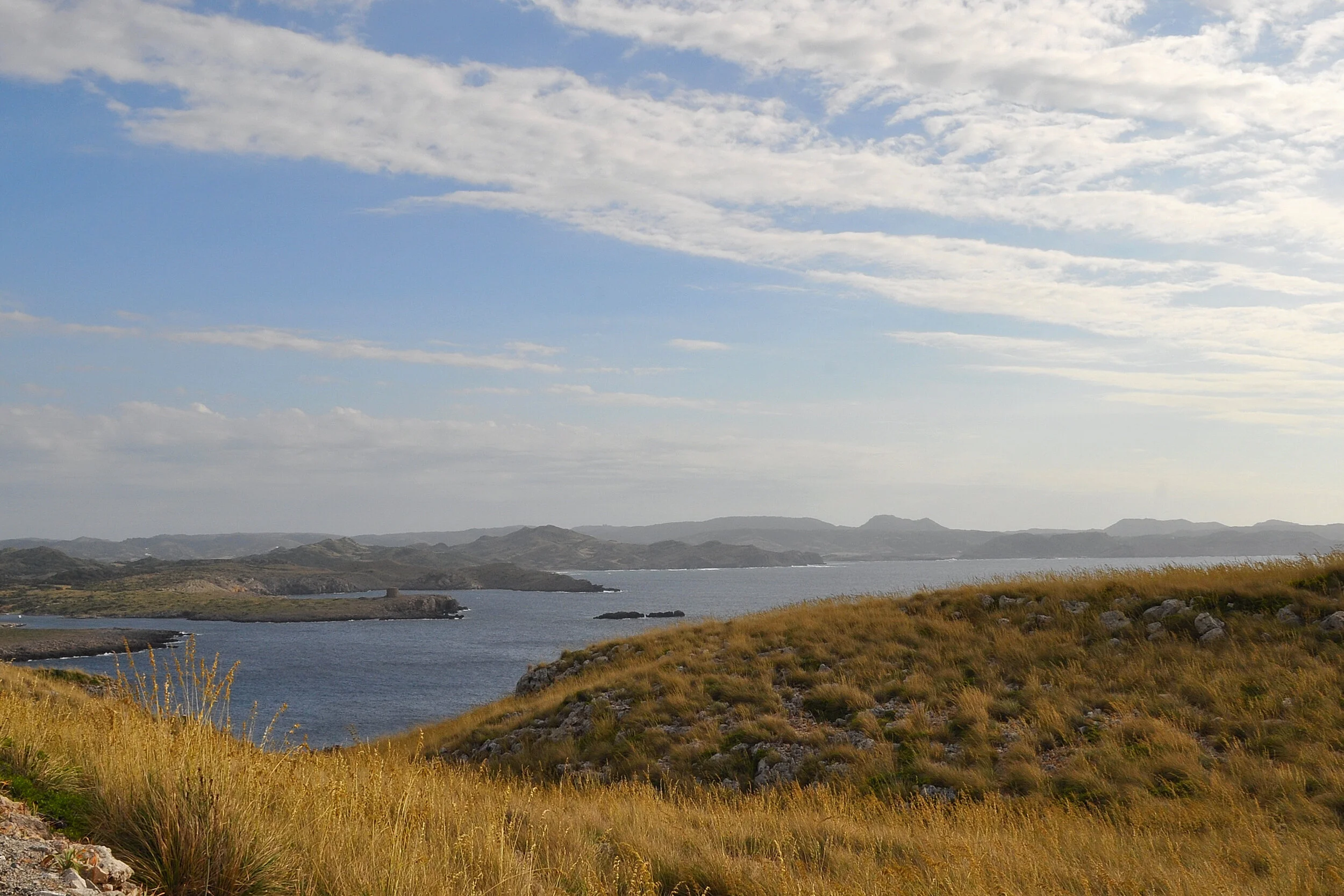
Angela: just outside the village, and easily reached on foot, stands the Tower of Es Fornells, overlooking the headland. From here, you can enjoy spectacular views of the cliffs, the bay and the small island opposite, Illa de Ses Sargantanes.


Piero: not far from here, and close to Cavalleria Beach, stands a beautiful lighthouse perched on top of a sheer cliff overlooking the sea. It is Menorca's oldest lighthouse and also the northernmost on the island.

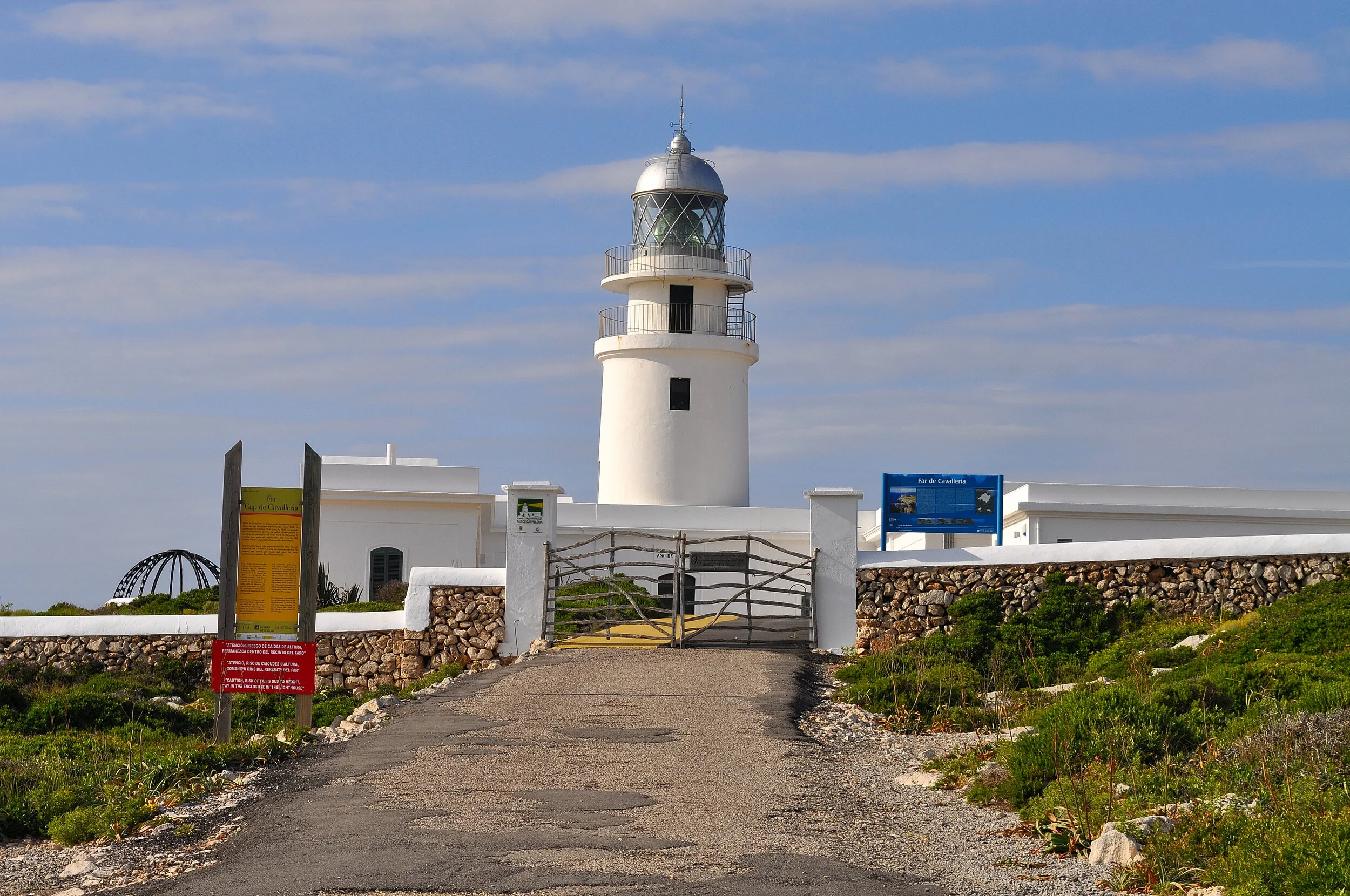



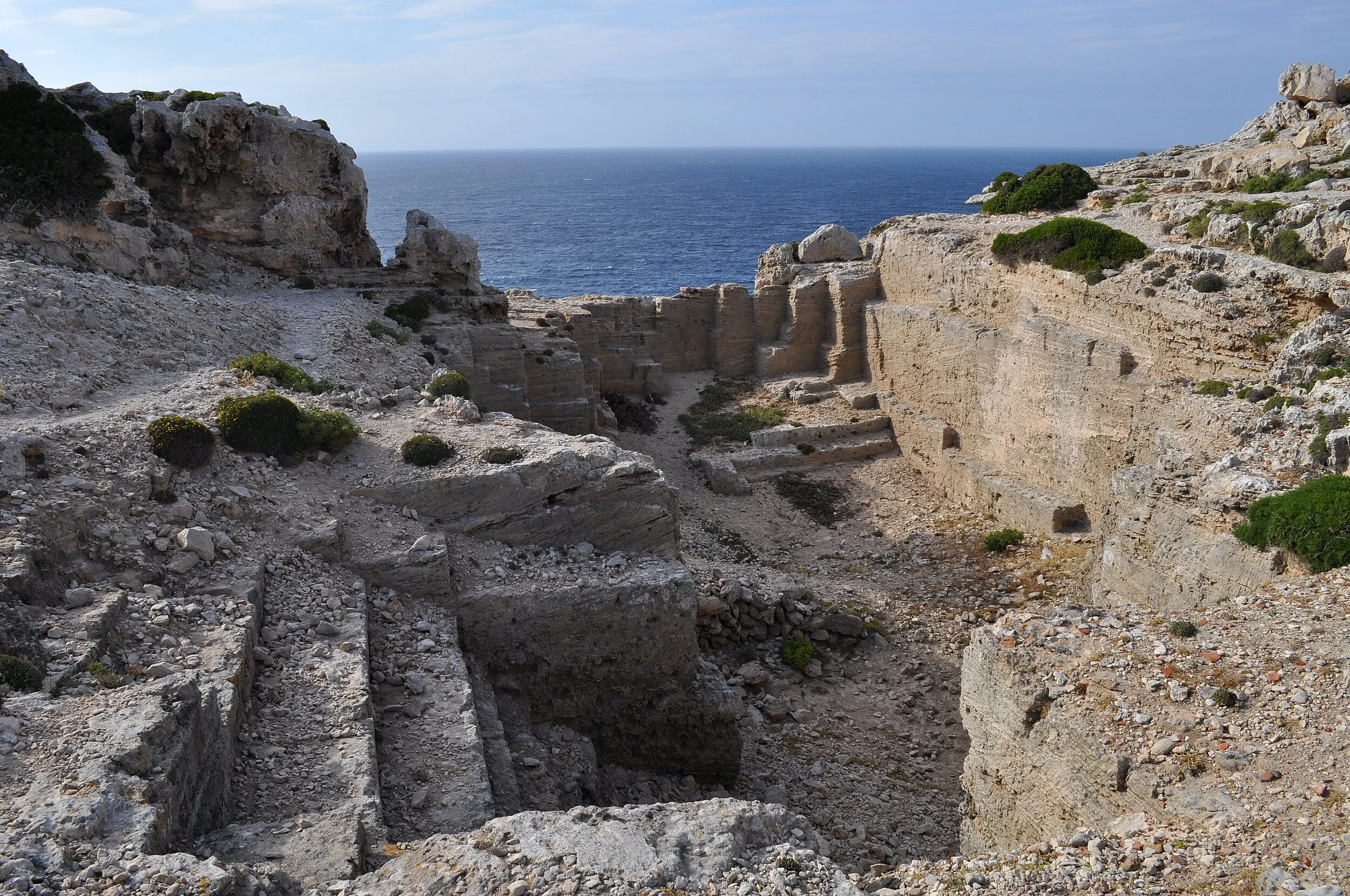

Angela: speaking of lighthouses, Menorca is home to seven of them. Besides the one at Cap de Cavalleria, it's well worth visiting the Punta Nati Lighthouse, located at the island's north-western tip, a short distance from Ciutadella. The landscape here is barren, almost lunar, shaped by the strong northern winds. You reach it by following a narrow road bordered by seemingly endless dry-stone walls. The best time to visit this peaceful spot is just before sunset.

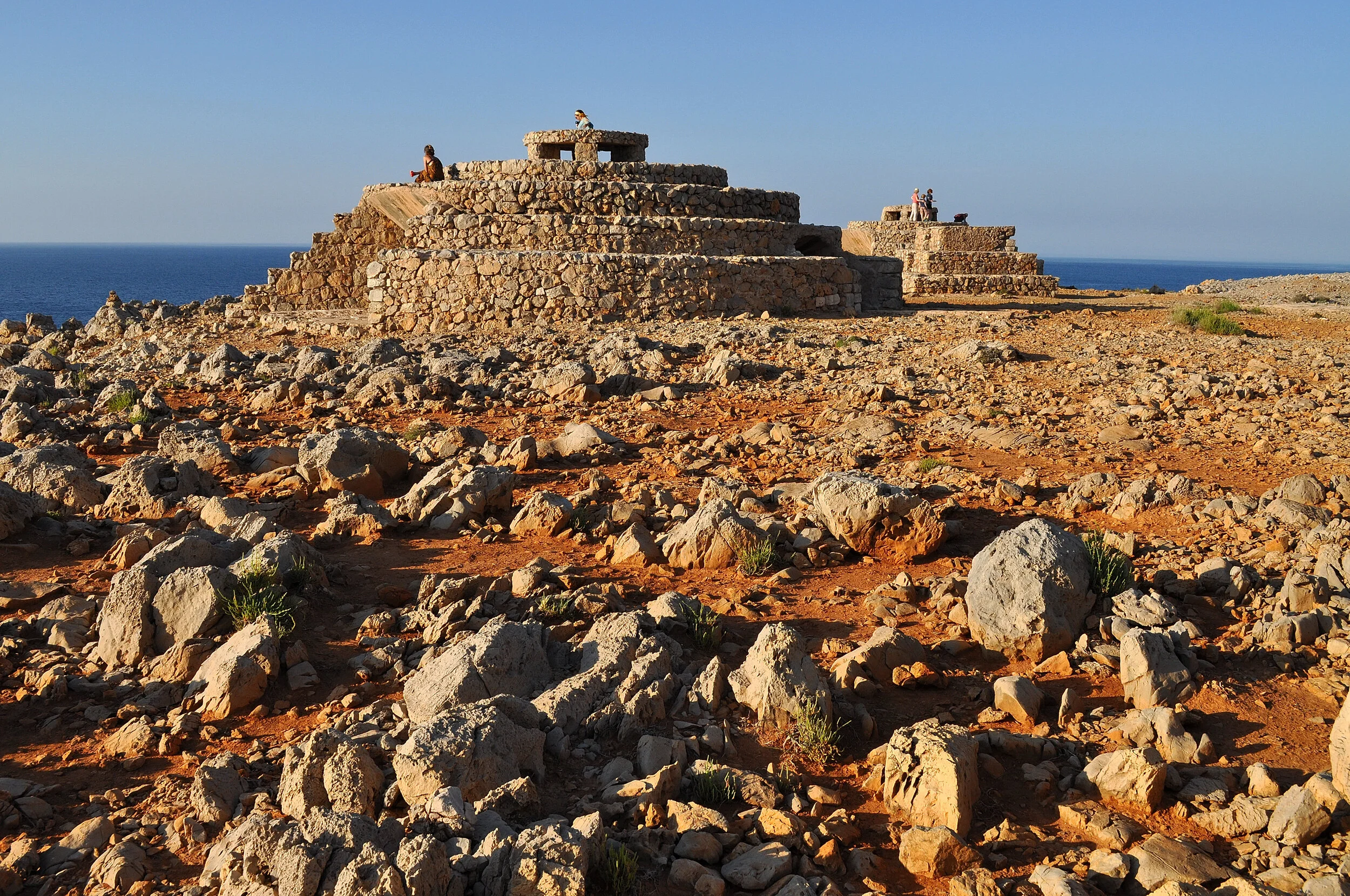


Piero: as we mentioned earlier, Menorca has been inhabited since the Bronze Age, so the island is home to several remarkable remains from that period, most notably the talayots. These are prehistoric tower-shaped structures found on the two largest Balearic Islands, and they are very similar to the nuraghi of Sardinia. Menorca's best-known example is the Naveta d'Es Tudons. It is certainly the oldest monument in the Balearic Islands, and some even suggest that it may be the oldest in the whole of Europe. These funerary monuments, built entirely of stone around 3,000 years ago, take their name from their resemblance to an upturned boat. Today, it can only be visited from the outside.

Angela: before leaving Menorca, you simply have to walk at least part of the Camí de Cavalls, the Path of the Horses. For those who enjoy walking and hiking, this historic trail follows the entire coastline of the island. It stretches for a total of 185 kilometres, divided into 20 sections, with its starting point at the Port of Mahón. Walking even a small part of it is perhaps the best way to discover the true beauty of Menorca, especially considering that many of the island's most beautiful coves can only be reached via this trail.

Piero: it's known by this name because of the Menorcans' deep affection for horses, a tradition that may date back to the Arab period. You'll remember, in fact, that the island's most important festival gives a central role to horses and horsemen.
Angela: what a wonderful island this is. I can only imagine how beautiful the other Balearic Islands must be as well...
Piero: then we'll just have to come back soon!