Gortyn: the law set in stone
Angela: not far from Phaistos, we move on to visit another of the incredible archaeological sites of Crete.
Piero: here we are at Gortyna. The era has changed, the style has changed, but that same feeling remains — the one that only Crete can offer: the sensation of standing at the heart of something ancient and truly fundamental.

Angela: and this time, there are no Minoan palaces. We have moved much further forward in time. Gortyna is Roman. But it is also Greek. And Dorian. It is a city with not just one soul, but many layered one on top of another. And each of them has left its mark.
Piero: the first settlements date back to the Minoan period, but it was with the Dorians, in the 8th century BC, that Gortyna became an important city. Later, the Romans chose it as the capital of the province of Crete and Cyrenaica. And from that moment, a new chapter began.
Angela: it was a wealthy and advanced city, with aqueducts, baths, theatres, forums, and statues. But what makes it truly unique is not only what remains standing—it is what is written on its stones.
Piero: exactly. The famous Code of Gortyn, carved directly into a long limestone wall in the 5th century BC, is the oldest known collection of civil laws in Europe. A kind of “manual for living together”, as we might call it today. And it wasn't hidden away in some archive: it was displayed publicly, with the law made visible to everyone.
Angela: twelve columns of text, written in boustrophedon style—one line from left to right, the next from right to left, like an ox ploughing a field and turning back at the end of each furrow. It is visually fascinating as well.
Piero: and incredibly modern in its content. It deals with marriage, inheritance, divorce, property, slavery, sexual violence, and adoption. Precise, detailed, and practical. Not divine, but civil. Not written for the gods, but for people.
Angela: as if Gortyna were telling us: here, it is not only myths that matter. Here, society is governed through words carved into stone, not through temples.
Piero: the archaeological site stretches among olive groves and dirt paths. It almost feels hidden—we actually drove past it twice without noticing it...—yet it is enormous. You enter among the ruins of the Roman Odeon, a small semicircular theatre built in the 1st century AD. Here people once listened to music, speeches, and poetry.


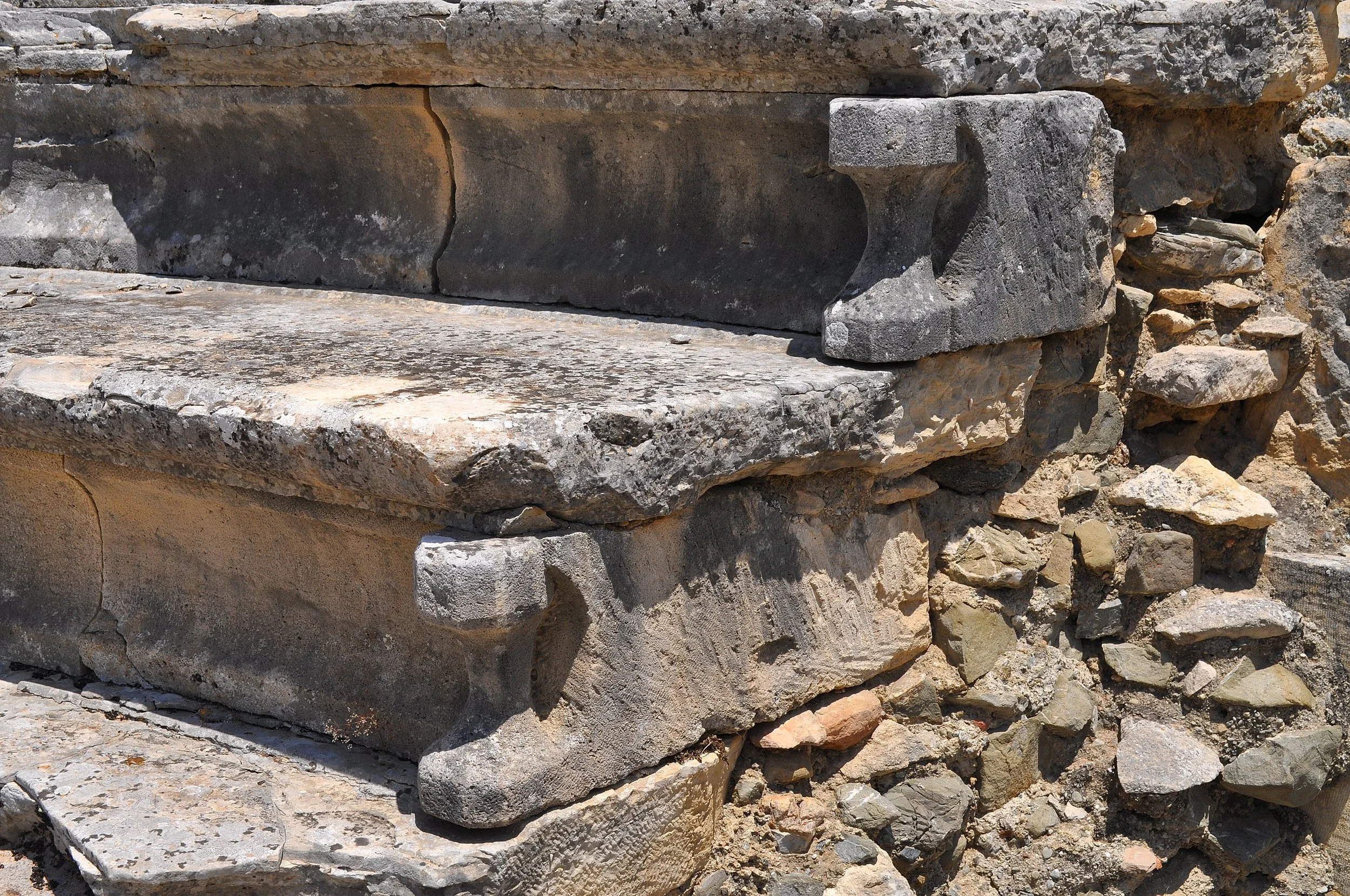

Angela: and it is right next to the Odeon that we find the Code of Gortyn. Not as an isolated monument, but as an integral part of everyday city life. As if law and beauty were one and the same thing.
Piero: further on, we discover the remains of paved roads and the ruins of the Basilica of Saint Titus, built in the 6th century AD. According to tradition, Titus, a disciple of Saint Paul, founded the first Christian community of Crete here.
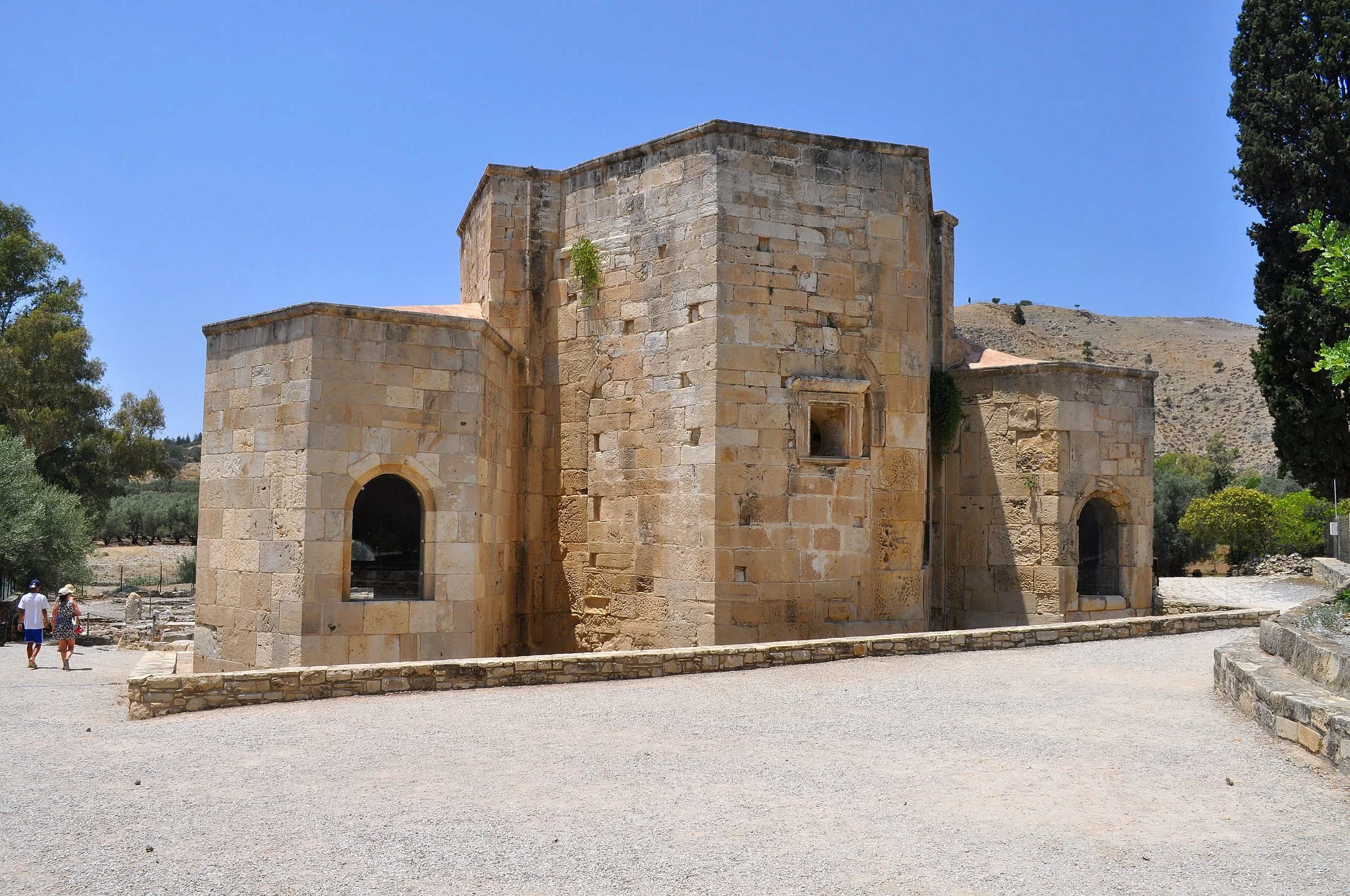


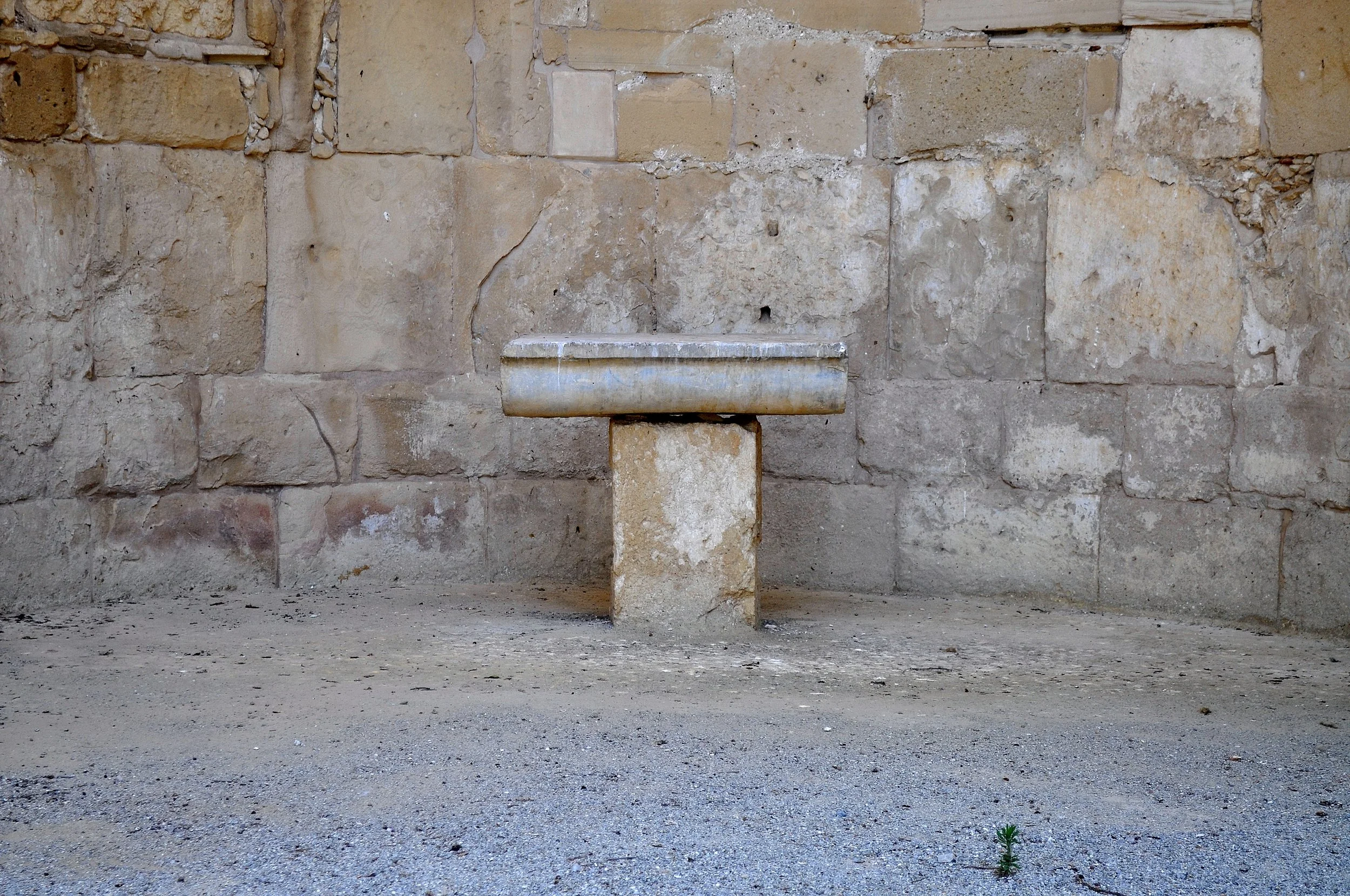
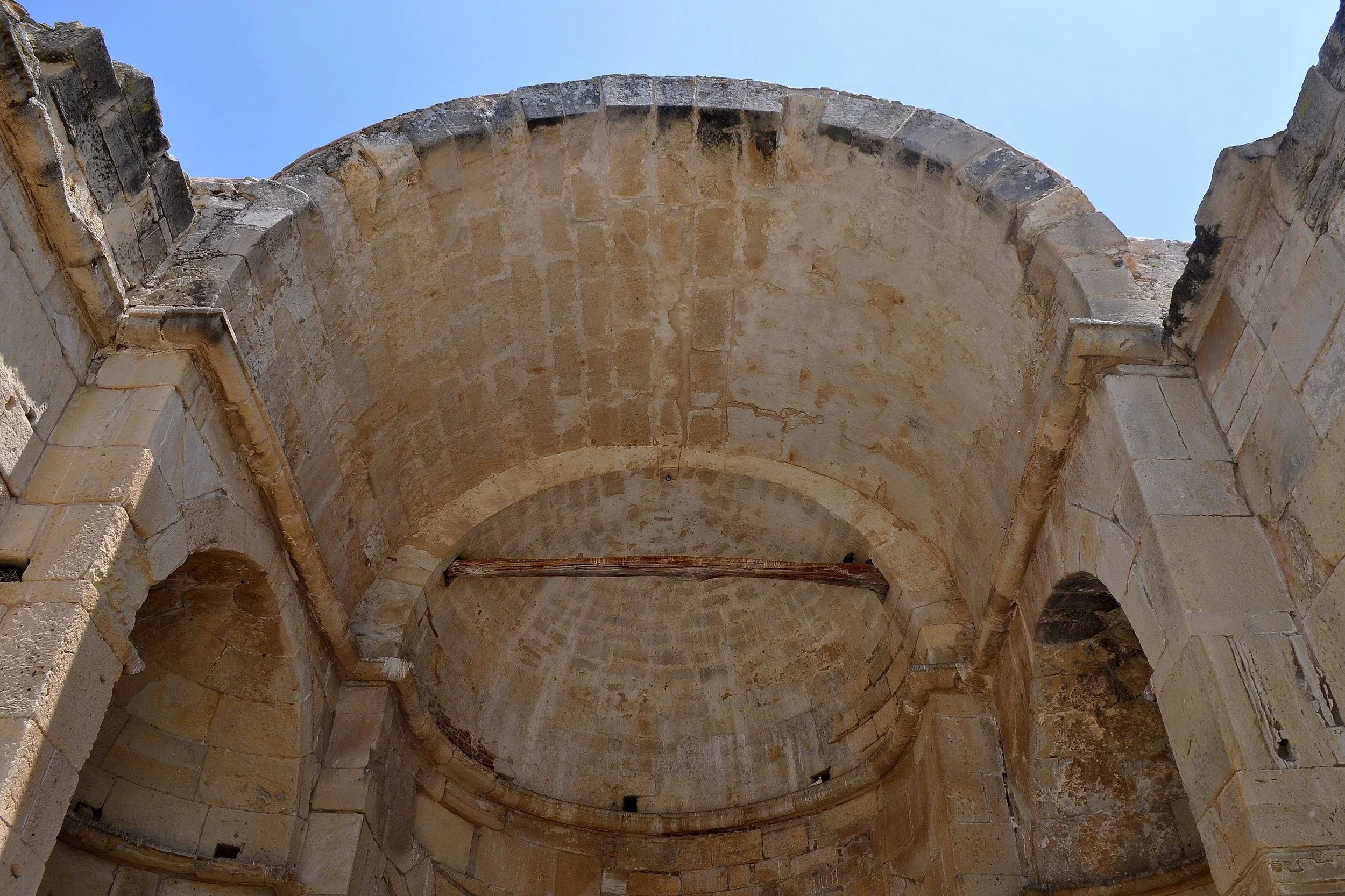


Angela: here, archaeology becomes a story. From the Dorians to the Romans, from Greek law to Christian faith, everything is connected. And everything is immersed in greenery. Fig trees, olive trees, oleanders. The stones emerge among the plants like thoughts rising through dreams.
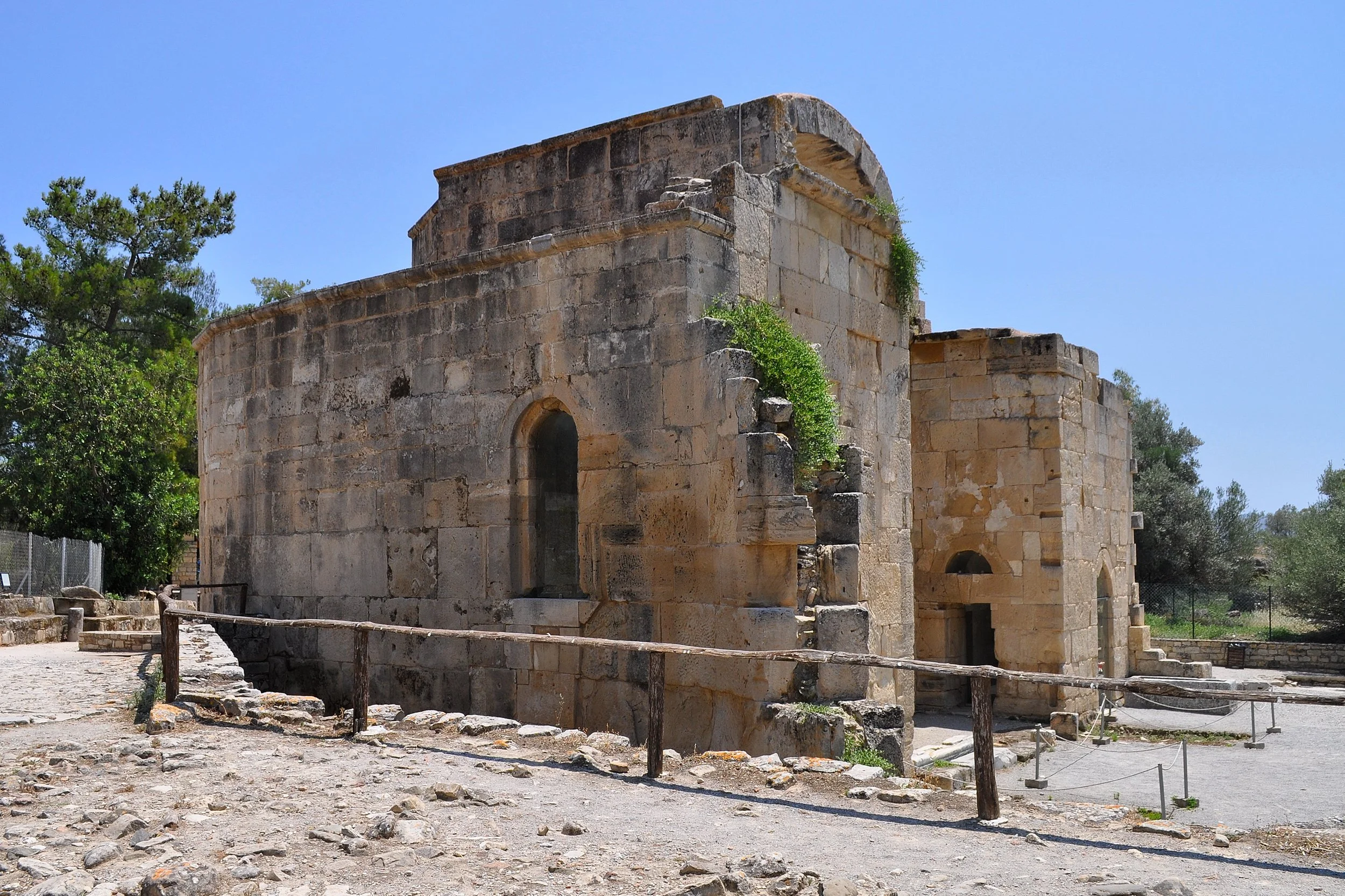
Piero: in the oldest section, you can still recognise the remains of the Roman praetorium, the seat of the governor. And just beyond it, what remains of the forum, with columns and statue bases. Not as grand as Rome, but full of dignity.


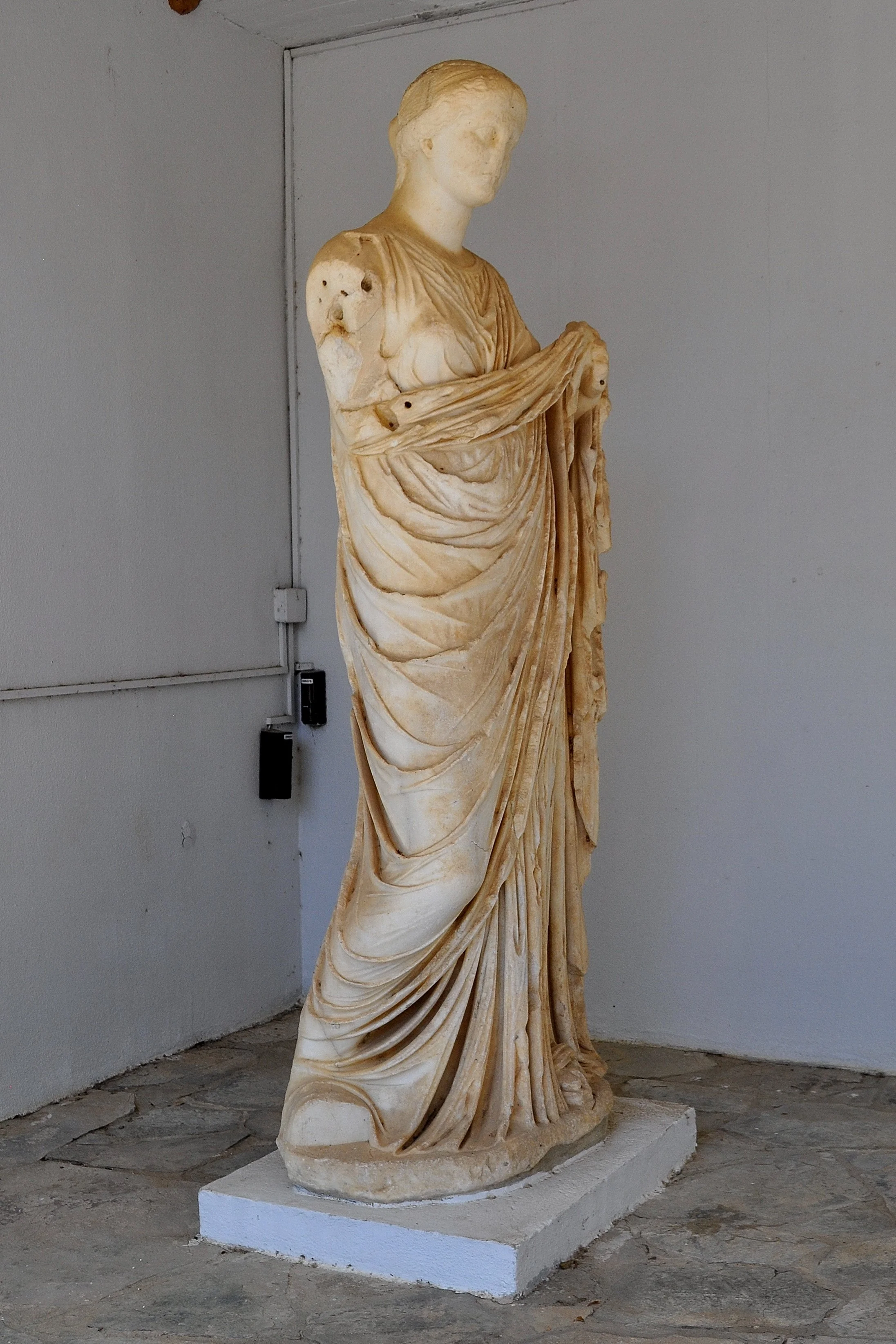

Angela: it is a city without walls, like the ancient Greek poleis. Perhaps precisely because it felt secure, strengthened by its laws and by its strategic position: in the heart of the Messara Plain, not far from either the sea or the mountains.
Piero: and to think that during the Hellenistic period, it competed with Knossos for control of the island. Two different models of power: Knossos had myth, Gortyn had law. Knossos had the royal court, Gortyn had the forum.
Angela: today everything is peaceful and silent. But all you need to do is read those lines carved into the stone to hear its voice once again. Here, justice was not an abstract concept. It was something to be carved, to be displayed, to be lived.
Piero: every journey through Crete is an encounter with something that still concerns us today. Here there is no labyrinth and no frescoes. But there are rules, the dignity of living together, and a stone that never forgets.